returns in
273
days
Bloom calendar
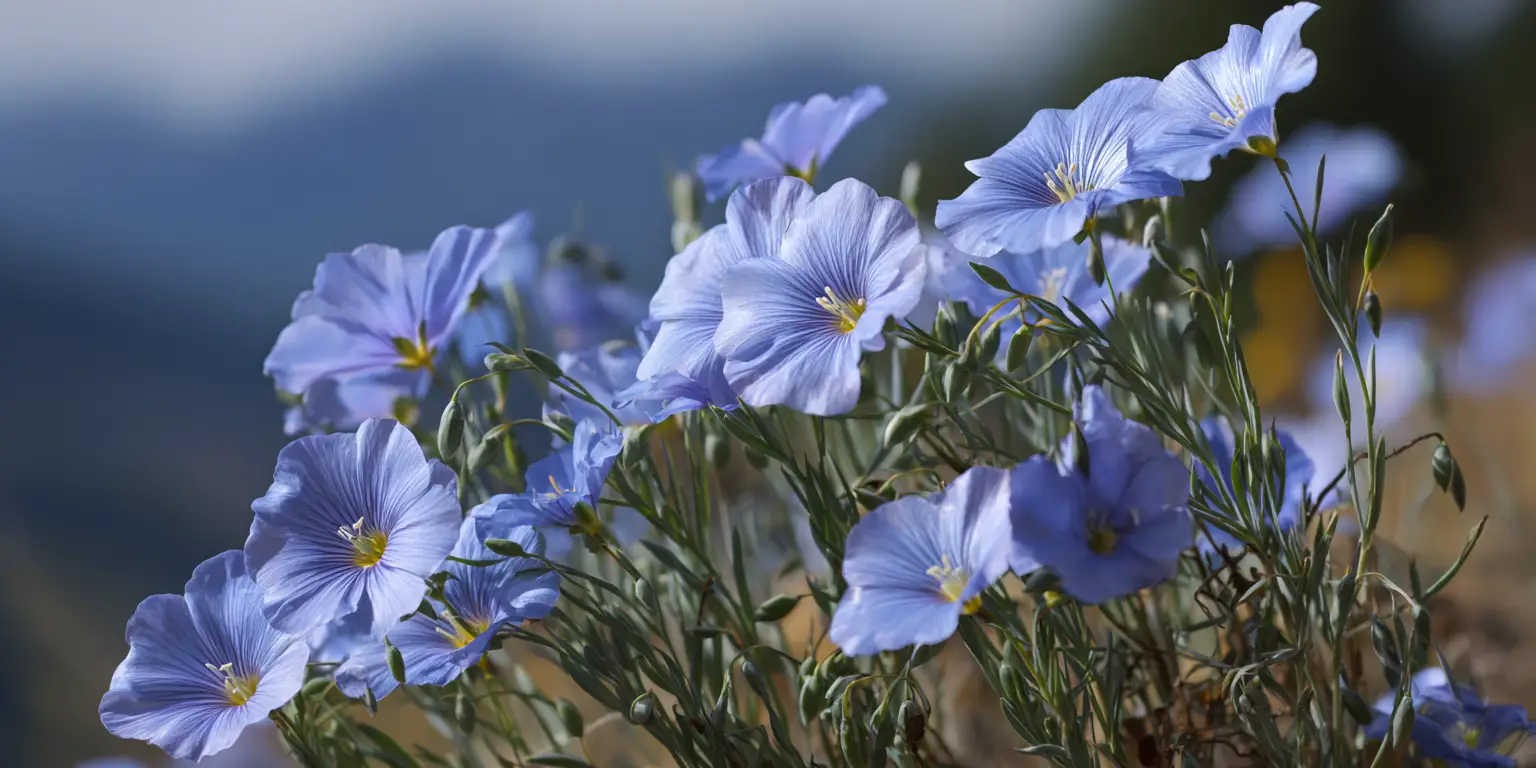
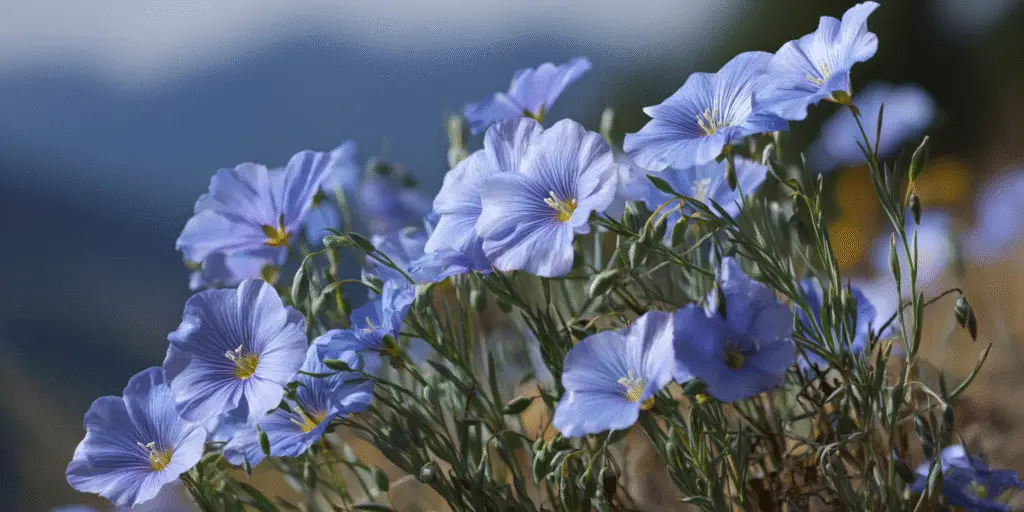
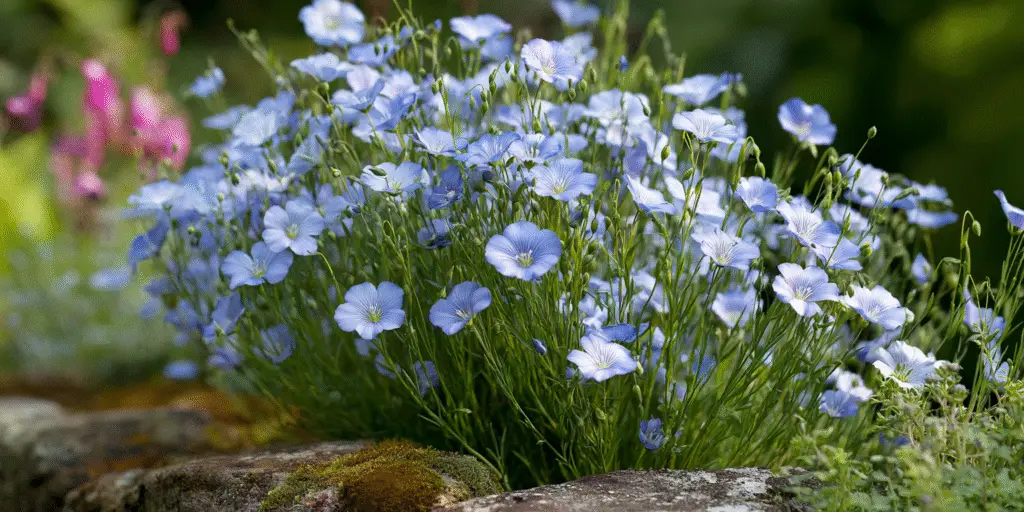
Linum lewisii
Species
At‑a‑glance
- Group/Class: Species
- Height × spread: 18 to 30 in (45 to 75 cm) × 12 to 18 in (30 to 45 cm)
- Bloom window: late spring to midsummer
- Color & flower form: pale to sky blue; five petaled, saucer shaped
- Fragrance: 0 none
- USDA hardiness: zones 4 to 8
- Breeder / Year / Origin: unknown; native to western North America
- Cut‑flower notes: Slender stems; research on perennial flax reports about 8 days with preservative for L. lewisii cuts.
- Pet safety: unknown
How it differs
- Native species; most seed mixes use the Eurasian Linum perenne.
- Often a bit taller than garden blue flax in lean mountain soils.
- Flowers are homostylous; L. perenne is usually heterostylous.
- Handles poorer soils and cold snaps in the interior West.
Strengths
- Cold and drought tolerant in sunny, well drained sites
- Reliable from fall or very early spring sowing
- Naturalizes lightly without running
- Minimal pest pressure in dry climates
Care in one minute
Site: full sun with wind exposure for dry down after rain
Soil: fast drainage; sandy or rocky loam; pH slightly acidic to moderately basic
Water: light once established; deeper but infrequent soaks in drought
Feeding: minimal; avoid high fertility that causes flop
Grooming: deadhead to extend bloom; leave some pods to self sow; cut back in late winter
Watch‑outs
- Short lived; allow some seed set to maintain stands
- Can sprawl in rich or moist soil
- Rust may appear in wet springs
- Dislikes poor drainage or high water tables
Best uses (tags)
Provenance note
Named for Meriwether Lewis and described by Frederick Pursh in 1814 from Rocky Mountain material.
References
- NCSU Extension Plants: Linum lewisii
- USFS FEIS species review: Linum lewisii
- USU Extension Range Plants: Lewis flax
- ASHS HortScience 2022: Perennial Flax as a Cut Flower
Similar Flowers
Enjoying our flower guides? Add YourFlowersGuide as a preferred source on Google. It helps more readers find us.
Add to Preferred Sources