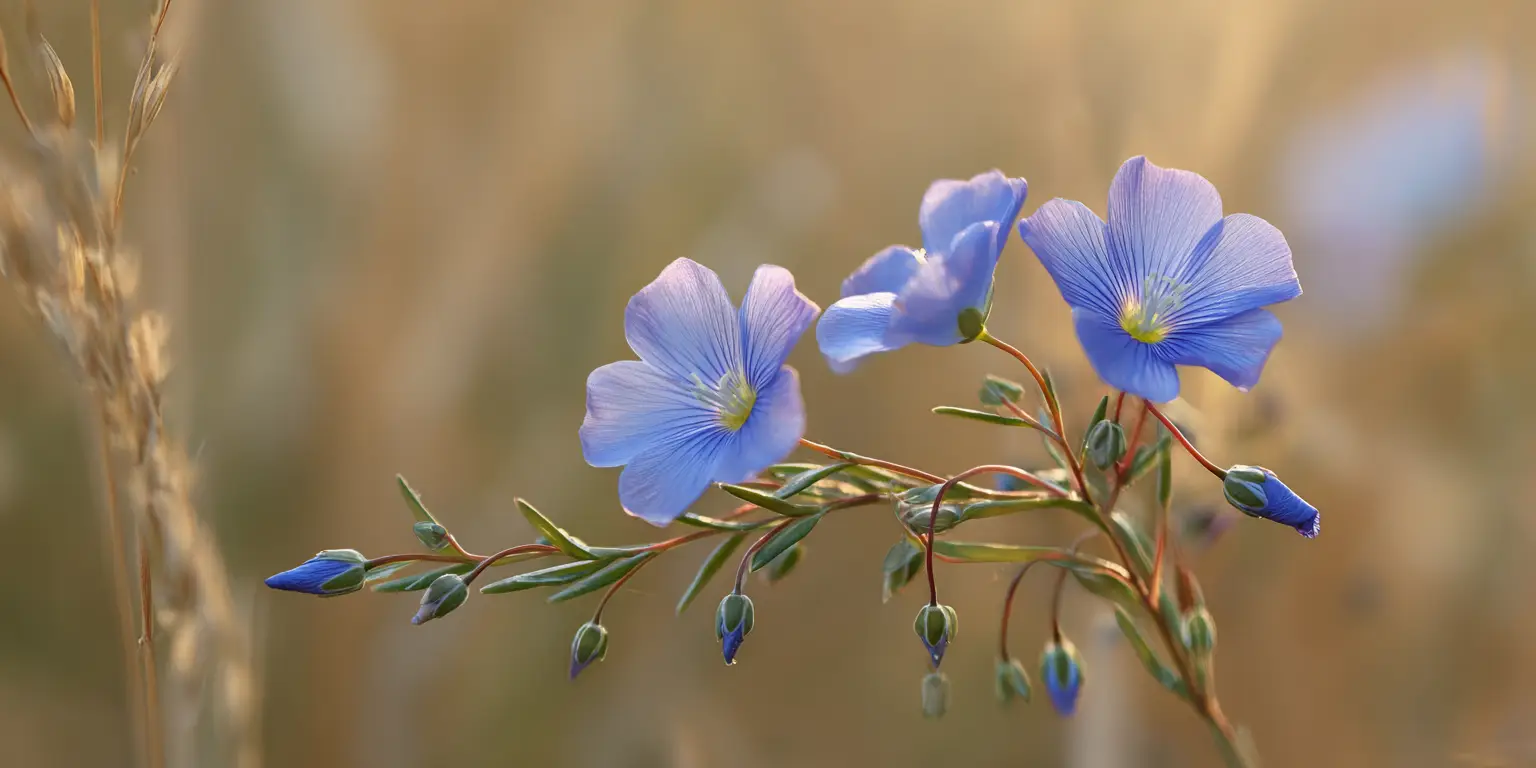
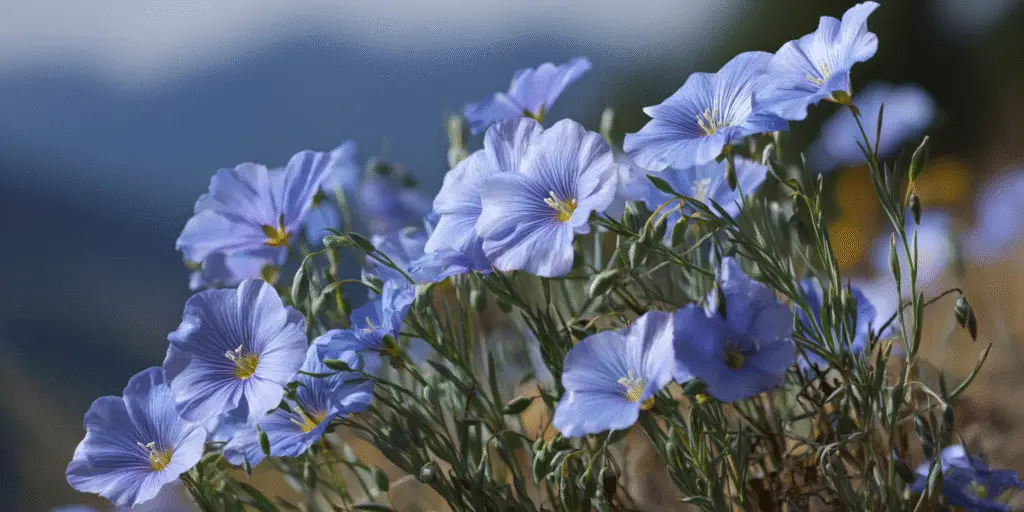
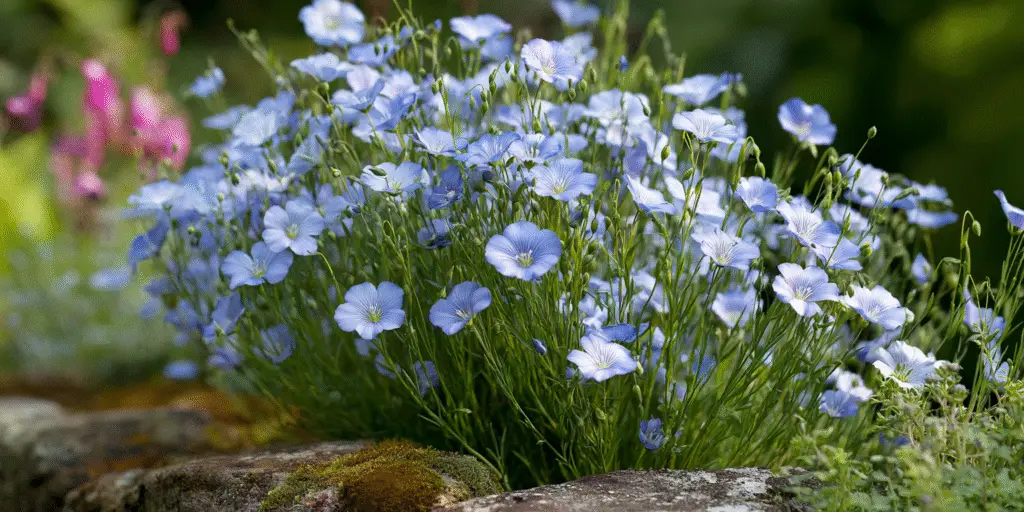
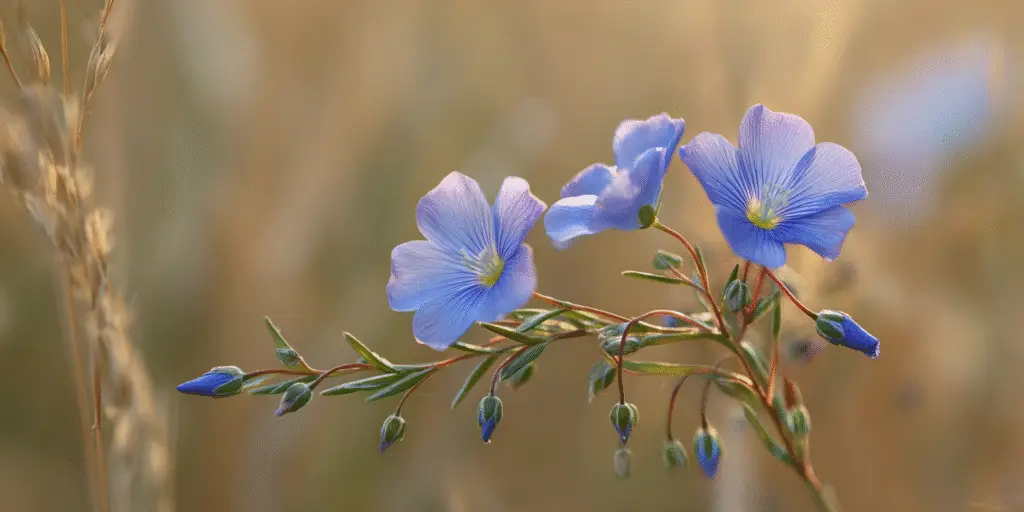
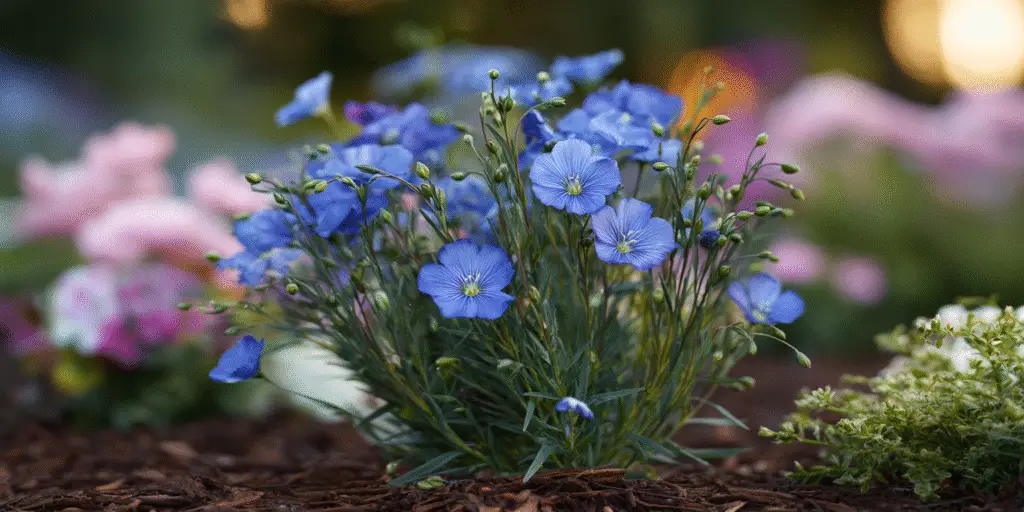
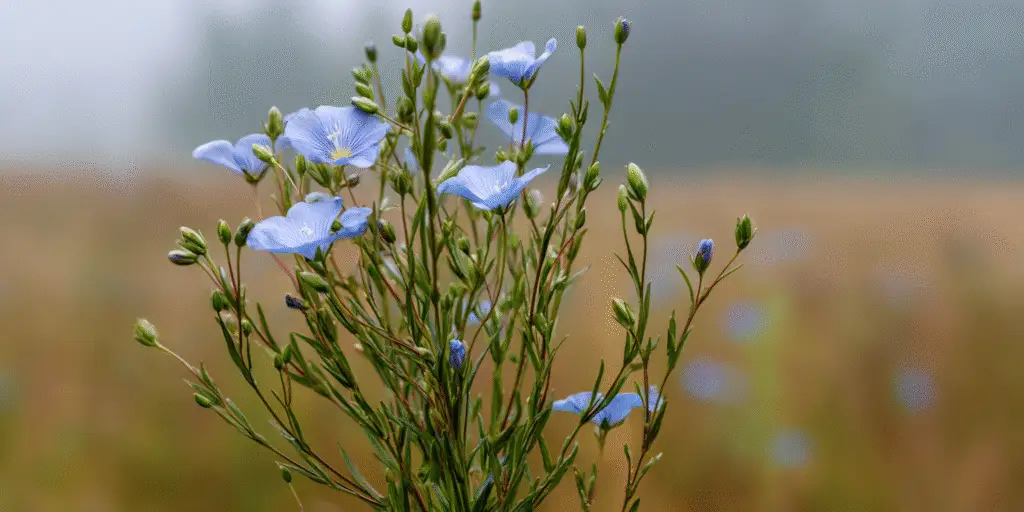
Linum narbonense is a Mediterranean blue flax valued for a dense mound and larger azure flowers. It is long blooming from May to July in full sun. Plants are compact and suit rock gardens and xeric borders. This species stands out for tidy habit and a longer lived clump than many blue flaxes. It performs best in full sun with fast drainage in zones 5 to 8.
At‑a‑glance
Group/Class: Species
Height × spread: 16 to 18 in (40 to 45 cm) × 16 to 18 in (40 to 45 cm)
Bloom window: May to July
Color & flower form: deep sky blue; funnel to saucer shaped clusters
Fragrance: 0 none
USDA hardiness: zones 5 to 8
Breeder / Year / Origin: unknown; Western and Central Mediterranean
Awards/registration: Plant Select selection 2013
Cut‑flower notes: Airy filler; expect about a week in preservative based on perennial flax cut flower trials.
Pet safety: unknown
How it differs
More mounded and fuller foliage than typical garden blue flax.
Flowers are slightly larger and show a clean white eye.
Often longer lived in dry, rocky soils.
Handles moderate to xeric conditions once established.
Strengths
Compact shape that stays neat
Deer resistant and pollinator friendly
Good heat and drought tolerance after establishment
Low maintenance in lean soils
Care in one minute
Site: full sun; light afternoon shade acceptable in hot interiors
Soil: sandy or loamy with excellent drainage; neutral to alkaline
Water: moderate during establishment; then deep but infrequent
Feeding: none; avoid rich soils that reduce bloom
Grooming: little deadheading needed; leave some seed for gentle renewal
Watch‑outs
Needs sharp drainage; may decline in heavy clay
Can reseed where happy
Petals still shatter by afternoon in hot sun
Best uses (tags)
rock gardens, dry borders, meadows, pollinators, slopes
Provenance note
A wild species of the Western and Central Mediterranean; recognized in North American gardens through Plant Select trials beginning in 2013.
Written by: Your Flowers Guide editorial team We are a small independent group of flower lovers who research and review each guide using trusted horticultural and educational sources. Learn more about us