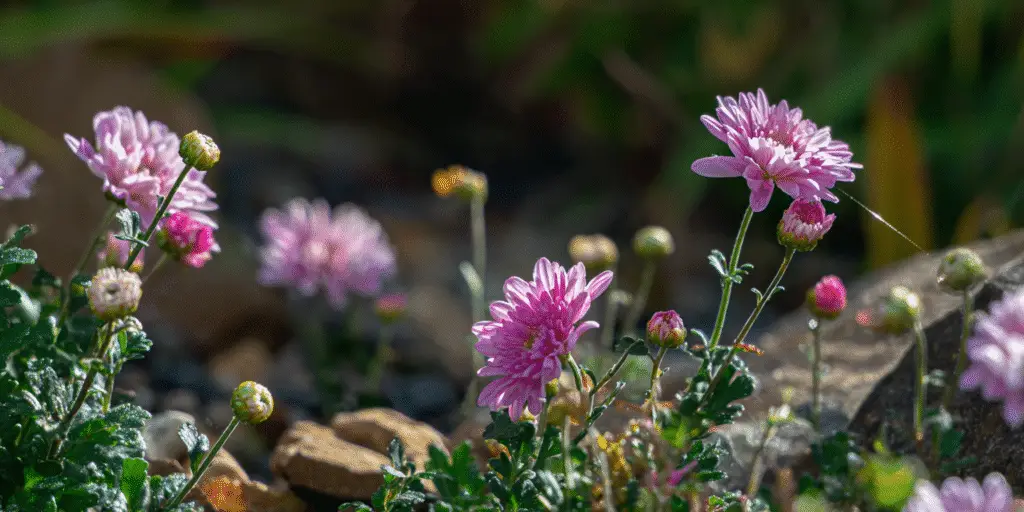
Chrysanthemum coronarium, now classified as Glebionis coronaria, is the edible crown daisy grown as a quick annual. It stands out for tender, aromatic greens and bright spring to summer daisies. It performs best in full sun and well‑drained soil. Plants grow fast from seed and can be resown for a steady harvest. In North America it is grown as an annual in all USDA zones.
At‑a‑glance
Group/Class: annual chrysanthemum (now Glebionis)
Height × spread: 12–36 in (30–90 cm) × 8–18 in (20–45 cm)
Bloom window: spring to summer
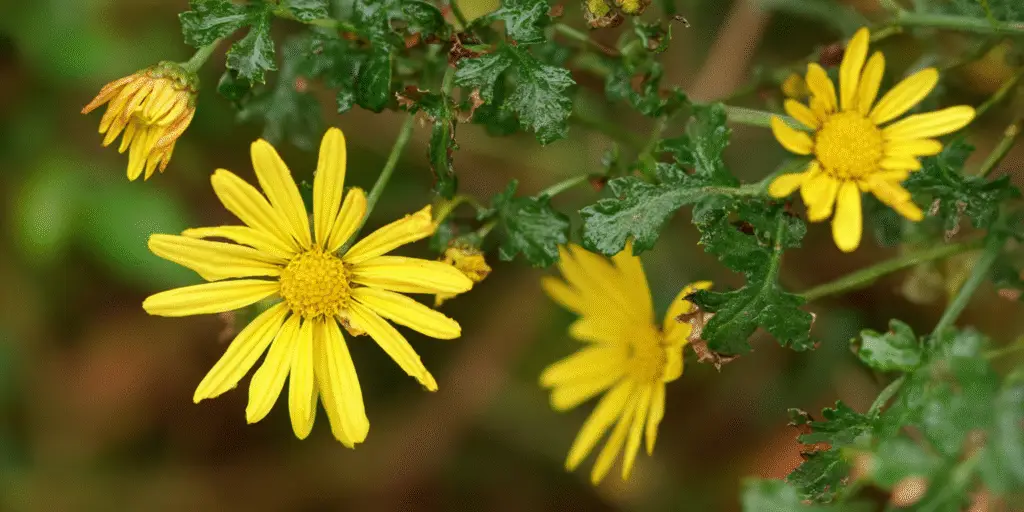
Color & flower form: yellow or yellow‑and‑white single daisies
Fragrance: 1 trace
USDA hardiness: grown as annual in all zones
Breeder / Year / Origin: unknown
Pet safety: unknown
How it differs
True annual with spring to summer bloom rather than fall.
Primarily grown for edible greens.
Not intended for long‑term perennial borders.
May self‑seed where happy.
Strengths
Fast, easy crop from seed.
Useful in edible beds and mixed borders.
Tolerates a range of soils in full sun.
Care in one minute
Sow in full sun and well‑drained soil in spring.
Keep evenly moist for tender leaves.
Harvest young greens; deadhead to limit self‑seeding or allow a light reseed.
Sow successionally every few weeks for a steady supply.
Written by: Your Flowers Guide editorial team We are a small independent group of flower lovers who research and review each guide using trusted horticultural and educational sources. Learn more about us