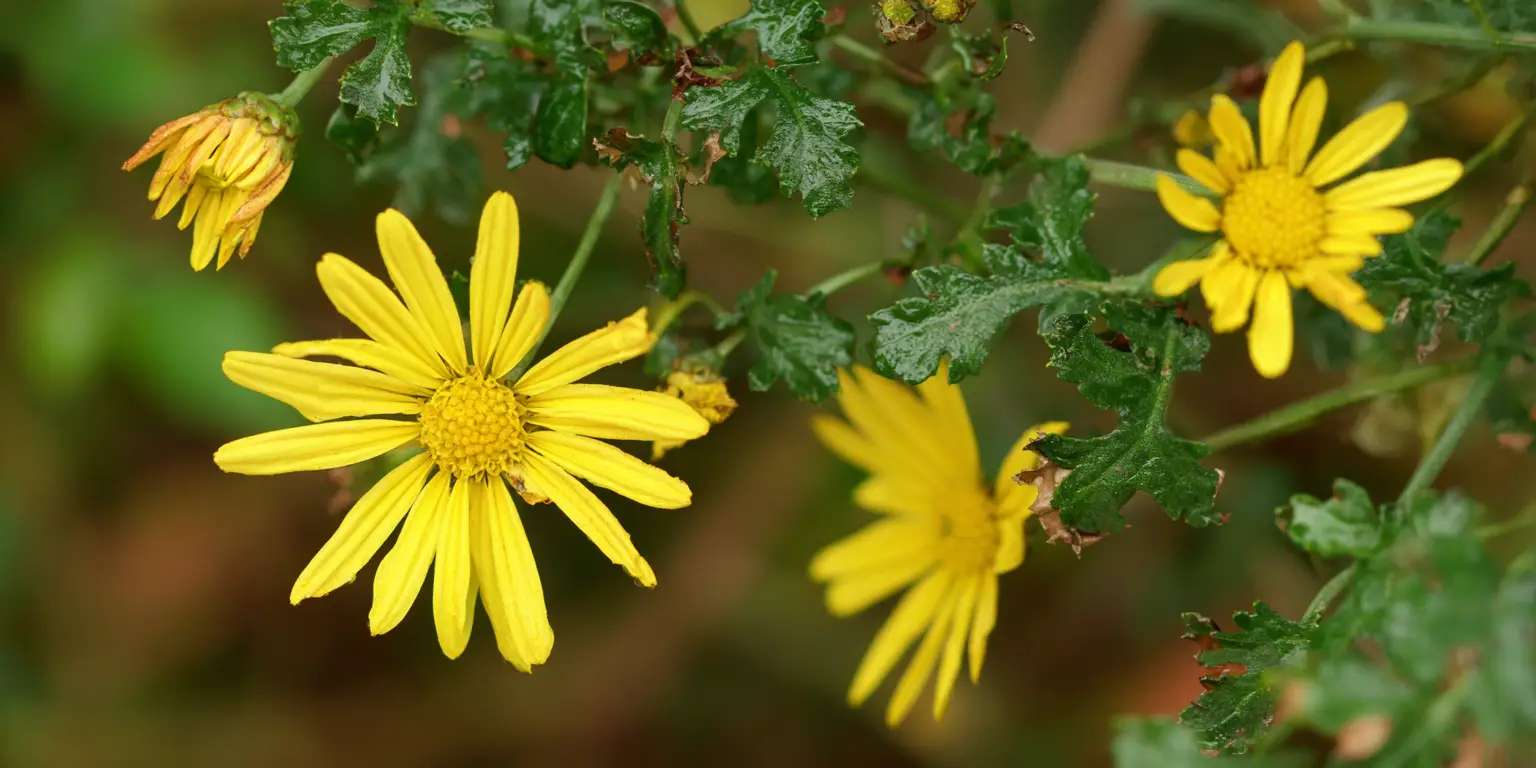
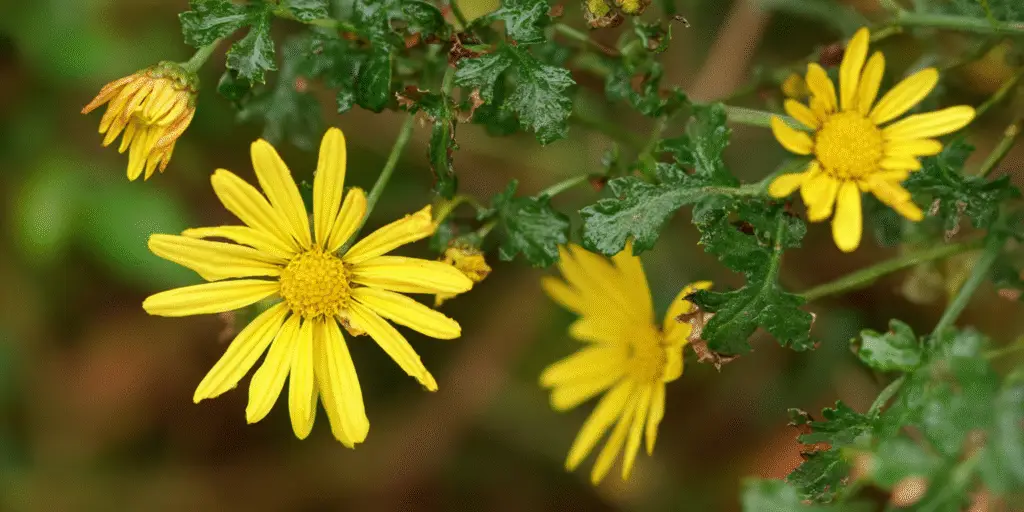
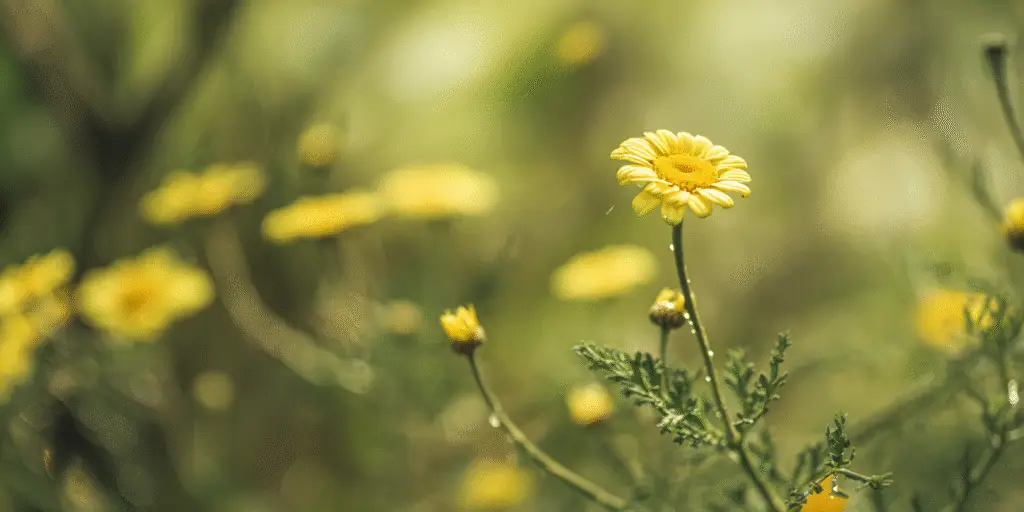
Chrysanthemum indicum is a wild species that underpins many modern garden mums. It stands out for simple yellow daisies and aromatic leaves. It performs best in full sun and well‑drained, moisture‑retentive soil. Bloom usually starts in August and often continues into October. It is grown less often than the hybrid mums in North American gardens. In colder regions it may need winter protection or lifting. Pollinators visit the single flowers readily.
At‑a‑glance
Group/Class: species chrysanthemum
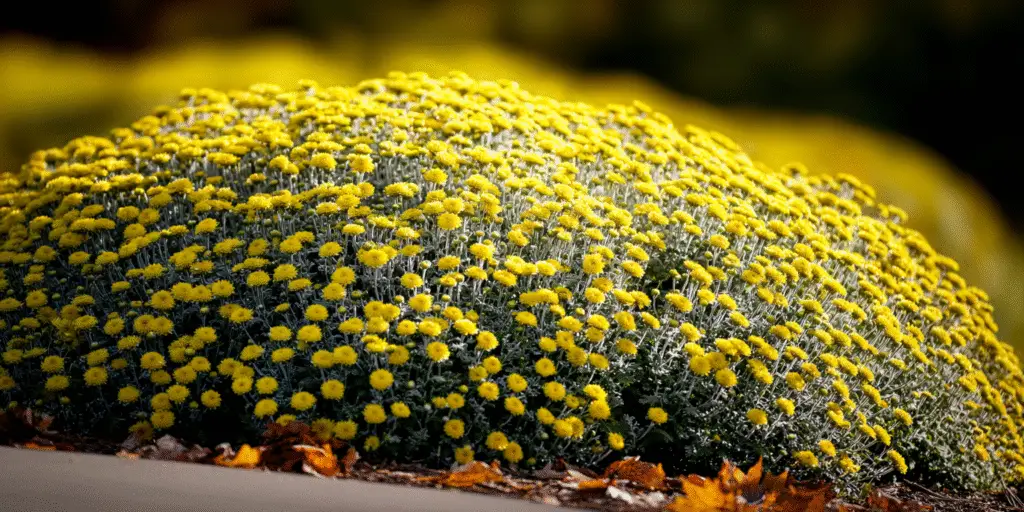
Height × spread: 24 in (60 cm) × 24 in (60 cm)
Bloom window: August to October
Color & flower form: yellow single daisies
Fragrance: 2 noticeable
USDA hardiness: unknown / varies by climate
Breeder / Year / Origin: unknown
Pet safety: avoid
How it differs
Earlier bloom than most fall garden mums.
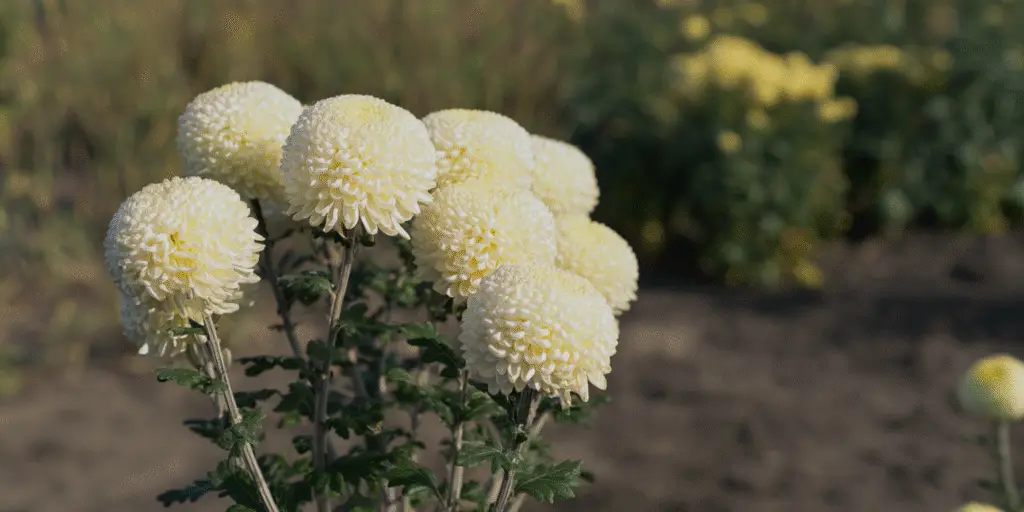
Single daisies that favor pollinators over showy doubles.
Aromatic foliage and flower heads.
Hardiness and stature vary more than standardized garden forms.
Strengths
Pollinator‑friendly single blooms.
Straightforward culture in sun and well‑drained soil.
Valuable as a breeding parent.
Care in one minute
Grow in full sun and well‑drained, fertile soil.
Water regularly in dry periods.
Pinch in early summer to encourage branching and a later, fuller show.
Mulch crowns in fall where winters are cold; lift and store if needed.
Deadhead to extend bloom and limit self‑seeding.
Watch‑outs
May need winter protection in cold climates.
Susceptible to common chrysanthemum pests and diseases including white rust.
Can sprawl without strong sun.
Best uses (tags)
borders, pollinators, naturalistic plantings, species collections
Provenance note
Native from the Himalayas through China and Korea to Japan; a principal ancestor of modern garden mums.
Written by: Your Flowers Guide editorial team We are a small independent group of flower lovers who research and review each guide using trusted horticultural and educational sources. Learn more about us