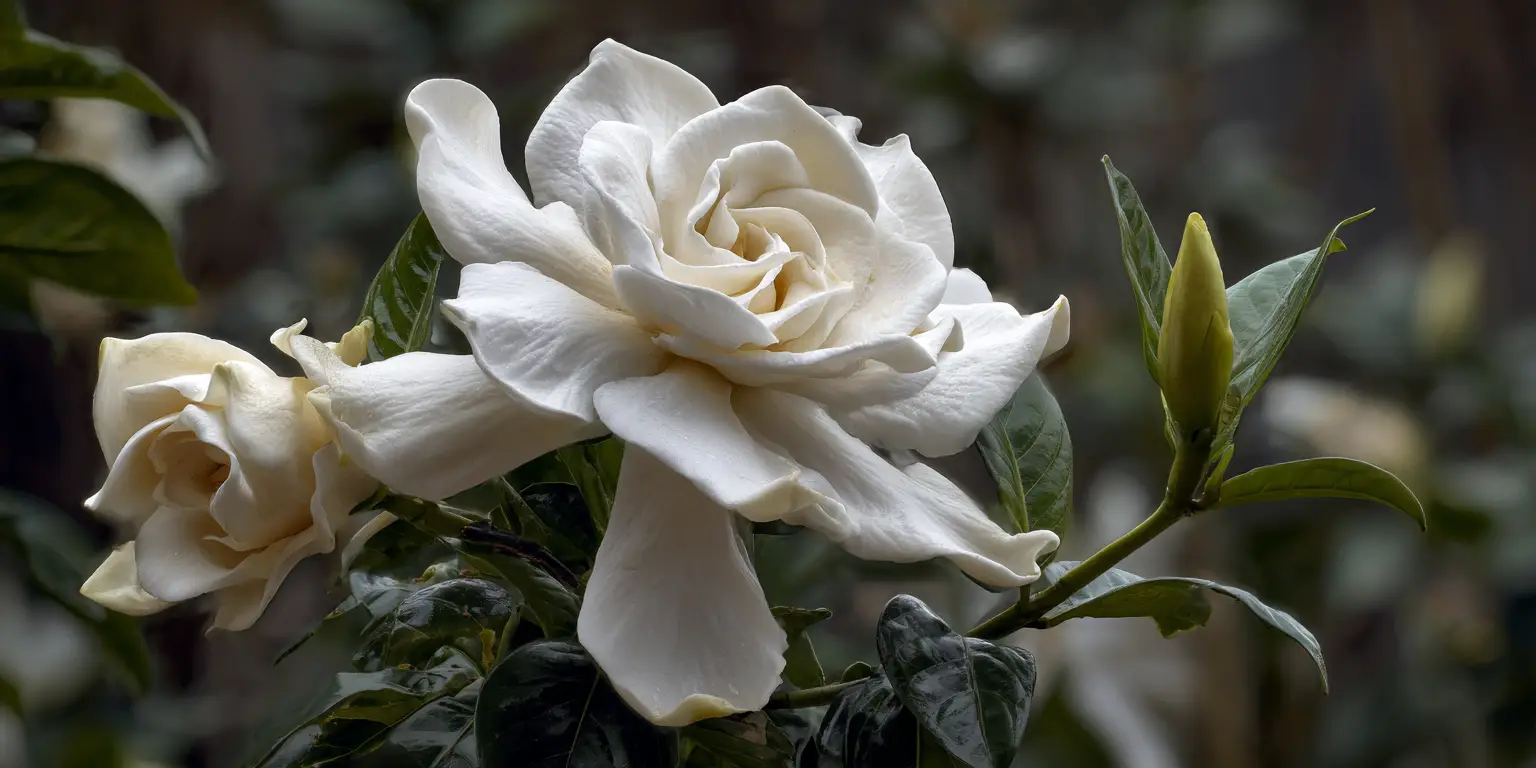
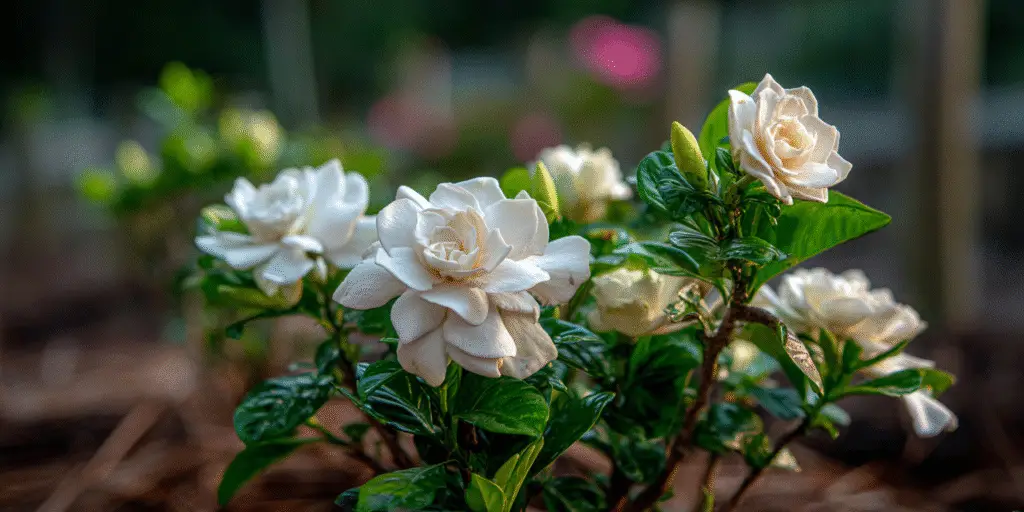
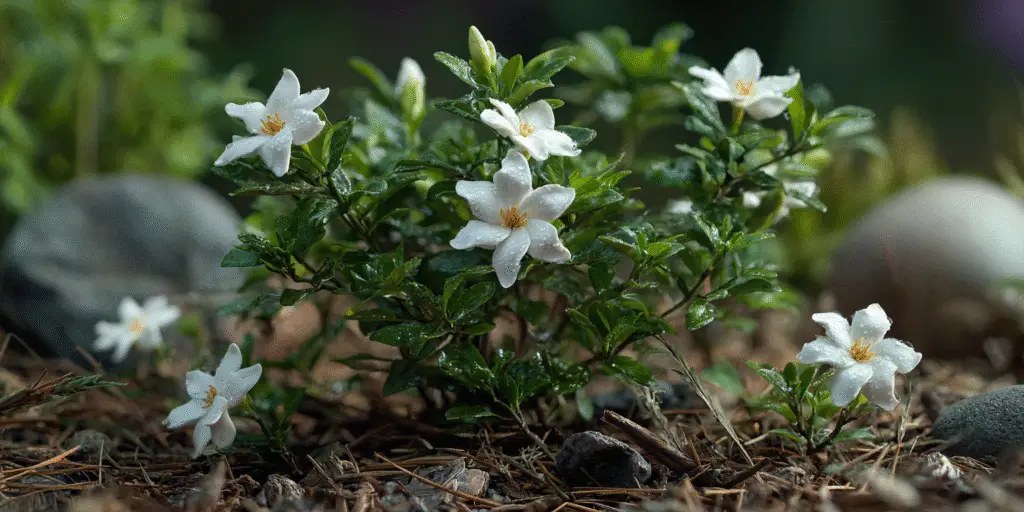
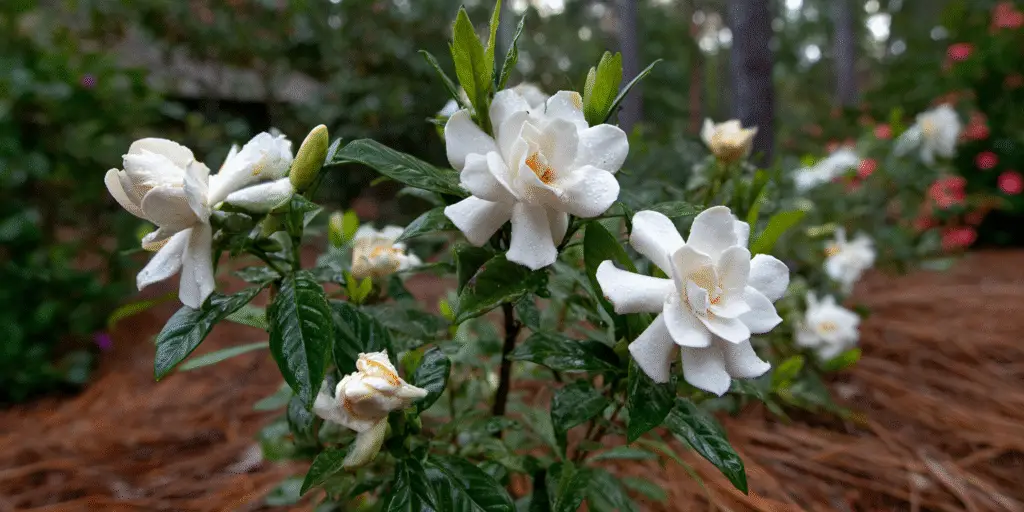
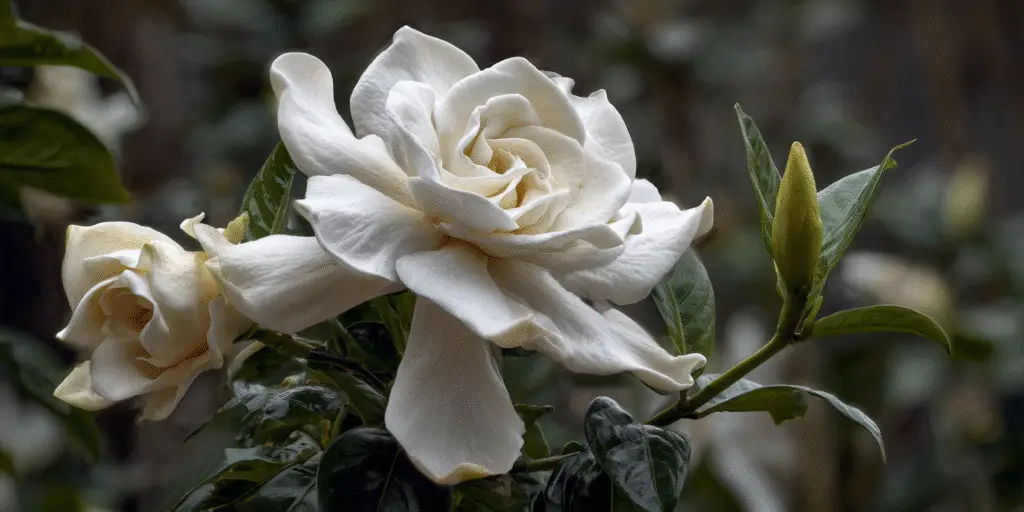
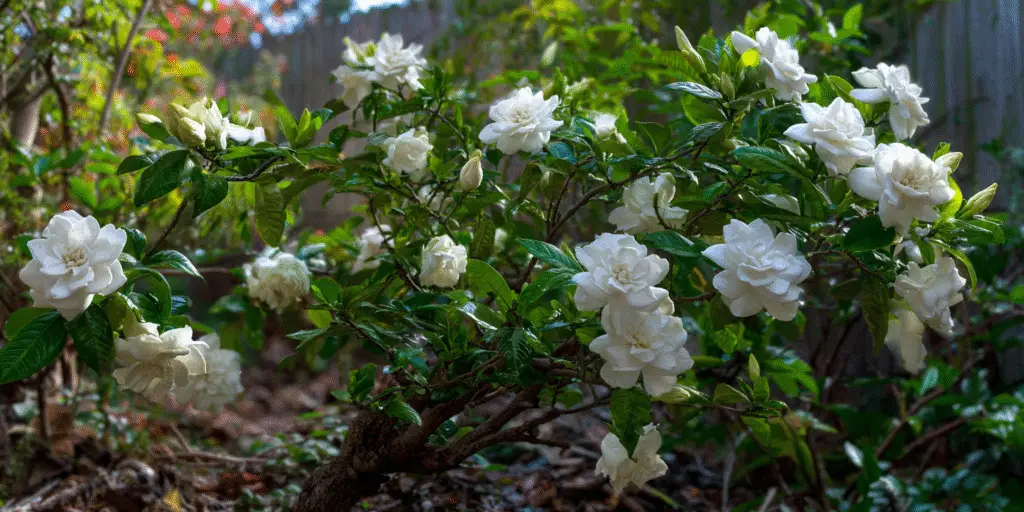
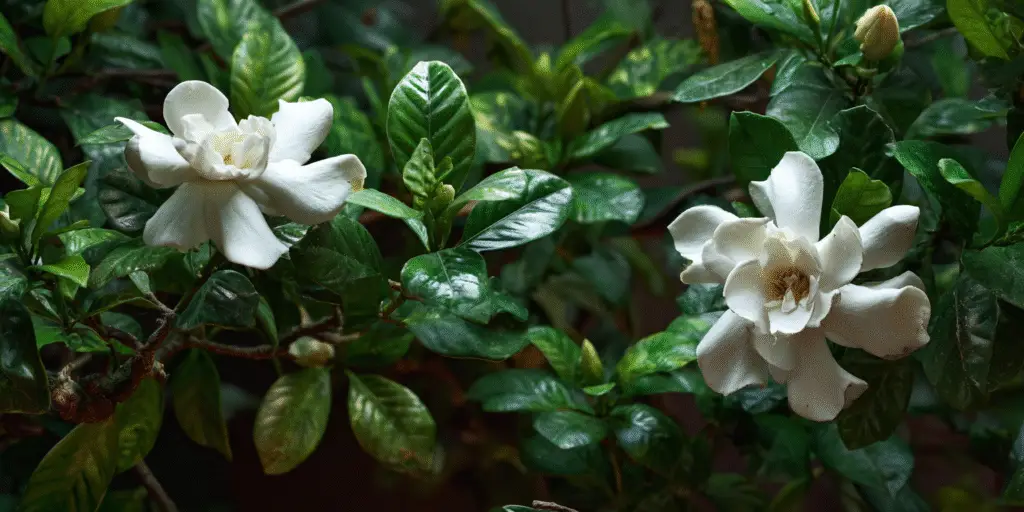
This long‑loved Gardenia jasminoides selection is known for very large double blooms. It carries flowers 4 to 5 inches wide that are strongly fragrant. It grows as a tall shrub for hedges and screens. It blooms in late spring and may flush again in warm seasons. It prefers acidic soil, steady moisture, and light afternoon shade in hot areas. It is common in the Southeast and Gulf Coast where winters are mild.
At‑a‑glance
Group/Class: Evergreen shrub
Height × spread: 5 to 8 ft × 3 to 6 ft (1.5 to 2.4 m × 0.9 to 1.8 m)
Bloom window: late spring; occasional summer flush
Color & flower form: white; double; 4 to 5 in across
Fragrance: 3 strong
USDA hardiness: zones 8 to 10 (varies by site)
Breeder / Year / Origin: unknown
Cut‑flower notes: Typical vase life is 2 to 4 days; handle petals gently to avoid bruising.
Pet safety: avoid
How it differs
Larger flowers than a typical gardenia.
Taller stature suited to screening.
Later spring bloom with strong fragrance.
Strengths
Showy corsage‑size flowers.
Performs well as a fragrant hedge in warm regions.
Sporadic rebloom in long summers.
Care in one minute
Site in morning sun with light afternoon shade.
Provide acidic, organic soil and 2 to 3 inches of mulch.
Irrigate to keep soil evenly moist, especially in heat.
Feed lightly in spring and again six weeks later with an acid‑forming fertilizer.
Prune after bloom to maintain shape and airflow.
Protect from freezing winds in the coldest parts of zone 8.
Watch‑outs
Can grow leggy without light pruning after bloom.
Sensitive to alkaline soils and hard irrigation water.
Pests and sooty mold can develop in humid weather.
Best uses (tags)
hedges, screens, cutting, entryways
Provenance note
Clemson Extension describes ‘Mystery’ as an older cultivar with very large double flowers and tall habit.
Written by: Your Flowers Guide editorial team We are a small independent group of flower lovers who research and review each guide using trusted horticultural and educational sources. Learn more about us