By the time you finish reading this, you will understand exactly why gerbera daisies test a gardener’s patience and how their specific biological needs dictate the way we plant them. Many beginners start their seed-starting projects with quick-sprouting annuals that pop up in a matter of days and forgive a multitude of mistakes. You might be used to pushing a seed into the dirt, watering it, and seeing green leaves a week later. Growing gerbera from seed requires a complete shift in expectations and a deeper understanding of how certain seeds interact with light and temperature. We have to look at the process from the seed’s perspective to understand why standard planting methods often lead to empty pots and frustration.
When you hold gerbera daisy seeds in your hand, you are looking at tiny organisms that have very specific instructions programmed into them for survival. Unlike a thick bean seed packed with energy reserves, these seeds are delicate and require careful handling. This is where many gardeners experience their first point of confusion, assuming all seeds want to be buried in the dark to germinate. If you treat a gerbera seed like a typical vegetable seed, it will simply sit in the damp soil and eventually rot. Understanding the mechanics of how these specific seeds wake up from dormancy changes the entire way you set up your planting trays.
Contents 3 sections
Understanding light dependence and surface sowing
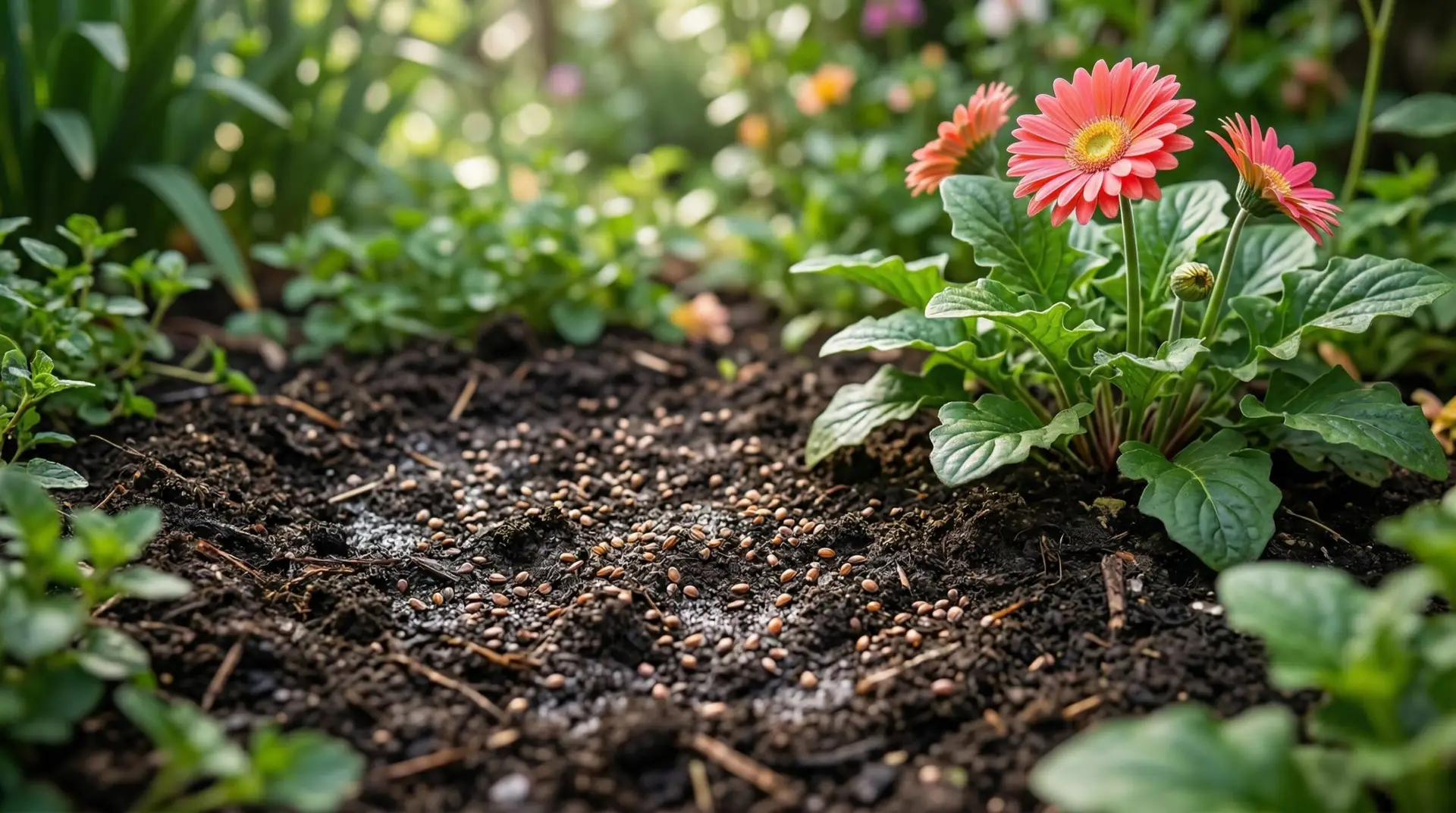
The most critical concept to grasp when planting gerbera daisy seeds is that they are light-dependent germinators. Think of the seed as a tiny solar panel that needs a direct signal from the sun to activate its internal machinery. If you cover these seeds with soil, you block that signal, and the seed assumes it is buried too deeply to survive the push to the surface. To plant them correctly, you must practice surface sowing, which means pressing the seed gently into the top of your moist potting mix without covering it at all. The goal is to create good contact between the seed and the damp soil so it can absorb water while still leaving the top of the seed completely exposed to the light.
This surface sowing technique introduces a new challenge for the indoor gardener, which is maintaining moisture without burying the seed. When a seed sits on top of the soil, it is highly vulnerable to drying out from the air circulating in your house. You have to create a microclimate that traps humidity around the seed while still allowing light to penetrate. A clear plastic dome over your seed tray acts like a miniature greenhouse, holding the moisture in the air directly above the soil surface. You will need to monitor this setup daily, misting the surface gently with a spray bottle if it looks dry, because a germinating seed that dries out for even a few hours will die.
The fourteen week schedule for early spring growth
Time is the second major factor you have to manage when growing a gerbera daisy from seed. These plants are notoriously slow starters, requiring a lead time of about fourteen weeks before they are large enough to move outside after the last frost. To put that into perspective, you might plant zinnia seeds just four weeks before your frost date and have sturdy transplants ready to go. Because gerberas need such a long head start, you will likely be setting up your seed trays in the middle of winter when outdoor gardening is completely dormant. You have to plan backward from your local frost-free date, counting back fourteen weeks to find your exact sowing weekend.
This extended timeline means your seedlings will be living indoors in artificial conditions for over three months. During this long indoor period, the young plants rely entirely on you for their light and temperature needs. You cannot rely on a sunny windowsill for fourteen weeks of winter and early spring, because the days are too short and the glass is often too cold. A dedicated grow light positioned a few inches above the seedlings will provide the consistent daily energy they need to build their root systems and leaves. The temperature should remain steadily warm, ideally around seventy degrees, which mimics the comfortable spring conditions these plants need to thrive.
It is completely normal to feel like your gerbera seedlings are stuck in suspended animation during their first month of life. They spend a massive amount of energy building a thick, fleshy root system beneath the soil before they push out significant top growth. This might seem contradictory when you are staring at tiny leaves that barely change from week to week, but the real work is happening out of sight. You have to trust the process and resist the urge to overwater or add heavy fertilizers to speed them up. Overwatering during this slow growth phase is the most common reason these seedlings fail, as their developing roots need oxygen just as much as they need water.
Choosing between seeds and plant division
As you learn about the extended timeline and specific needs of gerbera seeds, you might wonder how this compares to propagating plants you already have. Many gardeners choose to expand their gerbera collection by dividing mature plants rather than starting from scratch every year. Division involves digging up an established plant and carefully pulling the root crown apart into two or three separate pieces, each with its own roots and leaves. This method gives you an instant, large plant that will bloom much faster than a seedling. However, division requires you to already have a healthy, mature plant that has survived the previous growing season.
The main reason gardeners take on the challenge of growing gerbera from seed instead of dividing is the desire for variety and volume. When you divide a plant, you are creating an exact genetic clone of the parent, meaning the flowers will be the exact same color and shape. Seeds offer a wider genetic mix, allowing you to grow colors and variations you might not find at your local garden center. Buying a packet of seeds is also much more economical if you want to fill a large border or several patio pots. While the seeds demand more of your time and attention upfront, they reward you with a diverse collection of plants that you guided from their very first day.
If you decide to grow other flowers alongside your gerberas, you will quickly appreciate the different rhythms of the garden. You might start your gerberas in January, and then wait until April to sow fast-growing cosmos in the very same room. Managing these different timelines teaches you how to read the specific needs of each plant family rather than treating the garden as a single entity. The patience you develop while waiting for gerberas to germinate and grow will make you a more observant and careful gardener overall. This takes a season or two to get a feel for, and that is completely normal.
Ultimately, success with these slow-growing daisies comes down to understanding their basic biology and respecting their timeline. You now know that their seeds act like tiny solar panels that must remain on the surface of the soil to activate. You understand that the fourteen weeks of indoor growth are necessary for the plant to build a robust root system before it ever faces the outdoor elements. By providing steady warmth, consistent surface moisture, and bright light, you are giving these seeds exactly what they need to wake up and thrive. The core principle to take away is that gardening is rarely about forcing a plant to grow faster, but rather about creating the exact conditions that allow it to grow at its own natural pace.
More About Gerbera Daisy
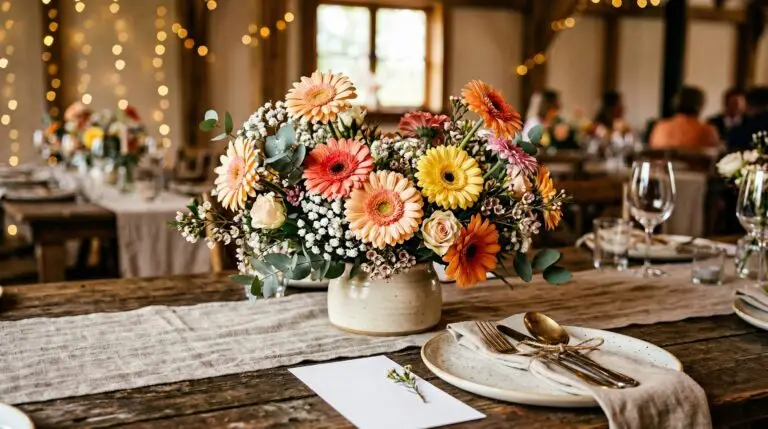
Gerbera daisies in wedding bouquets for colorful fun alternatives to traditional flowers
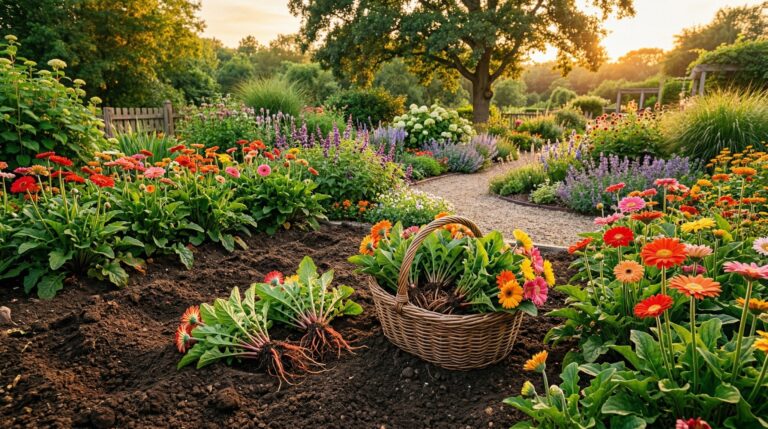
Overwintering gerbera daisies in cold climates and bringing them back year after year
Gerbera daisy meaning and why these happy flowers represent cheerfulness and joy
How to grow gerbera daisies for bold cheerful color in gardens and containers
Why gerbera daisies die indoors and the crown rot problem that kills most gift plants
Garvinea gerberas the hardy outdoor series that changed gerbera gardening forever
Best gerbera daisy colors and varieties from classic red to novel spider types
Gerbera daisies as long-lasting cut flowers and how to make them stand up straight in a vase
Enjoying our flower guides? Add YourFlowersGuide as a preferred source on Google. It helps more readers find us.
Add to Preferred Sources