Contents 4 sections
Refining the wild meadow for garden borders
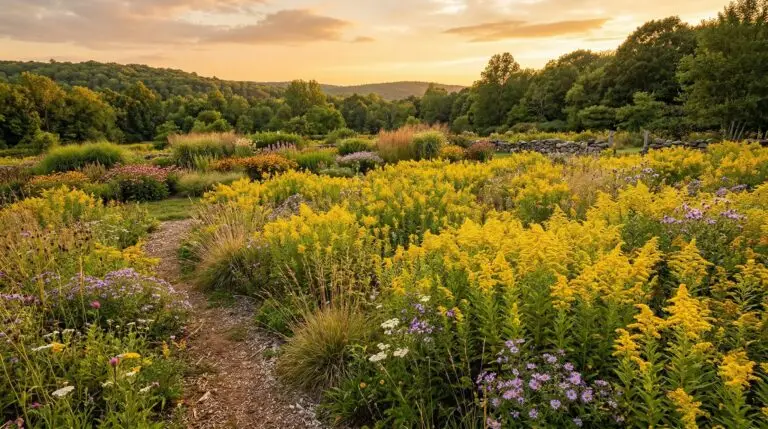
People often see goldenrod growing in wild fields and assume it belongs there, sprawling and spreading by aggressive rhizomes. Many gardeners avoid the genus entirely because they have seen the common meadow species, Solidago canadensis, swallow entire perennial borders in a single season. This wild type is magnificent in an open field but completely unsuitable for a residential garden. To bring this late-season bloomer into cultivated spaces, we must look to specific cultivars bred or selected for better manners. The best goldenrod varieties offer the same brilliant late-summer color without the thuggish behavior. Careful selection turns a potential weed problem into an autumn garden triumph.
Selecting solidago varieties requires paying close attention to both root structure and bloom form. We want clumping habits rather than running rhizomes, and we want distinct, architectural flower shapes rather than amorphous yellow blobs. Gardeners often pair these late-season bloomers with other autumn staples, and a well-behaved goldenrod makes a perfect companion for a late-flowering aster or a sturdy ornamental grass. By filtering out the aggressive species, we are left with a handful of truly exceptional plants that deserve a place in refined borders. The cultivars selected here represent the very best options for controlled, beautiful late-season color. They elevate the genus from a roadside weed to a premium perennial.
Compact selections for the front of the border
When considering compact goldenrod varieties, Little Lemon stands out as the most refined option for the very front of a garden bed. Most wild solidago towers over the garden at four or five feet tall, but this specific cultivar stays strictly under eighteen inches. The scale makes it unusually versatile, allowing it to work in small urban courtyard gardens or even mixed container plantings. Gardeners who previously lacked the square footage for these autumn bloomers find this dwarf introduction perfectly scaled for tight spaces. The flower wands are short and densely packed, creating a solid block of pale yellow rather than the typical loose spray. This lighter, lemon-yellow hue is also much easier to blend with other autumn colors than the harsh mustard tones found in wild populations.
For a slightly different aesthetic in a low-growing plant, Golden Fleece offers a distinct texture and growth habit. Discovered as a chance seedling at the Mt. Cuba Center, this variety features rounded, heart-shaped basal leaves that form an attractive semi-evergreen groundcover long before the flowers appear. When it does bloom in early autumn, the golden-yellow flower spikes arch gracefully outward rather than standing rigidly upright. The arching stems create a soft, weeping effect that looks particularly beautiful spilling over a stone retaining wall or softening the edge of a paved walkway. Golden Fleece typically reaches about two feet tall in bloom, making it substantial enough to plant alongside a mid-sized Black Eyed Susan without getting lost in the visual mix. The plant remains tightly clumped at the base, never wandering into neighboring root zones.
Structural forms for the mid-garden
Moving back into the middle of the garden bed requires plants with stronger architectural presence, and Crown of Rays provides exactly that structure. The name translates from the German cultivar name Strahlenkrone, and it describes the unique bloom form perfectly. Instead of the typical conical or arching flower heads, this variety produces flat, branching clusters of yellow blooms that radiate outward like spokes on a wheel. This horizontal floral structure creates a striking visual contrast when planted near vertical elements like tall grasses or upright perennials. The plant forms a tight, well-behaved clump that reaches about two feet tall and wide, never sending out the wandering runners that plague lesser varieties. This specific growth habit makes it highly predictable, a trait curators of tidy borders value immensely.
The rigid, upright stems of Crown of Rays also solve one of the most common complaints about garden goldenrod. Many older cultivars tend to splay open in the center or flop over completely after a heavy late-summer rain. Crown of Rays maintains its vertical integrity through severe weather, keeping the flat-topped flower clusters held high above the foliage. The dark green foliage remains clean and free of rust or mildew right up until the first hard frost. This sturdy habit makes it an excellent candidate for formal garden designs where untidy, sprawling plants would ruin the intended aesthetic. Because the blooms are held in a flat plane, they also provide an excellent landing pad for late-season pollinators foraging before winter.
The standard for elegant late-season displays
While the compact and structural varieties meet specific design needs, one cultivar consistently outperforms all others in the classic perennial border. Fireworks is a selection of the native rough-stemmed goldenrod, Solidago rugosa, and it completely redefines how this plant looks in a cultivated setting. The plant grows to a substantial three or four feet tall, yet it maintains a tight, slowly expanding clump that respects the boundaries of its neighbors. What truly sets this variety apart is the extraordinary branching structure of its flower panicles. The stems radiate outward and gently downward in long, thin threads of bright yellow blooms, looking exactly like the trailing sparks of an exploding firework. The visual effect is entirely unique within the genus.
This weeping, thread-like floral display gives Fireworks an elegance that no other solidago can match. When the autumn wind catches the tall stems, the long flower wands sway gracefully without snapping or flopping. It creates a dramatic focal point rather than just blending into the background as generic yellow filler. It pairs flawlessly with any late-season aster, creating a classic blue and yellow autumn pairing that anchors the entire garden. If you have space for only one goldenrod in your garden, Fireworks is the undisputed choice. It delivers the large-scale visual impact of the wild meadow species but pairs it with the refined form and polite behavior required of a premium garden perennial.
More About Goldenrod
Goldenrod does not cause allergies and why ragweed is the real culprit
How to grow goldenrod for brilliant golden plumes that light up the fall garden
How to keep goldenrod from spreading aggressively in cultivated garden beds
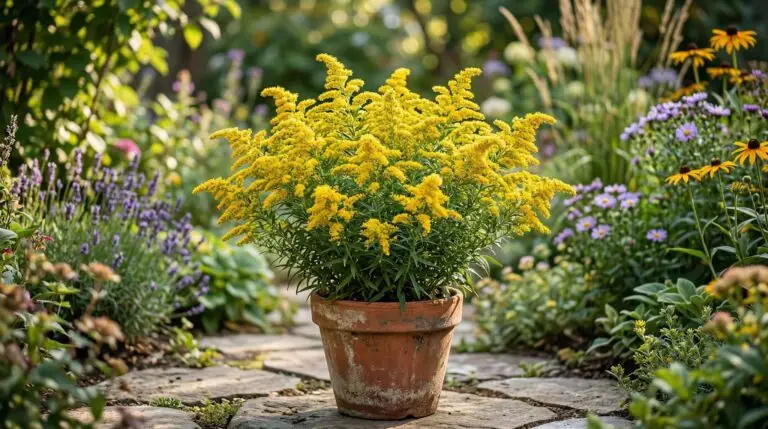
Growing goldenrod in containers for fall patio color when everything else is fading
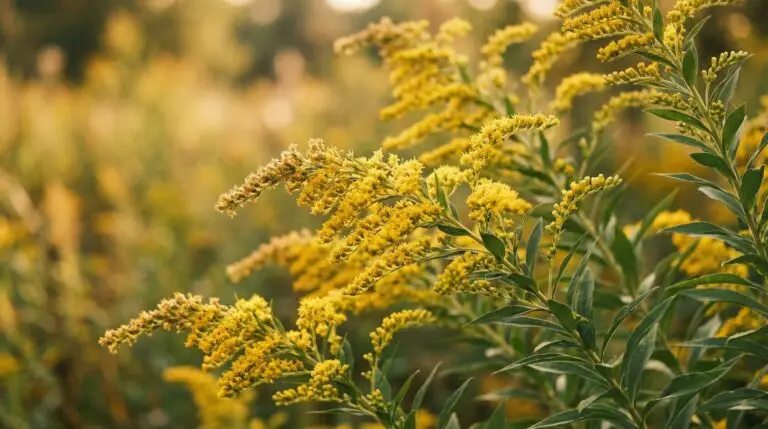
Goldenrod flower meaning and the American wildflower that nearly became the national flower
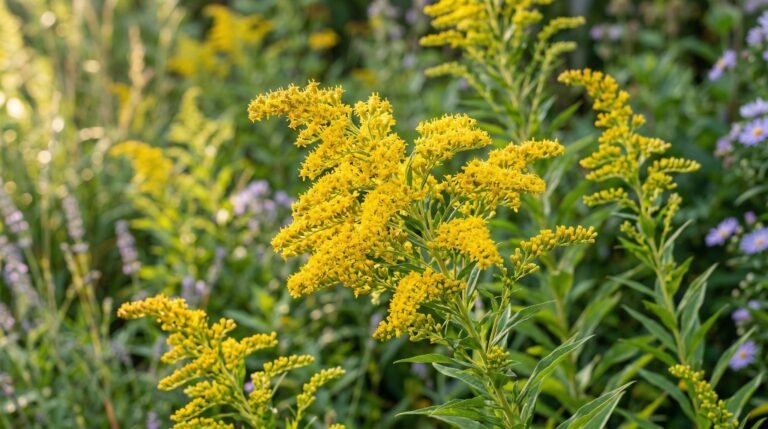
Goldenrod in dried flower arrangements for warm autumn bouquets that last all winter
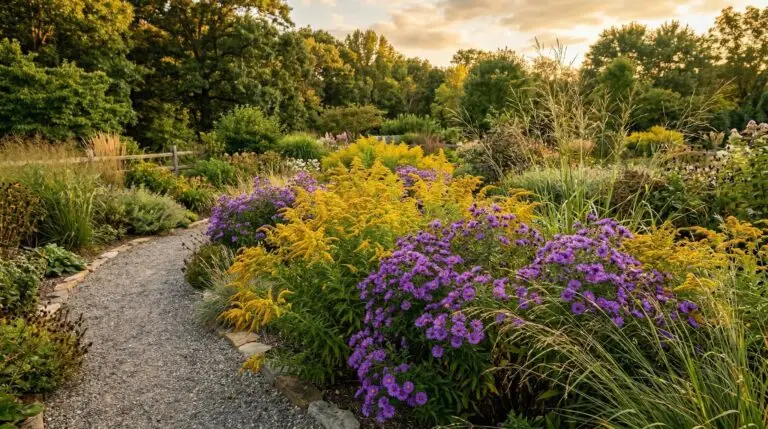
Companion plants for goldenrod: what to grow, what to avoid
Goldenrod for naturalizing in meadows and the wildflower garden it was born for
Enjoying our flower guides? Add YourFlowersGuide as a preferred source on Google. It helps more readers find us.
Add to Preferred Sources