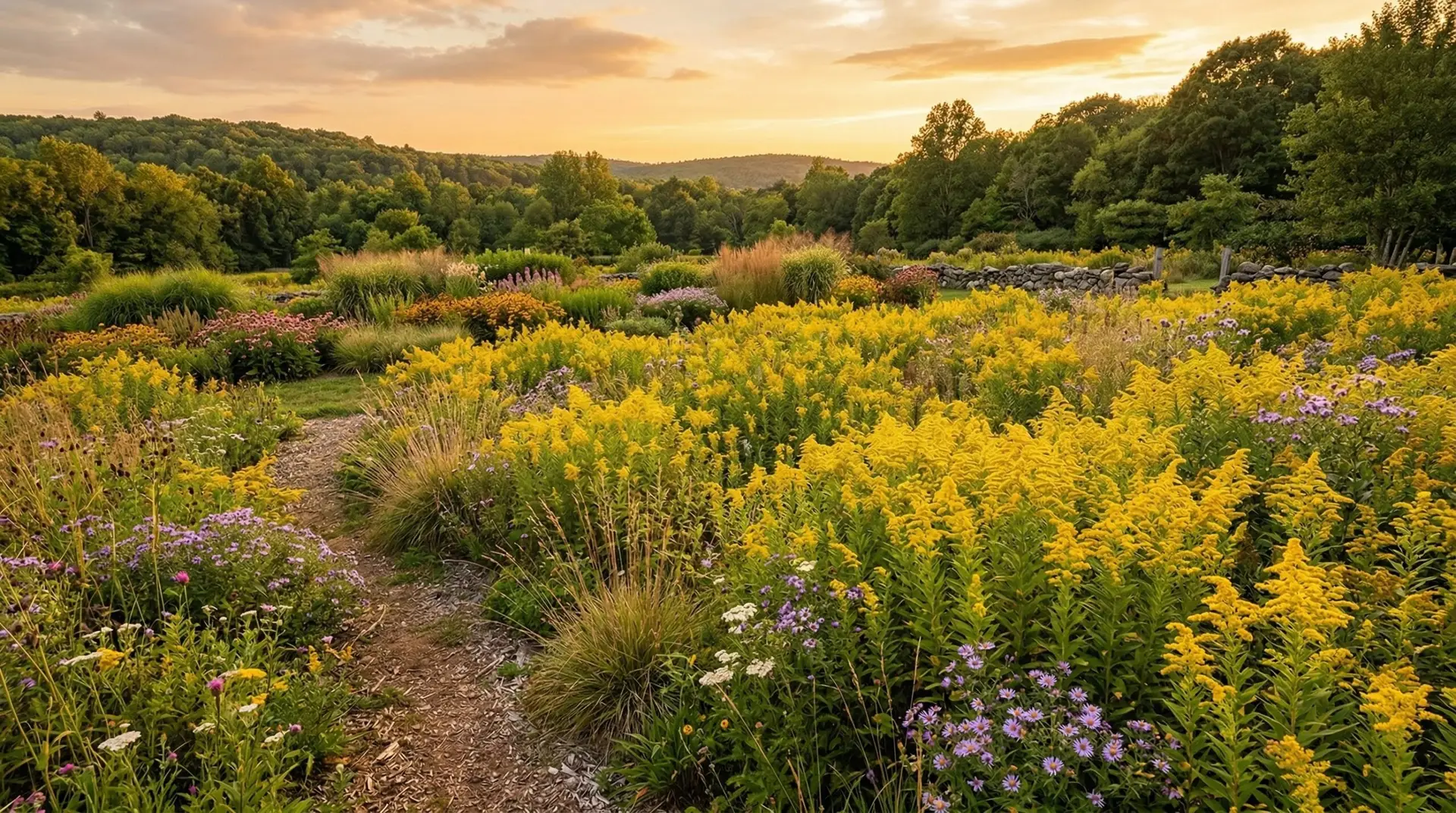
The story of a goldenrod meadow begins long before the first yellow flowers appear in autumn. When the ground is still locked in frost and the air smells like wet snow, the planning for a wild space takes root. Late winter is the time to look out over an empty stretch of lawn or an old pasture and imagine what it will become. The gardener sits indoors with seed catalogs, mapping out a space where goldenrod will naturalize and reclaim the earth. This native perennial requires a period of cold stratification to wake its seeds from dormancy, a process that mimics the harsh conditions of a natural winter. You can recreate this by mixing the dust-like seeds with damp sand in the refrigerator for several weeks. As the days lengthen imperceptibly and the chickadees change their calls, those chilled seeds prepare to break open. The anticipation builds as the snow slowly retreats from the edges of the yard.
The transition from winter planning to active planting happens quietly. The soil softens, turning from a solid block of ice into a spongy, dark mass that yields under your boots. The scent of thawing mud signals that the earth is ready to receive new life. You wait for the exact moment when the ground is workable but not completely waterlogged to begin your work.
Contents 4 sections
Early spring awakening in the meadow
When you hear the spring peepers start their chorus at night in the nearby woods, it is time to sow your goldenrod meadow. The air still holds a chill, but the sun feels noticeably warmer on your back as you walk the designated site. To establish a goldenrod wildflower area, you must first expose the bare mineral soil by lightly raking away the dead grass and winter debris. You broadcast the tiny, cold-treated seeds across the surface, walking in a grid pattern to ensure even coverage. Because goldenrod thrives in a community, this is the perfect time to scatter seeds of black eyed susan and other early successional natives alongside it. You do not bury the seeds, as they need the returning sunlight to trigger germination. You simply press them into the dirt with your boots or a lawn roller, ensuring good seed-to-soil contact. The gentle spring rains will handle the rest, washing the seeds into the tiny crevices of the earth.
By late spring, the meadow space looks like a chaotic fuzz of green. You get down on your hands and knees to inspect the tiny seedlings pushing through the crust of the soil. The goldenrod sprouts are small, with slightly serrated true leaves that look fragile against the rough ground. As the days grow longer and warmer, these small plants begin to establish their deep taproots, prioritizing underground survival over above-ground height. Weeds will inevitably appear, but a true meadow gardener learns to tolerate a certain level of wildness. You might pull out aggressive invasive species, but mostly you watch and wait as the native community finds its balance. The young goldenrod plants slowly gain strength, their leaves taking on a deeper, healthier green as they absorb the spring sunshine. They are preparing for the intense heat of the coming months.
The shift into summer brings a change in the light, turning it harsh and direct. The gentle spring rains give way to long, dry spells that test the resilience of the young meadow. The soft, fuzzy green of spring hardens into a dense, competitive thicket of stems and foliage. The garden settles into a long period of steady, quiet endurance.
Summer growth and structural shifts
By midsummer, the goldenrod stems have thickened considerably, turning tough and fibrous to support their future height. The plants shoot upward, often reaching three to six feet tall depending on the specific variety and the soil conditions. You walk through the meadow and feel the rough, sandpaper texture of the leaves brushing against your legs. The plants form dense clumps, spreading outward through underground rhizomes to claim more territory. At this stage, the meadow is a sea of green, with the goldenrod providing a sturdy architectural backbone for the space. You might see the first coneflower blooms opening lower down in the mix, adding splashes of pink and purple to the verdant expanse. The goldenrod itself remains entirely vegetative, holding its energy in reserve for the late-season show. The hot winds blow through the tall stems, creating a rustling sound that becomes the background noise of July and August.
As August arrives, the first signs of the coming transformation appear at the very tops of the goldenrod stalks. The green tips begin to branch out, forming complex, branching panicles that look like tiny, tight green balls. These are the flower buds, waiting for the days to shorten and the nights to cool before they open. The meadow hums with insect life, as wasps, beetles, and early foraging bees patrol the dense foliage. You notice the stems occasionally bending under the weight of a resting goldfinch or a passing grasshopper. The gardener’s role now is purely observational, watching the goldenrod naturalize and fill in the gaps between the other meadow plants. The soil below is shaded and cool, protected by the dense canopy of leaves that the goldenrod has created. The tension in the garden builds as the green buds slowly swell with unseen color.
The break in the heat signals the arrival of the most important season for the meadow. The morning air feels crisp, and heavy dew coats the leaves, sparkling in the lower, slanted sunlight. The green buds at the top of the stalks finally split open, revealing the bright color hidden inside. The long wait of spring and summer is immediately rewarded.
The autumn bloom and wildlife harvest
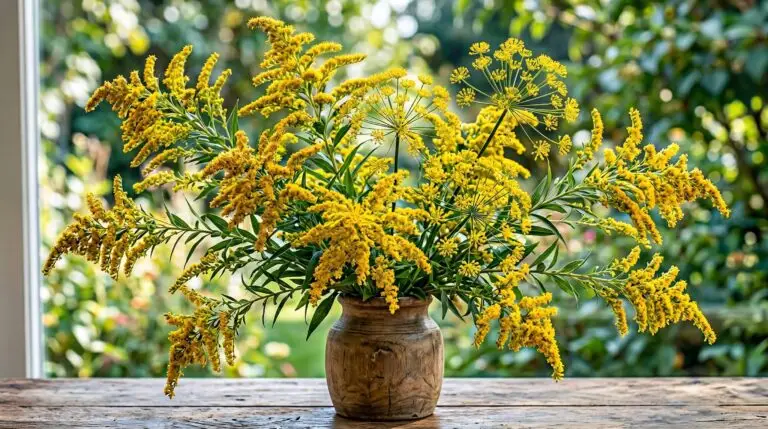
September brings the golden explosion that defines the autumn wild garden. The goldenrod bursts into full bloom, transforming the meadow into a rolling sea of bright yellow plumes. The visual impact is immediate and overwhelming, especially when the yellow flowers are paired with the cool blues and purples of native aster blooming at the exact same time. The scent of the goldenrod is heavy and slightly sweet, hanging in the cool autumn air. This is the harvest season for the local wildlife, and the meadow becomes the busiest place in the yard. Migrating monarch butterflies cover the yellow panicles, fueling up on the abundant nectar for their long flight south. Native bees work frantically from morning until dusk, collecting the heavy, sticky pollen to provision their winter nests. You stand at the edge of the meadow, listening to the loud, collective hum of thousands of insects working the flowers.
The bloom period lasts for several weeks, tracking the gradual decline of the autumn sun. As October progresses, the bright yellow flowers slowly fade to a muted mustard color, and then to a soft, fluffy tan. The seeds are forming, turning the heavy flower heads into delicate wands of white fluff that catch the afternoon light. The insects disappear as the first light frosts coat the meadow in white ice crystals. The goldenrod stems turn woody and dark, their leaves drying out and curling inward against the cold. The garden has finished its active growth, but it remains a vital resource for the birds that stay through the colder months. Sparrows and finches land on the dry stalks, picking the tiny seeds from the fluffy heads and scattering the remainder across the ground to naturalize further. The meadow takes on a quiet, structural beauty, defined by the shapes of the dead stems against the gray sky.
The transition into winter is marked by the first hard freeze that permanently blackens the remaining vegetation. The living meadow of September is now a dormant field of brown and gray stalks. The wind howls through the dry stems, snapping the weakest ones and bending the rest toward the frozen earth. The active gardening year is completely over.
Winter rest and renewing the cycle
Winter in the goldenrod meadow is a time of necessary rest and deliberate neglect. A traditional gardener might be tempted to cut down the dead stalks and clean up the debris, but a meadow requires a different approach. You leave the goldenrod standing tall through the snow, providing necessary winter cover for insects that overwinter in the hollow stems. The brown, structural forms create visual interest in an otherwise flat, white expanse, catching the snow in small drifts. You wait until the very end of winter, just before the spring peepers return, to perform the annual mowing. This late mowing schedule allows the seeds to drop naturally and the wildlife to utilize the cover for as long as possible. You set the mower deck high, chopping the dead stalks into a coarse mulch that will feed the soil as it decays. The ground is clear once again, but the earth below is far from empty.
Beneath the frozen surface, the goldenrod roots are thick, healthy, and entirely alive. The plants have spent the last year storing energy deep in their rhizomes, preparing for the moment the soil warms again. The seeds that fell during the winter storms are now undergoing their own cold stratification, getting ready to expand the meadow’s reach. You walk over the freshly mowed ground, feeling the firm earth under your boots and knowing the cycle is about to repeat. The goldenrod has successfully naturalized, shifting from a collection of individual seeds into a permanent, self-sustaining plant community. The winter air feels sharp, but the days are slowly starting to stretch out again. And then, just as the last patches of snow melt into the mud, the roots below are already pushing the first green shoots toward the spring light.
More About Goldenrod
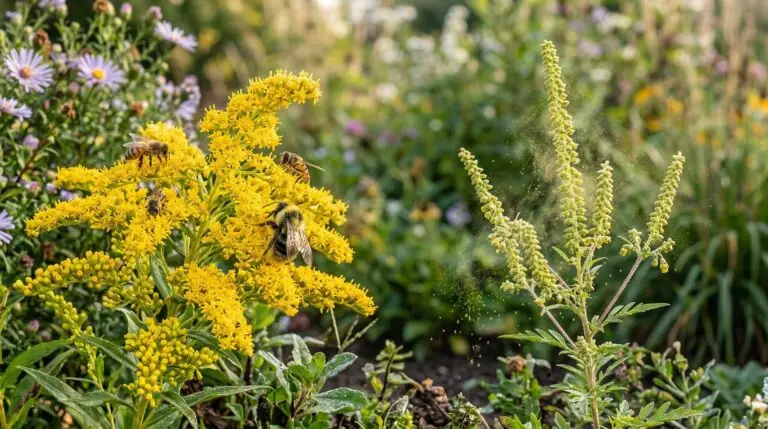
Goldenrod does not cause allergies and why ragweed is the real culprit
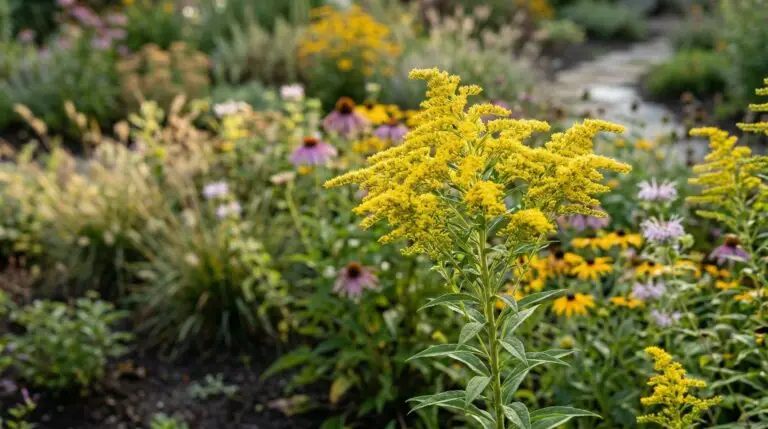
How to grow goldenrod for brilliant golden plumes that light up the fall garden
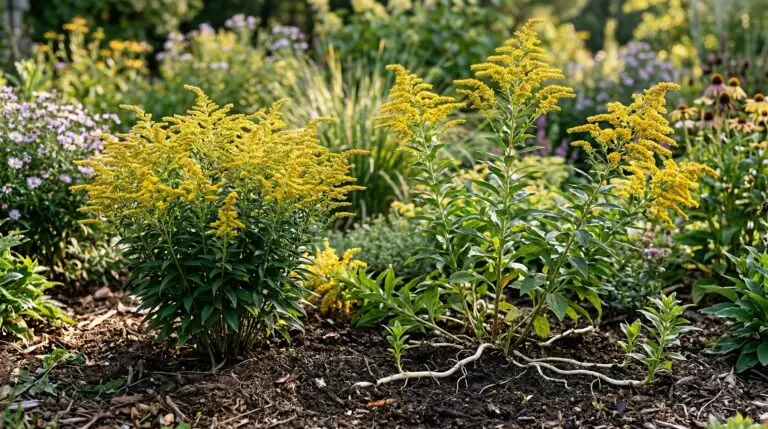
How to keep goldenrod from spreading aggressively in cultivated garden beds
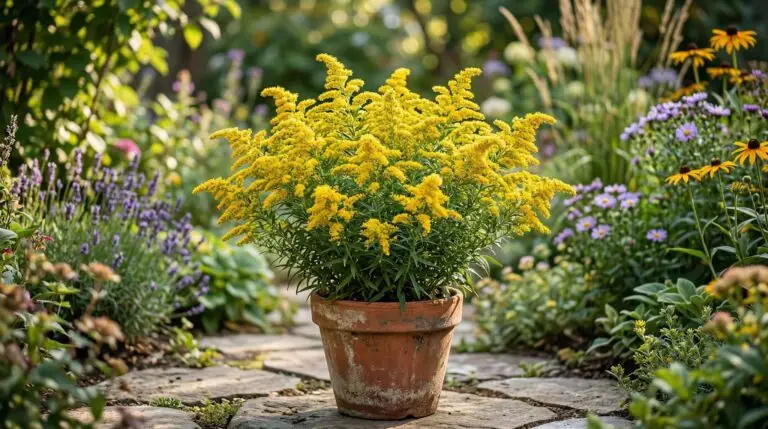
Growing goldenrod in containers for fall patio color when everything else is fading
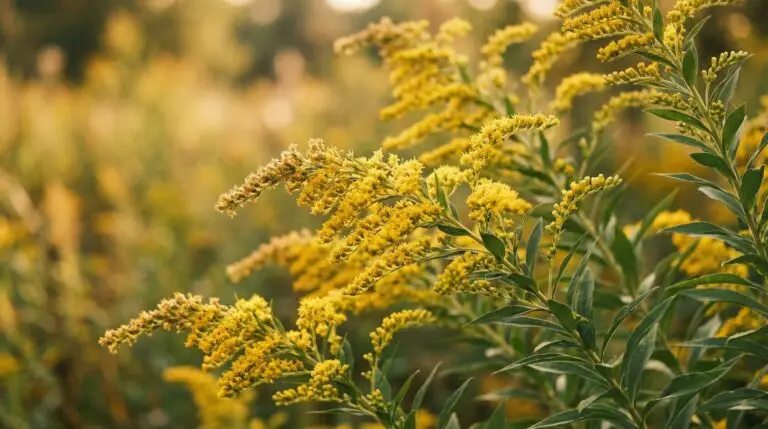
Goldenrod flower meaning and the American wildflower that nearly became the national flower
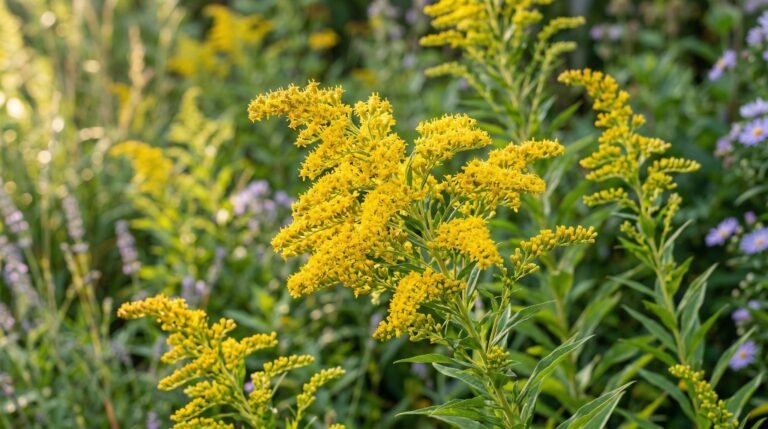
Goldenrod in dried flower arrangements for warm autumn bouquets that last all winter
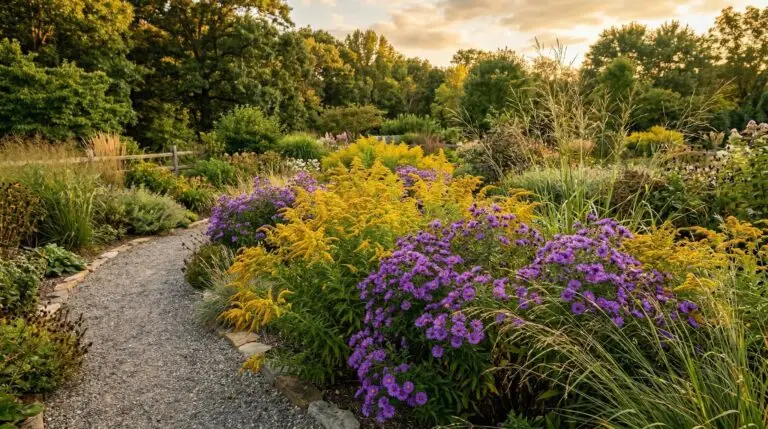
Companion plants for goldenrod: what to grow, what to avoid
Best goldenrod varieties for gardens from compact Little Lemon to elegant Fireworks
Enjoying our flower guides? Add YourFlowersGuide as a preferred source on Google. It helps more readers find us.
Add to Preferred Sources