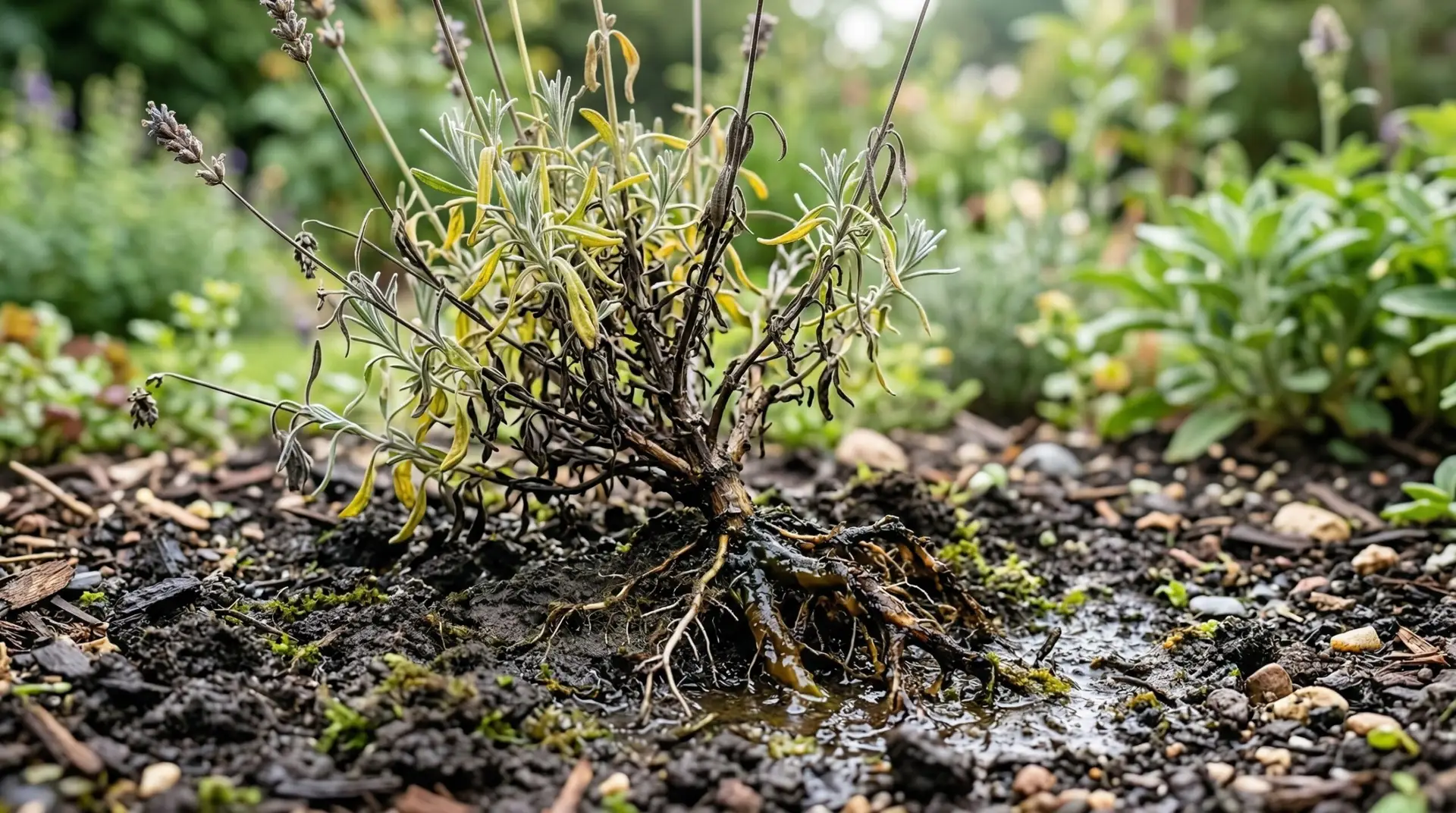
Most home gardeners in humid climates share the exact same frustrating experience with lavender. You buy a healthy, sweet-smelling purple plant from the garden center in April and put it in your front bed. By late July, the center of the plant turns brown, the stems slump over, and the whole thing slowly shrivels into a brittle gray mess. People often assume the summer heat baked their plant to death, so they rush out with the watering hose to save it. Adding more water is the exact opposite of what the plant actually needs at that moment. The real killer in southern summers and humid zones is not the temperature, but rather the heavy moisture suffocating the roots and breeding fungal diseases on the foliage.
Lavender originates in the rocky, dry, and windy conditions of the Mediterranean region. These plants are genetically programmed to thrive in poor soil that drains instantly and in air that stays bone dry. When you drop them into dense clay soil and subject them to the thick, humid air of a southern summer, their root systems literally begin to drown. The combination of warm nights, high humidity, and damp soil creates the perfect breeding ground for Phytophthora root rot. Once this fungal infection takes hold of the root system, the plant cannot take up water or nutrients, which is ironically why the foliage looks wilted and dried out.
Contents 4 sections
Why your lavender turns gray and dies in summer
When your lavender plant suddenly flops open in the middle and the inner stems turn dark brown or gray, you are looking at the classic signs of root rot and crown rot. This happens because moisture gets trapped against the woody base of the plant, rotting the central stems where they meet the soil. Gardeners often misinterpret this slumping and graying as a sign of underwatering because the plant looks thirsty. If you dig up a dying lavender plant, you will usually find that the roots are black and mushy rather than firm and white. The fix for this problem requires completely changing how you prepare the planting site before the plant ever goes into the ground.
Wood mulch is another major culprit that kills lavender in humid climates. Gardeners naturally want to spread a thick layer of pine bark or hardwood mulch around their landscape plants to suppress weeds and retain moisture. For lavender, retaining moisture at the soil surface is a death sentence. Wood mulch holds water like a wet sponge resting right against the sensitive crown of the plant, trapping humidity and preventing the soil from breathing. If you want your lavender to survive the summer, you must pull all organic mulch at least a foot away from the base of the plant.
How to prepare your soil for humidity survival
You cannot control the humidity in the air, but you can absolutely control how quickly water moves away from your plant’s roots. The most reliable way to keep lavender alive in the South or any humid region is to plant it in a raised bed or on a significant mound of soil. Elevating the root zone by just six to eight inches above the native grade allows gravity to pull excess rainfall away from the crown. You need to mix coarse sand, small gravel, or perlite into your planting mound to ensure the water runs straight through. If you have heavy clay soil, do not even try to plant lavender directly in the ground without building it up first.
Replacing wood mulch with gravel or crushed stone is the second essential step for preparing your planting site. A two-inch layer of pea gravel or white stone around the base of the lavender reflects heat up into the plant and keeps the crown completely dry. The stone mulch creates a dry barrier between the damp soil and the woody stems, stopping crown rot before it can start. This simple adjustment mimics the rocky Mediterranean hillsides where the plant evolved and drastically improves its survival rate in wet climates. If you are tired of losing plants every August, making the switch to stone mulch will solve half of your problems.
Choosing the right varieties for southern gardens
Even with perfect soil preparation, traditional English lavender varieties like Munstead or Hidcote will struggle to survive a deeply humid summer. Plant breeders recognized this frustration and eventually developed hybrid varieties specifically designed to handle heat and humidity without rotting. The variety called Phenomenal has become the standard recommendation for southern gardeners because it actively resists the root rot and foliar diseases that kill older varieties. Phenomenal grows into a large, uniform mound and handles the extreme temperature swings of a humid summer far better than its English cousins. Choosing a resilient hybrid like this gives you a distinct advantage before you even dig the hole.
Spanish lavender is another excellent option for gardeners dealing with intense summer heat, though it looks quite different from the classic types. You can identify Spanish lavender by the distinctive petals that stick up from the top of the flower heads, resembling little purple rabbit ears. This type handles hot weather beautifully and blooms earlier in the spring, often taking a break during the worst of the summer heat before blooming again in the fall. While it still demands excellent drainage, it will not simply give up and die when the temperatures climb into the upper nineties. If you find that even the toughest lavender varieties fail in your specific yard, you might need to look at alternatives with a similar look, like Russian sage, which handles poor clay soil and high humidity with ease. Another tough purple option is catmint, which provides the same sprawling, soft purple aesthetic but tolerates heavy summer rains without rotting.
Watering rules to prevent root rot
The quickest way to kill a newly planted lavender in a humid climate is to put it on an automatic irrigation system that waters it every day. These plants need deep, infrequent watering to establish their root systems, followed by long periods of dry soil. Before you give your plant a drink, you must physically stick your finger two inches down into the soil near the root ball. If the soil feels even slightly damp at that depth, walk away and check again in a few days. When you do water, apply the moisture directly to the soil around the drip line of the plant, keeping the leaves and the woody center completely dry.
The single most useful piece of advice I can give anyone trying to grow lavender in a humid climate is to plant it high and keep it dry. Think of the planting hole as a pedestal rather than a bowl, setting the root ball slightly higher than the surrounding soil line so water always runs away from the stem. Combine that elevated planting technique with a thick layer of crushed gravel mulch right up to the base of the plant. If you select a tough variety like Phenomenal, elevate the roots, and use stone instead of wood mulch, you will finally see your plants survive the summer and thrive for years to come.
More About Lavender
Lavender flower meaning and why this herb has calmed humanity for thousands of years
Harvesting and drying lavender at the perfect moment for the strongest fragrance
How to grow lavender for fragrant purple spikes and the Mediterranean garden of your dreams
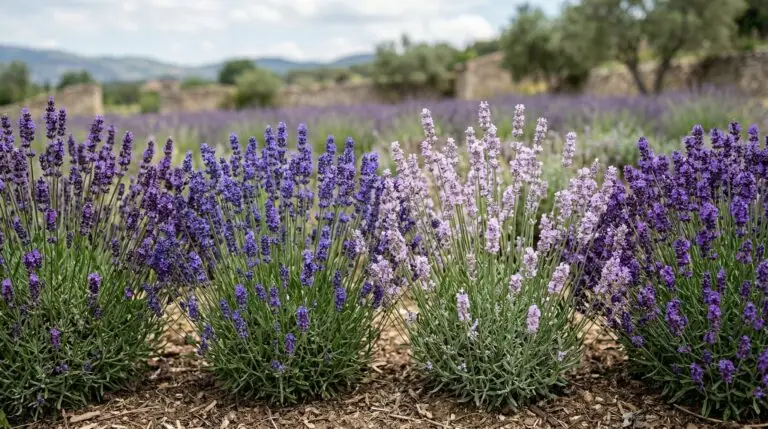
Best lavender varieties from English Hidcote to French Provence and Spanish butterfly types
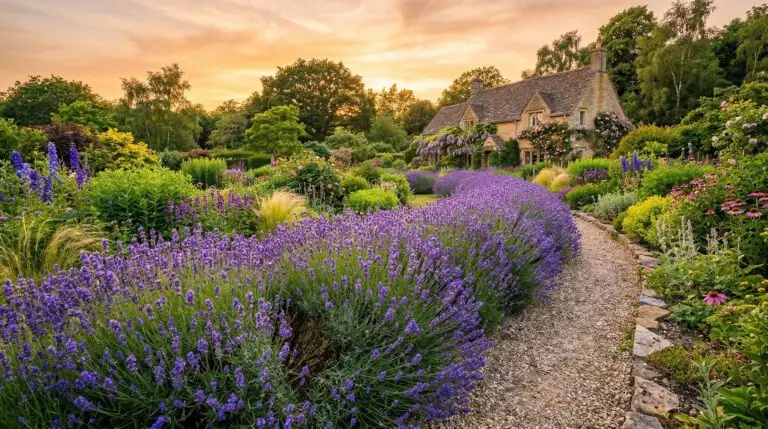
Pruning lavender at the right time to prevent woody bare stems and keep plants compact
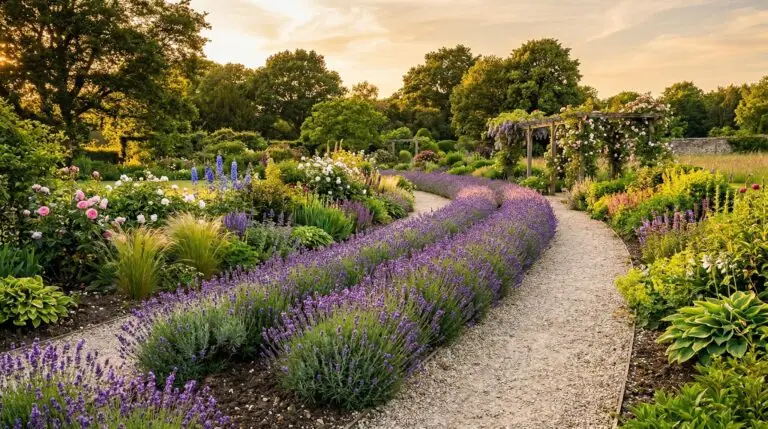
Designing a lavender hedge border that lines your garden path with fragrance
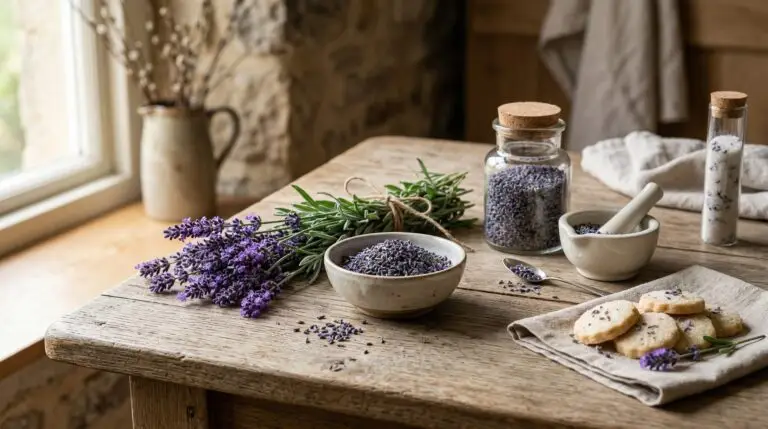
Cooking with lavender from herb-crusted lamb to lavender lemonade and shortbread
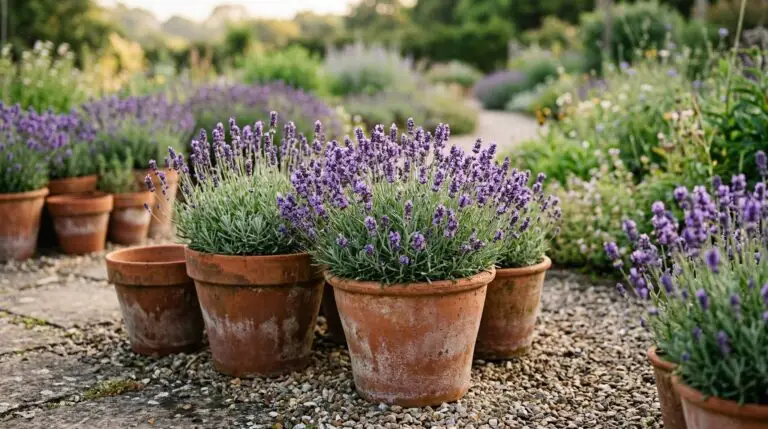
Growing lavender in containers for fragrant patio and balcony gardens
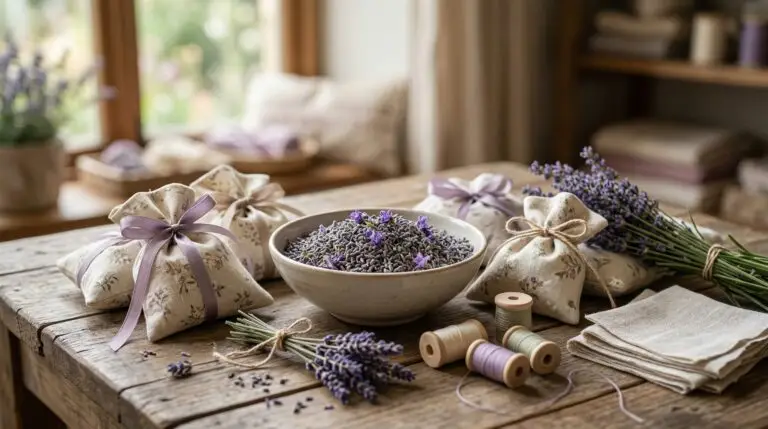
Lavender sachets potpourri and dried flower crafts using your garden harvest
Enjoying our flower guides? Add YourFlowersGuide as a preferred source on Google. It helps more readers find us.
Add to Preferred Sources