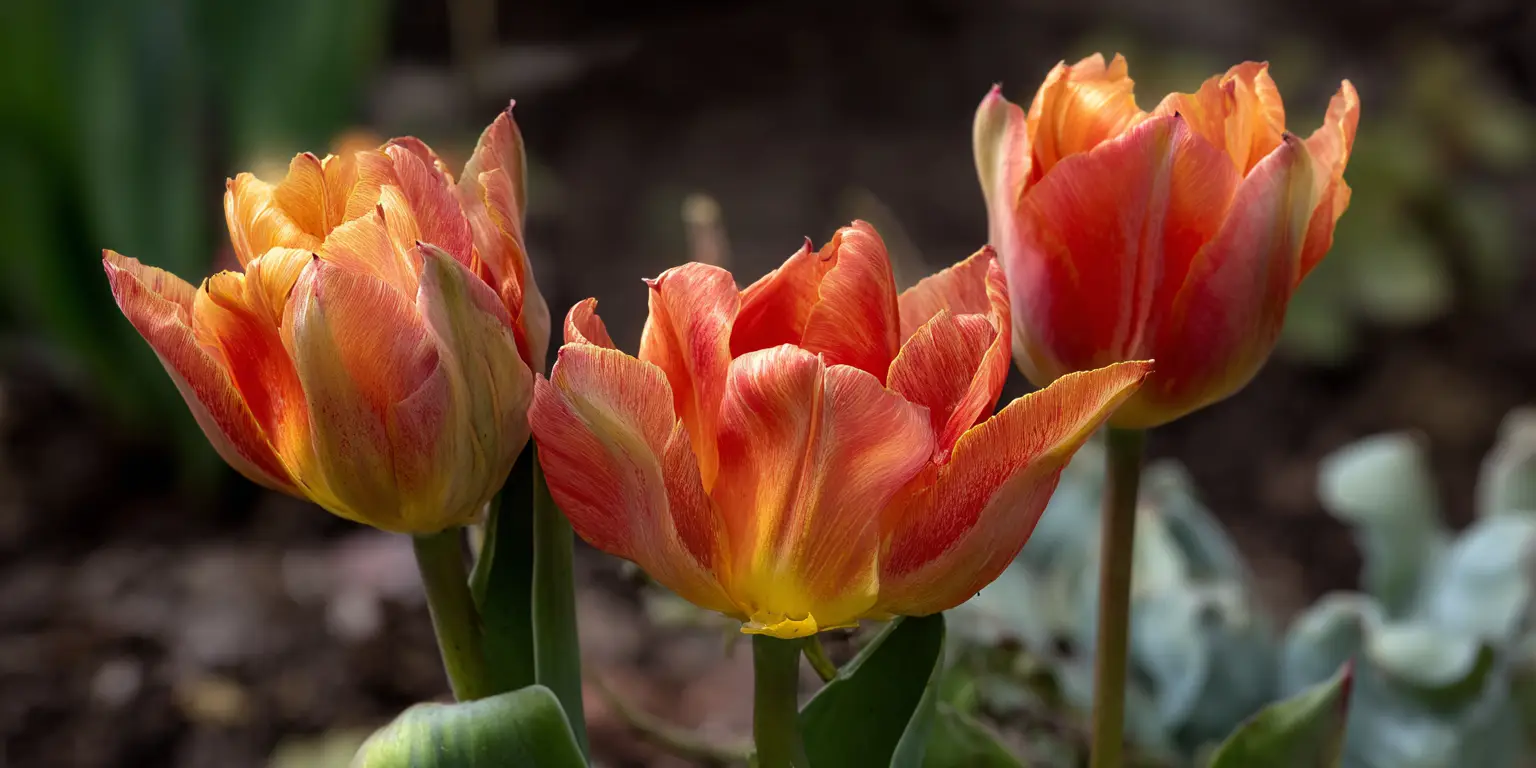
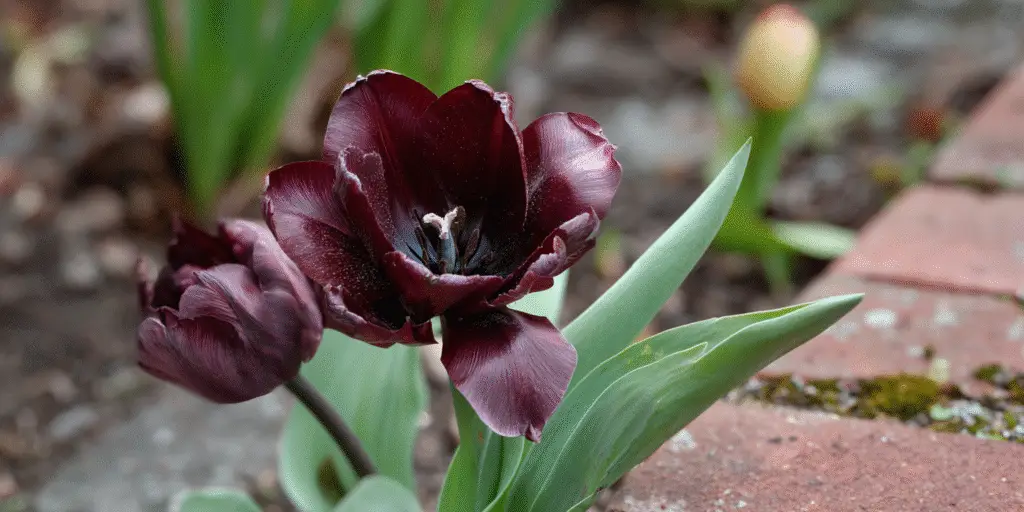
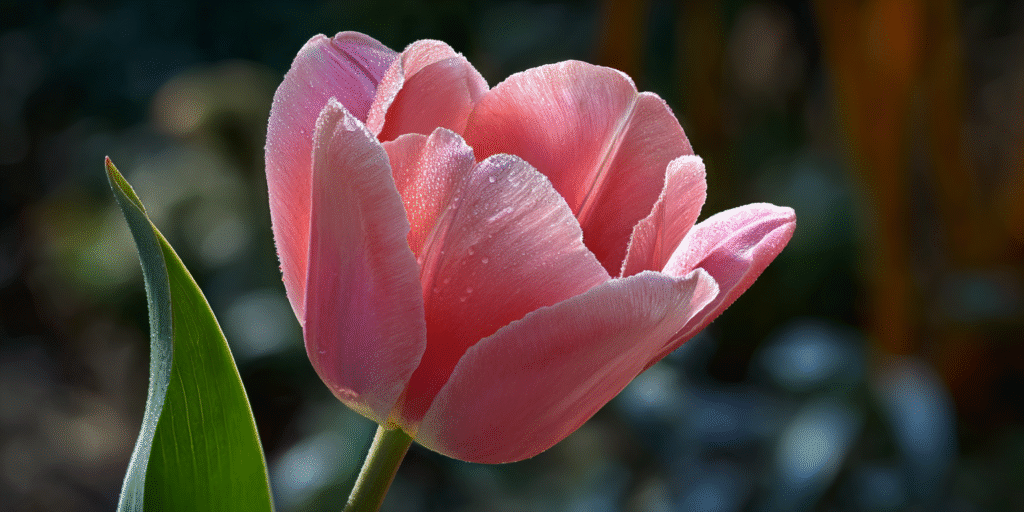
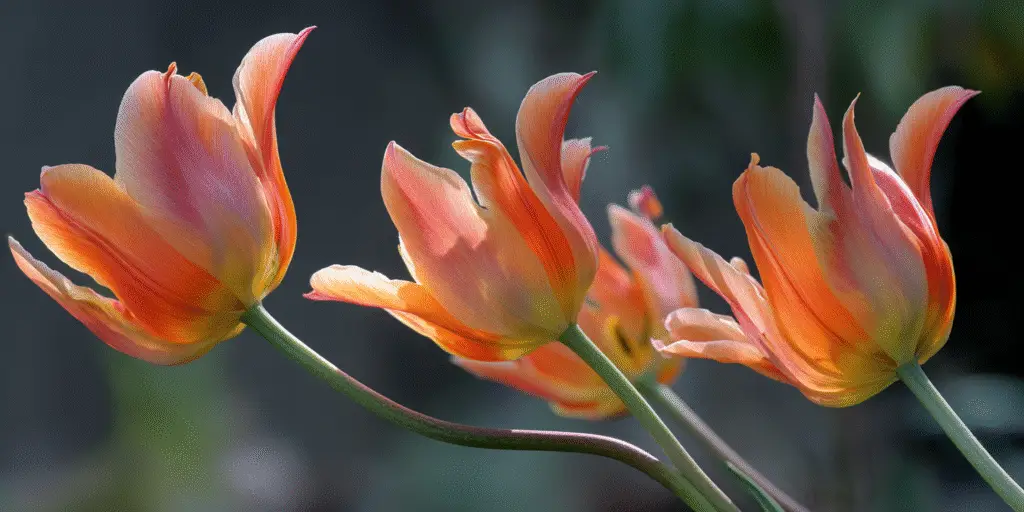
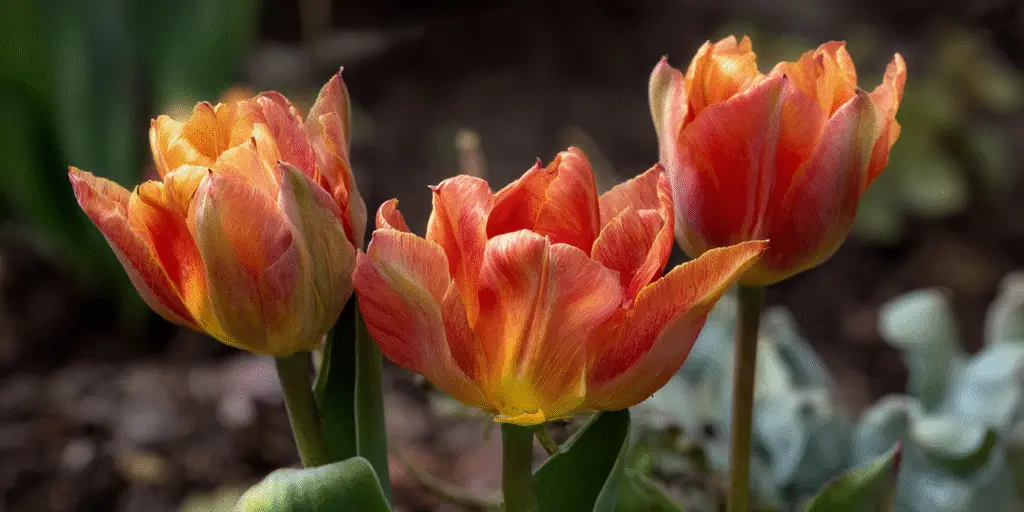
A Fosteriana Group tulip with very large, early red flowers and broad gray‑green foliage. Opens flat in sun and blooms before many garden hybrids. Shorter than Darwin Hybrids but impactful due to flower size. Performs in USDA zones 3 to 8; valued for early color and naturalizing in cold regions.
At‑a‑glance
Group/Class: Fosteriana (Emperor)
Height × spread: 14–18 in (35–45 cm) × 4–6 in (10–15 cm)
Bloom window: early spring
Color & flower form: vivid red; single with black and yellow basal blotch
Fragrance: 0 none
USDA hardiness: zones 3 to 8
Breeder / Year / Origin: unknown
Awards/registration: synonym registered as ‘Madame Lefeber’ (RHS)
Cut‑flower notes: very large blooms on sturdy stems; about 5–7 days in vase
Pet safety: avoid
How it differs
Earlier than most garden tulips.
Very large flowers on shorter stems.
Broad, often mottled leaves unlike many hybrids.
Strengths
Strong early‑season impact.
Good for naturalizing in cold regions.
Dependable stems for cutting.
Care in one minute
Full sun; well‑drained, moderately fertile soil.
Plant 6–8 in deep; water after planting.
Balance spring moisture with drainage; keep bulbs dry in summer.
Feed lightly as leaves emerge; allow foliage to ripen fully.
Replant annually in warm‑winter regions after pre‑chilling.
Watch‑outs
Flowers can open very flat in hot sun, shortening display.
Bulbs decline in heavy, wet soils; ensure sharp drainage.
Vulnerable to browsing and bulb predation by wildlife.
Best uses (tags)
early beds, mass planting, cutting, naturalizing in cold regions, borders
Provenance note
A long‑grown Fosteriana selection valued for early, oversized blooms.
Written by: Your Flowers Guide editorial team We are a small independent group of flower lovers who research and review each guide using trusted horticultural and educational sources. Learn more about us