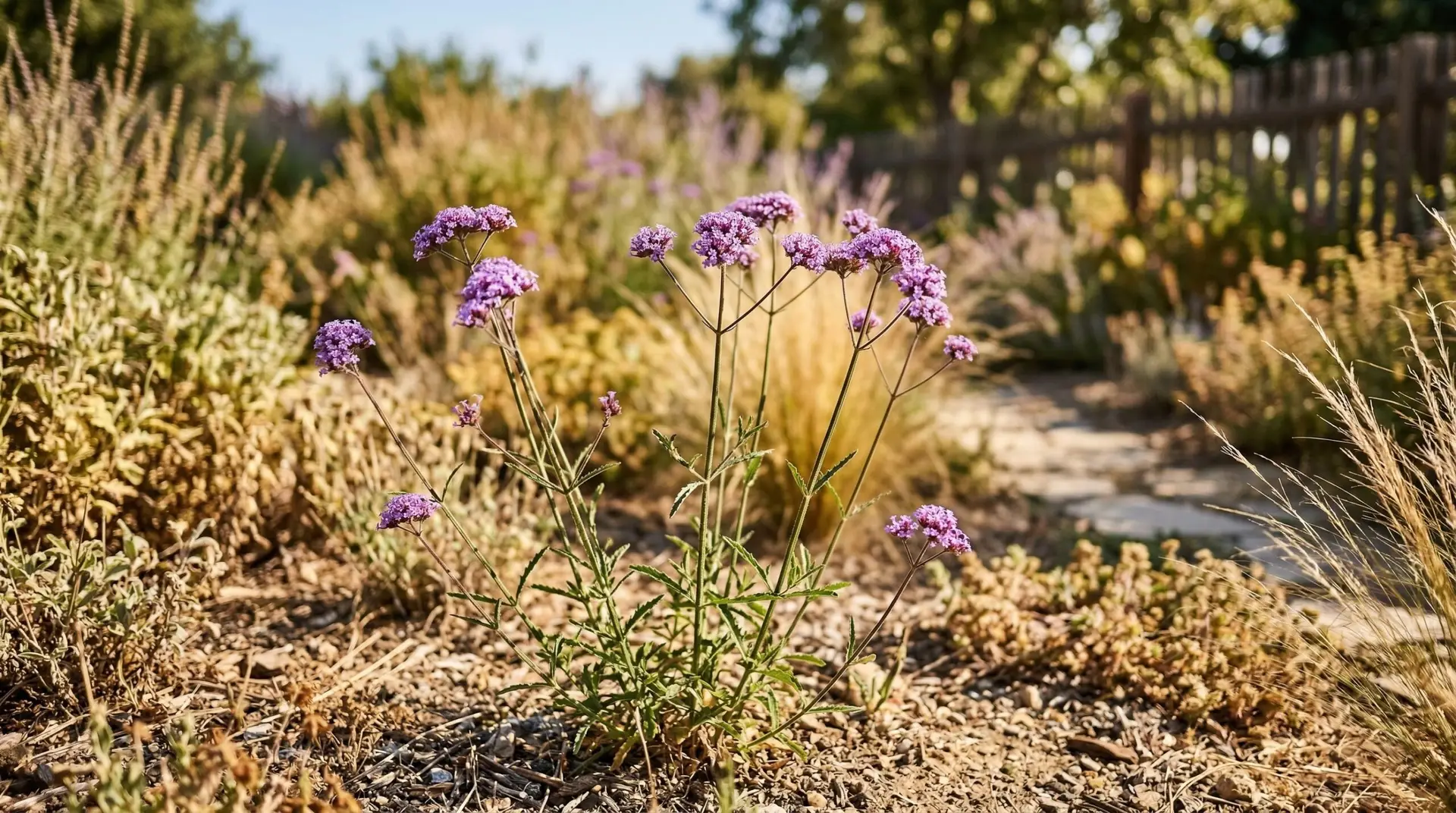
Over my years of maintaining public garden displays, I have come to rely on verbena as a structural anchor during the most unforgiving weeks of summer. Many gardeners abandon their beds when July temperatures rise, but this is precisely when verbena begins to perform at its peak. The genus encompasses over two hundred species of annuals and perennials, though most garden centers stock complex hybrids bred specifically for continuous flowering. These plants thrive under intense solar radiation and withstand prolonged dry periods easily. Growing verbena successfully requires understanding its native origins in the Americas, where it adapted to rocky, lean soils and sparse rainfall. When you provide similar conditions in a home garden, you will be rewarded with dense clusters of small, five-petaled flowers that persist until the first hard frost.
Contents 4 sections
Understanding trailing and upright growth habits
Selecting the right verbena starts with identifying the growth habit that fits your specific garden application. Trailing verbenas exhibit a decumbent growth habit, meaning their stems lie flat along the ground with tips that turn upward as they bloom. These ground-hugging varieties excel at spilling over the edges of raised beds or filling out hanging baskets. Gardeners often pair trailing verbena with other cascading annuals like sweet alyssum to create a dense mat of continuous color along a walkway. Upright forms behave entirely differently, with species like Verbena bonariensis producing rigid, square stems that can reach four feet in height. These tall varieties are highly valued for their transparent quality, allowing you to plant them at the front of a border without obscuring the plants behind them.
The trailing hybrids frequently develop adventitious roots, which are roots that form along the stem wherever it makes contact with bare soil. This characteristic allows the plant to spread aggressively and form a living mulch that suppresses weeds while keeping the root zone cool. Upright species typically rely on a single, deep taproot system that anchors them against strong winds and accesses moisture far below the soil surface. Understanding these root structures dictates how you handle verbena plant care throughout the season. When you plant trailing types, you need to leave adequate space for lateral expansion, often up to two feet per plant. Upright types can be grouped much closer together, creating a thick grove of purple blooms that sway uniformly in the breeze.
Soil composition and planting site requirements
Verbena demands excellent soil drainage and will quickly succumb to root rot if left in standing water. Heavy clay soils present a significant challenge, requiring generous amendments of coarse sand or expanded shale to improve porosity before planting. The ideal soil pH for most verbena species falls between 5.8 and 7.2, a slightly acidic to neutral range that allows for optimal nutrient uptake. If you plant in containers, avoid moisture-retaining potting mixes and opt for a standard commercial blend cut with perlite to ensure rapid drainage. Much like petunias, verbena prefers lean soil and will produce excessive foliage at the expense of flowers if given too much nitrogen fertilizer. A single application of a balanced, slow-release granular fertilizer at planting time is usually sufficient to support the plant through the entire growing season.
Maximum sun exposure is non-negotiable for verbena, as these plants require eight to ten hours of direct light daily to maintain tight, compact growth. Plants situated in partial shade will quickly become leggy, stretching weakly toward the light source while producing sparse, underdeveloped flower clusters. You should wait to move verbena into the garden until all danger of frost has passed and night temperatures consistently remain above fifty degrees Fahrenheit. Cold, wet soil in early spring severely stunts root development and often leads to fungal pathogens attacking the crown of the plant. If you live in a region with short, cool summers, planting against a south-facing brick or stone wall can create a microclimate that provides the extra radiant heat verbena craves.
Water management during extreme heat
While garden centers frequently market verbena as a drought-tolerant plant, establishing a deep root system during the first few weeks after planting is necessary for this resilience. Newly installed transplants require consistent moisture to push roots into the surrounding native soil. Once established, you should shift to an infrequent but deep watering schedule, allowing the top two inches of soil to dry out completely between irrigation sessions. This watering method forces the roots to dive deeper into the soil profile, insulating them against sudden spikes in ambient air temperature. Verbena shares a similar heat profile with lantana, thriving in conditions that cause broadleaf plants to wilt and drop their buds. Overhead watering should be strictly avoided, as water sitting on the textured leaves creates an ideal environment for foliar diseases.
It is necessary to distinguish between temporary heat stress and actual water deprivation when evaluating your verbena during the summer months. On afternoons when temperatures exceed ninety degrees, the plant may exhibit slight drooping as a natural moisture-conservation mechanism. This midday wilt usually resolves itself by evening without any supplemental watering required. If the stems remain limp early the following morning, the plant is genuinely experiencing a water deficit and requires immediate, deep irrigation at the soil level. Overwatering is a far more common cause of failure than underwatering, particularly for gardeners accustomed to tending thirsty tropical annuals. Yellowing lower leaves combined with stunted growth almost always indicates that the roots are suffocating in saturated soil.
Midsummer maintenance and disease prevention
Powdery mildew is the most persistent threat to verbena, appearing as a white, dusty film on the upper surfaces of the leaves. This fungal pathogen thrives in environments with high humidity and poor air circulation, making proper spacing at planting time your first line of defense. As the season progresses, older trailing varieties sometimes develop a bare, woody center while continuing to bloom only at the terminal ends of the stems. You can correct this awkward growth habit through a process called rejuvenation pruning, which involves cutting the entire plant back by one-third of its total volume. This hard shearing removes the tired foliage and stimulates dormant buds along the lower stems to push fresh, vigorous growth. Within two to three weeks of this pruning, the plant will flush out with a completely new set of healthy leaves and flower buds.
Deadheading, the practice of removing spent blooms, is not strictly necessary for the newer self-cleaning verbena hybrids, but it certainly accelerates the production of new flower clusters. If you notice a decline in bloom production in late August, a light trim combined with a dilute application of water-soluble fertilizer will push a final, heavy floral display through the autumn months. As you prepare your beds for the coming season, take a close look at the microclimates in your yard to identify the hottest, driest spots where other plants have previously failed. Next spring, prepare those specific areas by loosening the soil deeply and incorporating a handful of coarse sand to guarantee rapid drainage. By matching this rugged plant to your most challenging, sun-baked locations, you establish a reliable foundation of color that will demand very little of your time or resources.
More About Verbena
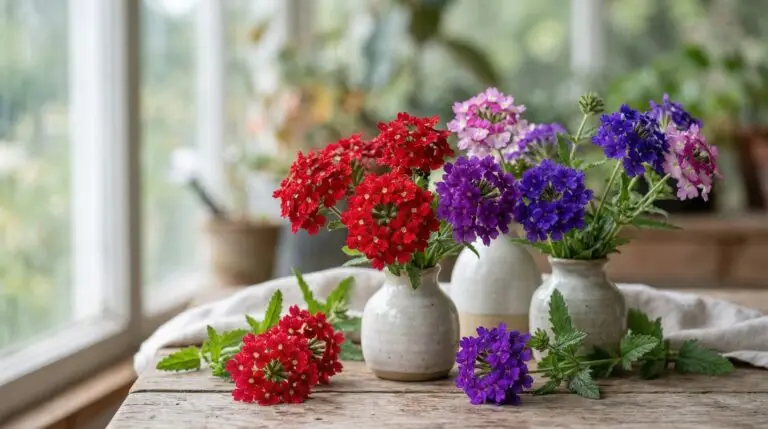
Best verbena varieties from trailing Superbena to tall bonariensis purple towers
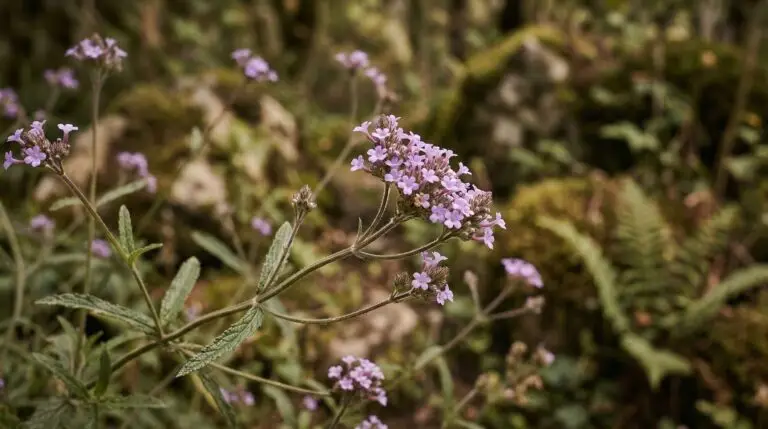
Verbena flower meaning and the sacred herb that ancient Romans used for altars and oaths
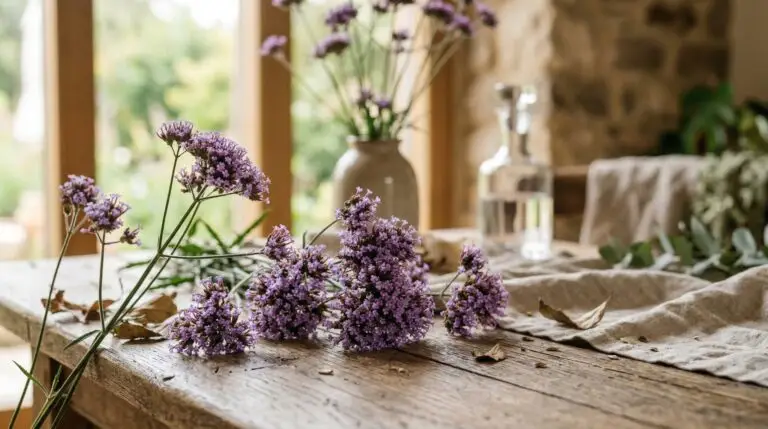
Verbena as a butterfly garden essential that attracts dozens of species all summer
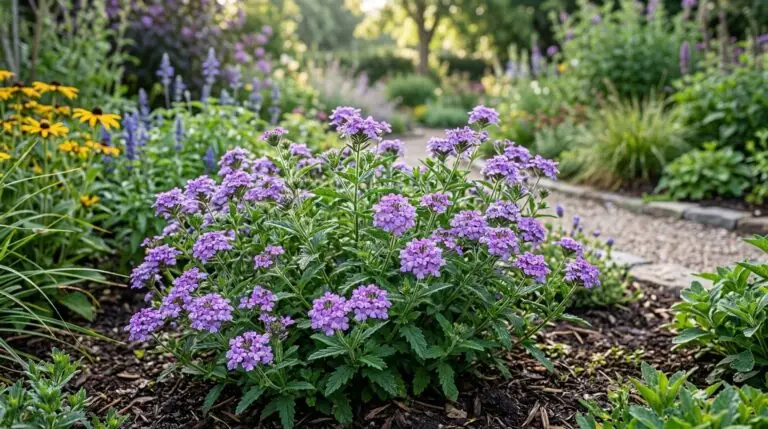
Why verbena gets powdery mildew and how to prevent the white coating on leaves
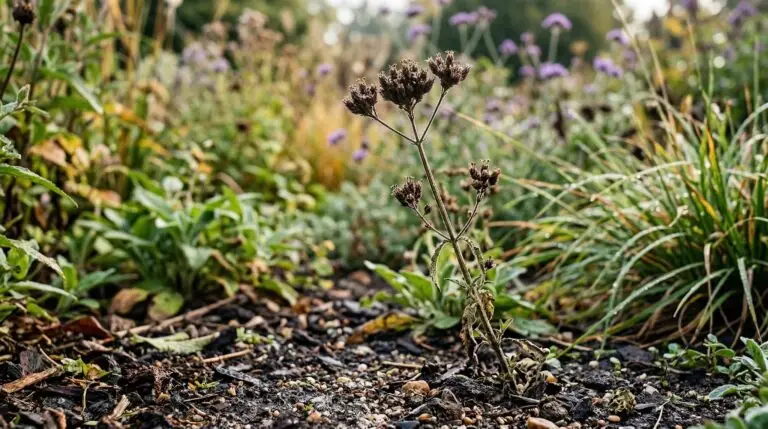
Growing verbena from seed and cuttings for more plants from your favorites
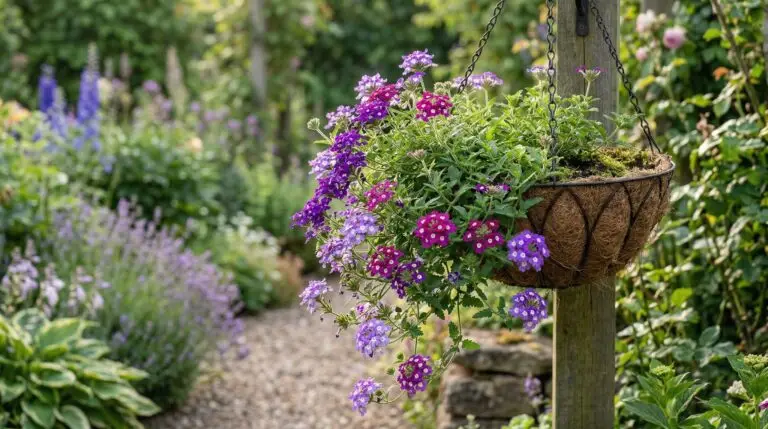
Growing verbena in hanging baskets and containers for trailing summer cascades
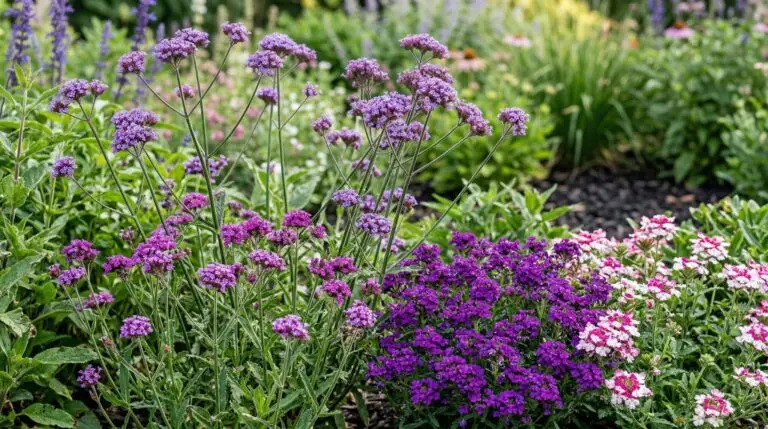
Homestead Purple verbena the tough perennial ground cover that blooms for months
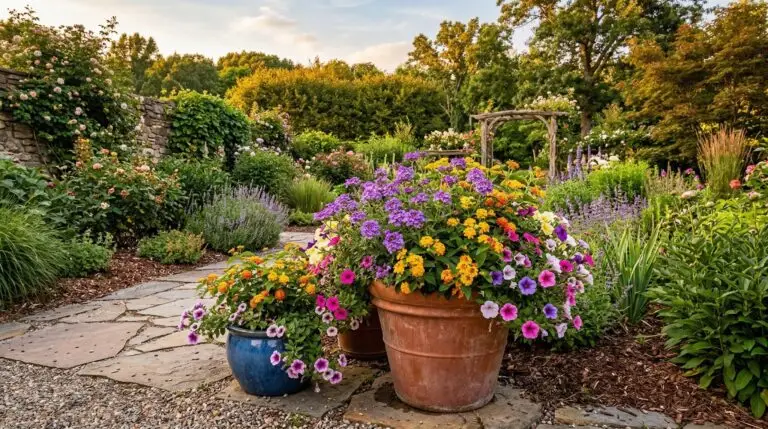
Companion plants for verbena: what to grow and what to avoid
Enjoying our flower guides? Add YourFlowersGuide as a preferred source on Google. It helps more readers find us.
Add to Preferred Sources