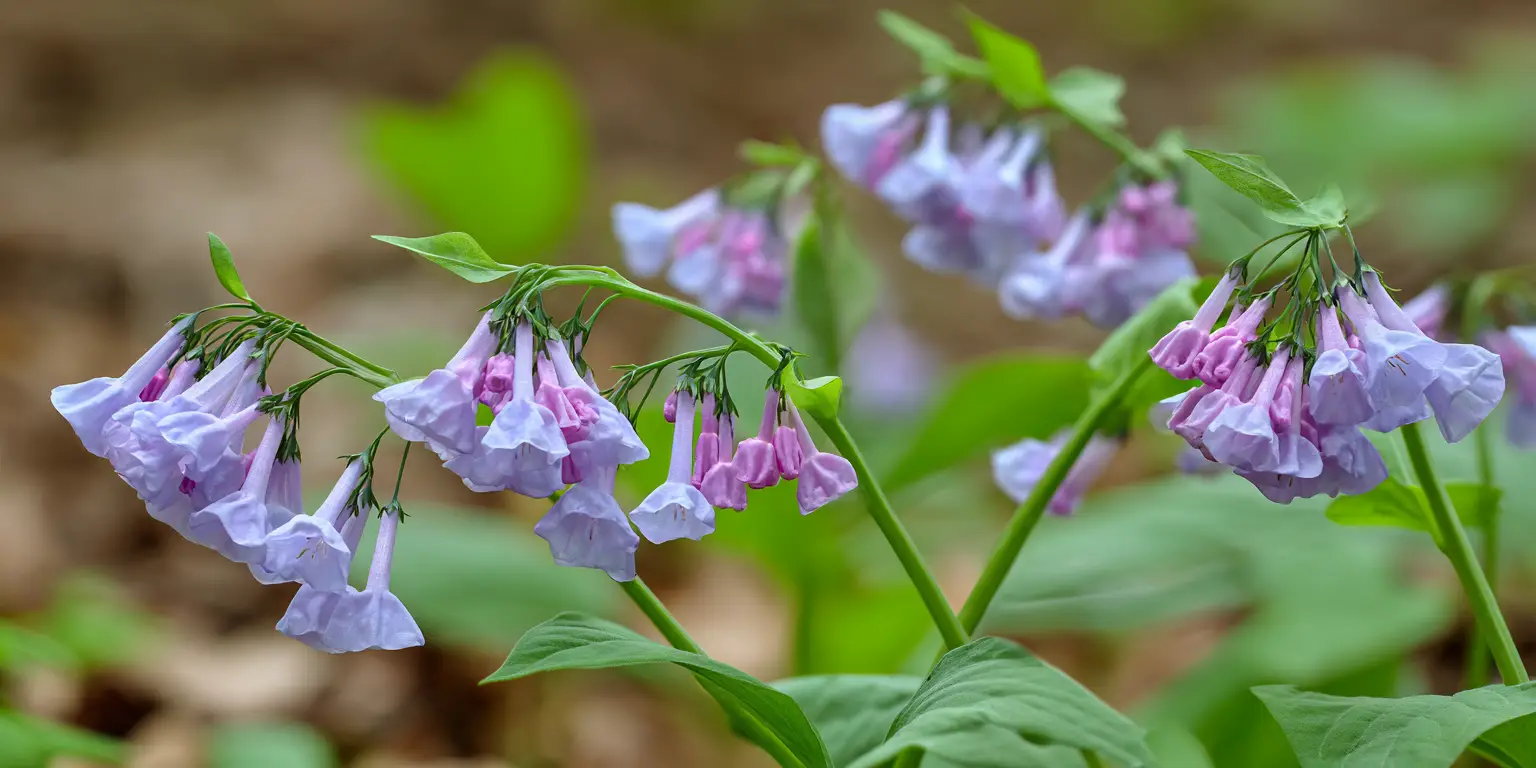
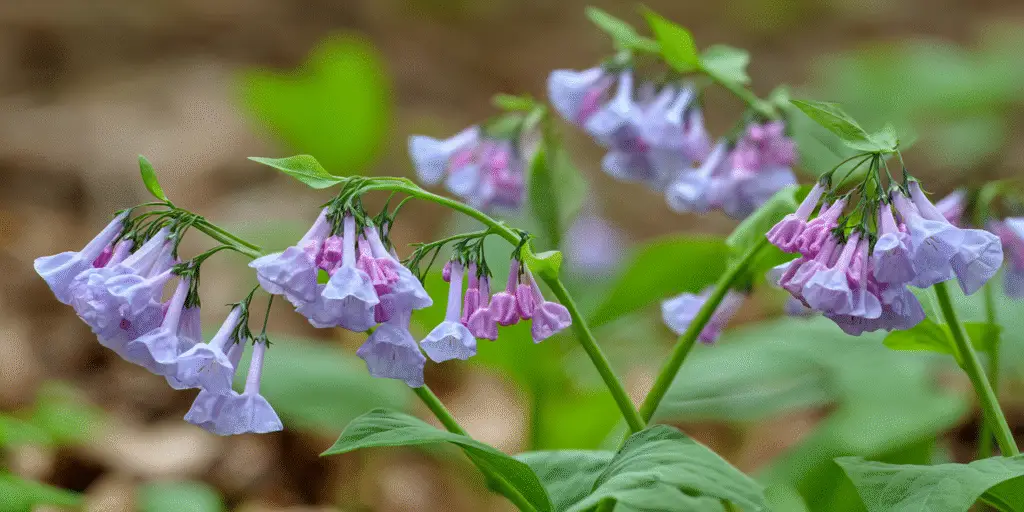
Mertensia virginica is a spring ephemeral native to rich floodplain woods and deciduous forests in eastern North America. Its pink buds open to clusters of bell shaped blue flowers that glow in shade. Plants reach 18 to 24 in tall and 12 to 18 in wide. Bloom typically peaks from April to May across much of North America. Foliage yellows and dies back by early summer. It pairs well with later emerging shade perennials. It thrives in moist, humus rich, well drained soil in partial to full shade.
At‑a‑glance
Group/Class: Spring ephemeral perennial
Height × spread: 18 to 24 in × 12 to 18 in (45 to 60 cm × 30 to 45 cm)
Bloom window: April to May
Color & flower form: Pendulous, trumpet shaped clusters; pink buds age to sky blue
Fragrance: 1 trace
USDA hardiness: Zones 3 to 8
Breeder / Year / Origin: unknown, unknown, Eastern North America
Awards/registration: RHS Award of Garden Merit; Missouri Botanical Garden Plant of Merit
Cut‑flower notes: Soft, hollow stems; poor vase life; not recommended
Pet safety: unknown
How it differs
Standard blue flower form with pink buds that turn blue as they age.
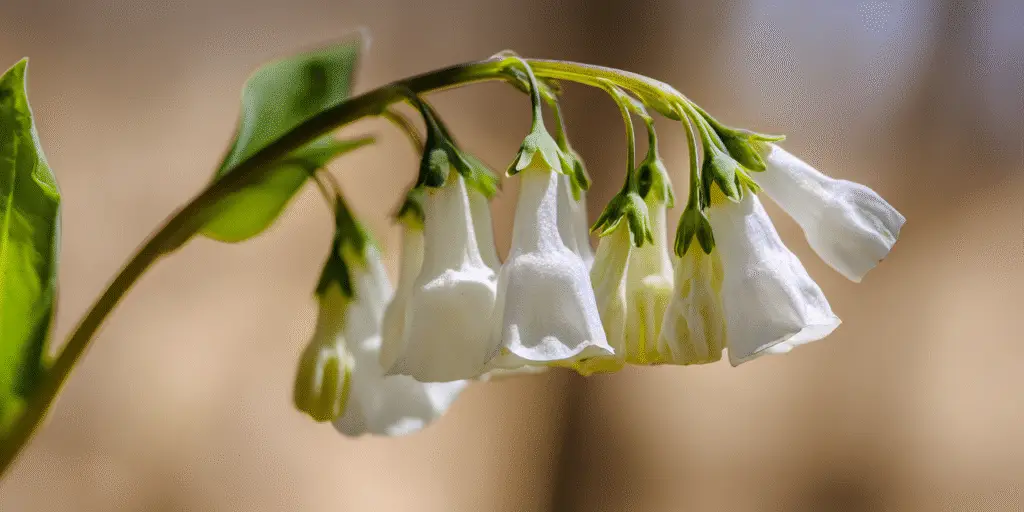
Color shift is typical of the species; white selections remain white.
Tolerates rabbits and black walnut compared with many woodland perennials.
Early spring bloom ahead of many companion perennials.
Strengths
Naturalizes in moist shade by self seeding where happy.
Few pest or disease problems in gardens.
Attracts early bees and other pollinators.
Handles rabbit browse and black walnut sites.
Care in one minute
Site: partial to full shade under deciduous trees.
Soil: humus rich, moist, well drained; pH neutral to slightly acidic.
Water: keep evenly moist in spring; provide extra water during establishment.
Feeding: top dress with compost in fall and avoid high nitrogen fertilizers.
Maintenance: do not disturb clumps and mark locations to avoid digging while dormant.
Overwintering: mulch lightly with leaves after frost in colder zones.
Watch‑outs
Goes dormant by early summer and can leave a gap.
Needs consistent spring moisture and can decline in dry soils.
Fragile stems can crease with foot traffic or rough handling.
Written by: Your Flowers Guide editorial team We are a small independent group of flower lovers who research and review each guide using trusted horticultural and educational sources. Learn more about us