returns in
212
days
Bloom calendar
Mertensia virginica
Spring ephemeral perennial
At‑a‑glance
- Group/Class: Spring ephemeral perennial
- Height × spread: 18 to 24 in × 12 to 18 in (45 to 60 cm × 30 to 45 cm)
- Bloom window: April to May
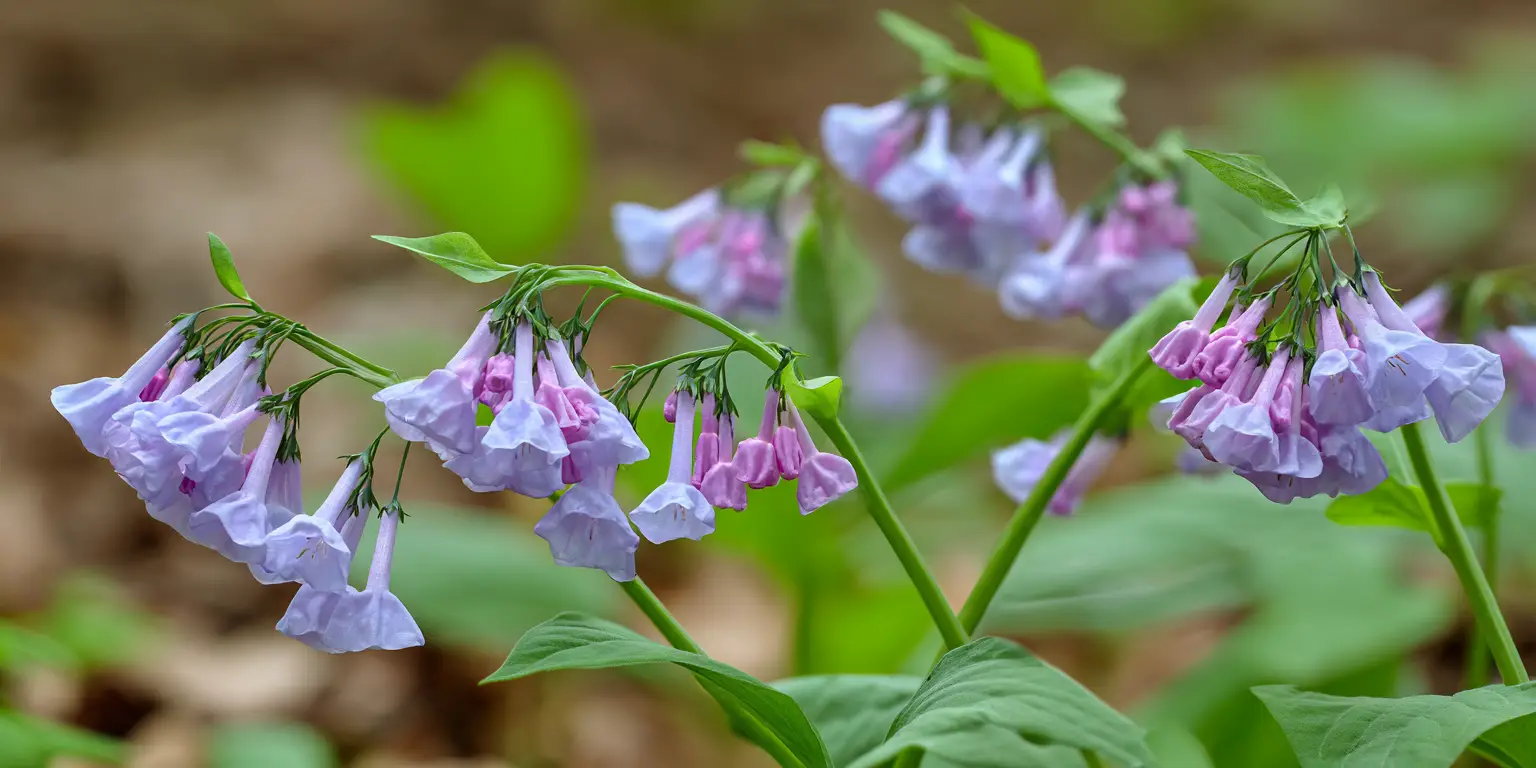
- Color & flower form: Pendulous, trumpet shaped clusters; pink buds age to sky blue
- Fragrance: 1 trace
- USDA hardiness: Zones 3 to 8
- Breeder / Year / Origin: unknown, unknown, Eastern North America
- Awards/registration: RHS Award of Garden Merit; Missouri Botanical Garden Plant of Merit
- Cut‑flower notes: Soft, hollow stems; poor vase life; not recommended
- Pet safety: unknown
How it differs
- Standard blue flower form with pink buds that turn blue as they age.
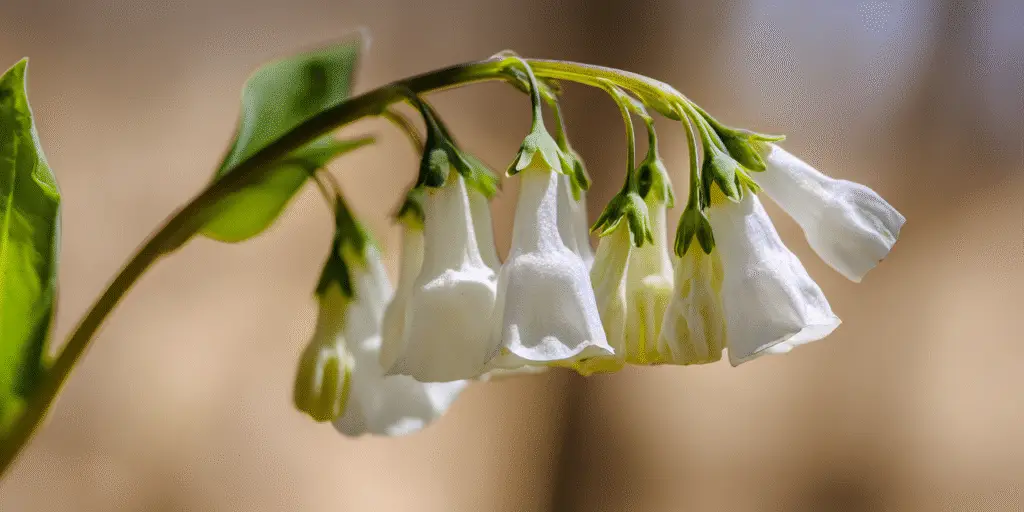
- Color shift is typical of the species; white selections remain white.
- Tolerates rabbits and black walnut compared with many woodland perennials.
- Early spring bloom ahead of many companion perennials.
Strengths
- Naturalizes in moist shade by self seeding where happy.
- Few pest or disease problems in gardens.
- Attracts early bees and other pollinators.
- Handles rabbit browse and black walnut sites.
Care in one minute
Site: partial to full shade under deciduous trees.
Soil: humus rich, moist, well drained; pH neutral to slightly acidic.
Water: keep evenly moist in spring; provide extra water during establishment.
Feeding: top dress with compost in fall and avoid high nitrogen fertilizers.
Maintenance: do not disturb clumps and mark locations to avoid digging while dormant.
Overwintering: mulch lightly with leaves after frost in colder zones.
Watch‑outs
- Goes dormant by early summer and can leave a gap.
- Needs consistent spring moisture and can decline in dry soils.
- Fragile stems can crease with foot traffic or rough handling.
- Zone limits vary by source; some list 3 to 9.
Best uses (tags)
Provenance note
The genus honors German botanist Franz Carl Mertens.
The species is native to moist woods and floodplains in eastern North America.
Similar Flowers
Enjoying our flower guides? Add YourFlowersGuide as a preferred source on Google. It helps more readers find us.
Add to Preferred Sources