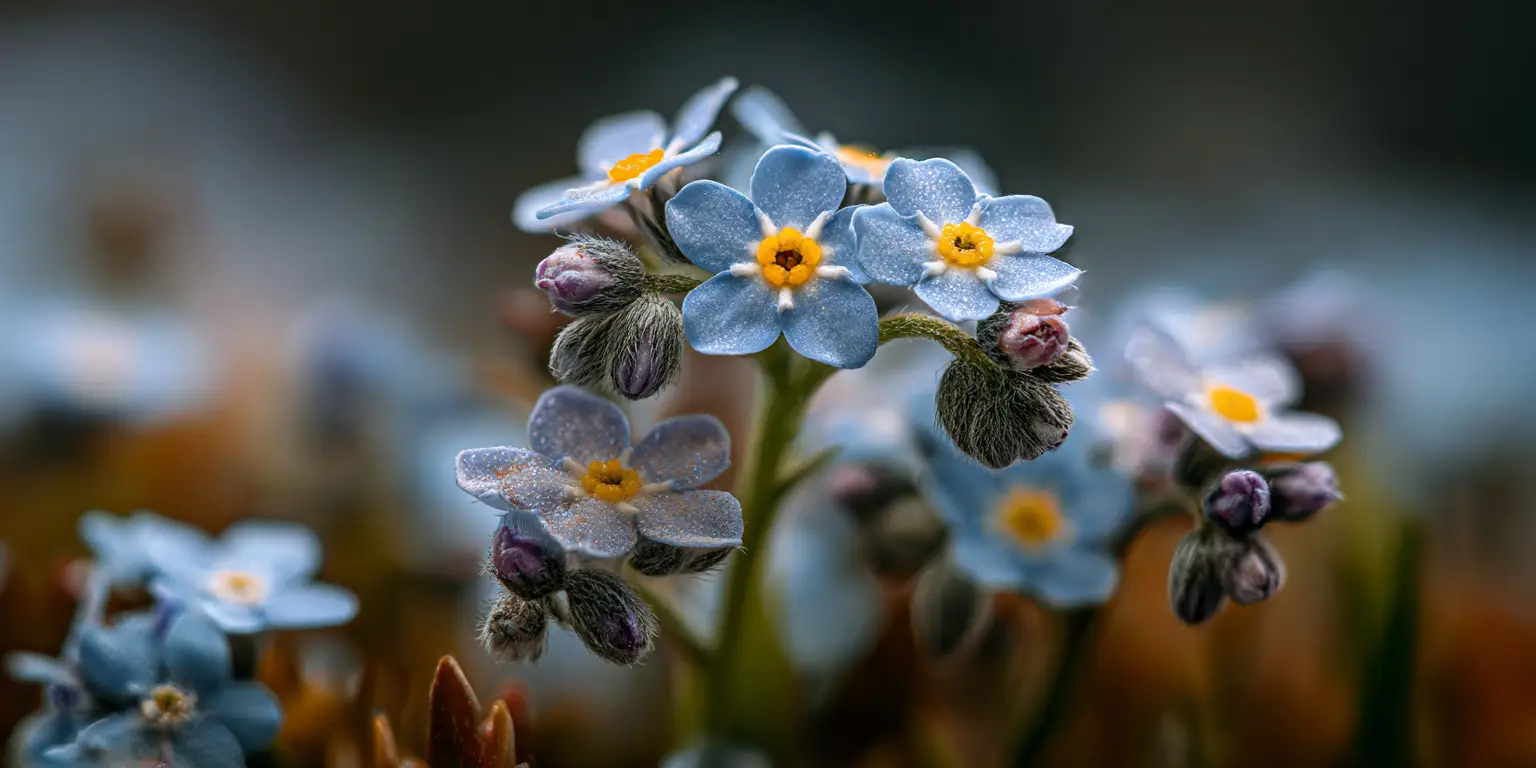
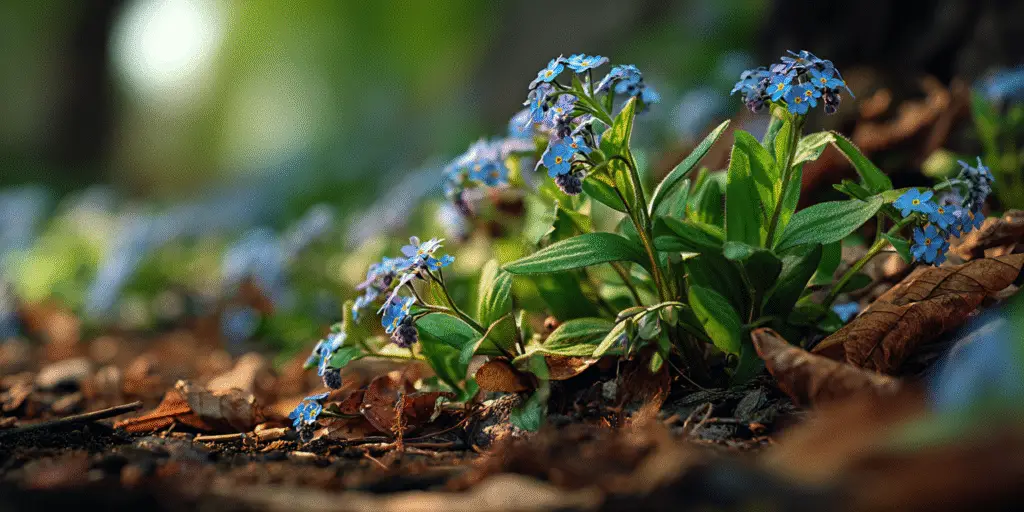
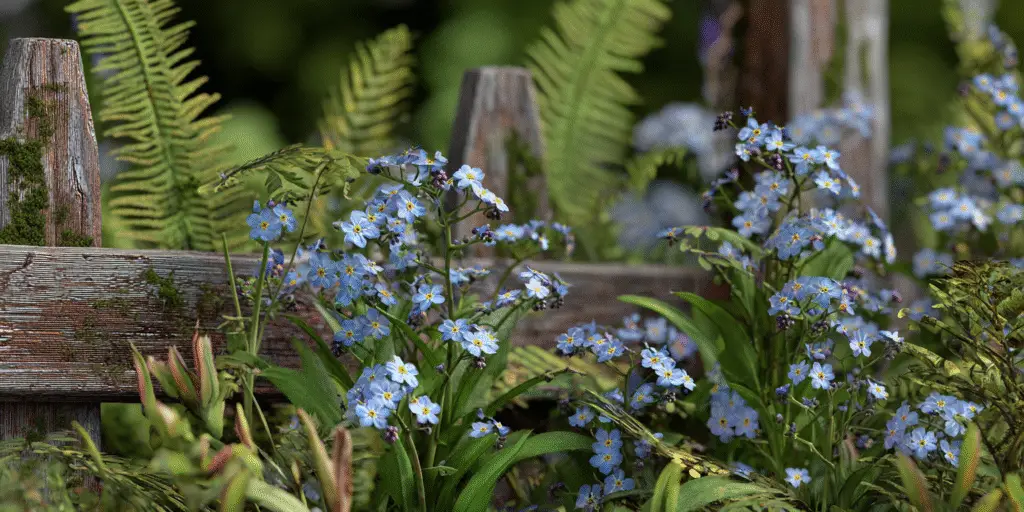
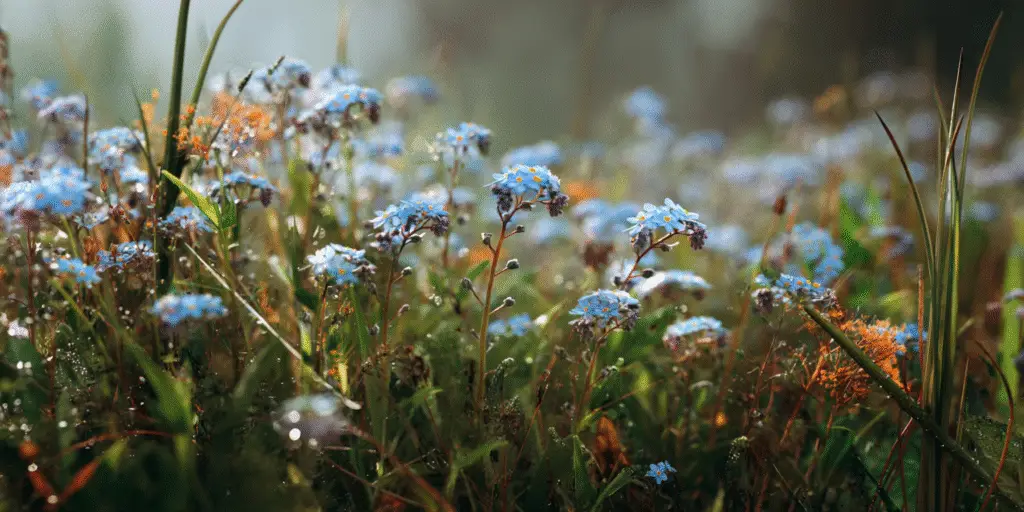
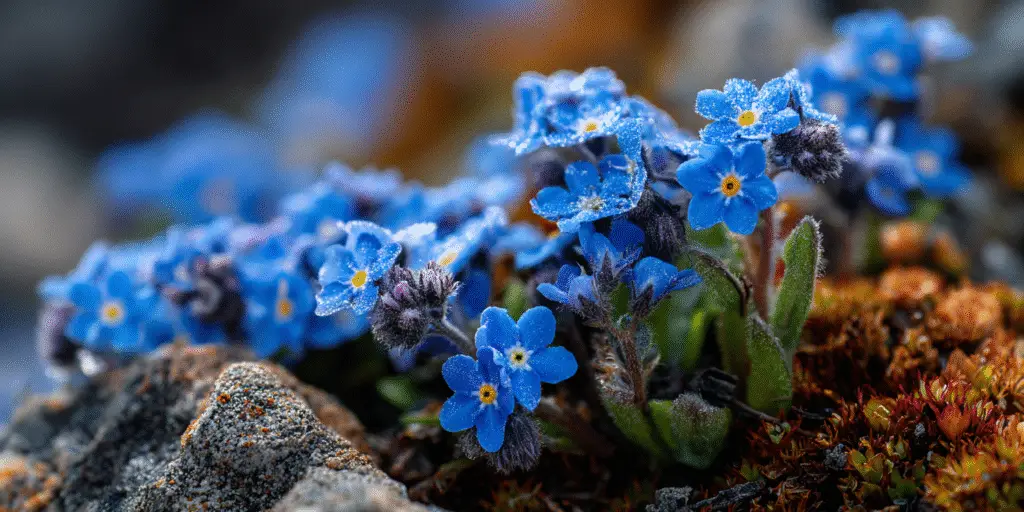
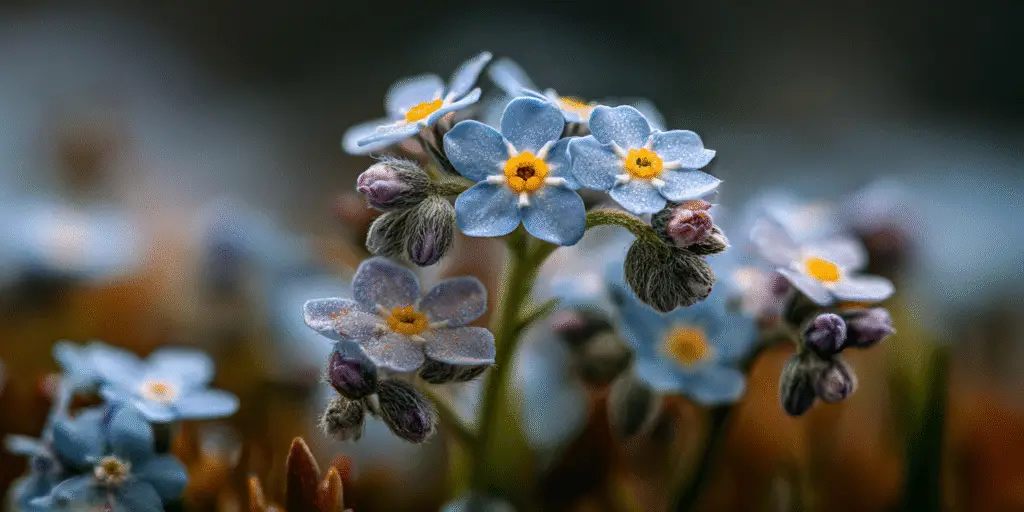
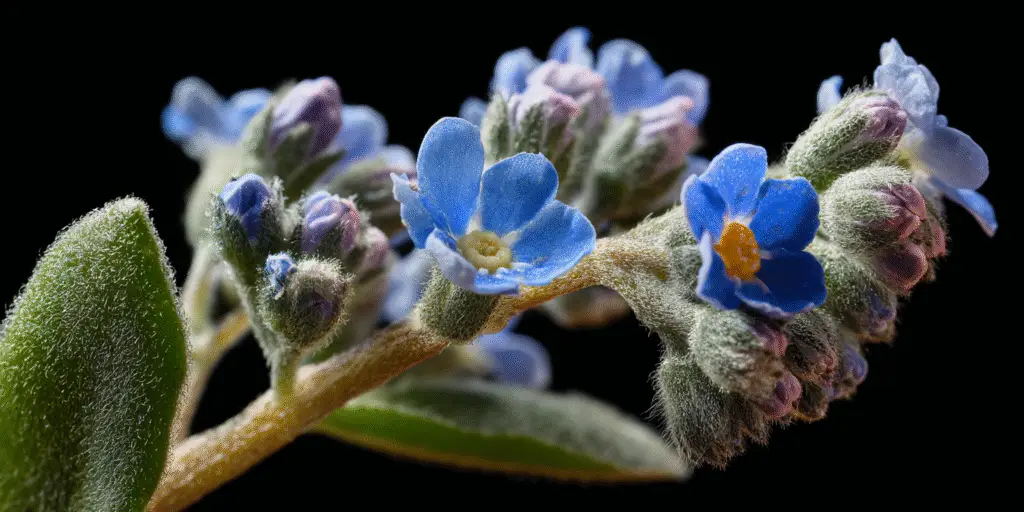
Tufted forget‑me‑not (Myosotis laxa) is a native wetland species found along pond shores, streams, and seepage areas. Plants are slender and can behave as annuals or short‑lived perennials. Blooms are small and bright blue on airy stems from late spring into summer. It performs best in consistently moist soils with sun to light shade. Use it to naturalize gentle water edges where a delicate look is desired.
At‑a‑glance
Group/Class: species; emergent wetland plant
Height × spread: 4 to 16 in × 6 to 12 in (10 to 40 cm × 15 to 30 cm)
Bloom window: May to August
Color & flower form: tiny blue five‑lobed flowers on slender racemes
Fragrance: 0 none
USDA hardiness: unknown / varies by climate
Breeder / Year / Origin: unknown
Pet safety: safe
How it differs
native to North America in many regions
tolerates saturated soils yet stays finer in texture
flowers and stems are smaller than common garden forms
best for naturalistic pond and stream edges
Strengths
adapts to a range of wetland conditions
light, natural look in water gardens
pairs well with sedges and marsh marigold
supports pollinators in wet habitats
Care in one minute
Plant in sun to light shade with consistently moist soil.
Use loam with organic matter; avoid fast‑drying sand.
Irrigate to prevent dry‑downs; mulch lightly to conserve moisture.
Do not over‑fertilize; growth becomes lax.
Shear lightly after bloom to tidy and direct reseeding.
Watch‑outs
needs steady moisture; will stall in drought
delicate stems can lodge in strong wind
self‑seeds where conditions suit
Best uses (tags)
water gardens, pond margins, naturalizing, pollinators
Provenance note
A North American native in many states and provinces, Myosotis laxa inhabits pond shores and wet meadows.
Written by: Your Flowers Guide editorial team We are a small independent group of flower lovers who research and review each guide using trusted horticultural and educational sources. Learn more about us