returns in
243
days
Bloom calendar
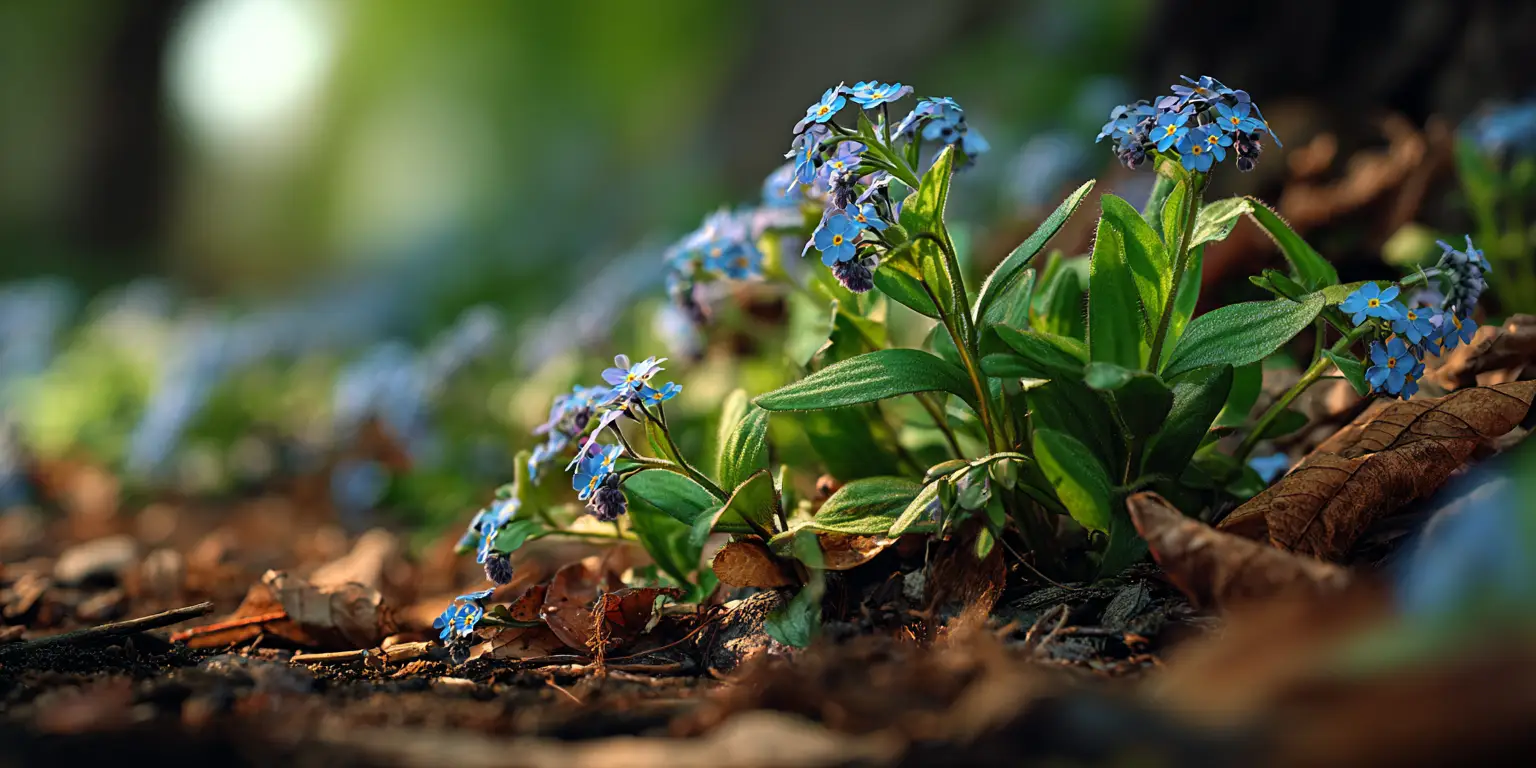
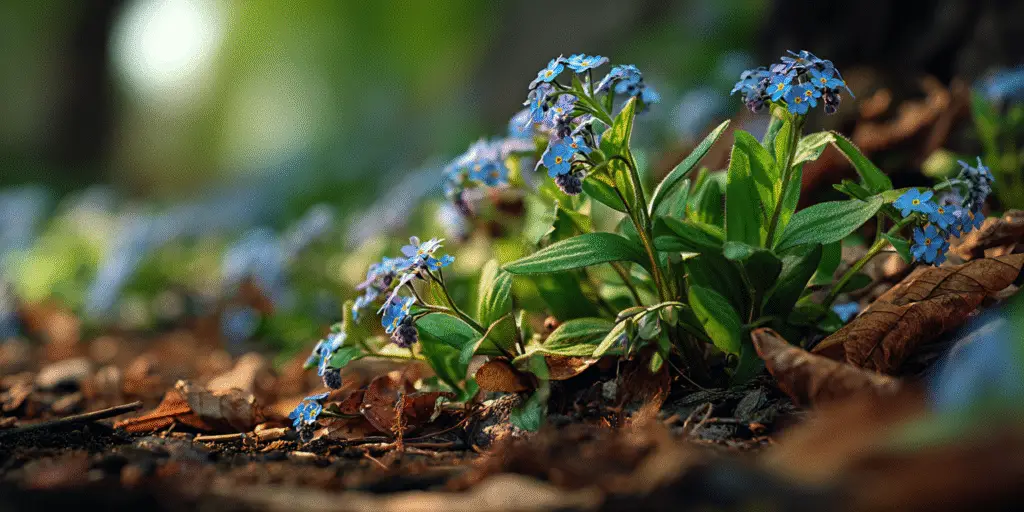
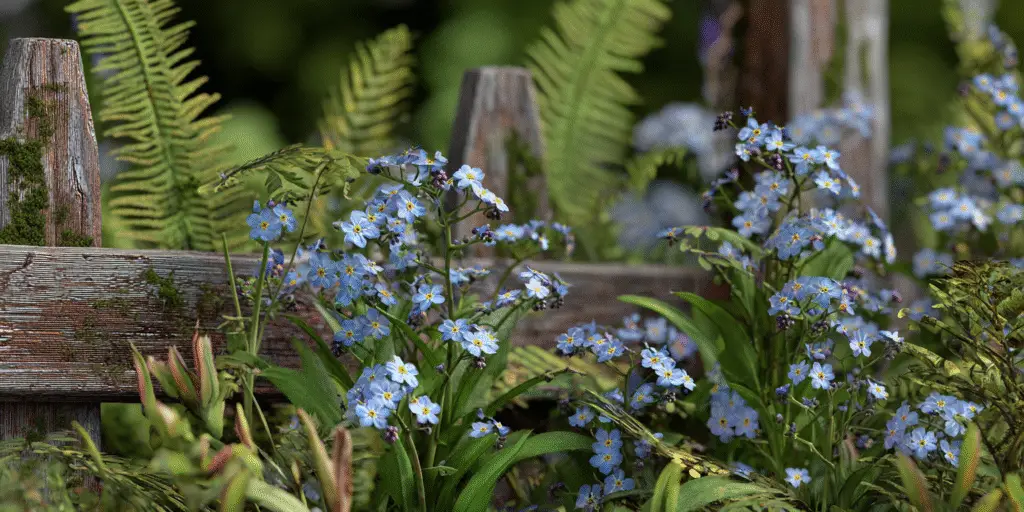
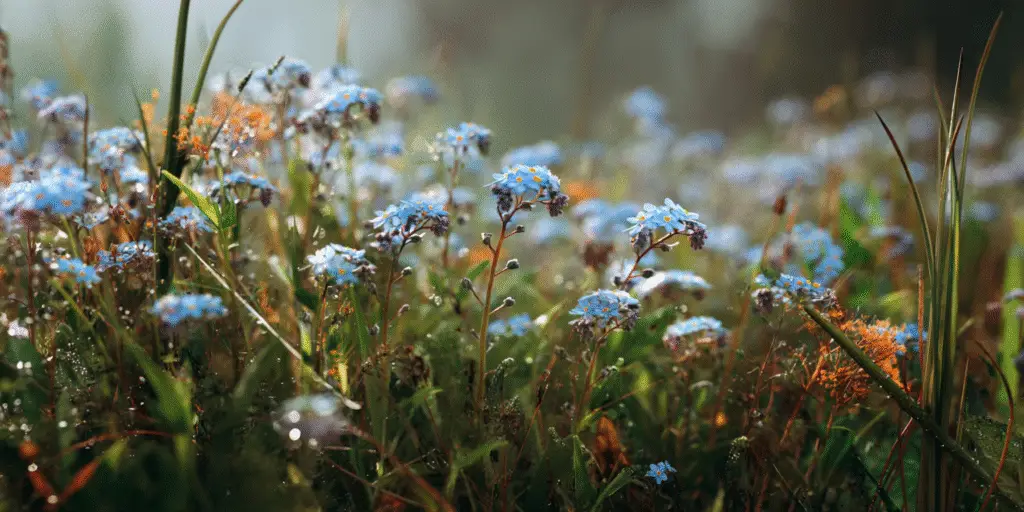
Wood Forget‑Me‑Not
species; short‑lived perennial or biennial
At‑a‑glance
- Group/Class: species; short‑lived perennial or biennial
- Height × spread: 6 to 12 in × 6 to 9 in (15 to 30 cm × 15 to 23 cm)
- Bloom window: April to May
- Color & flower form: sky‑blue five‑lobed flowers with white or yellow eye; occasional pink or white forms
- Fragrance: 0 none
- USDA hardiness: zones 3 to 8
- Breeder / Year / Origin: unknown
- Pet safety: safe
How it differs
- more cold‑hardy than most other forget‑me‑nots
- best for lightly shaded borders rather than water margins
- naturally compact and low
- peak bloom in mid spring
Strengths
- reliable spring color in cool climates
- self‑sows to form soft carpets
- tolerates part shade
- pairs well with spring bulbs
Care in one minute
Choose part sun to light shade with morning sun.
Provide evenly moist, well‑drained soil with organic matter; pH neutral to slightly acidic.
Water during dry spells in spring; do not let soil dry out completely.
Feed lightly with a balanced fertilizer once after growth starts.
Deadhead to limit spread; leave some seed to renew plantings.
Pull spent plants after flowering if tidy borders are needed.
Watch‑outs
- short‑lived and relies on self‑seeding to persist
- foliage can fade after flowering in heat
- can seed beyond intended area in ideal conditions
Best uses (tags)
Provenance note
Native to temperate Eurasia, Myosotis sylvatica is widely naturalized in North America through garden escape.
References
- Missouri Botanical Garden Plant Finder: Myosotis sylvatica
- Kew Plants of the World Online: Myosotis sylvatica
- Cats Protection: Cat‑safe plants guide (lists Myosotis as safe)
Similar Flowers
Enjoying our flower guides? Add YourFlowersGuide as a preferred source on Google. It helps more readers find us.
Add to Preferred Sources