Dalmatian Bellflower

Dalmatian Bellflower

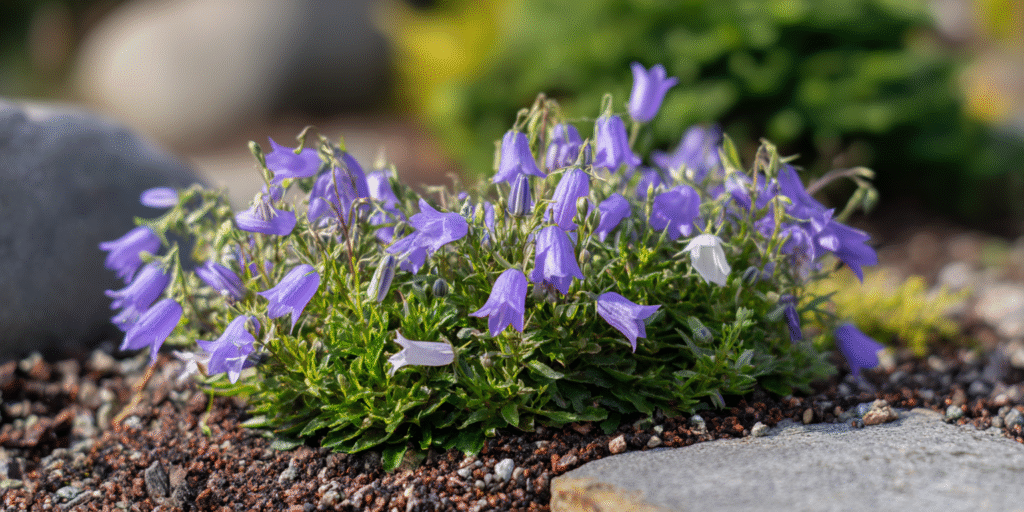
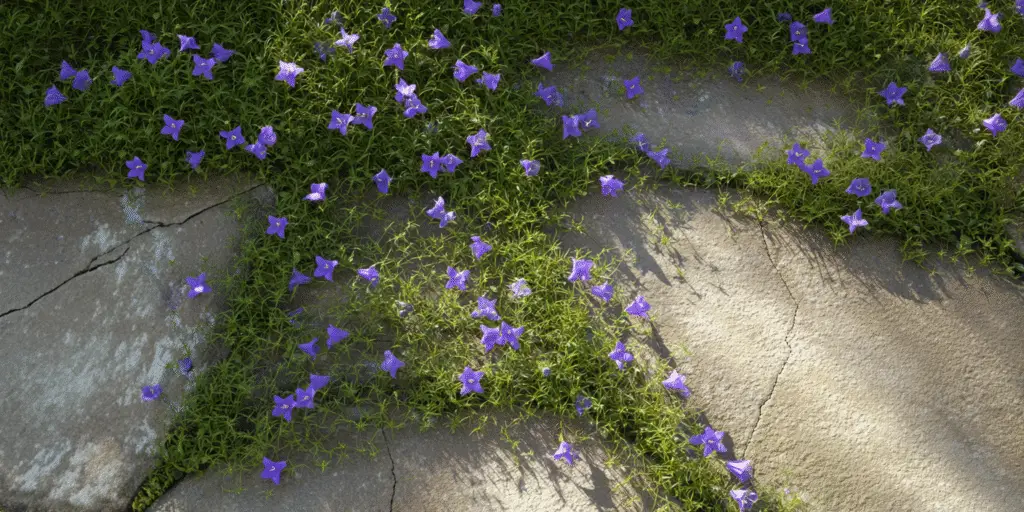
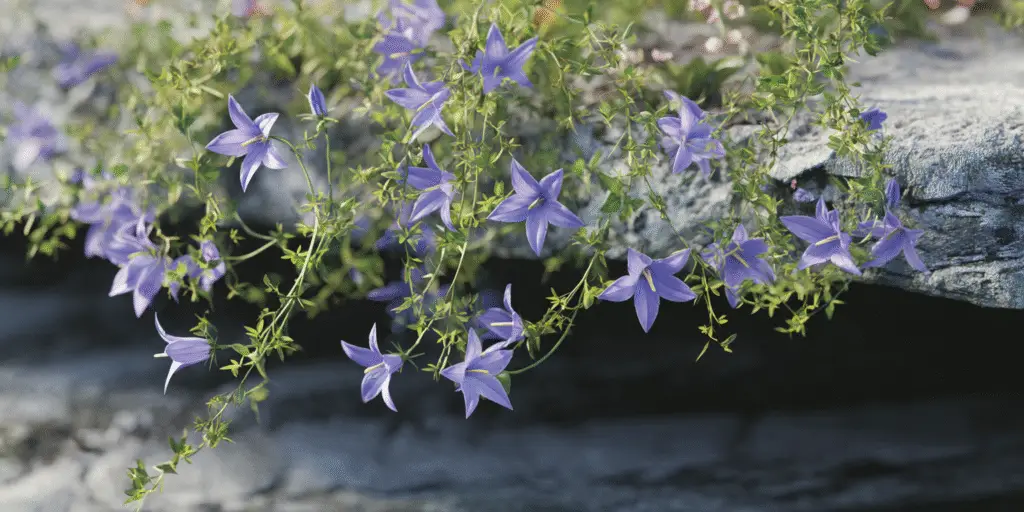
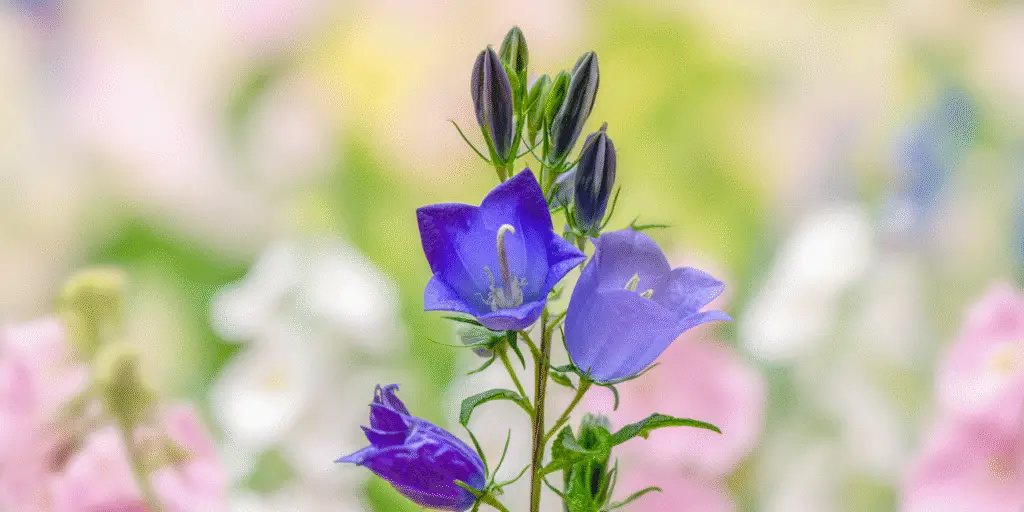
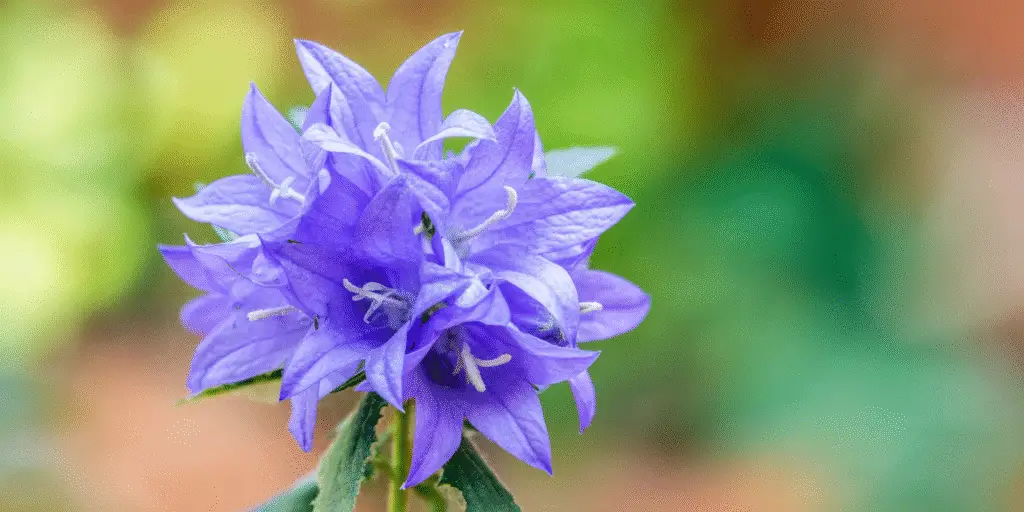
Dalmatian bellflower (Campanula portenschlagiana) is a low, mat-forming bellflower that spills over walls and edges. Plants stay 3 to 6 inches tall and spread quickly to fill crevices. Masses of purple to violet-blue bells open from late spring into summer. It prefers part shade in hot climates and steady moisture with good drainage. The plant is useful for softening stone and paving. Aggressiveness can increase where conditions are ideal. Flowers are not notably fragrant.

At‑a‑glance

  • Group/Class: Perennial species; mat-forming groundcover
  • Height × spread: 3-6 in × 12-24 in (8-15 cm × 30-60 cm)
  • Bloom window: May to July
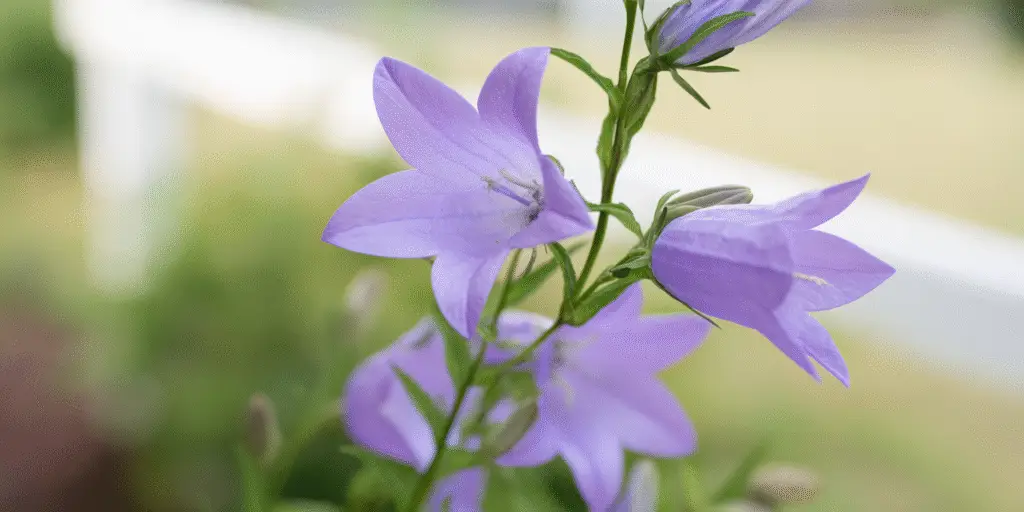
  • Color & flower form: Purple to violet-blue; star-lobed bells; single
  • Fragrance: 0 none
  • USDA hardiness: zones 4-8
  • Breeder / Year / Origin: unknown
  • Pet safety: safe

How it differs

  • Much shorter and more trailing than typical border bellflowers
  • Performs well in wall crevices and between stones
  • Blooms heavily in late spring while many bellflowers start later
  • Can spread aggressively under ideal moisture and light

Strengths

  • Excellent groundcover and edger
  • Cascades over walls and containers
  • Good flowering in part shade
  • Deer browsing is uncommon

Care in one minute

  • Light: full sun to part shade; choose part shade in hot-summer regions
  • Soil: average, well drained; do not allow soggy roots
  • Water: provide regular moisture; do not let dry out during bloom
  • Groom: shear lightly after main flush to tidy and encourage sporadic rebloom
  • Divide or trim spreading mats to keep within bounds

Watch‑outs

  • Can run vigorously and self-seed in favorable sites
  • Struggles in deep South heat and warm nights
  • Needs consistent moisture but dislikes waterlogging

Best uses (tags)

groundcover, walls, edging, containers, pollinators

Provenance note

Native to the Dalmatian Mountains of Croatia and nearby Herzegovina.

References

Written by: Your Flowers Guide editorial team
We are a small independent group of flower lovers who research and review each guide using trusted horticultural and educational sources. Learn more about us