
returns in
304
days
Bloom calendar
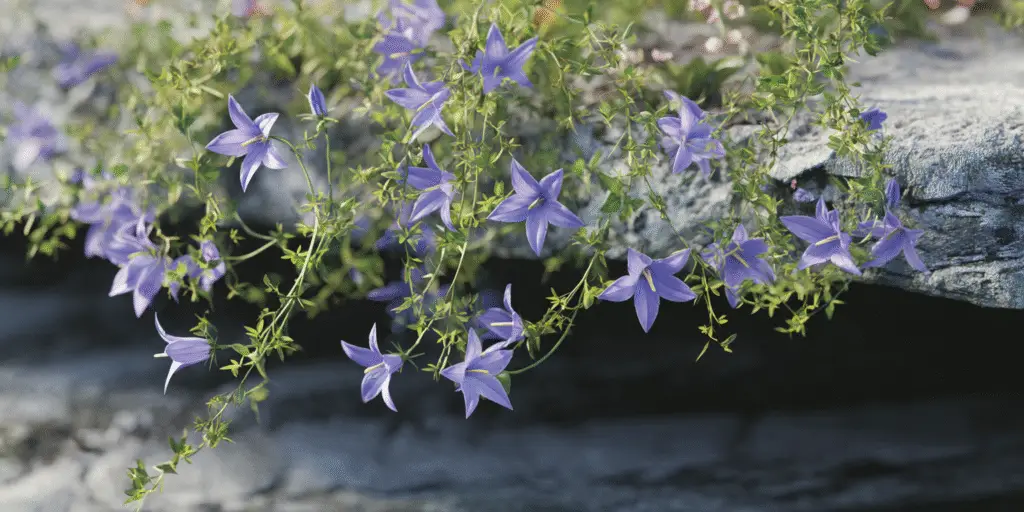
Carpathian Bellflower
Perennial species; tufted, clump-forming
At‑a‑glance
- Group/Class: Perennial species; tufted, clump-forming
- Height × spread: 6-12 in × 12-24 in (15-30 cm × 30-60 cm)
- Bloom window: June to August
- Color & flower form: Blue to white; open, upward-facing cups; single
- Fragrance: 0 none
- USDA hardiness: zones 3-8
- Breeder / Year / Origin: unknown
- Pet safety: safe
How it differs
- Lower and tighter habit than most bellflowers
- Upward-facing flowers rather than nodding bells
- Long bloom with deadheading compared with many species
- Prefers cool summers; less tolerant of heat than taller border types
Strengths
- Compact habit for edges and rock work
- Reliable in well-drained soils
- Good performance in raised beds and wall pockets
- Reblooms with prompt deadheading
Care in one minute
Site in full sun to light shade; give afternoon shade in hot-summer areas
Soil: average to moderately fertile, well drained; neutral to slightly alkaline
Water: steady moisture in summer; do not allow waterlogging
Feeding: light spring feed only if soil is poor
Groom: deadhead to extend bloom; divide clumps every 3 to 4 years
Watch‑outs
- Declines in heat and humidity
- Needs sharp drainage; winter wet can cause crown rot
- Short stems limit use as cut flower
Best uses (tags)
Provenance note
Native to the Carpathian Mountains of central Europe; long cultivated in rock gardens.
References
- NC State Extension: Campanula carpatica
- Native Plant Trust Go Botany: Campanula carpatica
Similar Flowers

Enjoying our flower guides? Add YourFlowersGuide as a preferred source on Google. It helps more readers find us.
Add to Preferred Sources