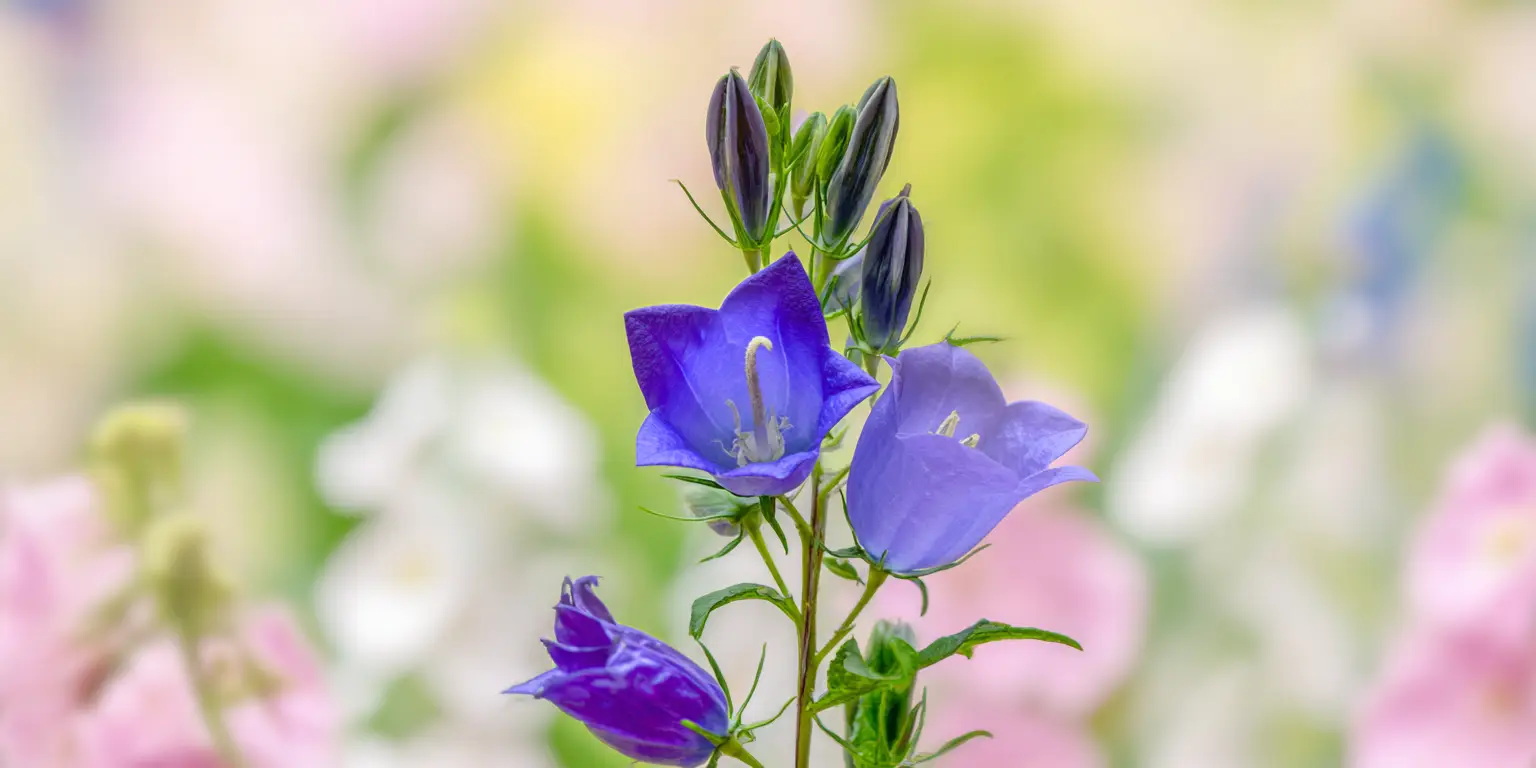
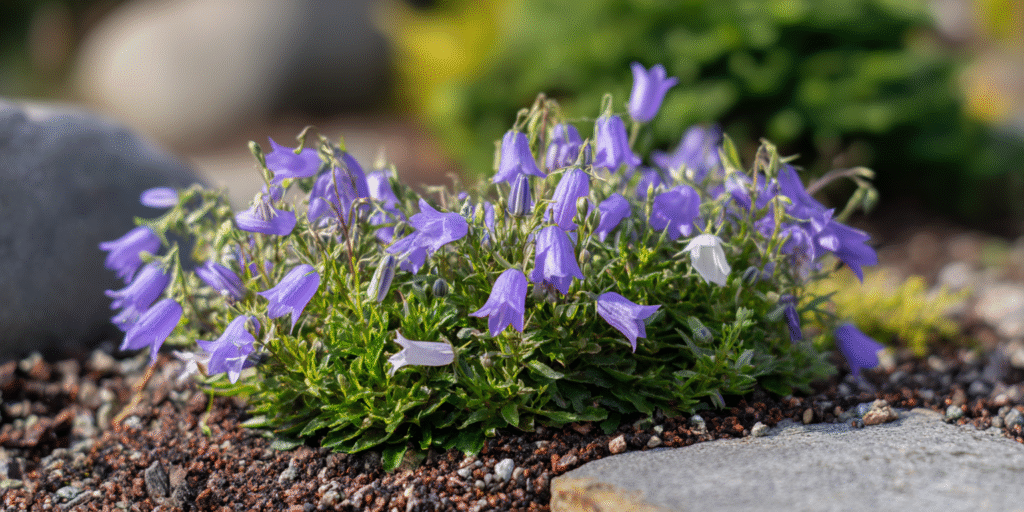
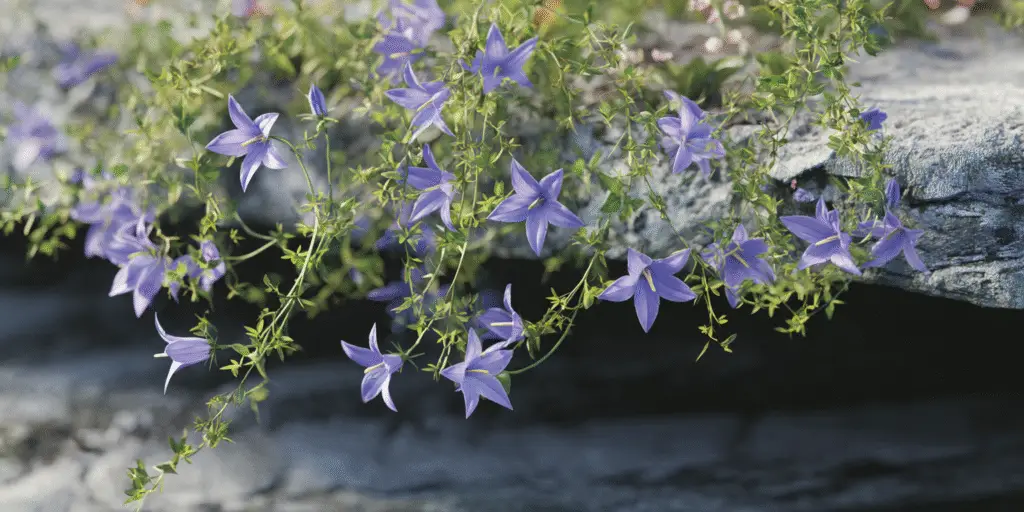
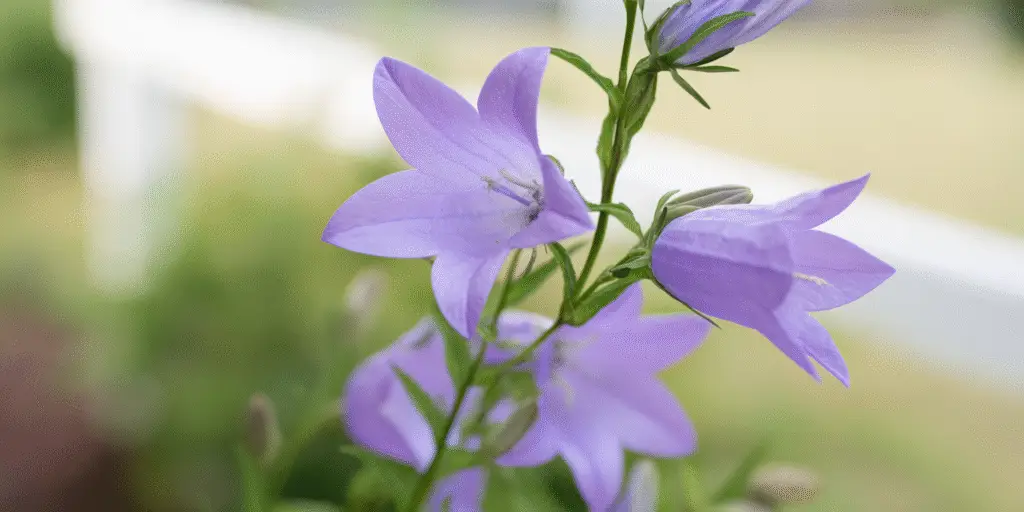
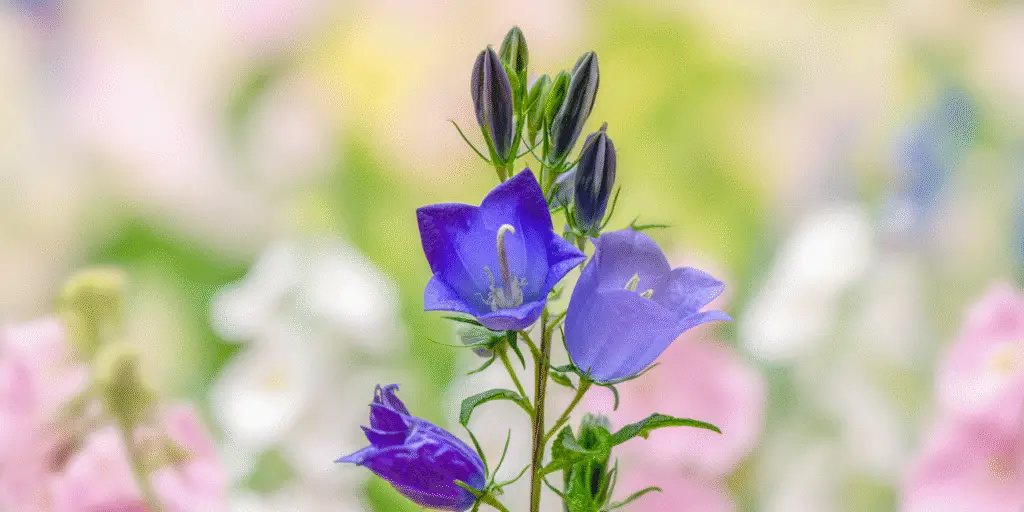
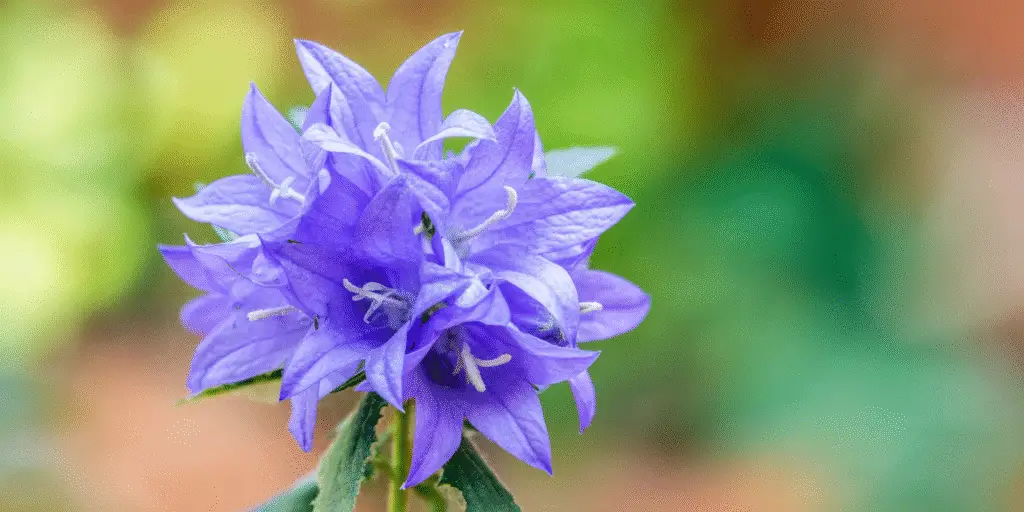
Canterbury bells (Campanula medium) is a classic biennial grown for tall spires of large bells. Plants form a basal rosette the first year, then flower the second year. Colors include blue, pink, and white, with single and cup‑and‑saucer forms. It prefers cool summers with low humidity and moist, well‑drained soil. Stems suit cutting when the first bells open. Many gardeners treat it as a cool‑season annual in warm regions. Fragrance is noticeable and sweet in bloom.
At‑a‑glance
Group/Class: Biennial; often grown as a cool‑season annual
Height × spread: 24-36 in × 12-18 in (60-90 cm × 30-45 cm)
Bloom window: Early to mid‑summer
Color & flower form: Blue, pink, or white; large bells; single and double selections
Fragrance: 2 noticeable
USDA hardiness: grown as biennial in zones 5-8; often annual outside this range
Breeder / Year / Origin: unknown
Cut‑flower notes: Sturdy stems; typical vase life about 7-14 days
Pet safety: safe
How it differs
Biennial lifecycle versus perennial bellflowers on the pillar page
Tallest, showiest bells among common garden Campanulas
Sweet fragrance compared with most bellflowers
Less tolerant of heat and humidity than many perennials
Strengths
Striking vertical spikes for cottage borders
Excellent for cutting and arranging
Wide color range in named series
Performs in full sun to light shade
Care in one minute
Start from seed or transplants; rosette year one, flowering year two
Light: full sun to part shade; provide afternoon shade where summers are hot
Written by: Your Flowers Guide editorial team We are a small independent group of flower lovers who research and review each guide using trusted horticultural and educational sources. Learn more about us