Crocosmia × crocosmiiflora 'Solfatare'

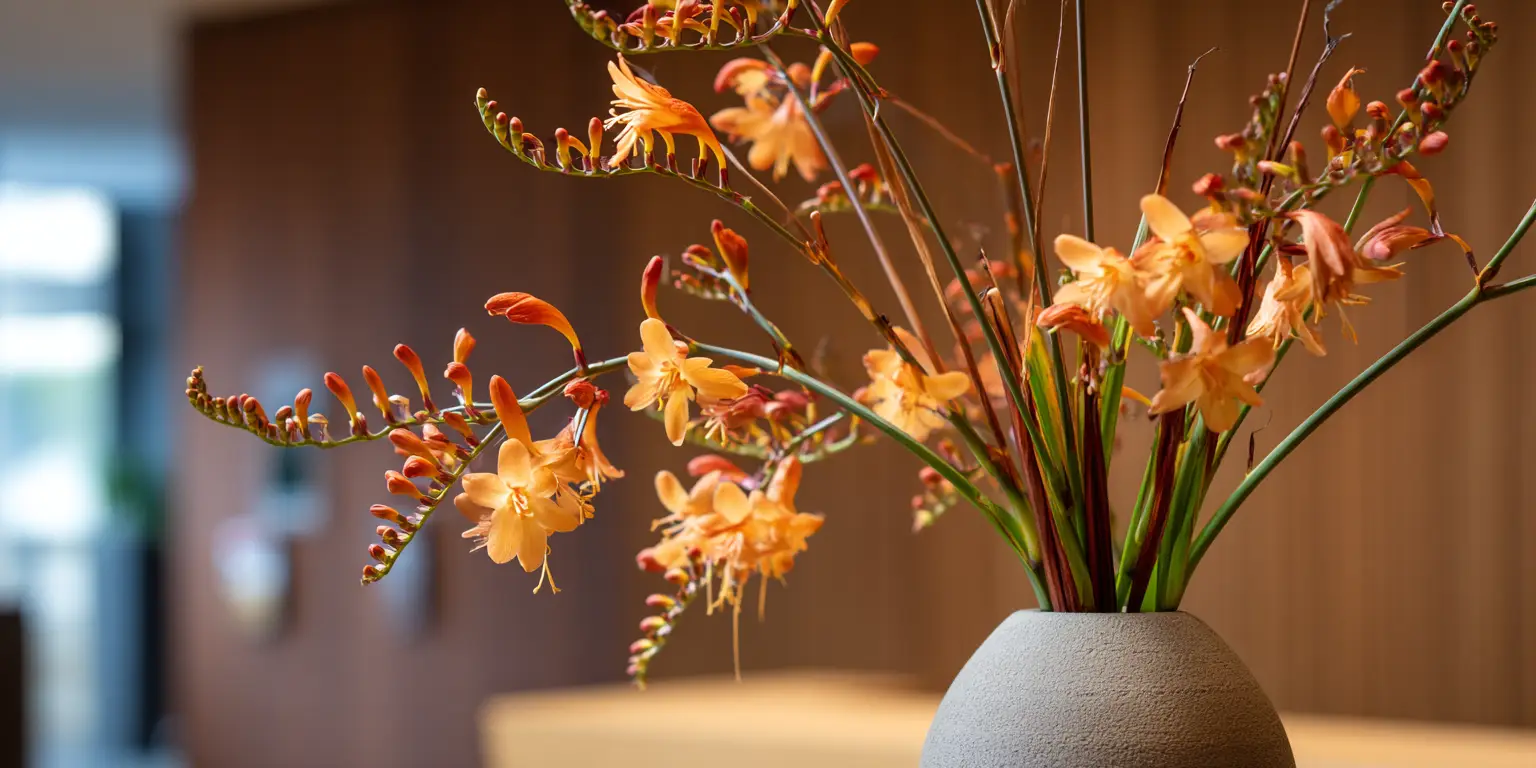
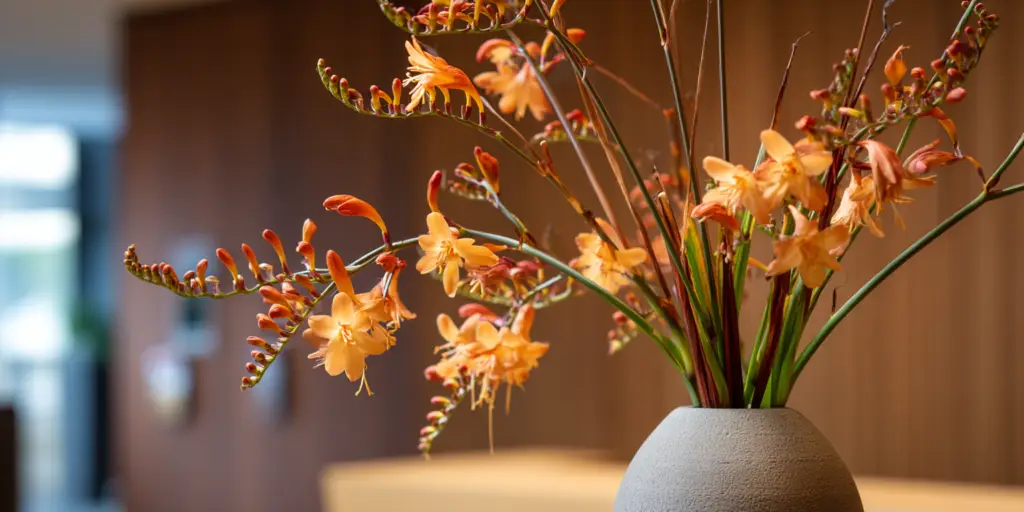
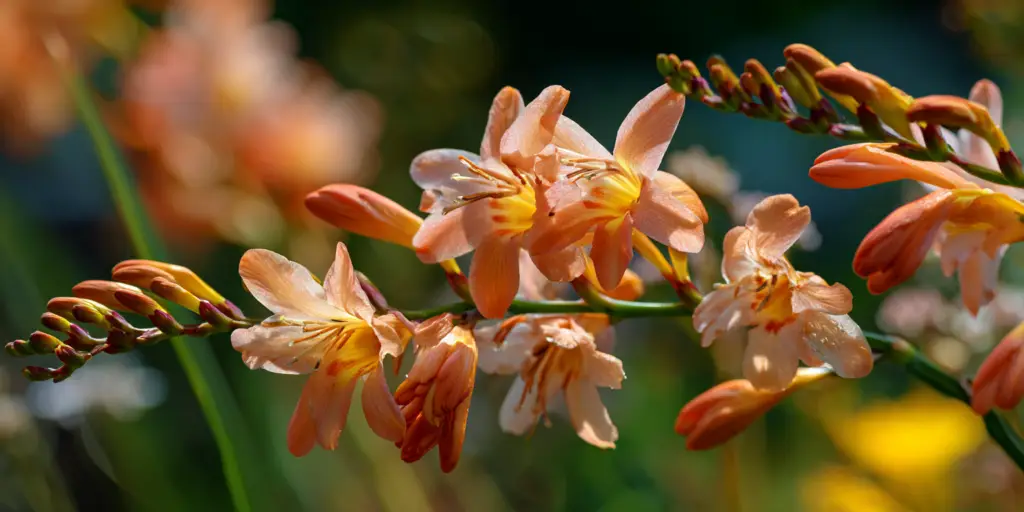
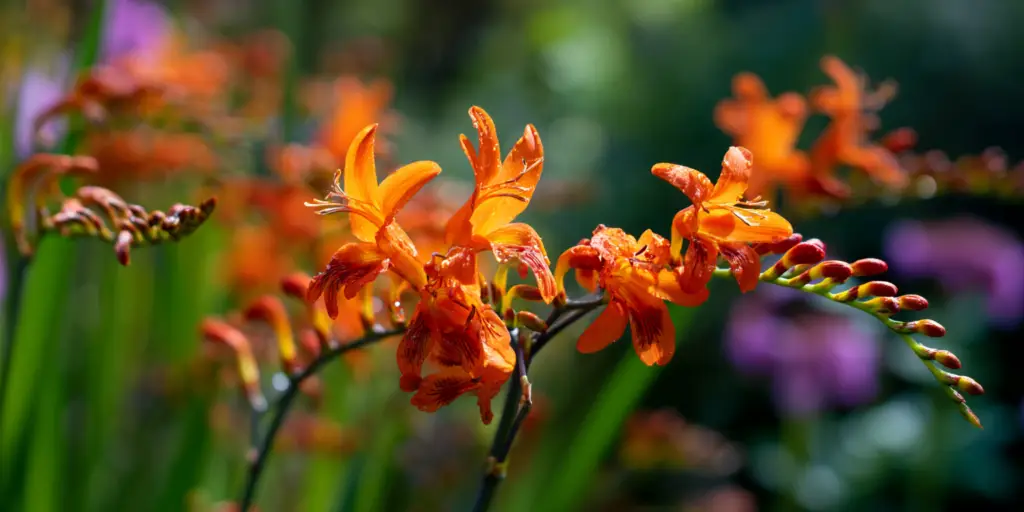
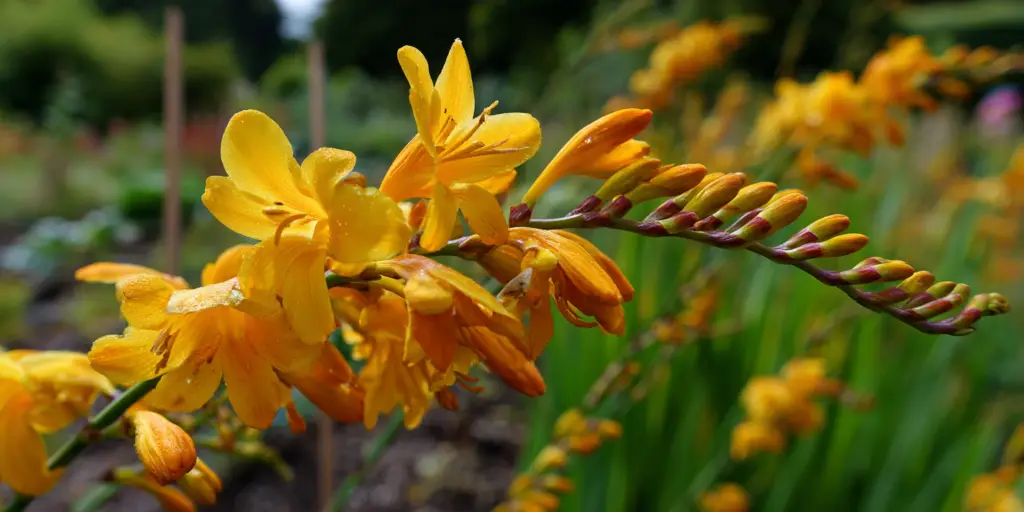
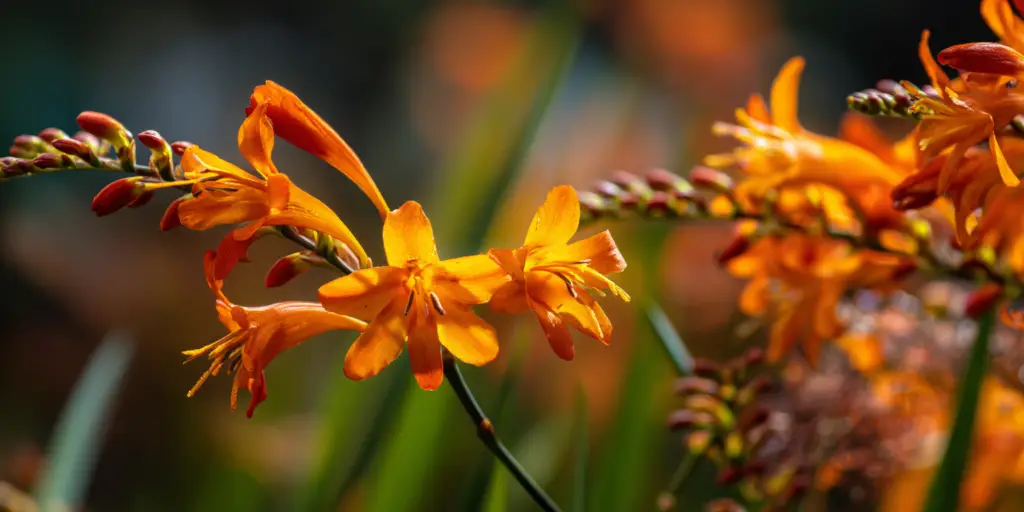
‘Solfatare’ is a distinctive crocosmia grown as much for its bronze-tinted foliage as for its soft apricot-yellow flowers. Plants form compact clumps and bloom in mid to late summer. The foliage color provides contrast to green-leaf perennials, and the shorter stature suits the front of borders. It performs best in full sun to light shade with moist but well-drained soil.

At‑a‑glance

Group/Class: Montbretia; Crocosmia × crocosmiiflora

Height × spread: 18-24 in (45-60 cm) × 12-20 in (30-50 cm)

Bloom window: mid to late summer

Color & flower form: apricot to pale yellow sprays; bronze-tinted foliage

Fragrance: 0 none

USDA hardiness: zones 6-9

Breeder / Year / Origin: unknown, 1897, France

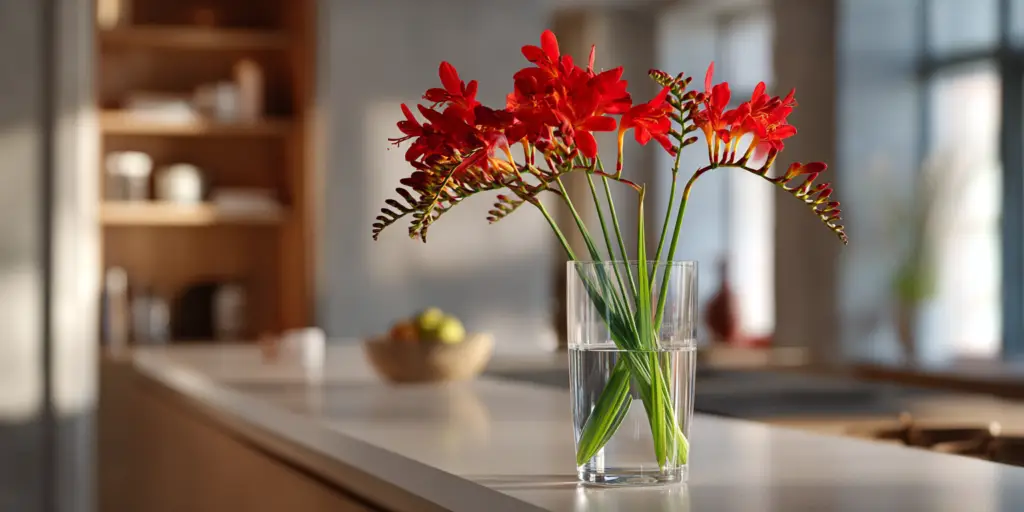
Cut-flower notes: shorter stems; best for small arrangements when cut as lower florets open.

Pet safety: avoid

How it differs

  • Bronze-tinted foliage uncommon in the group.
  • More compact and tidy than many crocosmias.
  • Softer flower color for subtle plantings.

Strengths

  • Good foliage interest beyond bloom.
  • Manages front-of-border placements well.
  • Attracts pollinators.

Care in one minute

  • Choose a site with full sun to light afternoon shade in hot summers.

Soil: moderately fertile and well drained with steady moisture; avoid waterlogged clay.

  • Plant corms 3 to 4 in deep and 3 to 4 in apart in groups; point up and roots down.
  • Water during dry spells in summer; allow the surface to dry slightly between soakings.

Feeding: mix in compost at planting; a light spring feed is sufficient.

  • Deadhead spent sprays; leave foliage to yellow before cutting back; divide congested clumps in spring.

Winter: mulch after hard frost in zone 6; lift and store in colder or very wet winter sites.

Watch‑outs

  • Less cold-tolerant than ‘Lucifer’; mulch or lift at the cold edge of its range.
  • Clumps spread by corms; divide to maintain vigor.

Best uses (tags)

borders, front-of-border, pollinators, late season, contrast-foliage

Provenance note

An early French selection recorded in the late 19th century; valued historically for its foliage color and soft yellow flowers.

References

Written by: Your Flowers Guide editorial team
We are a small independent group of flower lovers who research and review each guide using trusted horticultural and educational sources. Learn more about us