How to Grow and Care for Bearded Iris
Contents
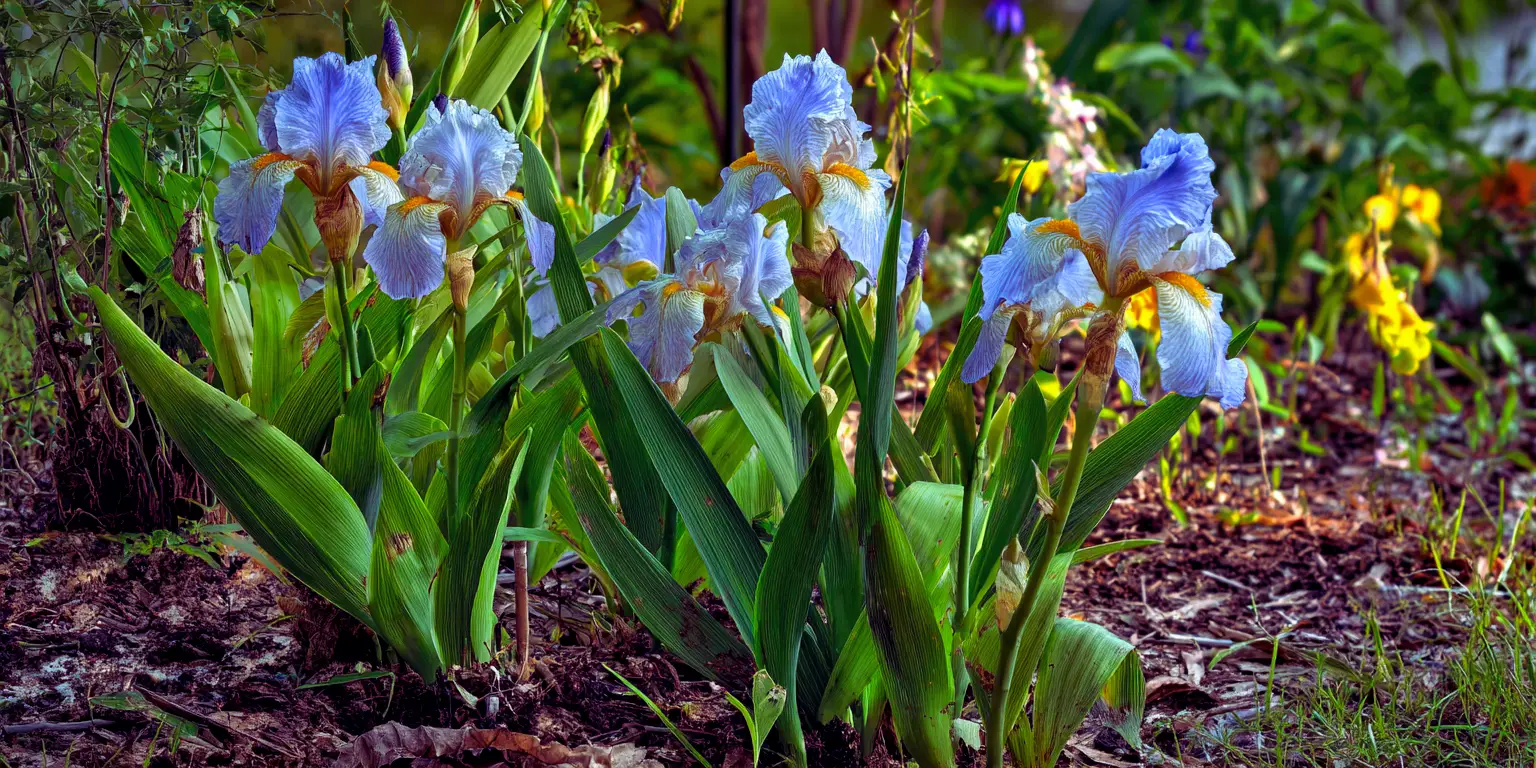
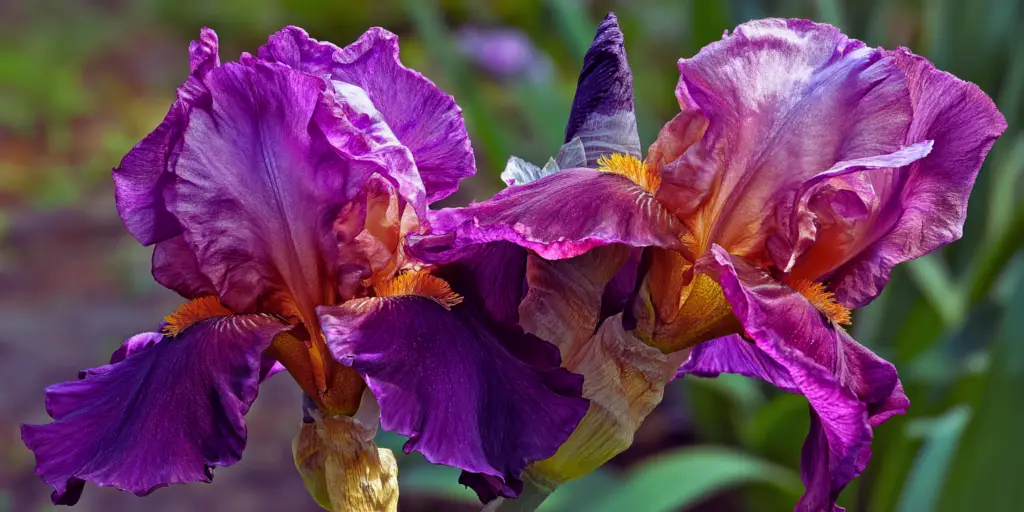
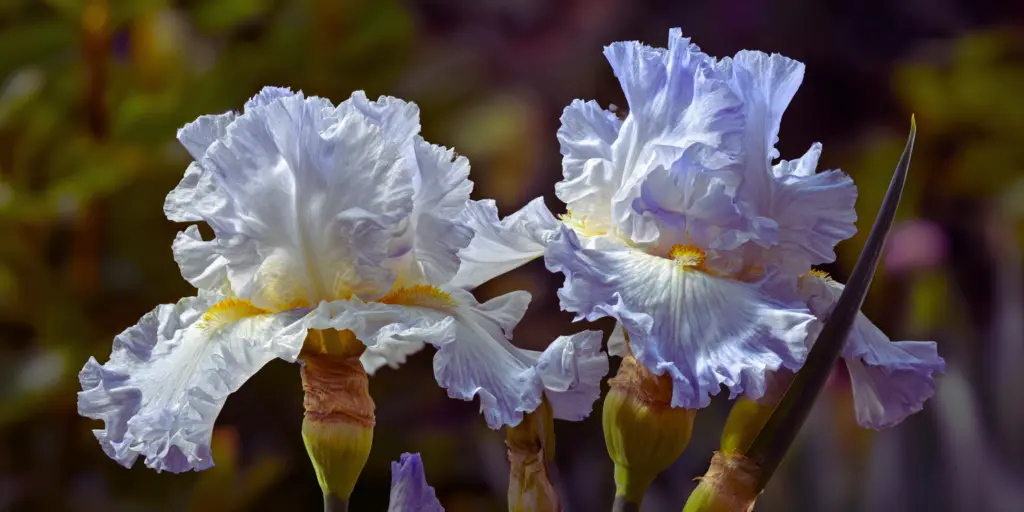
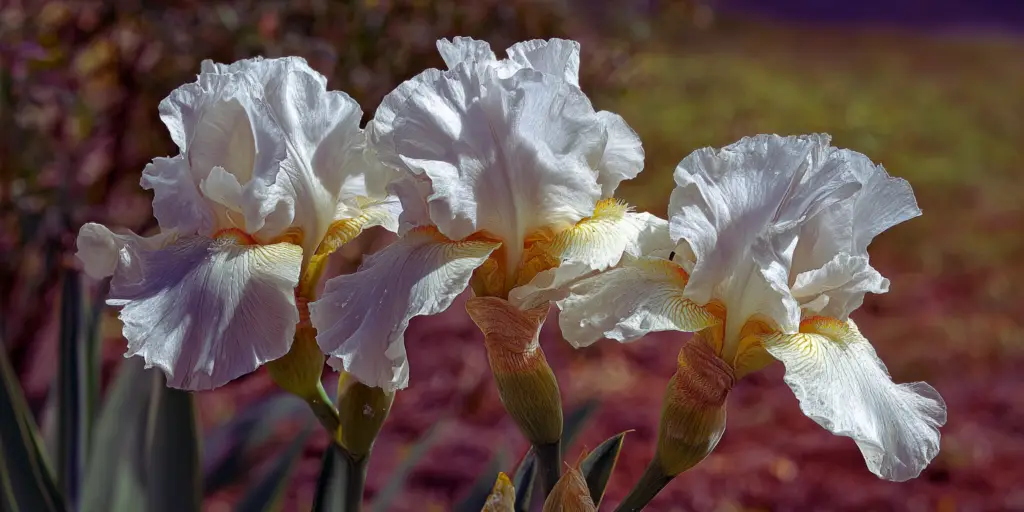
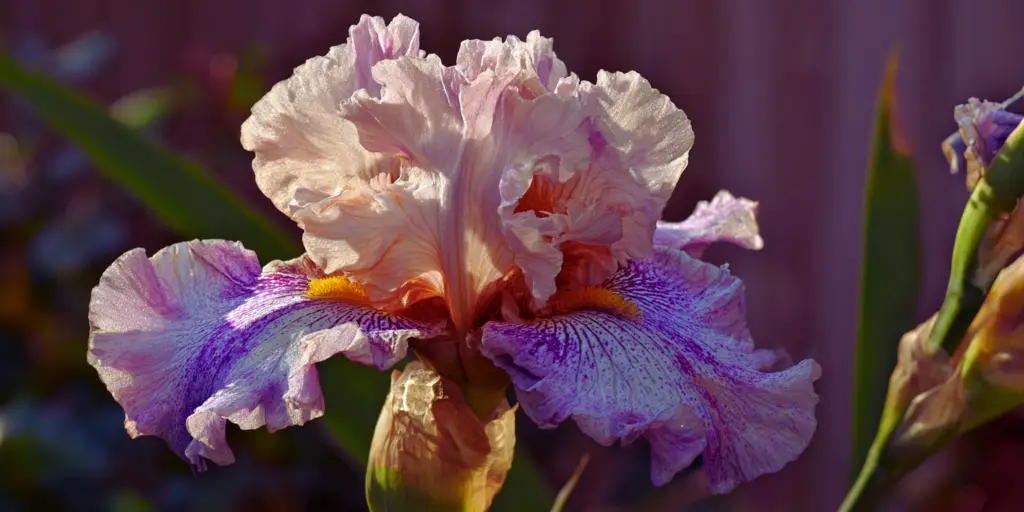
Bearded Iris are rhizomatous perennials prized for dramatic ruffled blooms and swordlike foliage that holds strong form through the season. The accepted botanical name for the tall garden types is Iris × germanica, a complex of hybrids often grouped with closely related bearded classes such as Standard Dwarf, Intermediate, Border, Miniature Tall, and the Tall Bearded types. These plants thrive in full sun and well drained soil and reward you with a reliable spring show, with some cultivars reblooming in late summer or fall where conditions allow. Success with Bearded Iris comes down to a few non‑negotiables: give them six to eight hours of sun, keep the rhizomes near the soil surface, avoid soggy ground, and divide clumps when they thicken and bloom declines. This guide follows the Plant Profiles structure we use across our site to keep steps practical and easy to follow.
Bearded Iris grow across a wide span of climates. Most modern varieties are hardy in USDA Zones 3 to 9 with differences among classes and cultivars. The flowers open from late spring through early summer depending on class and zone. In hot southern sites, light afternoon shade helps petals hold color. In cool northern sites, a sun‑drenched bed is best.
Soil & Bed Preparation
Bearded Iris demand excellent drainage. Sandy loam or friable loam is ideal. Heavy clay can work if you improve structure for faster water movement. The goal is soil that drains but still holds enough moisture to support new roots after planting or division. Add coarse mineral material such as small pea gravel or expanded shale when amending tight soils, and incorporate finished compost in modest amounts to improve tilth. Avoid large amounts of peat or other water‑holding amendments that can keep rhizomes wet for too long. A neutral to slightly alkaline reaction suits Bearded Iris. Aim for pH 6.8 to 7.2. The plants tolerate a bit wider range, roughly 6.5 to 7.8, but performance is most consistent near neutral. In regions with prolonged spring rains or irrigation restrictions, a raised bed gives you better control over drainage and soil structure. Build beds 8 to 12 inches high (20 to 30 cm) with a mineral‑rich mix and a coarse texture. In well drained native soils, in‑ground beds perform equally well and often require less watering in summer. Bearded Iris grow from thick rhizomes that sit near the soil surface. Good aeration around the top of each rhizome is essential. Keep the top exposed to sun in most climates, or cover with only a very light skim of soil in cold or very hot and dry regions. Avoid burying rhizomes deeply, which invites rot and weak bloom.
Improving problem soils.
• If soil puddles after rain, create shallow ridges and plant rhizomes on the crest so crowns sit slightly higher than the path or bed grade.
• In clay, double‑dig or broadfork to 12 inches (30 cm) to break compaction, then mix in coarse sand or small gravel plus compost.
• In very sandy soil, add compost and a small amount of clay loam to slow water loss while keeping surface drainage quick.
Planting Calendar by USDA Zone
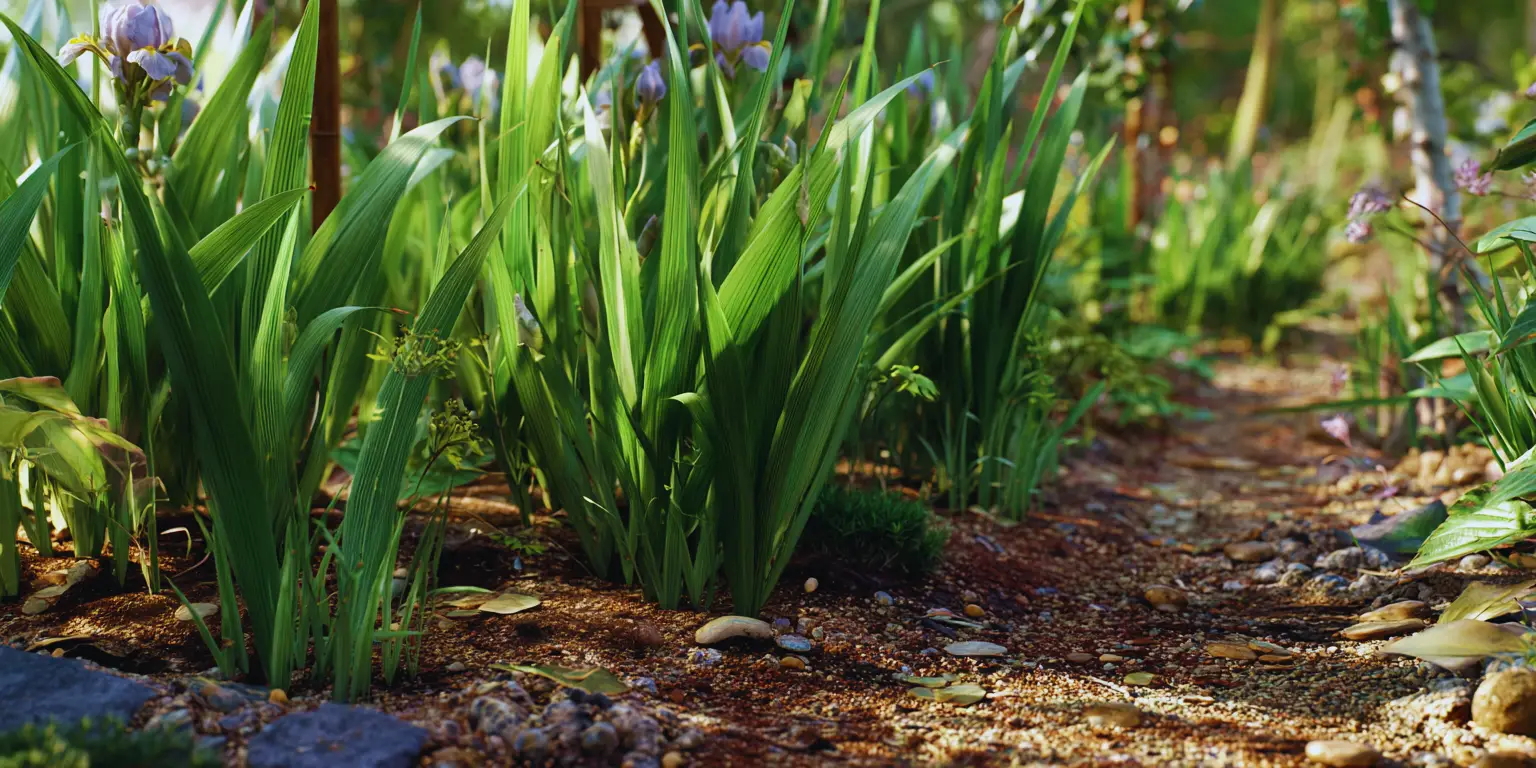
Bearded Iris establish best when planted or divided during the natural rest period after bloom while soils are warm and nights are starting to cool. Adjust windows by your zone and microclimate.
Zones 3 to 4. Plant or divide from mid July to late August. You need four to six weeks of root growth before hard freezes. In very short seasons, plant as soon as divisions are available after bloom. Avoid spring divisions except to rescue plants, since first‑year bloom is often reduced.
Zones 5 to 6. Plant or divide from August to September. In long fall seasons, early October is still workable if the forecast shows mild weather and soil warmth. Spring planting is possible when the ground is workable, with the understanding that bloom may be delayed until the following year.
Zones 7 to 8. Plant or divide from September to October. In Zone 8 with lingering heat, wait until nights reliably fall to 50 to 60 °F (10 to 16 °C). Avoid midsummer planting when soil is hot.
Zones 9 to 10. Plant or divide from October to November once nights cool and fall rains begin. In mild coastal and low desert climates, December can still succeed if soils are warm. In very hot arid regions, protect new divisions from direct afternoon sun for two to three weeks with temporary shade cloth.
Regional caveats.
• Humid East and Upper Midwest. Iris borer pressure and leaf spot increase with lush foliage and debris. Favor fall planting, practice strict sanitation, and provide extra airflow in the layout.
• Arid and High‑Elevation West. Strong sun and big day‑night swings dry rhizomes quickly. Plant slightly deeper with a skim of soil over the top and use temporary shade for new divisions.
• Coastal sites. Wind and salt spray can scorch foliage. Choose a sheltered bed with windbreaks and wash salt drift off leaves after storms.
Planting: Depth & Spacing
Bearded Iris are rhizomatous plants, not bulbs or corms. Planting depth and orientation are the two most important details.
Bare‑root divisions.
• Depth. Set the rhizome so the top is level with the soil surface. In cold or extremely hot zones, cover with only 0.5 inch (1 to 1.5 cm) of soil for protection. The rhizome should feel the sun and air.
• Orientation. Fan the leaves in one direction and point the new growth tip outward into open space. If planting three together, arrange them in a triangle with fans pointing outward.
• Spacing. Tall Bearded: 18 to 24 inches apart (45 to 60 cm). Intermediate and Border: 12 to 18 inches (30 to 45 cm). Dwarf: 8 to 12 inches (20 to 30 cm). For row plantings, keep rows 18 to 24 inches apart to maintain airflow and access.
• Backfill and firming. Build a small mound in the planting hole, drape roots over the mound, backfill, and press gently so the rhizome is steady and does not rock.
• Water in. Water thoroughly once to settle soil around roots, then allow the surface to dry slightly between subsequent waterings during the first two to three weeks.
Container‑grown plants.
• Depth. Plant to the same depth as in the pot, keeping the rhizome top at or barely above the finished soil line.
• Spacing. Follow the spacing above for the size class.
• Acclimation. Harden off nursery plants grown under shade cloth by giving morning sun only for three to five days, then move to full sun over a week.
• Transplant shock minimization. Water the day before planting. Plant in the late afternoon. Trim any damaged leaves to 6 inches (15 cm) to reduce stress. Avoid granular fertilizer in the hole.
Minimizing transplant stress and establishing airflow. Keep leaf fans facing the prevailing wind to reduce rocking. Leave at least 18 inches (45 cm) of open air between tall clumps. In humid climates, increase spacing by 6 inches to help leaves dry quickly after rain.
Watering & Mulching
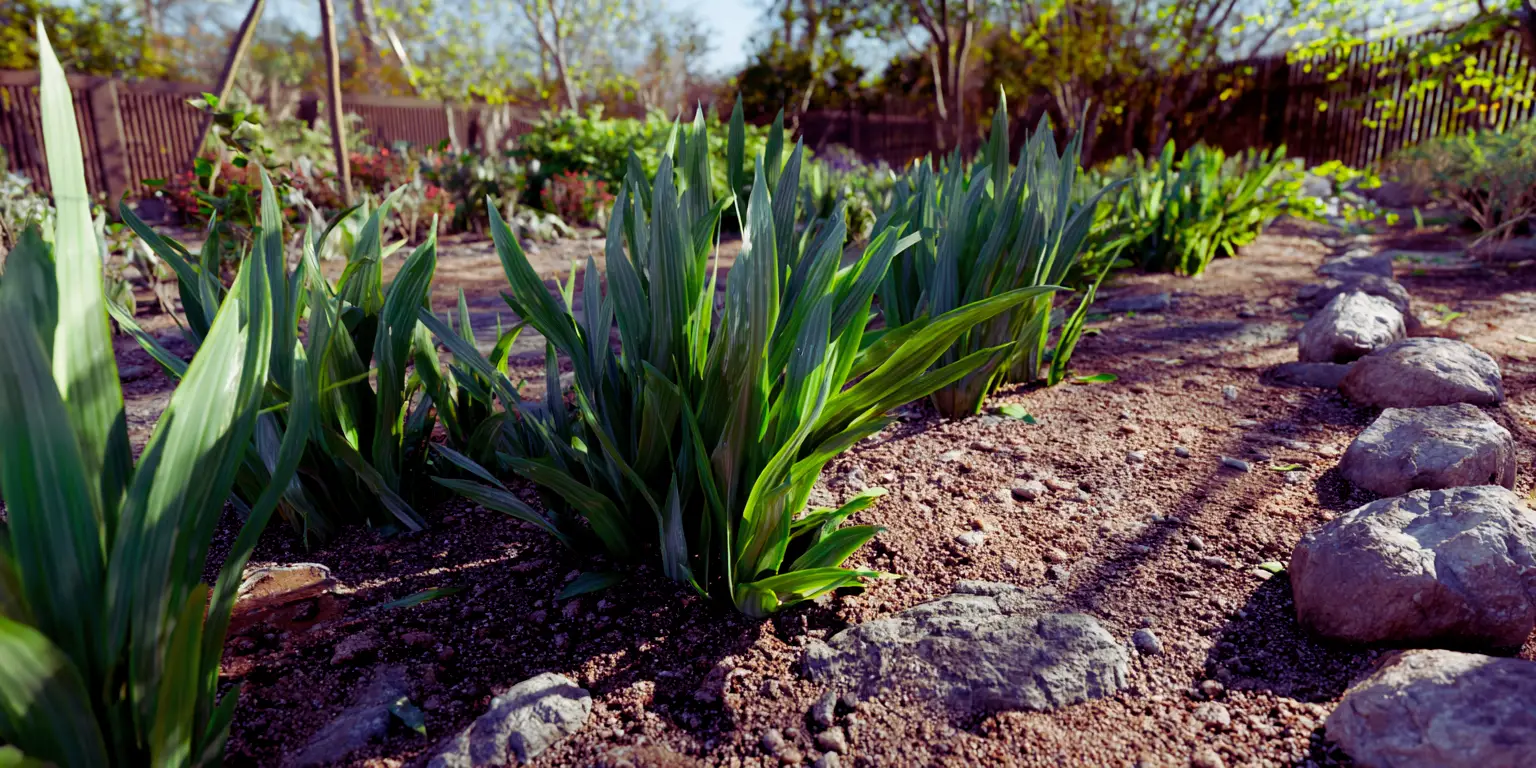
After planting or division, water deeply to moisten the root zone to 6 inches (15 cm). During the first two to three weeks, water when the top inch of soil is dry. In most climates this means once per week. In hot, windy spells you may need two light waterings per week. Always let the surface dry before watering again. Established Bearded Iris prefer slightly on the dry side. In many regions they need little to no supplemental water except during prolonged drought. During bud formation in spring, provide about 1 inch of water per week from rain or irrigation if soils are very dry. Overwatering is the fastest way to invite rhizome rot. Use mulch cautiously. A thin layer helps with weed control and summer soil moderation, but heavy mulch against the rhizome traps moisture.
• Apply 1 inch (2.5 cm) of fine gravel, pine straw, or shredded bark between clumps, but keep a 2 to 3 inch (5 to 8 cm) mulch‑free ring around each rhizome.
• In cold regions, a winter mulch of clean straw or pine needles 2 to 3 inches thick can be applied after the ground freezes to prevent freeze–thaw heaving. Remove it promptly in early spring so rhizomes can warm and dry. In heat waves, shade new divisions with a board or shade cloth for the hottest part of the day for one to two weeks. In long droughts, deep soak at the dripline rather than frequent light sprinkles. Avoid overhead watering in the evening, which prolongs leaf wetness overnight. Hard irrigation water can nudge soil pH upward over time. If you garden on calcareous soils and see pale leaves that are not due to pests, check pH and adjust slowly toward neutral.
Feeding
Feed lightly in early spring as new growth begins and again just after bloom, only if a soil test indicates low fertility. Skip fertilizer in late summer and fall when plants should be maturing and hardening. Choose a low‑nitrogen fertilizer such as 5‑10‑10 or 6‑10‑10. High nitrogen promotes lush leaves and increases the risk of soft rhizomes and rot. Organic options include blended natural fertilizers that supply similar N‑P‑K ratios and bone meal for phosphorus. Always confirm with a soil test before adding phosphorus in areas where soil P runs high. For established clumps, use a light hand. Apply a modest sprinkle around, not on, the rhizome and water it in. For bed‑wide feeding, broadcast according to the label for perennials and keep granules several inches away from each rhizome. If the previous season’s bloom was strong and foliage is a healthy green, you can skip feeding altogether. Maintain 3 to 5 percent organic matter for most garden soils. Renew with a thin top‑dressing of compost in fall, kept away from rhizomes. Re‑test the soil every two to three years to avoid creeping imbalances.
Pruning & Support
Remove spent flowers promptly to keep the clump tidy. When the last flower on a stalk finishes, cut the stalk at its base near the rhizome. Leave healthy green leaves in place through summer so the plant can photosynthesize and store energy. In late summer or early fall when foliage begins to look tired, trim leaves to about 6 inches (15 cm) during division or replanting to reduce wind rock and disease spread. In areas with iris borer pressure, remove and destroy dead leaves and any soft or infested rhizome pieces before winter. Most Tall Bearded Iris stand on their own when spaced well. In very windy sites or with extra large blooms, a discreet single stake placed behind the fan can prevent lodging. Place stakes at planting so roots are not disturbed later. Clean pruners between clumps with 70 percent isopropyl alcohol or a 1 to 10 bleach solution. Rinse and dry tools after bleach. Do not compost diseased leaves or soft rhizomes.
Overwintering
In Zones 3 to 5, freeze-thaw cycles can heave rhizomes. After the ground freezes, apply a loose winter mulch of straw or pine needles 2 to 3 inches thick (5 to 8 cm) between clumps. Do not bury rhizome tops. Remove mulch in early spring once hard freezes pass. If a late cold snap arrives after emergence, cover clumps overnight with a breathable frost cloth or overturned buckets and remove covers in the morning. In Zones 6 to 9, winter mulch is usually unnecessary. Keep beds clean and well aired. Where winter rains are heavy, improve drainage and keep mulch pulled back from rhizomes to prevent soft rot. Voles may chew rhizomes in winter. Gravel in the planting zone discourages tunneling. Where damage is persistent, line the bed with hardware cloth or set individual rhizomes in baskets of hardware cloth before backfilling. As soon as you see steady warming and active leaf growth, pull all protective material back so the rhizome surface can warm and dry. Leaving winter cover in place too long is a common cause of rot.
Growing Environments
Dwarf and smaller bearded classes adapt well to pots. Tall Bearded can be grown in large containers for display and division but need extra care. Use a pot at least 12 inches deep and 12 to 16 inches wide (30 to 40 cm). A wider bowl works best because rhizomes spread sideways. Ensure generous drainage holes. Use a coarse, fast‑draining mix with a mineral fraction. A good starting blend is two parts high‑quality potting mix to one part fine pine bark and one part perlite or small gravel. Plant the rhizome so the top sits at or slightly above the potting mix. Water to settle and then water only when the top inch is dry. Full sun is best. In hot regions, give containers morning sun with a short break from late afternoon heat. Protect pots from persistent winds that rock tall stalks. On reflective patios, monitor moisture since containers warm quickly. Feed lightly in spring, deadhead promptly, and divide every one to two years. When a clump fills the pot and bloom falls off, divide after its bloom season and refresh the mix.
Companion Planting & Design
Bearded Iris offer their peak flower display in spring and then settle into strappy leaves. Combine them with companions that mask spent stalks and keep color moving. Classic partners include peonies, catmint, salvias, alliums, and low ornamental grasses. Early bulbs such as daffodils give you a head start on color. Later perennials like daylilies carry the border through summer. If you are curating by hue, browse our guides to purple, blue, yellow, and white flowers to build harmonious palettes around your cultivar choices. Our anchor topics reflect the way readers explore color families and plant types across the site. Keep at least 18 inches (45 cm) between Tall Bearded clumps and large neighbors to promote air movement. Avoid crowding that shades rhizomes. Lift and divide when clumps fill in and fans begin to overlap, usually every three to four years depending on vigor.
Pollinator notes. Bearded Iris attract a range of bees during bloom. For continuous forage in the border, combine with long‑blooming perennials. Think of a layered plan: spring Iris and alliums, early summer salvias and catmint, midsummer coneflowers, and late summer asters. If you love classic combinations, consider pairing Iris with roses or spring tulips for a traditional cottage border, and consult our wedding flowers guide if you are planning seasonal color for events.
References
- North Carolina State University Extension Plants Database. Iris × germanica.
- University of Maryland Extension. Iris Borer on Flowers.
- ASPCA. Toxic and Non‑Toxic Plants: Iris.
- Chicago Botanic Garden. Plant Information: Iris.

Written by: Your Flowers Guide editorial team
We are a small independent group of flower lovers who research and review each guide using trusted horticultural and educational sources. Learn more about us