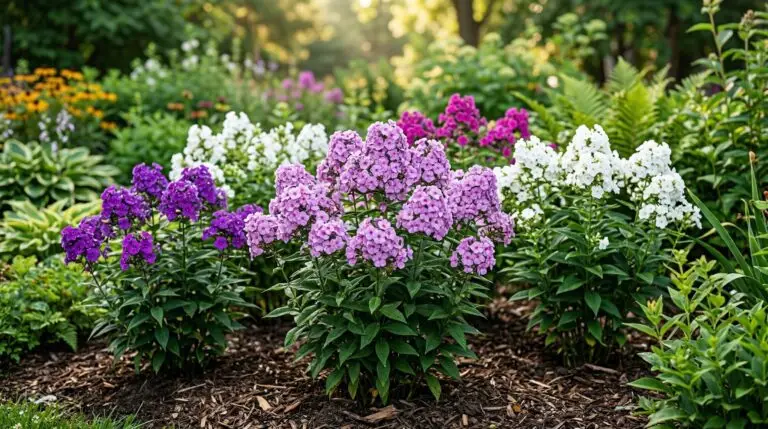
Late winter awakening in the woodland garden
Late winter is when the ground is still cold, often patched with snow and smelling of thawing mud. This is the time to walk the shade borders looking for the very first signs of life. The creeping stems of Phlox stolonifera hold onto their leaves through the cold months, pressing flat against the damp leaf litter. Meanwhile, Phlox divaricata, the classic woodland phlox, begins to show tiny purple-green nodes at the base of last year’s stems. The light in the woods is still harsh and direct because the trees have no leaves to filter the sun. You might see the early flowers of hellebore already nodding in the chill, signaling that the woodland garden is waking up. The air remains sharp, but the soil is softening just enough to let the phlox roots stir.
The transition from winter to true spring happens slowly under the trees. The daytime temperatures creep upward, melting the morning frost before noon. The dark, rich soil of the shade garden absorbs the weak sunlight and begins to warm. You can feel a change in the humidity, a certain heaviness in the air that promises rain. The woodland phlox responds to this subtle shift by pushing new growth out from its shallow crown.
Early spring growth and the spread of green
When you hear the spring peepers calling from the wet areas at night, it is time to watch the shade phlox stretch. The stems of Phlox divaricata elongate quickly, reaching upward with opposite pairs of soft green leaves. If you need to move or divide your established patches, this early window is the right time to do it. The soil is workable, moist, and forgiving of disturbed roots. You can gently lift a clump with a garden fork, tease the shallow root systems apart, and replant them further down the path. Companion plants are also emerging, and you might notice the fuzzy leaves of forget-me-not expanding nearby. The phlox stems thicken by the day, eventually forming tight green buds at their tips.
The canopy above remains open just long enough for the spring rains to soak the ground directly. Robins pull worms from the damp earth around the expanding phlox colonies. The green buds on the phlox begin to show faint hints of color, swelling at the top of the sticky stems. The garden holds its breath before the great spring display begins.
The blue and lavender canopy of mid-spring
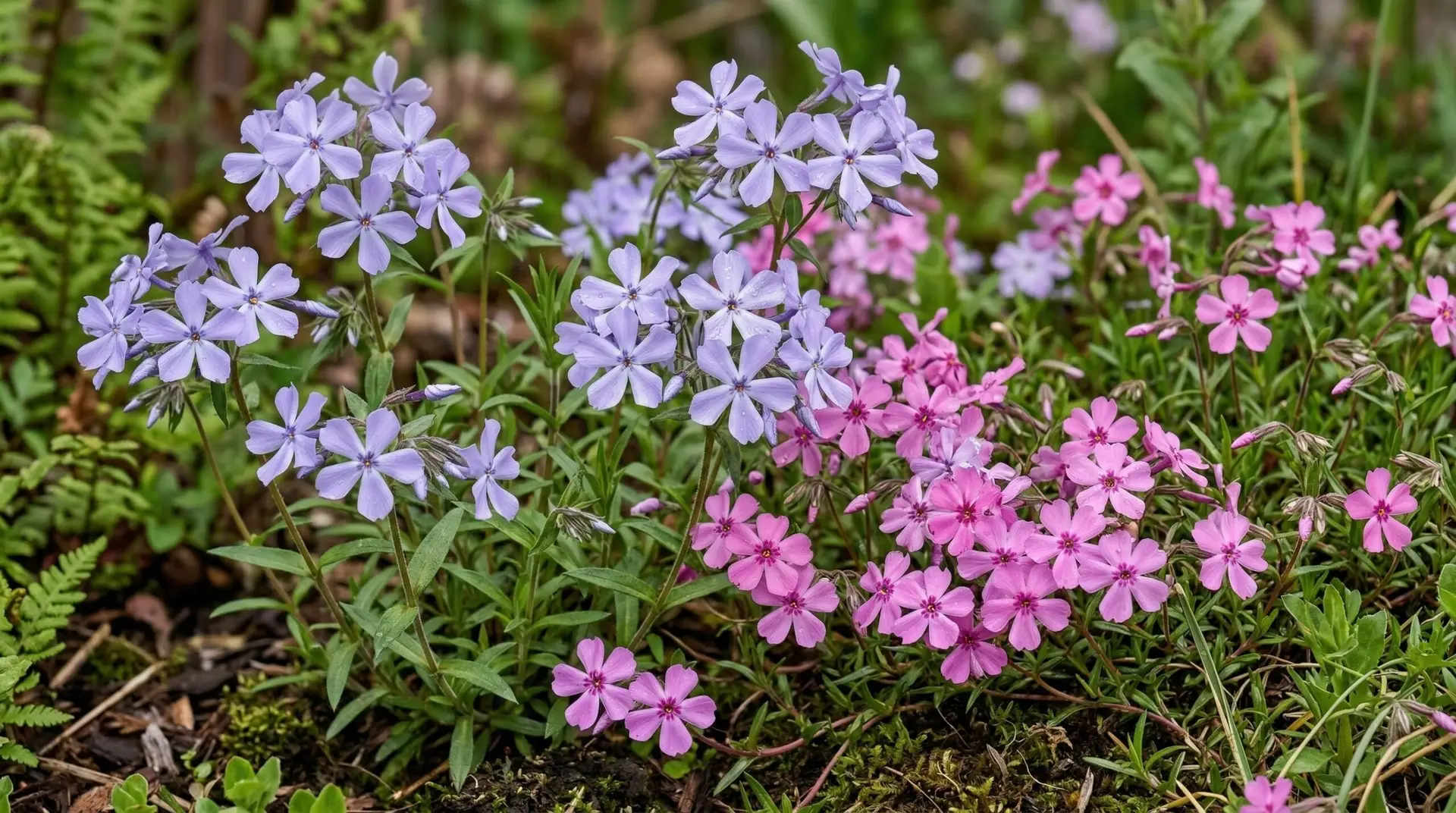
By the time the oak leaves are the size of a mouse’s ear, the woodland phlox opens entirely. The five-petaled flowers form loose clusters, creating a low cloud of blue, lavender, and soft white across the shaded beds. The scent is unmistakable, a sweet and powdery fragrance that hangs in the cool morning air. Swallowtail butterflies, newly emerged, find the tubular flowers and linger on the wide petals to feed. The color of Phlox divaricata shifts depending on the light, appearing almost pink at dawn and glowing with an icy blue in the evening shadows. They weave naturally through the fading foliage of early bulbs and the pink buds of Virginia bluebells. The display lasts for several weeks, completely transforming the bare earth into a solid mass of color.
Eventually, the flowers begin to drop, littering the ground with pale petals. The trees overhead finally leaf out completely, casting deep shadows over the beds below. The sweet fragrance fades from the air, replaced by the green smell of growing ferns and warm soil. The woodland phlox transitions from its reproductive phase back into a quiet period of vegetative growth.
Summer shade and quiet root growth
Summer in the shade garden is a test of endurance and moisture. The tall stems of Phlox divaricata can be sheared back after the bloom finishes, which tidies the plant and encourages fresh basal foliage. Phlox stolonifera handles the summer heat by creeping outward, sending runners across the mulch and rooting wherever a node touches damp earth. The canopy above protects them from the scorching afternoon sun, but the large trees also drink heavily from the soil. The gardener must watch the weather, stepping in with a hose when the summer rain fails to penetrate the leafy roof. The phlox leaves may look tired or dusty during a dry August, but the plants are remarkably resilient. They rest quietly in the heavy humidity, holding their ground while the summer perennials take the spotlight in other parts of the yard.
The days grow shorter, and the angle of the sun dips lower in the sky. The intense heat breaks, bringing cool mornings that leave heavy dew on the phlox leaves. Crickets replace the cicadas in the evening chorus. The woodland phlox senses the shift in light and temperature, slowing its outward spread to prepare for the cold.
Autumn leaf fall and winter rest
Autumn arrives with a cascade of falling leaves that blanket the shade borders. This natural mulch is exactly what the woodland phlox needs to survive the coming freeze. The decaying leaves replenish the organic matter in the soil, feeding the shallow roots of the phlox colonies. You do not need to rake the beds clean, because the phlox evolved to live under this very debris. The upright stems of Phlox divaricata die back completely, disappearing into the brown layer of the forest floor. Phlox stolonifera keeps its low mats of foliage green, peeking through the gaps in the fallen oak and maple leaves. The garden grows silent, the soil temperature drops, and the frost hardens the top layer of earth. And then, just as the first hard snow covers the ground, the roots below are already storing energy for the next spring.
More About Phlox
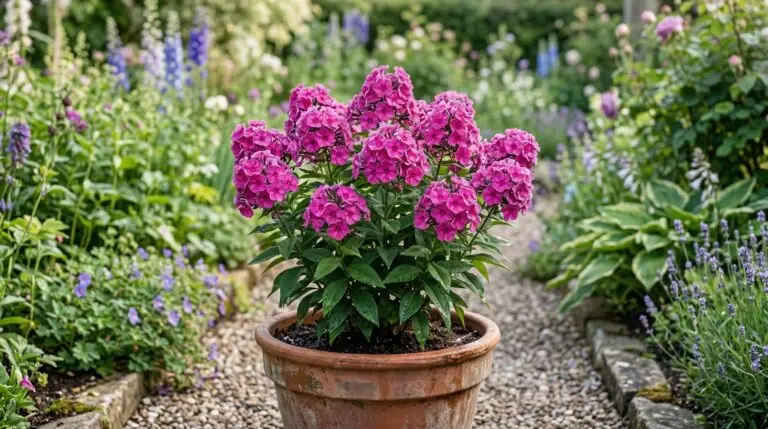
Growing phlox in containers for fragrant summer displays on patios and balconies
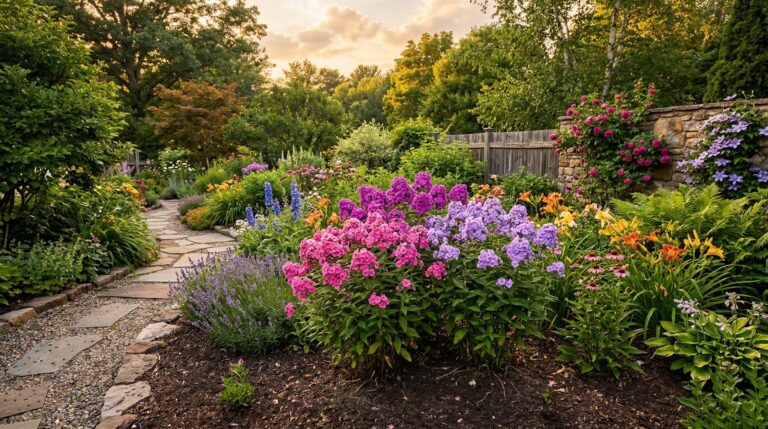
Dividing tall garden phlox every few years for stronger plants and more flowers
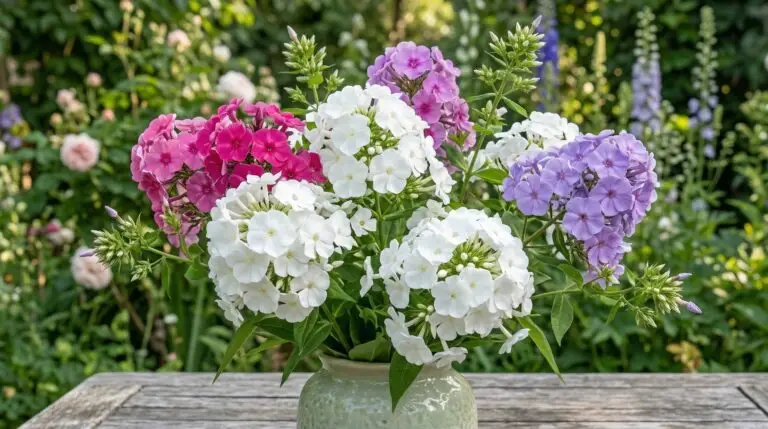
Best phlox varieties from mildew-resistant David to brilliant Starfire
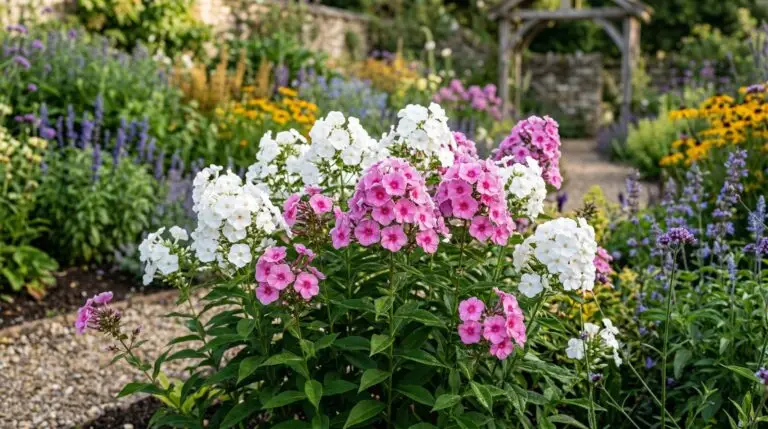
How to grow garden phlox for fragrant flower clusters that dominate the midsummer border
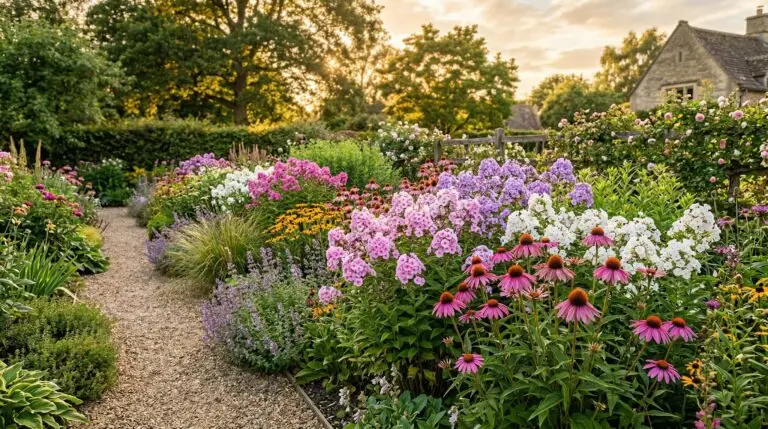
Companion plants for phlox: what to grow and what to avoid
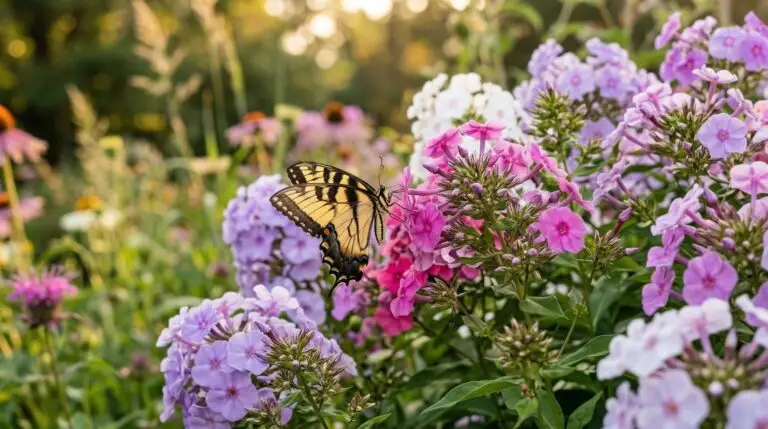
Phlox as a butterfly and hummingbird magnet for fragrant pollinator gardens
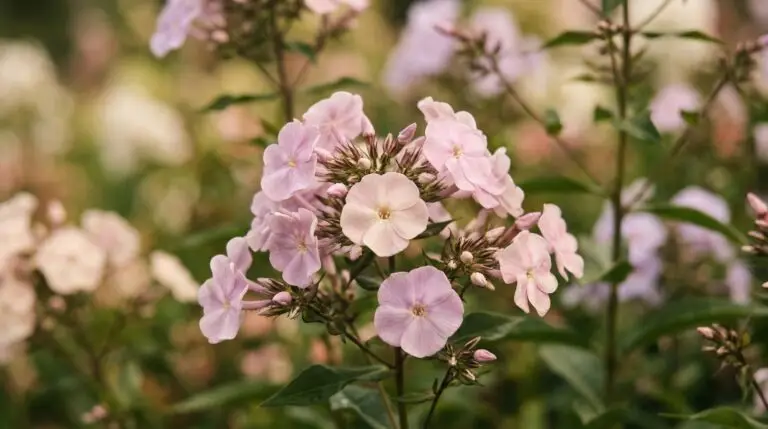
Phlox flower meaning and the sweet agreement this bloom represents in the language of flowers
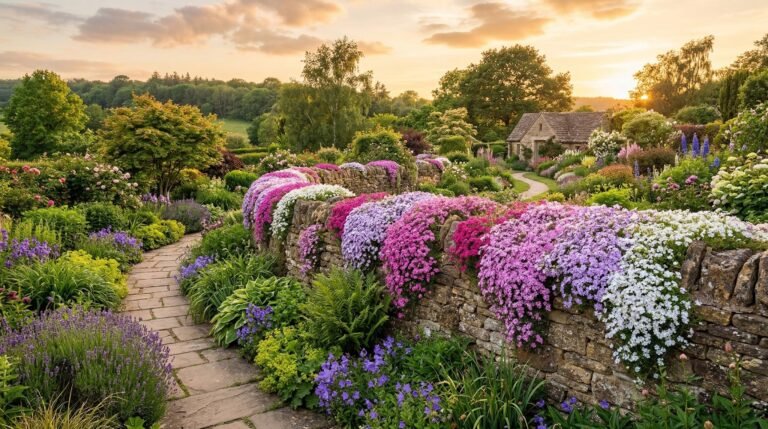
Creeping phlox for spring ground cover that turns slopes into rivers of color