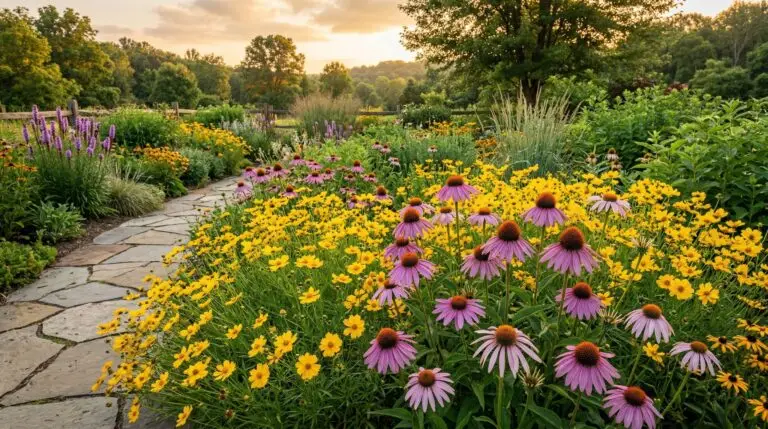
The morning sun crests the ridge and hits the eastern edge of the field, catching the dew on the deeply lobed leaves of the coreopsis. For a brief hour, the moisture holds the light, turning the ragged foliage into something luminous before the heat of the day burns it away. I watch a solitary sweat bee land on the flat, yellow disk of a newly opened bloom. Its legs are already heavy with pollen gathered from the damp center. This is the quiet work of a native coreopsis. It opens its simple flowers to whatever winged life happens to pass through the morning air. It does not demand rich soil or careful tending, asking only for a patch of open sky and a chance to set its roots deep into the gravelly earth. The plant seems to understand the harshness of late summer better than the cultivated garden varieties, which droop and wither when the rains fail. Here in the dry grass, the coreopsis stands firm on wiry stems, a bright and persistent presence against the fading green of the season.
To understand this plant is to look past the individual blossom and see the whole community of the meadow. A coreopsis wildflower never truly grows alone in the wild. It prefers the tangled company of deep-rooted prairie grasses and other sun-loving perennials. The roots weave together beneath the surface of the soil, sharing moisture and holding the earth against the scouring winds of early spring. Above ground, the delicate foliage provides cover for ground-nesting sparrows. The constant succession of blooms feeds a wide variety of native bees, hoverflies, and small butterflies. When you plant a meadow, you quickly learn that species rely on one another for physical support as much as ecological balance. The tall, stiff stems of a Black Eyed Susan will often catch and hold the leaning stalks of the coreopsis after a heavy storm. Together, they form a dense canopy of leaves that shades the soil, suppresses weeds, and keeps the root zone cool through the worst of the August heat.
The architecture of the roadside
We often encounter these flowers at sixty miles an hour, a blur of gold along the grassy shoulder of an interstate highway. Decades ago, highway departments realized that constant mowing of steep embankments was both costly and destructive. The constant cutting caused widespread erosion and a loss of habitat. They began sowing native seed mixes into the disturbed soil of the medians. These plantings relied on the deep taproots of native species to hold the graded earth in place. The Florida coreopsis state wildflower designation came about largely because of this visible presence. The title honors the plant that paints the state highways with bright yellow blooms through the long summer months. These roadside plantings are more than just a scenic distraction for weary drivers. They are continuous corridors of habitat. These pathways allow pollinators to move across fragmented agricultural areas and find nectar in places where the native prairie has long been plowed under. Watching a monarch butterfly navigate the turbulent air currents of a passing semi-truck to reach a patch of coreopsis reveals the sheer resilience of these wild systems.
Bringing this wild resilience into the home garden requires a shift in how we think about cultivation and control. Growing native coreopsis from seed teaches a gardener the slow, sometimes frustrating practice of waiting for nature to take its course. You scatter the small, dark seeds over bare soil in the late autumn. The freezing and thawing of the winter ground naturally works the seed into the earth. When the seedlings finally emerge in the warming days of spring, they look fragile and easily lost among the aggressive early weeds that crowd the garden bed. Thinning these tiny plants feels like a small act of cruelty. You pull up life that you just coaxed into being, but crowded plants compete for light and water until none of them thrives. You learn to space them out. The remaining plants will soon fill the empty earth with their sprawling, airy growth. By their second year, they require almost no intervention. They thrive in the lean, unamended soil that would starve a heavy-feeding vegetable crop.
The turning of the season
As the heavy heat of summer finally breaks, the meadow enters a different phase of its life. The plants shift from the production of nectar to the setting of seed. The bright yellow petals of the coreopsis wither and drop away. They leave behind tight, dark seed heads that look like small, dried buttons atop the stiff stems. Many gardeners feel the urge to cut these stems down to tidy the garden and remove the signs of decay before winter arrives. Leaving the dead stalks standing is an exercise in seeing beauty in the architecture of the fading year. Soon enough, the goldfinches arrive in small, chattering flocks. They cling to the wiry stems and pull the seeds from the dried husks. They work through the patch of coreopsis methodically. Often, they join the late-season pollinators that are busy visiting a nearby Goldenrod in the cooling autumn air. The garden is no longer just a collection of flowers, and becomes a pantry for the creatures that must survive the coming frost.
The cycle of the coreopsis reminds us that a garden is never a static picture. It is a long conversation between the soil, the weather, and the creatures that inhabit the space. When the first hard freeze finally turns the stems brittle and gray, the plant retreats into the earth. It holds its energy in the thick roots that sleep beneath the frost line. The seeds that the finches missed fall to the ground. They settle into the damp leaf litter where they will wait for the warming light of another spring. A late-blooming Aster might hold the last color in the yard, but the coreopsis has already finished its work for the year. There is a deep comfort in this predictable rhythm. The plant has secured its future without any need for human hands. We are only observers in this quiet process, fortunate enough to witness the brief, bright blooming and the slow, necessary fading that follows. The meadow will return, and the yellow flowers will open again to the morning sun.
More About Coreopsis
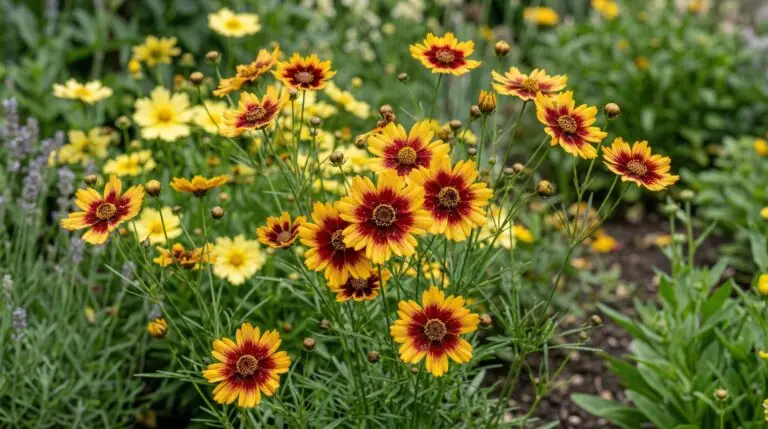
Red and bicolor coreopsis varieties that go beyond the usual yellow
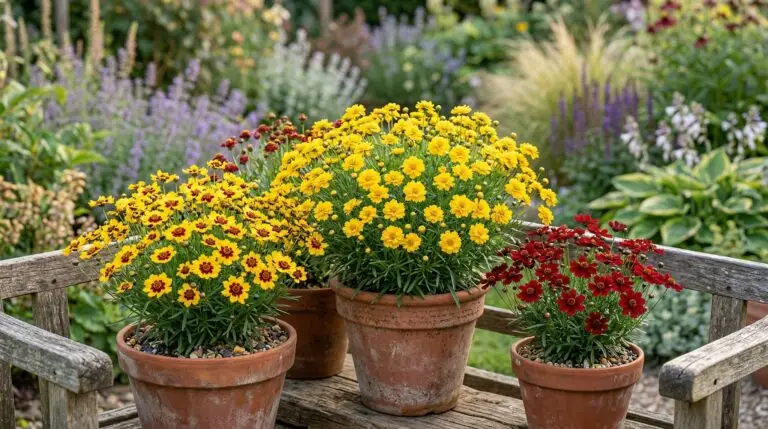
Coreopsis in containers and window boxes for sunny spots that need easy color
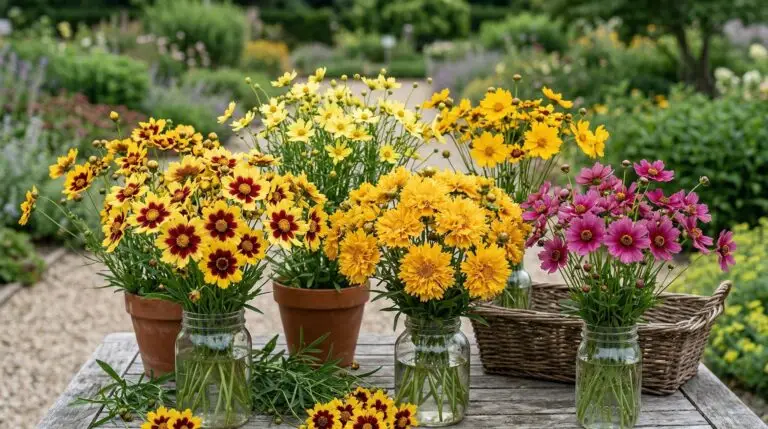
Thread-leaf coreopsis Moonbeam and why it is one of the finest perennials ever bred
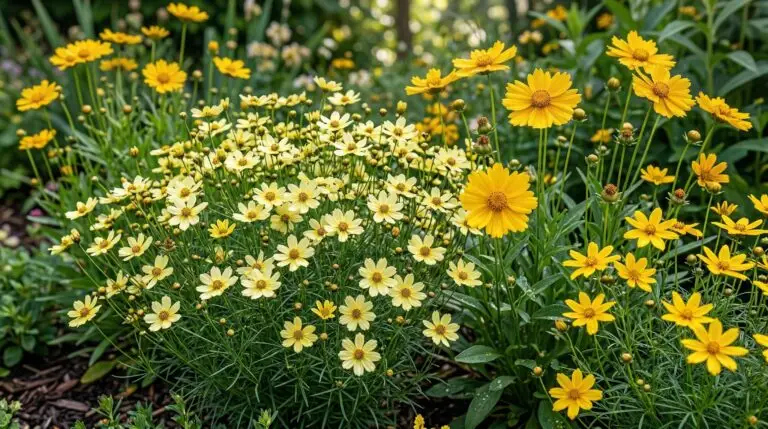
Best coreopsis varieties for non-stop golden blooms from early summer to frost
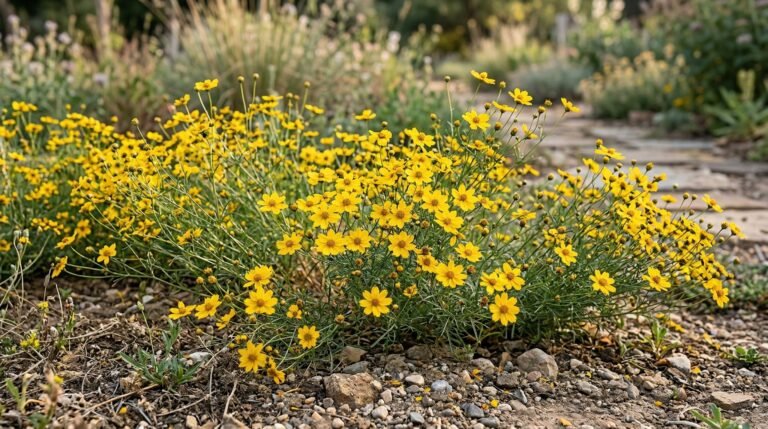
How to grow coreopsis as a carefree perennial that thrives on neglect
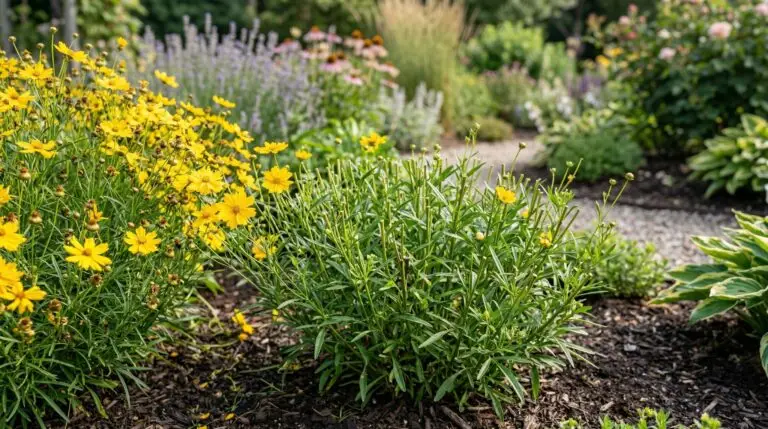
Why coreopsis stops blooming in midsummer and how to keep flowers coming
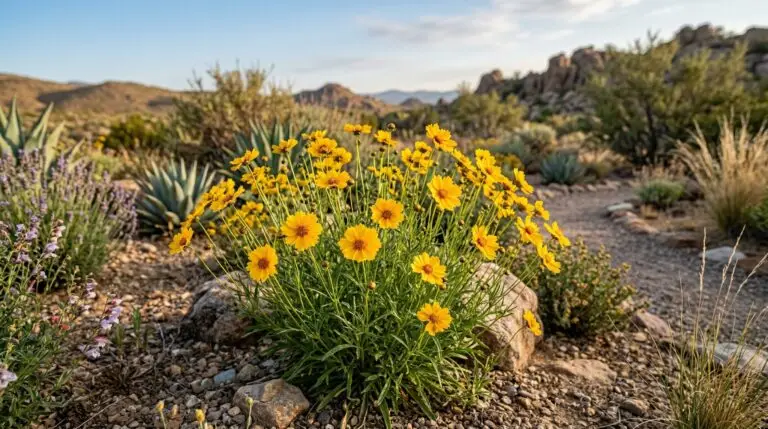
Coreopsis for xeriscaping and dry garden conditions where other flowers struggle
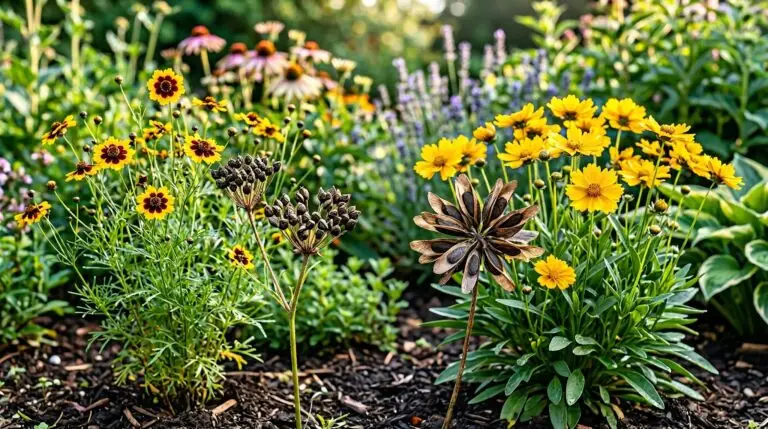
Growing coreopsis from seed for masses of budget-friendly garden color