If you examine a wild snapdragon, scientifically known as ‘Antirrhinum majus’, you will find a highly specialized floral structure. The flower features a personate corolla, which is a tubular shape with a closed lip or jaw. This tight closure evolved as a selective barrier in the rocky hillsides of the Mediterranean. It requires an insect with significant body weight, like a bumblebee, to land on the lower lip and pry the flower open to access the nectar inside. The Madame Butterfly snapdragon completely abandons this evolutionary defense mechanism. Instead of a tightly closed jaw, it presents a wide open face packed with layers of ruffled petals.
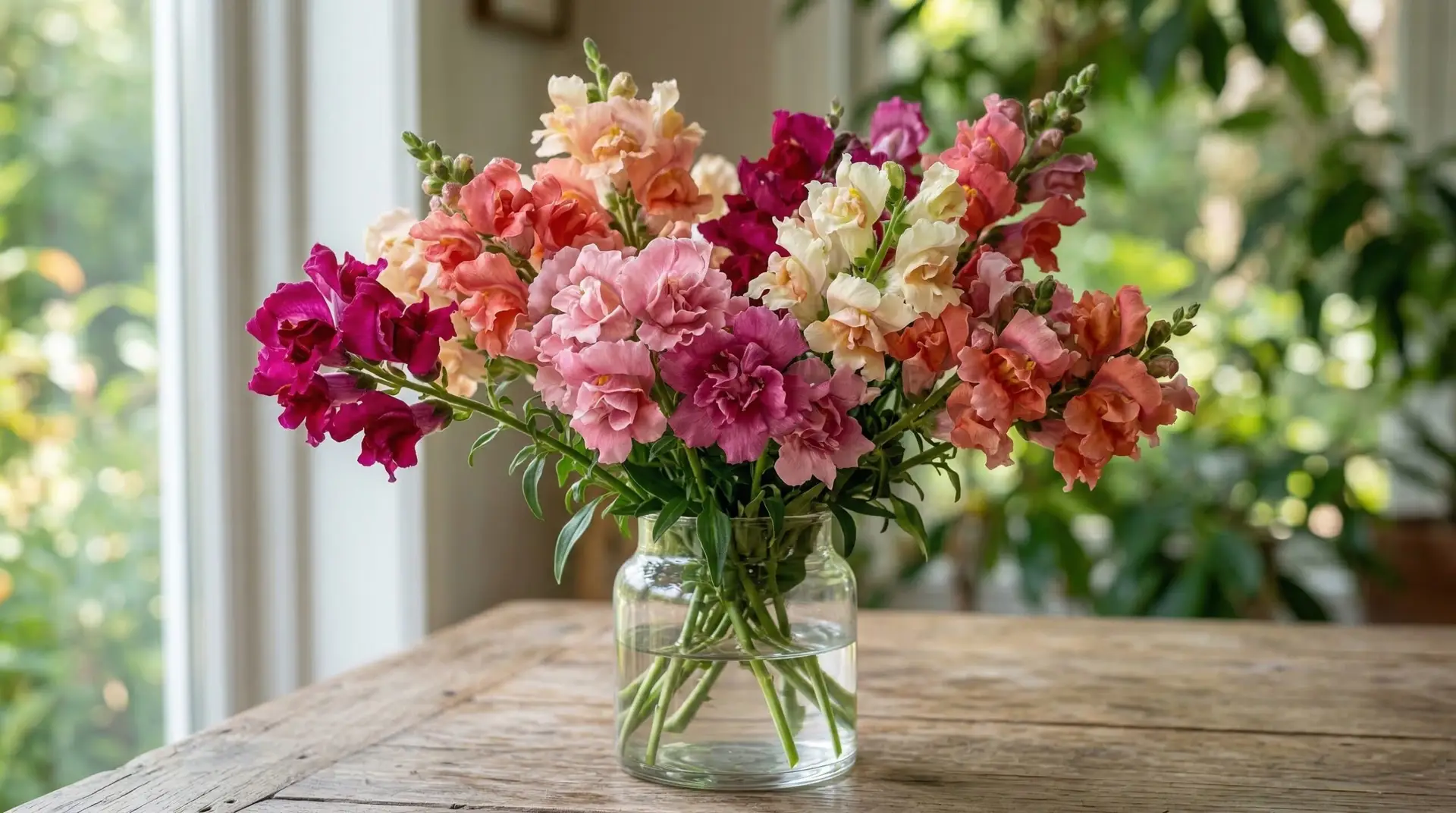
This dramatic transformation in appearance is the result of a fascinating botanical mutation. Flowers develop their parts in concentric rings called whorls, starting with sepals on the outside, then petals, stamens, and finally the pistil in the center. In a double snapdragon, a genetic shift causes the stamens, which normally produce pollen, to develop as extra petals instead. This creates a voluminous, ruffled bloom that looks remarkably like miniature sweet peas clustered along a tall stem. Because the flower redirects its energy from producing pollen to building extra petal tissue, the blooms often last longer on the plant. The reproductive organs are altered, shifting the plant’s biological focus entirely toward its visual display.
The architecture of an open face
Plant breeders refer to this wide, flaring shape as the azalea form. You can see a similar structural shift in the popular Chantilly series, which also features an open-faced snapdragon design. The primary difference lies in petal count. While the Chantilly varieties have a single layer of flared petals, Madame Butterfly combines the open-faced trait with the double-flowering mutation. The result is a highly complex, textured blossom that completely lacks the characteristic snap of its wild ancestors. Without the closed lip to protect the center of the flower, the nectar and reproductive structures are suddenly exposed to the elements and a much wider variety of insects.
This structural change alters the ecological interactions taking place in your garden. The original closed shape evolved to prevent nectar robbing by smaller, inefficient insects that would take the sugar without successfully transferring pollen. By opening the flower entirely, Madame Butterfly invites a different cast of characters. You will often see smaller solitary bees and butterflies landing directly on the exposed center. They interact with these complex blooms much like they would approach a flat, open Cosmos flower, landing easily without needing to force their way into a tight floral tube.
Root mechanics and structural support
Understanding the underground biology of ‘Antirrhinum majus’ explains exactly how to keep these heavy-blooming plants healthy. Snapdragons develop a fibrous, relatively shallow root system adapted to rocky soils that drain rapidly after rainstorms. They require consistent moisture to build their tall cellular structures but will quickly succumb to root rot in compacted clay soils lacking oxygen. The Madame Butterfly snapdragon produces exceptionally large, heavy flower spikes that can reach up to thirty inches tall. Because the root system remains shallow, these top-heavy plants often struggle to stay upright in windy conditions or heavy rain.
The physical shape of the double flowers also changes how the plant interacts with water. A traditional snapdragon has a smooth upper hood that naturally sheds raindrops away from the delicate interior of the flower. The ruffled, open layers of the Madame Butterfly series catch and hold water, significantly increasing the weight of the flower spike after a storm. This added weight makes physical support systems like horizontal netting or individual staking essential for proper growth. If you cultivate them alongside heavy-headed spring blooms like Ranunculus, you will notice they share similar needs for cool growing conditions and structural reinforcement.
Cultivation for premium cut flowers
The Madame Butterfly snapdragon is highly prized as a premium cut flower because its complex form adds significant volume to floral arrangements. Snapdragons are geotropic, meaning their growing tips possess specialized cells that sense gravity and will always curl upward if the stems are laid horizontally. They are also sensitive to ethylene gas, a natural plant hormone that accelerates aging and causes the lowest flowers on the spike to drop off. The double petals of the Madame Butterfly varieties are physically denser and tend to remain attached to the stem longer than standard single varieties. Harvesting the stems when the lowest three or four florets have opened ensures the upper buds have enough stored carbohydrates to continue expanding in the vase.
The existence of this plant provides a clear window into the relationship between plant genetics and human cultivation. A mutation that breaks a highly specialized, bee-dependent pollination mechanism would likely fail to reproduce and survive in the wild Mediterranean scrubland. In our gardens, this exact breakdown of the snap mechanism creates a visually complex flower that thrives precisely because we value its form. We have replaced the heavy bumblebee as the primary selector of its survival, trading a brilliant evolutionary function for an extraordinary botanical anomaly.
More About Snapdragon

Companion plants for snapdragons: what to grow and avoid
Snapdragons as cool-season cut flowers for spring bouquets when summer flowers are months away
How to grow snapdragons for vertical spikes of color that bloom in cool weather
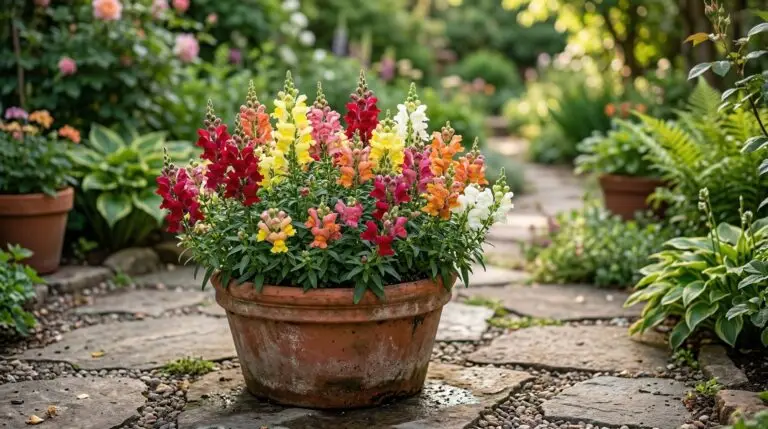
Snapdragons in containers and window boxes for vertical drama in small spaces
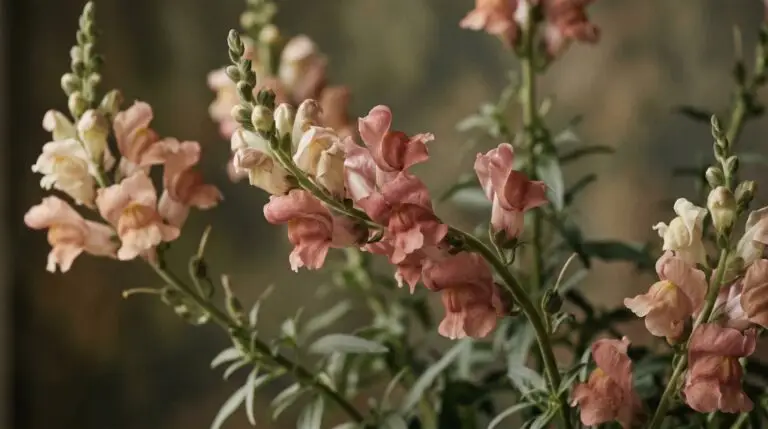
Snapdragon flower meaning and the dragon mouth shape that delights children everywhere
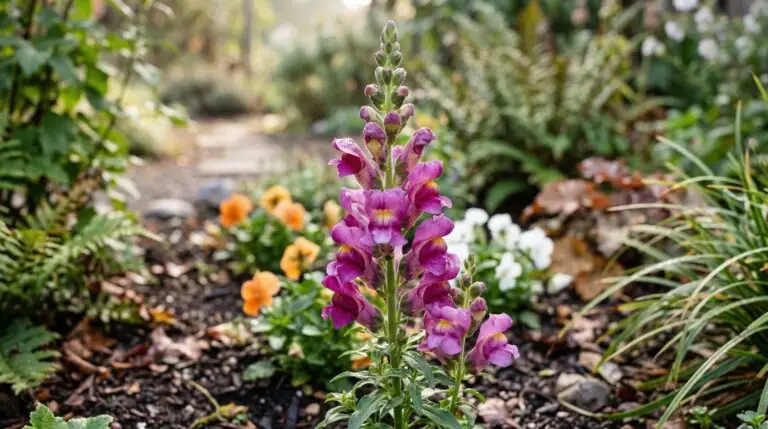
Why snapdragons die in summer heat and how to grow them as fall flowers instead
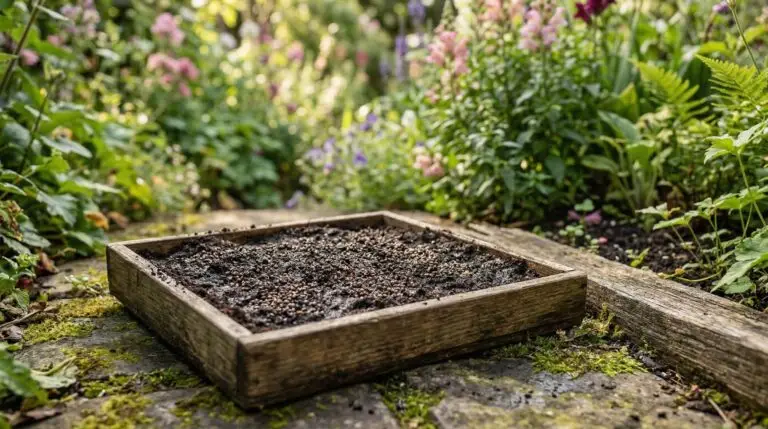
Growing snapdragons from seed and the tiny seeds that need light to germinate