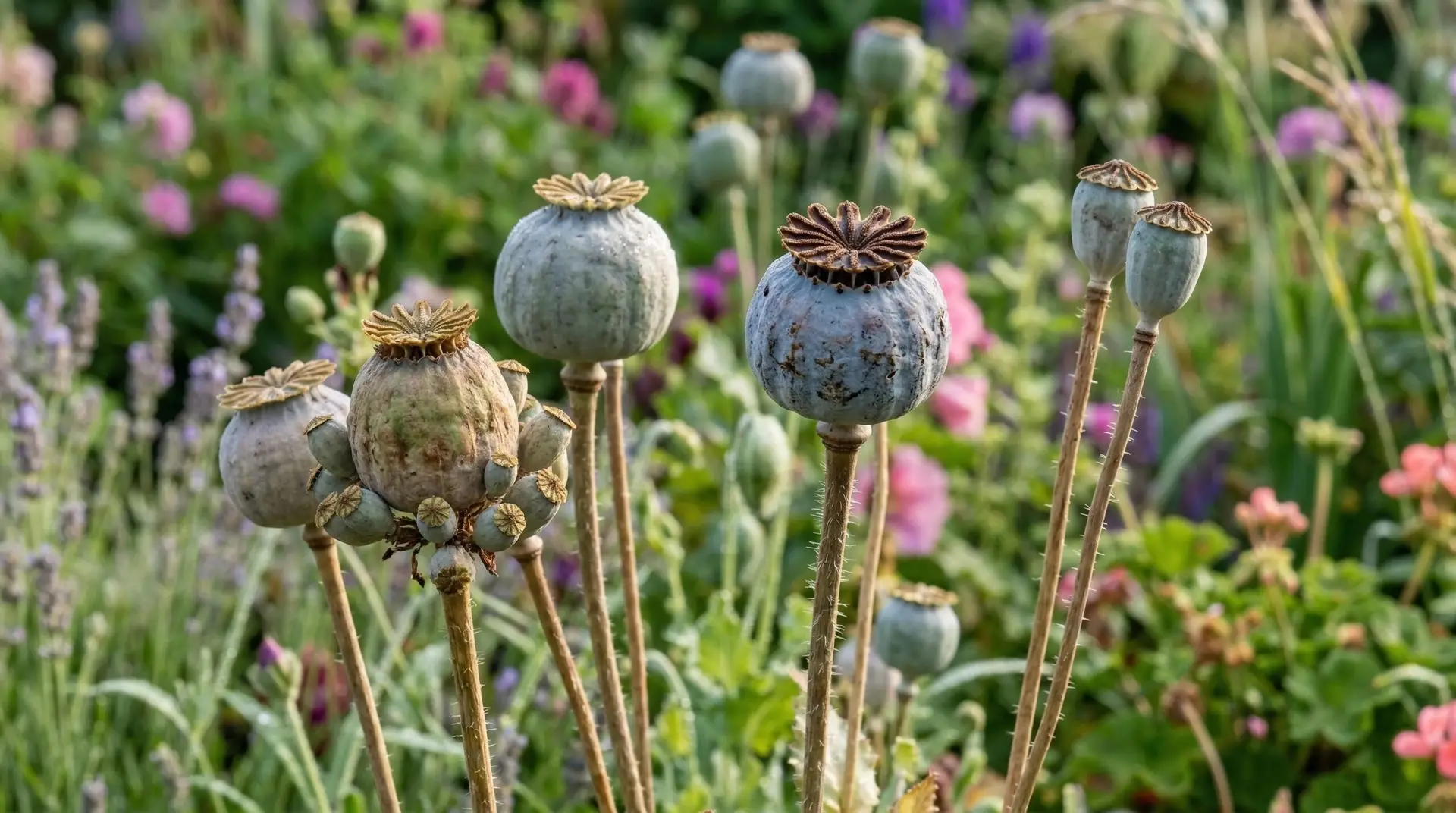
Late summer mornings bring a distinct shift to the garden as the morning dew clings to forms that have traded their soft petals for something far more permanent. Where tissue-paper blooms danced in the early season breezes, sturdy green urns now stand atop stiff stems. These are the poppy seed pods, quietly maturing under the August sun while the rest of the border begins its slow fade. Rubbing a thumb over the ribbed crown of a ripening pod reveals a texture that feels almost like carved wood. Soon, the green fades to a muted blue-gray, and a gentle shake produces the dry rattle of hundreds of tiny seeds enclosed within. Gardeners often focus entirely on the brief, bright floral display, yet the true structural beauty of the poppy emerges only after the petals drop. Capturing this phase transforms an ephemeral garden favorite into a lasting piece of sculptural art.
There is something satisfying about extending the life of a garden beyond the first frost by bringing these structural elements indoors. Dried poppy pods offer a strong architectural presence that anchors delicate dried arrangements and winter crafts. Their perfectly symmetrical crowns and ridged, swelling bases look almost manufactured, like tiny finials cast from bronze or carved from pale stone. Preserving these forms requires nothing more than a bit of observation and timing, turning the end of the growing season into a second harvest.
Cultivating poppies for their sculptural aftermath
While almost all poppies produce interesting seed heads, certain varieties develop pods that command attention in dried flower arrangements. The breadseed poppy, known botanically as Papaver somniferum, produces the largest and most dramatic forms for crafting. These robust plants send up thick, glaucous stems that support pods reaching the size of golf balls, topped with prominent, star-shaped caps. Some gardeners prefer the smaller, more delicate urns of the Shirley poppy, which cluster beautifully in tight bunches and add a subtle texture to smaller displays. Planting a mix of these varieties in early spring ensures a diverse harvest by late summer. Allowing the plants enough space to develop strong, straight stems ensures they will hold up well during the drying process. Thinning the seedlings ruthlessly in May feels difficult, but it guarantees the remaining plants have the resources to build those substantial, architectural seed heads.
Watching the pods develop becomes a daily ritual as the summer heat intensifies and the foliage begins to wither. The transition from flower to mature pod takes several weeks, during which the structure swells and hardens. Leaving them on the plant allows the stems to stiffen naturally, though heavy rains or strong winds can snap the top-heavy stalks. Careful observation helps determine the exact moment when the pods have achieved their maximum size but have not yet begun to weather and degrade in the elements.
Timing the harvest for perfect preservation
Knowing exactly when to cut poppy seed pods dictates how well they will perform in lasting crafts and arrangements. The ideal harvesting window opens when the pods shift from bright, fleshy green to a dusty, glaucous blue-gray. At this stage, the tiny vents just beneath the star-shaped crown may just be starting to open, signaling that the seeds inside are fully mature. Cutting too early results in shriveled, brown pods that lack the crisp ridges and defined shape that make them so desirable. Waiting too long exposes the pods to damp autumn weather, which can cause dark spotting or weaken the stems until they bend under their own weight. A sharp pair of bypass pruners is all that is needed to cleanly sever the stem near the base of the plant. Stripping away any remaining brittle leaves immediately after cutting leaves a clean, smooth stalk that dries beautifully.
The drying process requires a dry, dark, and well-ventilated space to preserve the subtle color of the stems and pods. Gathering the stems into small bundles of five or six prevents them from crushing each other while allowing air to circulate freely around every pod. Tying the bundles with a rubber band rather than string ensures the grip remains tight as the stems shrink and lose moisture over time. Hanging them upside down from rafters or a drying rack keeps the stems perfectly straight as they cure over the next two to three weeks.
Crafting with architectural forms
Once fully cured, dried poppy pods become incredibly versatile materials for autumnal and winter crafts. Their rigid, rounded shapes provide a solid visual weight that contrasts beautifully with the airy, delicate textures of other dried garden botanicals. A late-season wreath gains immediate structure when a cluster of large breadseed poppy pods is wired into the focal point. They pair exceptionally well with the papery, balloon-like seed heads of Love-in-a-Mist, creating an arrangement rich in geometric contrast. The muted, natural tones of the poppy pods blend seamlessly into rustic, farmhouse-style decor, bringing a piece of the quiet winter garden indoors. Many floral designers rely on these pods to establish the structural framework of an arrangement before filling in the gaps with softer, more colorful materials. The stems are surprisingly strong, allowing them to be pushed directly into dry floral foam or woven tightly into grapevine wreath bases without snapping.
While the natural grayish-tan hue of a dried poppy pod possesses its own quiet charm, these smooth surfaces also accept paint beautifully. A light dusting of metallic gold or copper spray paint highlights the fine ridges and the starry crown, transforming the organic pod into something resembling a precious metal ornament. Whitewashing the pods with a diluted acrylic paint creates a frosted, wintry appearance that suits holiday centerpieces. Modifying the pods with color allows them to fit into any design scheme while maintaining their distinct, recognizable silhouette.
Designing arrangements for lasting beauty
Building a dried flower arrangement around poppy seed pods requires thinking about contrasting shapes and textures. The solid, smooth surface of the pod demands a companion with a rougher, more fragmented appearance to keep the eye moving through the display. The spiky, spherical blooms of Globe Thistle offer a distinct textural counterpoint, matching the poppy’s geometric presence while introducing a sharp, bristly element. Adding the flat, horizontal landing pads of dried Yarrow creates distinct layers within a vase, giving the arrangement depth and architectural interest. Because poppy pods carry significant visual weight, placing them lower in the arrangement or clustering them near the rim of the vase anchors the entire design. The stems can be trimmed to varying lengths, allowing the pods to stair-step up the center of the display like a collection of miniature carved pillars. This vertical layering draws attention to the unique crown of each individual pod.
Maintaining the pristine look of a poppy dried arrangement simply requires keeping the materials away from direct sunlight and high humidity. A soft makeup brush works perfectly to gently dust the crowns and ridges of the pods as the months pass. Unlike dried flowers that may eventually shed their petals or lose their color, poppy pods maintain their structural integrity for years. They stand as quiet reminders of the summer garden, holding their shape long after the soil outside has frozen solid.
There is a profound shift in perspective that happens when a gardener begins to value the end of a plant’s life cycle as much as its beginning. The poppy, so famous for its brief flash of color, ultimately leaves behind a form that outlasts the memory of its bloom. Running a hand over a dried arrangement in the depths of January brings back the heat of the August afternoon when the stems were cut. The rattle of the seeds inside the pod carries the promise of future gardens, held safely within a perfect, natural vessel. Appreciating the poppy seed pod means recognizing that the garden never really stops providing beauty. It simply changes its medium from soft, fleeting color to enduring, sculptural form.
More About Poppies
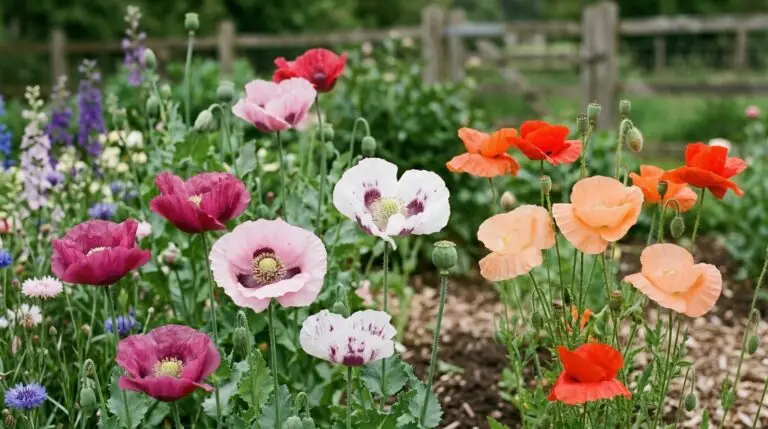
Iceland poppies for pastel spring color in cool climate gardens and cutting beds

Poppy flower meaning from Remembrance Day red to the sleep and peace of ancient mythology
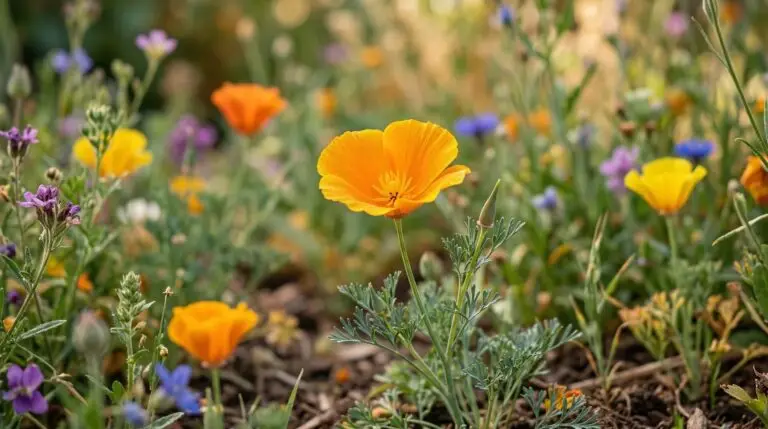
Growing California poppies for golden wildflower color in dry sunny gardens
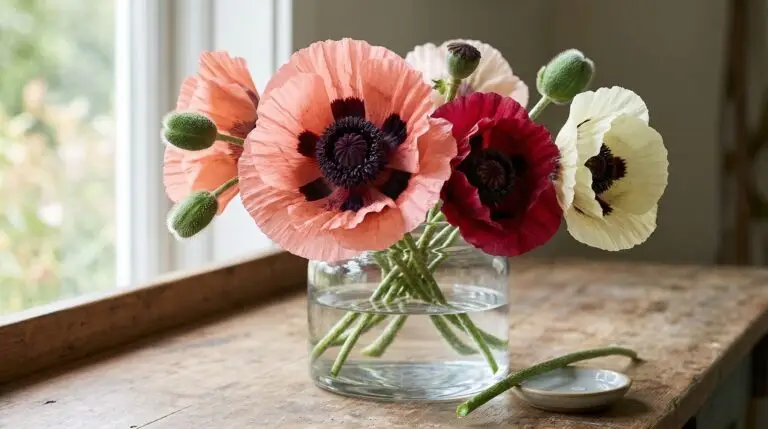
Oriental poppies for enormous papery blooms that are the stars of the early summer border
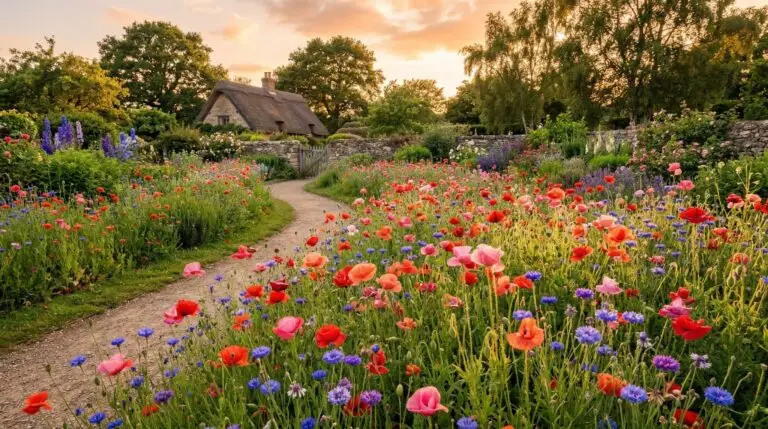
Companion plants for poppies: what to grow and what to avoid
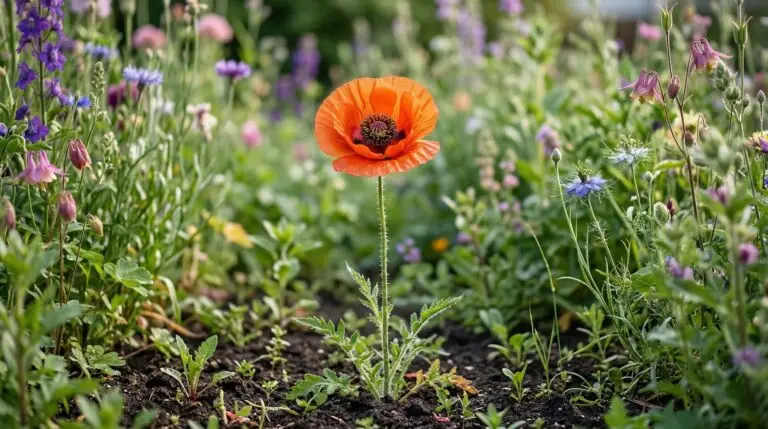
How to grow poppies from seed for tissue-paper petals that dance in the breeze
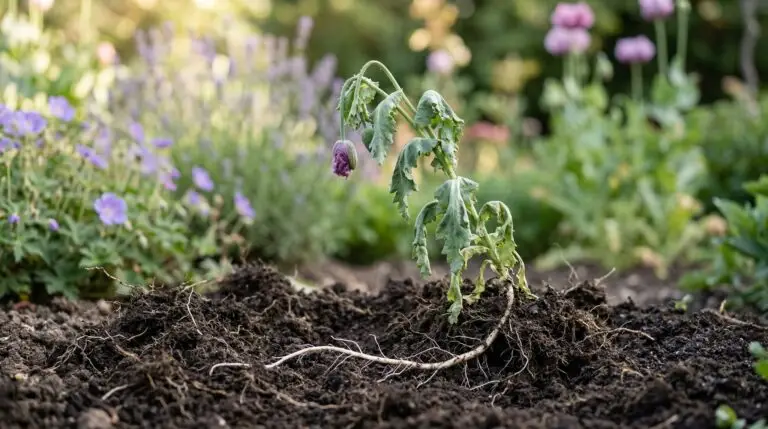
Why you cannot transplant poppies and the direct sowing secret to success

Poppies as self-sowing annuals that create effortless wildflower meadow effects