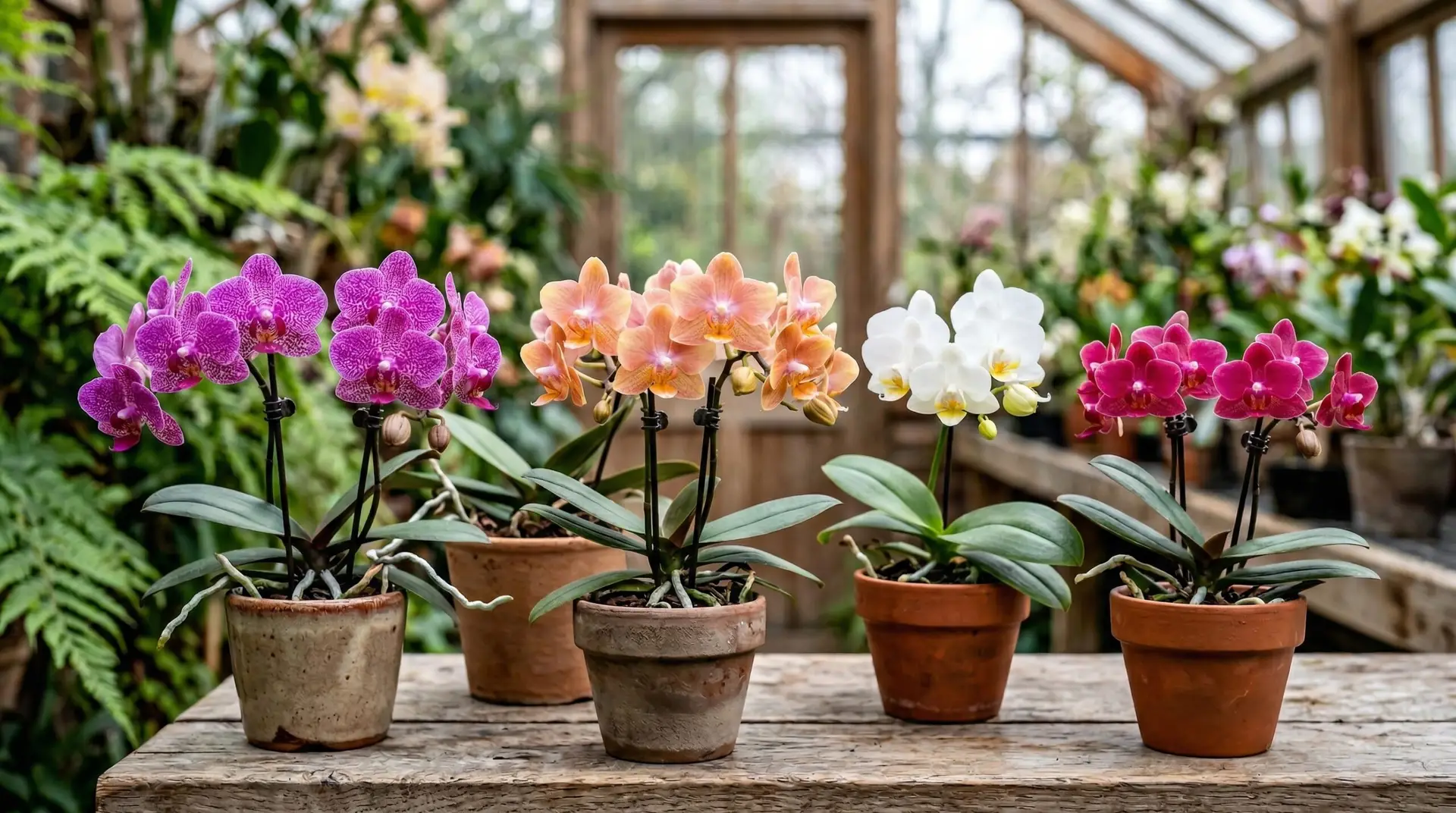
Most people start their orchid collection with a plain white moth orchid sitting on a supermarket shelf. I certainly did, thinking it was just a nice, long-lasting houseplant that required minimal attention. Then I discovered the actual world of phalaenopsis varieties, and my windowsills have never been the same. The sheer genetic diversity available in this genus is immense once you look past the mass-produced clones. You start noticing the subtle differences in petal shape, the way certain colors fade or deepen as the flower ages, and the unexpected fragrances hidden in specific lineages. The moth orchid family is deep, filled with waxy novelty hybrids, bizarre genetic mutations, and colors that look like they belong in a sunset rather than on a plant. It is the moment you realize these plants are not just disposable decor but living, changing organisms that reward close observation.
The charm of novelty types and fragrant varieties
While the large, cascading standard orchids are beautiful in their own right, the novelty types are where the true collector obsession usually begins. These phalaenopsis varieties typically have shorter flower spikes and thicker, almost plastic-like petals that feel incredibly substantial to the touch. Many of these novelty types are summer bloomers, breaking the usual winter and spring blooming cycle of the standard hybrids. What really draws me to them is the fragrance, a trait completely bred out of the common retail varieties. When you walk into a room holding a blooming Phalaenopsis bellina, you are hit with a distinct, sweet citrus and floral scent that fills the space. Other species like Phalaenopsis violacea carry a spicy, cinnamon-like aroma that changes in intensity depending on the warmth and humidity of the day. Growing these fragrant varieties requires a bit more heat and humidity than the standard types, but the reward of that morning scent makes the extra effort completely worthwhile. I often find myself checking on them multiple times a day just to catch a different note in their fragrance profile as the room warms up.
Harlequins, art shades, and unpredictable patterns
The breeding of orchid colors took a fascinating turn with the introduction of harlequin patterns. These are the moth orchids covered in dark, heavy spots and blotches that look almost like spilled ink across the petals. What makes harlequins so engaging to grow is their absolute unpredictability from season to season. The size and density of those dark spots actually change depending on the temperature when the flower buds are forming. A plant that bloomed with neat, separated polka dots in a warm room might produce massive, merged blotches of dark burgundy if grown in a cooler space the next year. Beyond the spots, breeders have developed a category known as art shades, which blend yellows, peaches, pinks, and bronzes into a single flower. These sunset tones often fade and shift as the bloom ages, giving you a plant that looks completely different in week one than it does in week six. Sometimes I will place a bright yellow and red art shade phalaenopsis next to a wildly patterned Oncidium Orchid just to enjoy the contrasting textures and forms on my plant stand.
Miniature moth orchids and peloric mutations
Space is always the enemy of the plant collector, which is why miniature moth orchid types have become such a staple on my shelves. These compact plants produce leaves that rarely exceed a few inches in length, yet they push out branching spikes loaded with tiny, perfectly formed flowers. Phalaenopsis Schilleriana hybrids often fall into this smaller category, bringing the added bonus of beautifully mottled silver and green foliage that looks attractive even when the plant is not in bloom. Within both mini and standard sizes, you will sometimes encounter peloric mutations, a genetic quirk that collectors either love or actively avoid. A peloric orchid has a mutation where the two lateral petals attempt to mimic the shape and color pattern of the lip. This results in a flower that looks partially closed, pinched, or heavily ruffled, completely breaking the traditional flat, round shape we expect. Finding a stable peloric variety feels like discovering a glitch in nature, and I find their weird, triangular symmetry strangely endearing. They are not for everyone, but they represent the wild genetic flexibility that makes breeding and collecting these plants so endlessly fascinating.
The rewarding rhythm of growing phalaenopsis
Living with these plants year-round teaches you a specific kind of patience and observation. The active growth phase in summer brings the quiet satisfaction of watching thick, silver-tipped roots push through the bark mix and new, glossy leaves emerge from the crown. Then comes the autumn temperature drop, the biological trigger that tells the plant to start producing a flower spike. Spotting that tiny, mitten-shaped spike breaking through the base of the stem is easily one of the most rewarding moments of the growing season. Of course, the process is not without its heartbreaks, as any grower who has experienced bud blast knows all too well. A sudden draft, a missed watering, or a drop in humidity can cause those carefully developed buds to yellow and drop off right before they open. Yet, when you finally get the environment right and the first bud unfurls, revealing those complex phalaenopsis colors you waited months to see, the setbacks are quickly forgotten. The fact that a single spike can hold its blooms for three to four months, slowly opening from bottom to top, is what keeps these plants permanently rooted in my collection.
More About Moth Orchid
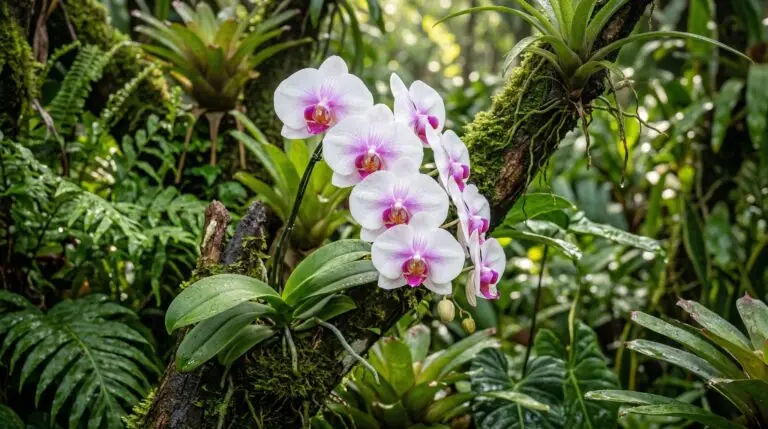
Growing orchids in bathrooms and why humidity-loving phalaenopsis thrive near showers
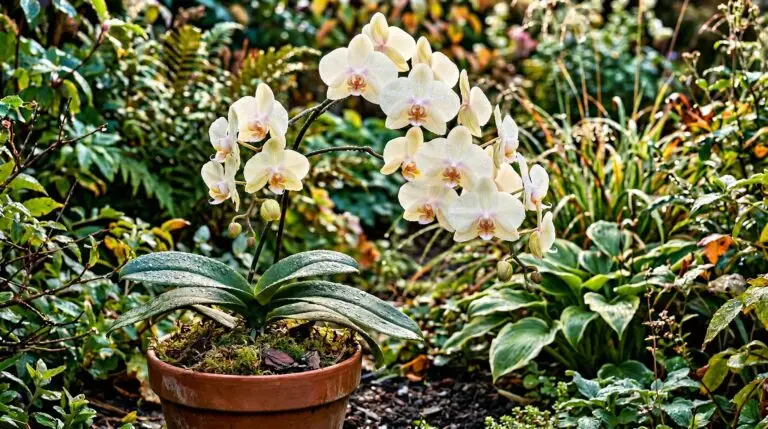
Why your orchid is not blooming and the simple temperature trick that triggers new flowers
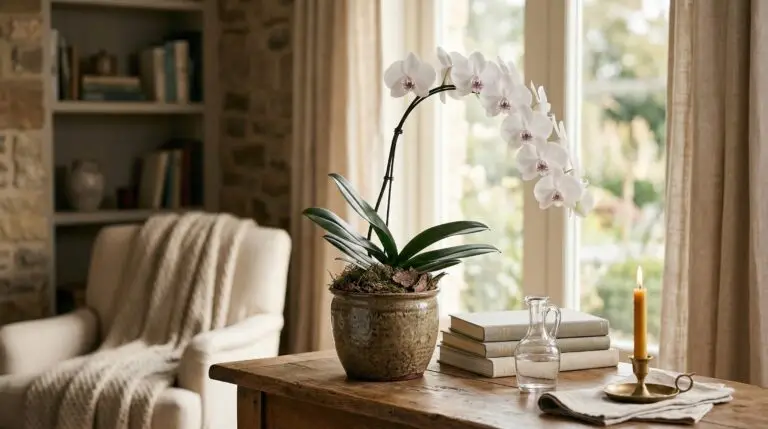
Orchid arrangements and centerpieces that make any room feel luxurious and elegant
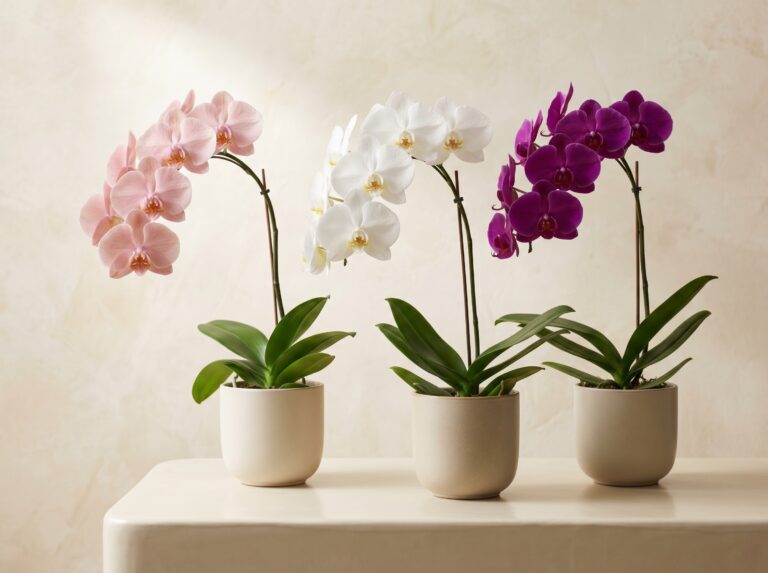
Orchid meaning, by colour and tradition, honestly explained
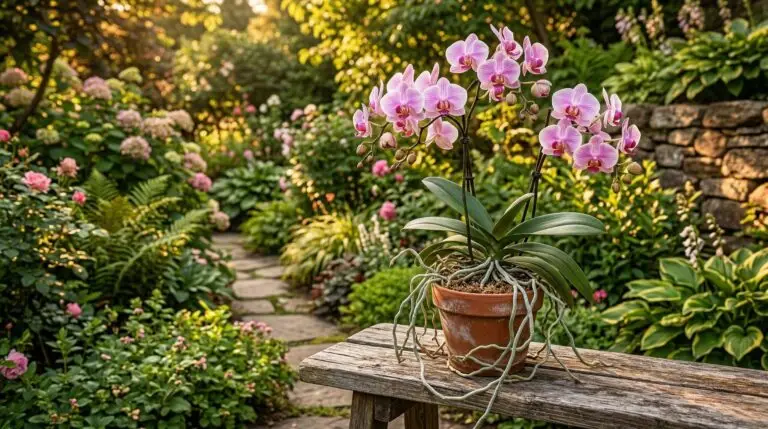
Repotting orchids step by step without killing the plant or damaging aerial roots
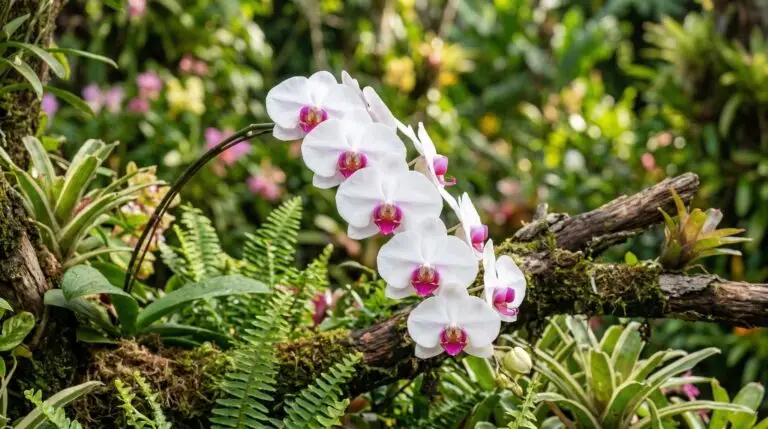
How to care for moth orchids so they bloom again and again for years
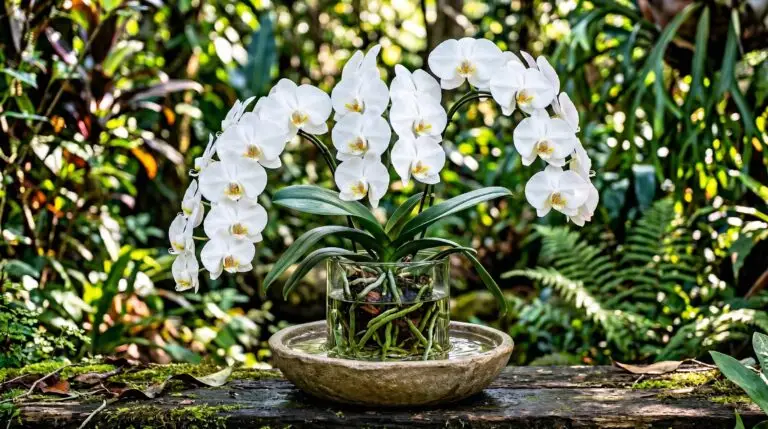
Watering orchids correctly and the ice cube myth versus what actually works
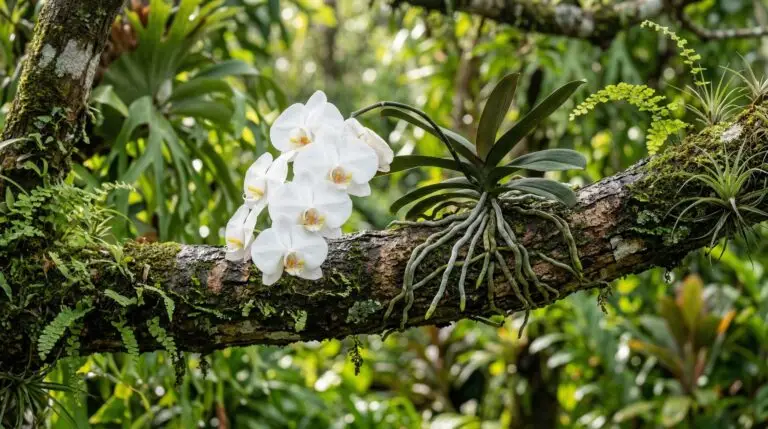
Orchid roots growing out of the pot and why aerial roots are a sign of a healthy plant