Contents
Yarrow
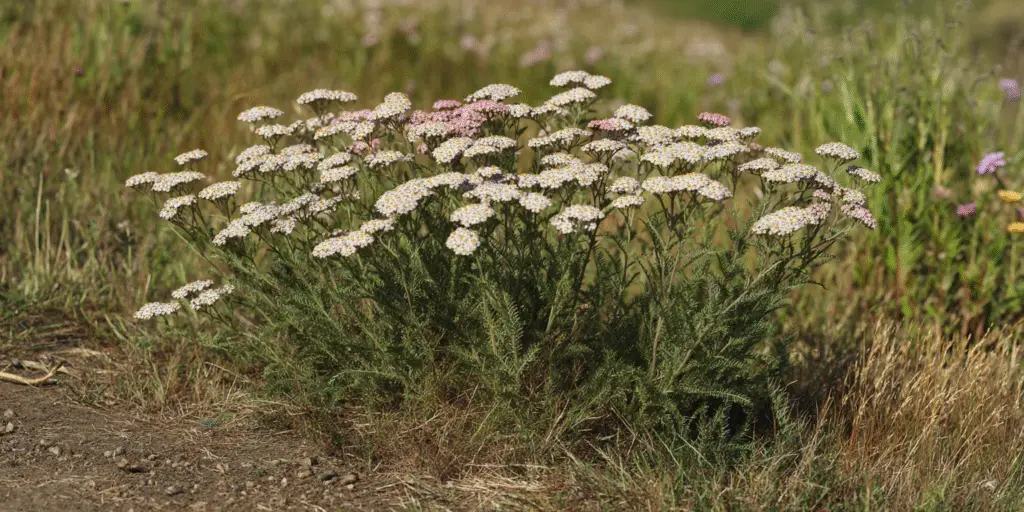
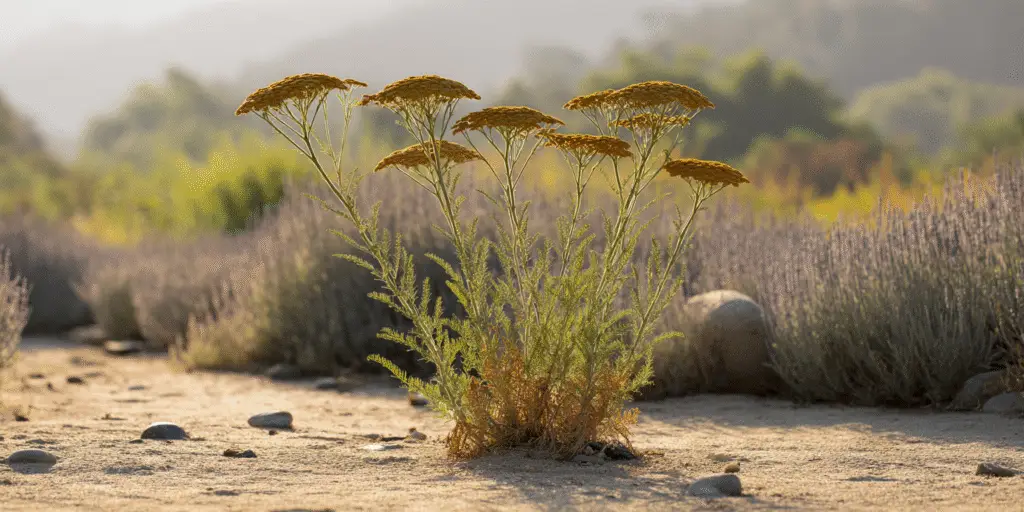
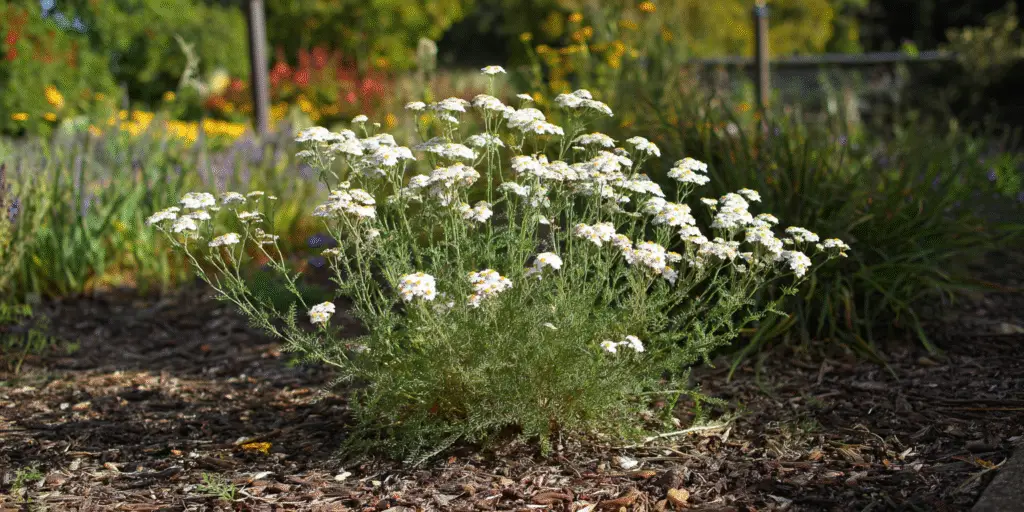
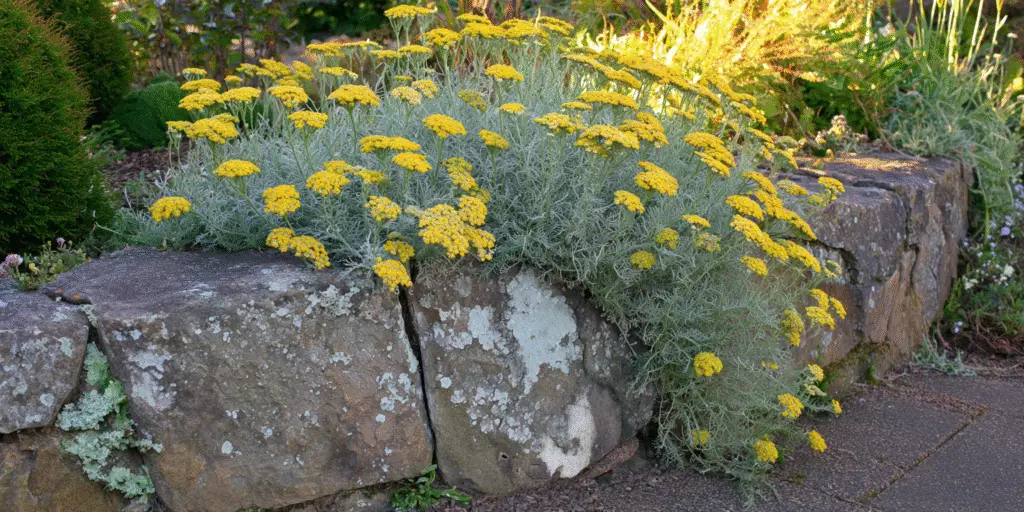
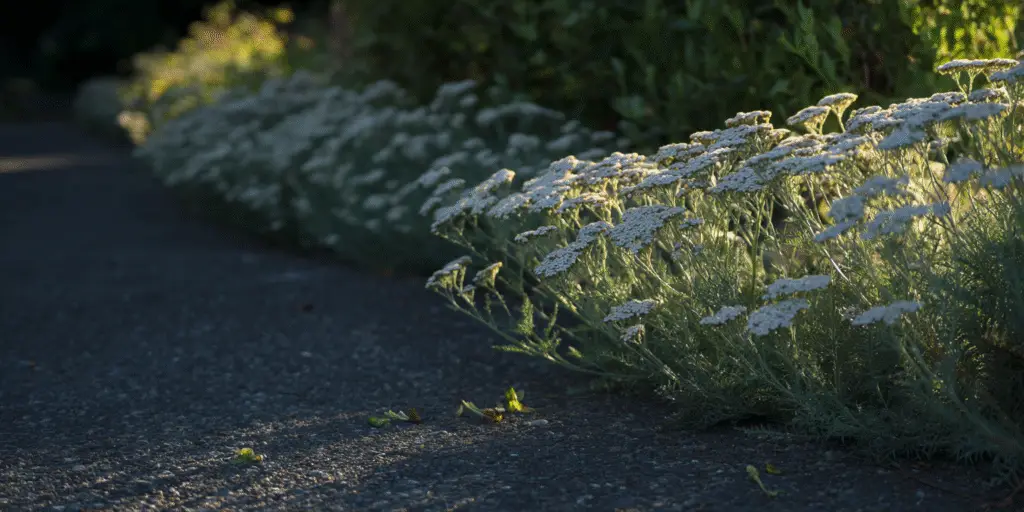
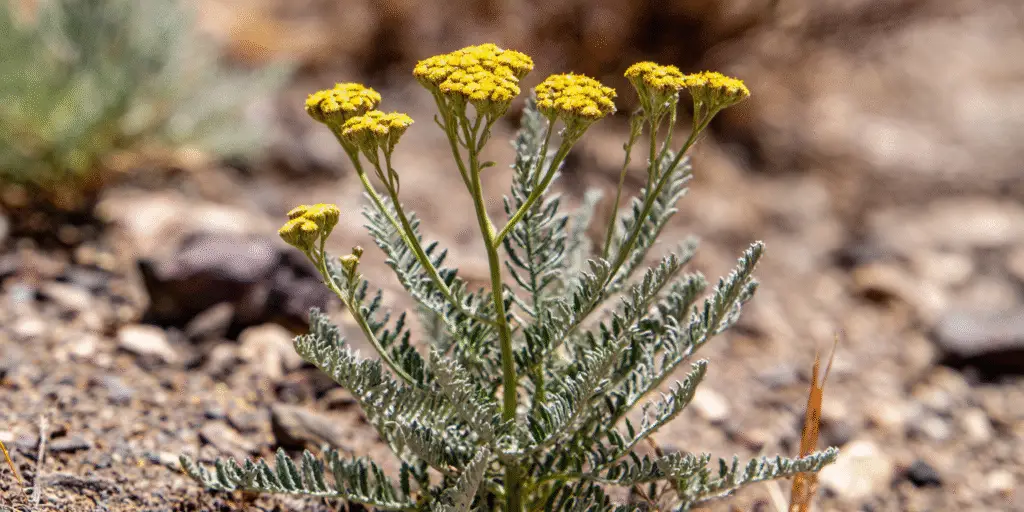
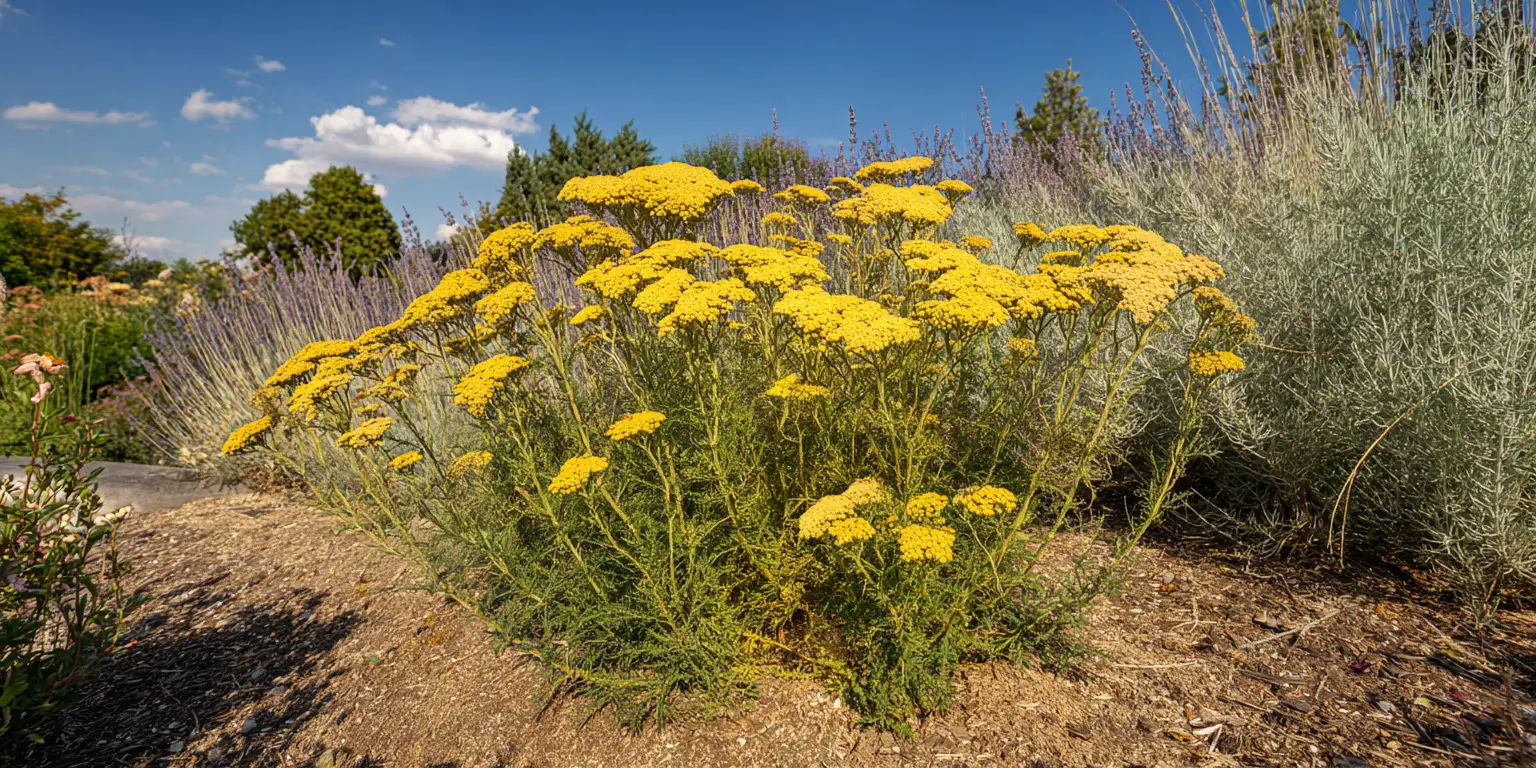
Yarrow (Achillea) is a tough herbaceous perennial with flat-topped clusters of tiny blooms and finely cut, fern-like foliage. It forms clumps of feathery green leaves that give off a light herbal scent when you brush past them. In summer, upright stems rise and carry broad flower heads that can span 2 to 6 inches (5 to 15 cm). Up close, each head is a tight mix of small florets, which is why it reads as a solid “plate” of color and pulls in butterflies and other pollinators. In the garden, Achillea works well in cottage borders, meadow-style plantings, and low-water beds. It tolerates heat, drought, and lean soil, and deer and rabbits usually leave it alone because the foliage tastes bitter. Yarrow also has a long history in traditional herbal use and remains a reliable choice for modern landscapes.

A clear, step-by-step guide to soil, planting, watering, feeding, pruning, and winter care. Includes zone timing, container tips, companions, and quick fixes for common problems.

Bouquet Ideas
Explore simple, beautiful bouquet ideas for the home, gifts, and special occasions from romantic mixes to clean, minimal styles. Each idea includes suggested flower combinations, color palettes, and sizes, with photos for quick inspiration.
🌱 Taxonomy and origin
The genus Achillea includes about 80 to 100 species of perennial herbs in the daisy family (Asteraceae). These species are native across temperate regions of the Northern Hemisphere, especially Europe and Asia, with some found in North America. Achillea millefolium, commonly called yarrow, originated in Eurasia and is now naturalized in North America and many other regions. Related species include Achillea filipendulina (fernleaf yarrow), a taller plant from western Asia with golden-yellow flower clusters, and Achillea ptarmica (sneezewort), native to Europe with white, button-like blooms. The genus name Achillea is tied to the Greek hero Achilles, who, in legend, used yarrow to treat wounds. The species name “millefolium” means “thousand leaf,” a nod to the plant’s finely divided foliage. In the wild, yarrow often grows in open meadows, grasslands, and along roadsides, especially in dry, disturbed soils. Many modern ornamental yarrows are hybrid selections bred for sturdier stems and a wider range of flower colors.
🌸 Bloom time
Yarrow blooms from late spring into early fall. It often starts flowering in May or June and continues through summer, sometimes into September, especially if spent clusters are removed. Each flat-topped flower head can stay attractive for weeks because the tiny florets open over time across the cluster. Peak bloom is usually mid-summer.
Wild Achillea millefolium is typically white or pale blush, but cultivated varieties come in yellow, red, orange, pink, lavender-purple, and softer pastels. Popular cultivars include ‘Moonshine’ for bright sulfur-yellow umbels and ‘Paprika’ for red blooms that age to gentler tones. One shade yarrow does not offer is true blue, so gardeners often pair it with blue flowers like salvia or catmint for contrast.

📏 Height and spread
Most garden yarrow varieties reach about 2 to 3 feet (60 to 90 cm) tall in bloom, with a similar spread. The habit is upright but open, with a clump of basal foliage and slender flowering stems above. Compact selections may stay around 1 to 2 feet (30 to 60 cm), while some fernleaf types can approach 4 feet (120 cm) in ideal conditions.
Yarrow spreads gradually by creeping rhizomes and can also self-seed. In favorable conditions, a single plant may broaden into a clump 2 to 3 feet (60 to 90 cm) across over a few seasons. Gardeners typically space transplants 1 to 2 feet (30 to 60 cm) apart to allow room for that growth. The foliage stays in a mound about 6 to 12 inches (15 to 30 cm) tall, while the flower stalks rise above it. The overall effect is airy, and the stems usually sway in the breeze rather than needing constant staking.
☀️ Light
Full sun is ideal for yarrow. Aim for at least 6 hours of direct sunlight per day for the best flowering and sturdy stems. It can tolerate partial shade, but too much shade often leads to leggy growth, fewer blooms, and a higher chance of problems like powdery mildew because airflow is reduced.
In cooler climates, all-day sun suits yarrow well. In very hot or dry regions, a little afternoon shade can help prevent leaf scorch, but bright light and good airflow still matter most.

💧 Water
Yarrow has modest water needs and is drought-tolerant once established. It prefers dry to moderately moist soil and does poorly in soggy conditions. Good drainage is essential because waterlogged soil can lead to root or stem rot in Achillea. During the first growing season, water enough to help roots settle in, but avoid keeping the soil constantly wet.
Once mature, yarrow usually gets by on rainfall in many climates and may only need extra water during extended heat and drought. If you irrigate, water deeply but not often, and let the top layer dry between soakings. Too much water, or overly rich soil, tends to produce lush growth that flops.
🌍 Soil and pH
Yarrow grows best in lean, well-drained soil. In nature it often thrives on sandy or rocky ground with low fertility, and it adapts to average garden soil as long as excess water drains away. Rich, heavily amended soil is not necessary, and too much fertilizer can push tall, weak growth that flops. A gritty or sandy loam is ideal for Achillea.
Heavy clay that holds water can be a problem. If you are planting in clay, improving drainage with coarse sand or fine gravel helps, and overwatering makes things worse. As for soil chemistry, yarrow is flexible and grows across a broad pH range from slightly acidic to mildly alkaline, roughly pH 6.0 to 8.0. For most gardens, there is no need to adjust pH specifically for yarrow.

❄️ USDA hardiness
Common yarrow and most Achillea cultivars are hardy across a wide range of climates. In general, yarrow grows well in USDA hardiness zones 3 through 9, with winter lows around -30 °F (-34 °C) in zone 3. Some strains can survive colder zone 2 conditions when drainage is good and plants are protected by snow or mulch.
In warmer parts of the range, Achillea can stay evergreen or semi-evergreen where winters are mild. In cold-winter zones, it dies back and re-sprouts from the roots in spring. Winter wet and high humidity tend to be harder on yarrow than cold itself. Very humid subtropical climates (zone 10 and above) are often challenging because the plant prefers drier air and a clearer dormancy period.
🌼 Propagation and longevity
Yarrow can be propagated from seed. The seeds are very small and need light to germinate, so they are usually sown on the surface of a seed bed or potting mix rather than buried deeply. You can start seed indoors 8 to 10 weeks before the last frost or sow outdoors in early spring. Some gardeners also scatter seed in fall so it experiences winter cold.
With warmth and steady moisture, seedlings often appear within 1 to 3 weeks. Plants started early may bloom in their first summer, though many bloom in the second year. Seeds collected from hybrid cultivars may not produce plants that match the parent’s exact color or size.
Established yarrow clumps are easy to divide, which is a simple way to make more plants and refresh older ones. Many gardeners divide clumps every 2 to 3 years. Division is often done in early spring or fall by lifting the clump, splitting the root mass into sections, and replanting pieces that have healthy roots and shoots.
Yarrow also spreads on its own by creeping rhizomes, so you may notice small offshoots around the edges of a patch. These can be dug and moved elsewhere. Stem cuttings can root as well. A 3- to 4-inch (7.5 to 10 cm) tip cutting from a non-flowering shoot, taken in spring or early summer and placed in a moist, sandy medium, often roots within a few weeks. This is a good way to copy a variety you want to keep.
Yarrow is generally a long-lived perennial. In cold climates the top growth dies back in winter, but the plant re-sprouts from its roots in spring. A planting can persist for many years, especially when clumps are divided now and then to keep them vigorous. Individual clumps may thin in the center after 4 to 5 years if left undivided, but they often produce younger offshoots around the edges.

👃 Fragrance
Yarrow is not known for strong perfume, but it does have a subtle scent up close. The foliage contains aromatic oils, so the leaves can smell spicy and herbal when crushed or brushed. Some people notice notes that feel chamomile-like, piney, or peppery. The flowers may have a faint sweetness on warm days, but it does not travel far.
Because of those oils, dried yarrow is sometimes used in potpourri or herbal sachets. Overall, Achillea is gently aromatic rather than intensely fragrant.
⚠️ Toxicity and pet safety
Yarrow is not highly toxic, but pets can get sick if they eat a lot of it. The ASPCA lists Achillea as toxic to dogs, cats, and horses. In pets, chewing or ingesting yarrow may cause drooling, vomiting, diarrhea, or lethargy. The bitter taste usually discourages grazing, but it is still best to keep curious pets from nibbling.
For people, yarrow is sometimes used in traditional herbal preparations, but it should not be treated as a casual edible plant. Skin contact can also irritate some individuals, especially those sensitive to plants in the aster family. If you react easily, wear gloves when handling a lot of yarrow foliage.
In the garden, that mild bitterness has a practical benefit. Deer and rabbits often avoid yarrow, which helps it stay intact in areas with browsing wildlife.

🌿 Vase life
Yarrow works well as a cut flower because the stems are sturdy and the flower heads hold their shape. Cut at the right stage, the blooms can stay fresh in a vase for about a week or more. Harvest when most florets in a cluster are open and the stems feel firm. Cutting in the cool of early morning or evening helps, and removing any leaves below the waterline keeps the water cleaner. With basic conditioning, yarrow stems often last around 7 to 10 days.
Yarrow is also popular for dried arrangements. The flat-topped clusters keep their form and often hold some color when dried. To dry stems, hang small bunches upside down in a warm, dark, well-ventilated place for a couple of weeks.
Once dry, the flowers can last for months without water and work well in wreaths and everlasting bouquets. Dried yarrow usually keeps a muted version of its original hue, and golden yellows and pink-red tones tend to dry especially well.
🐛 Pests and diseases
Yarrow is usually trouble-free and rarely suffers serious pest damage. On occasion, aphids may cluster on stems or buds, especially on soft new growth. They can often be washed off with a strong spray of water, and the plant also attracts beneficial insects like ladybugs and lacewings that feed on aphids.
Spittlebugs or mealybugs can appear now and then, but heavy infestations are uncommon. Most gardeners never need pesticides for Achillea.
Disease problems are also uncommon when yarrow is grown in the right conditions. Good drainage and enough space for airflow make the biggest difference. In poorly drained sites, roots and stems can rot. In humid, crowded plantings, powdery mildew or rust may show up on the leaves.
Spacing plants well and watering at the base rather than overhead helps prevent fungal issues. If leaf disease appears, cutting back affected stems can allow fresh growth. Another common issue is flopping, especially after heavy rain or when plants are grown in shade or rich soil. Cutting plants back by about one-third in late spring can encourage sturdier stems, and light staking can help in exposed spots.


FAQ
Is yarrow invasive in the garden?
Yarrow spreads by seed and creeping rhizomes, so it can widen into a patch over time. In many gardens it stays manageable, but it can be enthusiastic in open, dry areas. Deadheading before seeds form and dividing clumps every few years usually keeps it where you want it.
Should I cut back yarrow after it blooms?
Deadheading once blooms fade keeps the plant tidy and often encourages another flush later in the season. Many gardeners also cut stems down to the basal leaves in late fall or early spring as part of normal cleanup.
Can yarrow grow in shade or in pots?
Yarrow blooms best in full sun. It can handle partial shade, especially in hotter climates, but too much shade usually means fewer flowers and weaker stems. In containers, it can do well in a large pot with fast drainage and plenty of sun. Because it spreads, it may need dividing or a bigger planter over time.
Is yarrow poisonous to pets or people?
Yarrow is mildly toxic to many pets if eaten in quantity and can upset the stomach. Most animals avoid it because it tastes bitter, but it is safest to keep pets from grazing on it. For people, skin irritation is more common than true poisoning, especially for those sensitive to the aster family.
How do I keep yarrow from flopping over?
Full sun and lean soil do most of the work. Too much shade, water, or fertilizer tends to make stems tall and weak. Cutting stems back by about one-third in late spring often keeps plants more compact. After heavy rain, small stakes or a plant ring can help if stems topple.
How long does yarrow bloom and does it rebloom?
Yarrow typically blooms from early summer into mid to late summer. Many varieties start in June and continue into August. Deadheading the first round of spent clusters often triggers another flush later in the season, though there is usually a short pause.
Does yarrow attract bees or butterflies?
Yes. The flat-topped clusters are easy landing pads for butterflies, and many bees visit for nectar and pollen. You may also notice hoverflies and other helpful insects around the blooms.
Interesting tips
- Plant yarrow near roses or other pest-prone plants to attract ladybugs and other beneficial insects that help with aphids.
- Yarrow can work as a lawn alternative or groundcover in low-traffic areas. It tolerates some foot traffic and needs far less water than a traditional lawn once established.
- For a second flush of flowers, shear yarrow back by about one-third after the first summer bloom fades. This often brings fresh growth and more blooms later.
- The name Achillea comes from Achilles in Greek myth, linked to old stories of yarrow used as battlefield first aid. That is why you will sometimes see folk names like “soldier’s woundwort” in historical references.
Related Guides & Flowers
References
Written by: Your Flowers Guide editorial team
We are a small independent group of flower lovers who research and review each guide using trusted horticultural and educational sources. Learn more about us