in bloom
now
through Sep
Bloom calendar
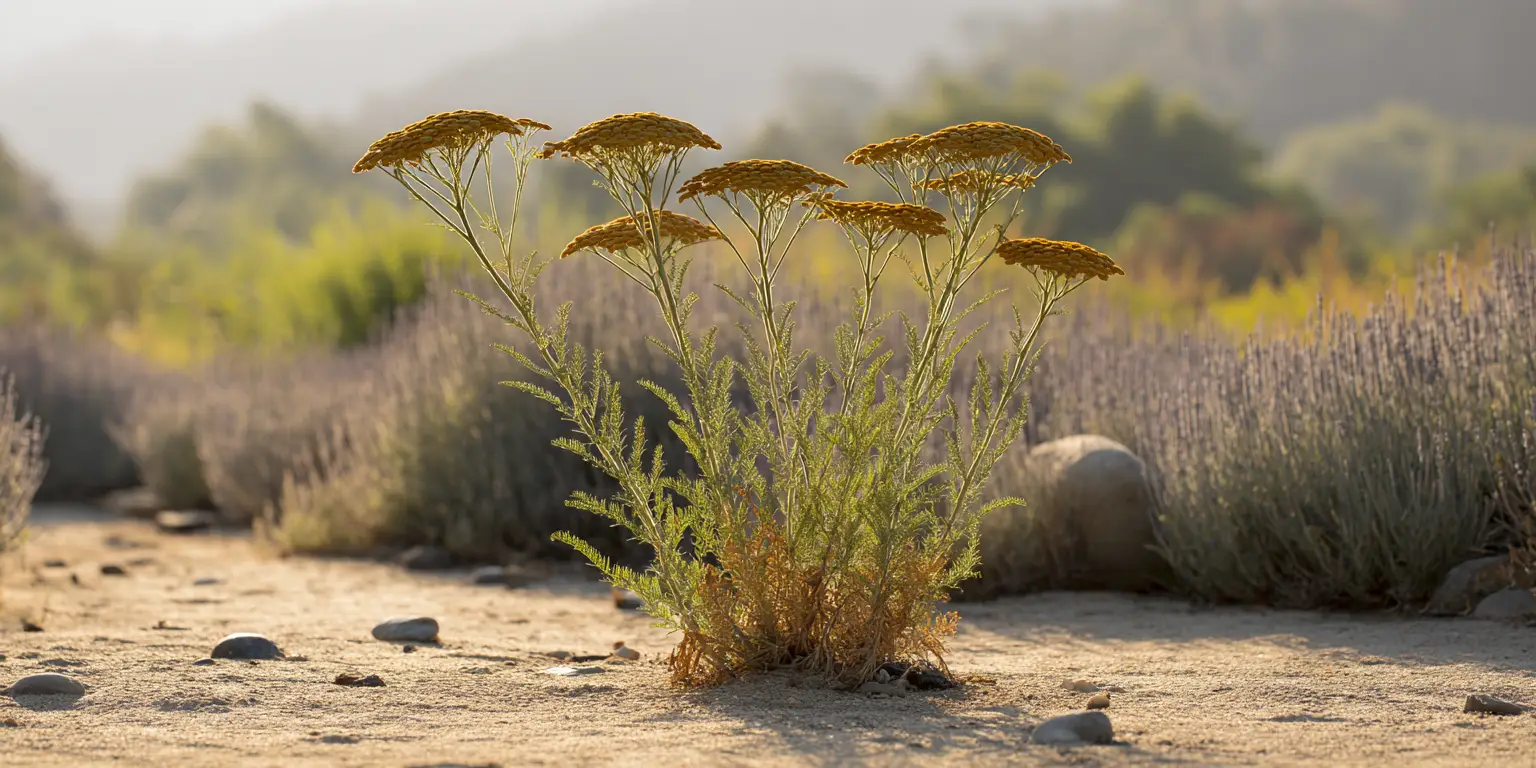
Achillea filipendulina
Species; herbaceous perennial
At‑a‑glance
- Group/Class: Species; herbaceous perennial
- Height × spread: 3 to 4 ft (0.9 to 1.2 m) × 2 to 3 ft (0.6 to 0.9 m)
- Bloom window: June to August
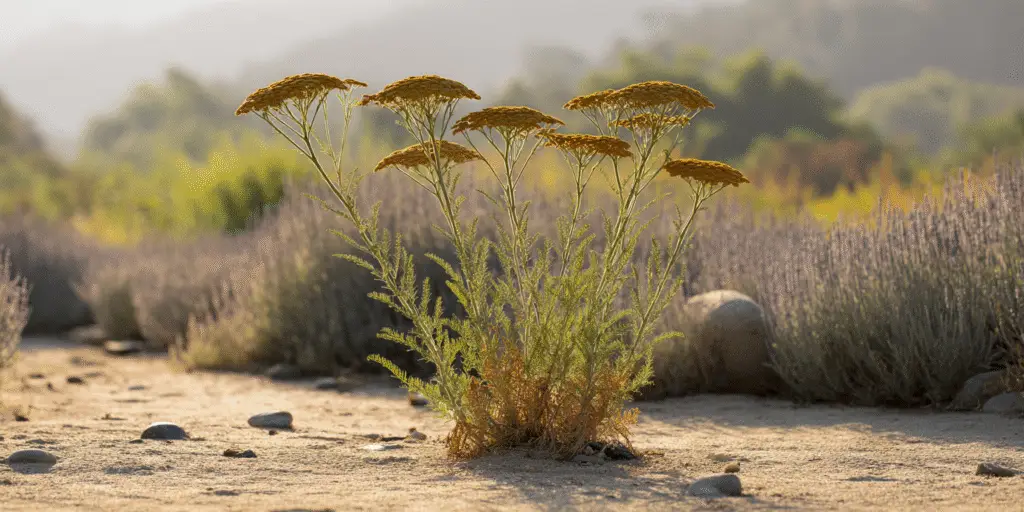
- Color & flower form: Golden‑yellow plates of tiny daisies
- Fragrance: 1 trace
- USDA hardiness: zones 3 to 9
- Breeder / Year / Origin: unknown, unknown, Caucasus to Iran and Afghanistan
- Cut‑flower notes: Stems typically strong; used fresh and dried; vase life varies by cultivar and conditioning.
- Pet safety: unknown
How it differs
- Taller and more architectural than typical meadow yarrow
- Clump‑forming habit rather than running
- Flower heads larger and denser
- Good tolerance of summer heat and humidity
Strengths
- Drought tolerant once established
- Deer and rabbit resistant
- Good for cutting and drying
- Long bloom with deadheading
Care in one minute
Site: full sun and good air movement.
Soil: well‑drained, lean to average; neutral to slightly alkaline.
Water: moderate; keep on the dry side once established.
Feeding: light; excess fertility reduces stem strength.
Grooming: deadhead to side buds for repeat; cut back after main flush; divide every 3 to 4 years.
Winter: fully hardy in listed zones; leave spent heads for birds if desired.
Watch‑outs
- May need staking in rich soil or exposed sites
- Avoid heavy clay and waterlogged soil
- Occasional powdery mildew or rust in humid spells
Best uses (tags)
Provenance note
Native to the Caucasus, Iran, Afghanistan, and parts of central Asia; widely used in hybrid breeding and garden selections.
References
- Missouri Botanical Garden – Plant Finder: Achillea filipendulina
- RHS – Achillea filipendulina profile
- NC State Extension Gardener Plant Toolbox – Achillea filipendulina
- USDA PLANTS – Achillea filipendulina
Similar Flowers
Enjoying our flower guides? Add YourFlowersGuide as a preferred source on Google. It helps more readers find us.
Add to Preferred Sources