The pairing · pick a flower
 Aster+
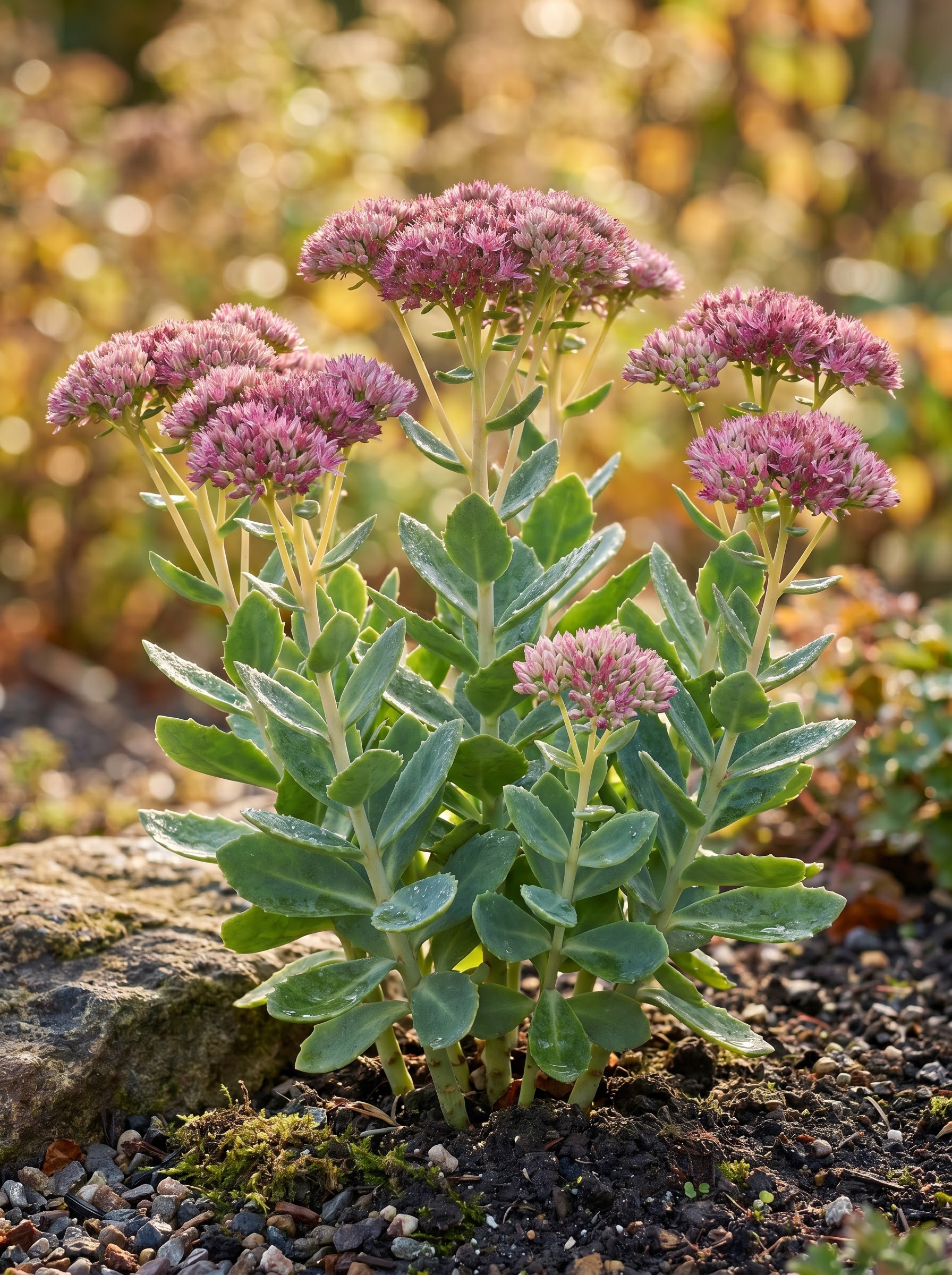 Upright sedumPartial
Wants the same full sun and sharply drained soil aster does, blooms on the same late-summer-into-fall calendar, and its flat, fleshy flower heads are the strongest textural foil to aster's fine daisy form on this list; the source confirms sedum's own culture and bloom timing rather than a studied pairing with aster specifically.
Aster+ GoldenrodProven
The classic purple-and-gold complementary pairing shares aster's full sun and average soil, blooms on the same fall calendar, and the two are documented as co-occurring, high-value late nectar plants for bees and migrating monarchs alike.
Aster+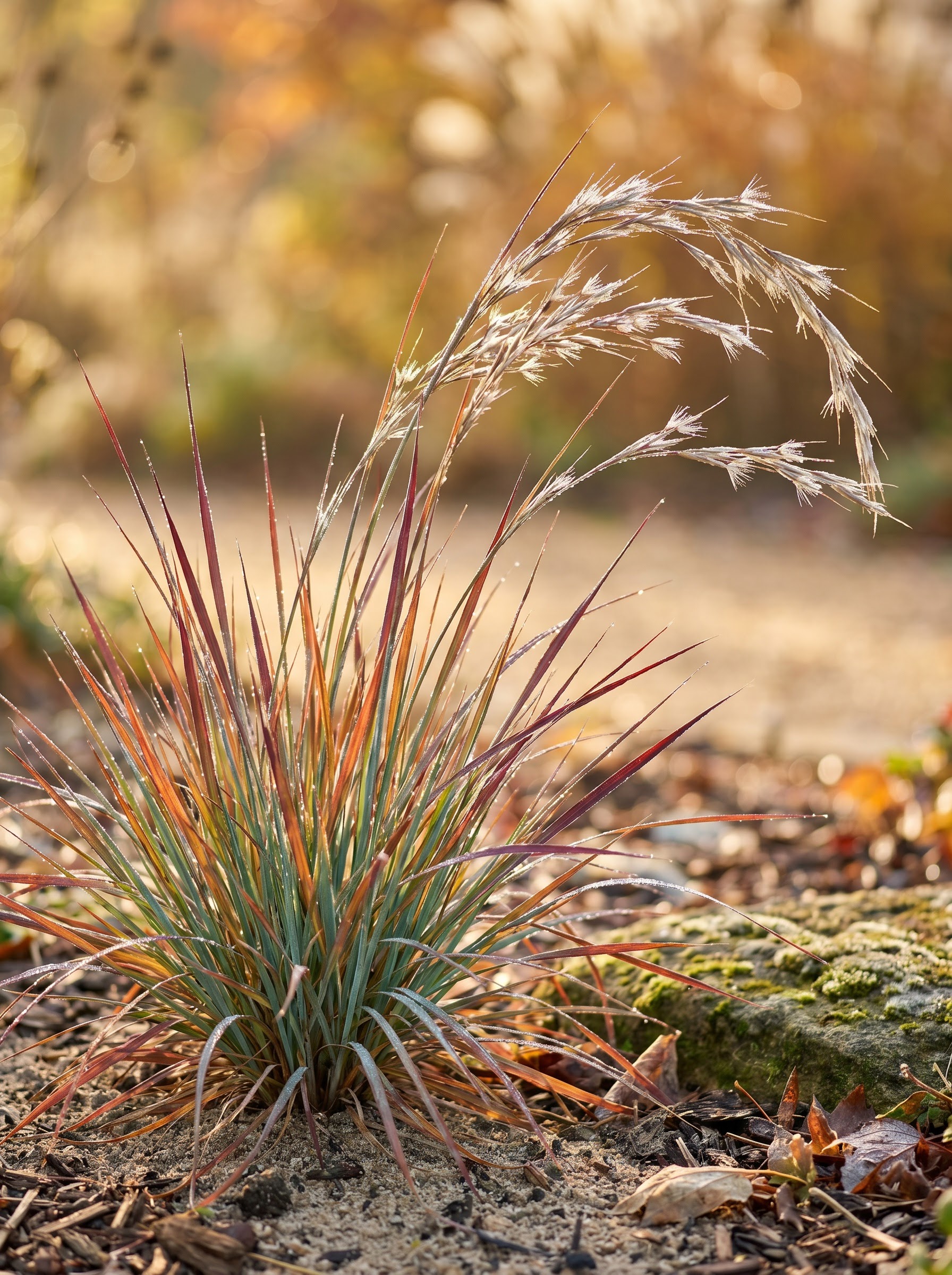 Little bluestemProven
A named companion for aster in extension guidance on the same full-sun, dry-to-average soil, whose fine upright blades and fall copper color are a genuine structural counterpoint to aster's mounding purple.
Aster+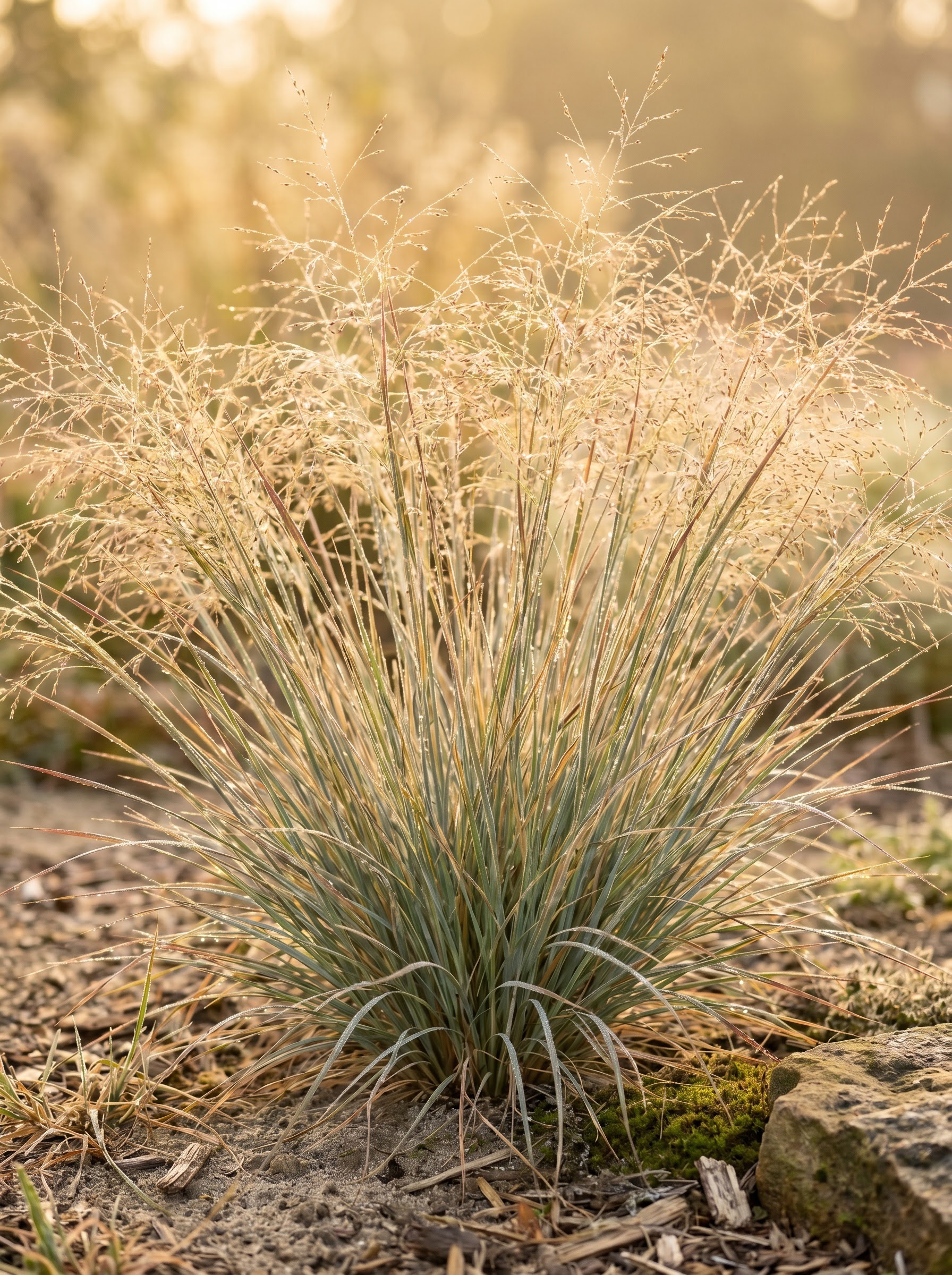 SwitchgrassPartial
Wants the same full sun as aster and tolerates drier soils well once established, and its airy, upright seed plumes give vertical movement and winter structure a mounding aster border otherwise lacks.
Aster+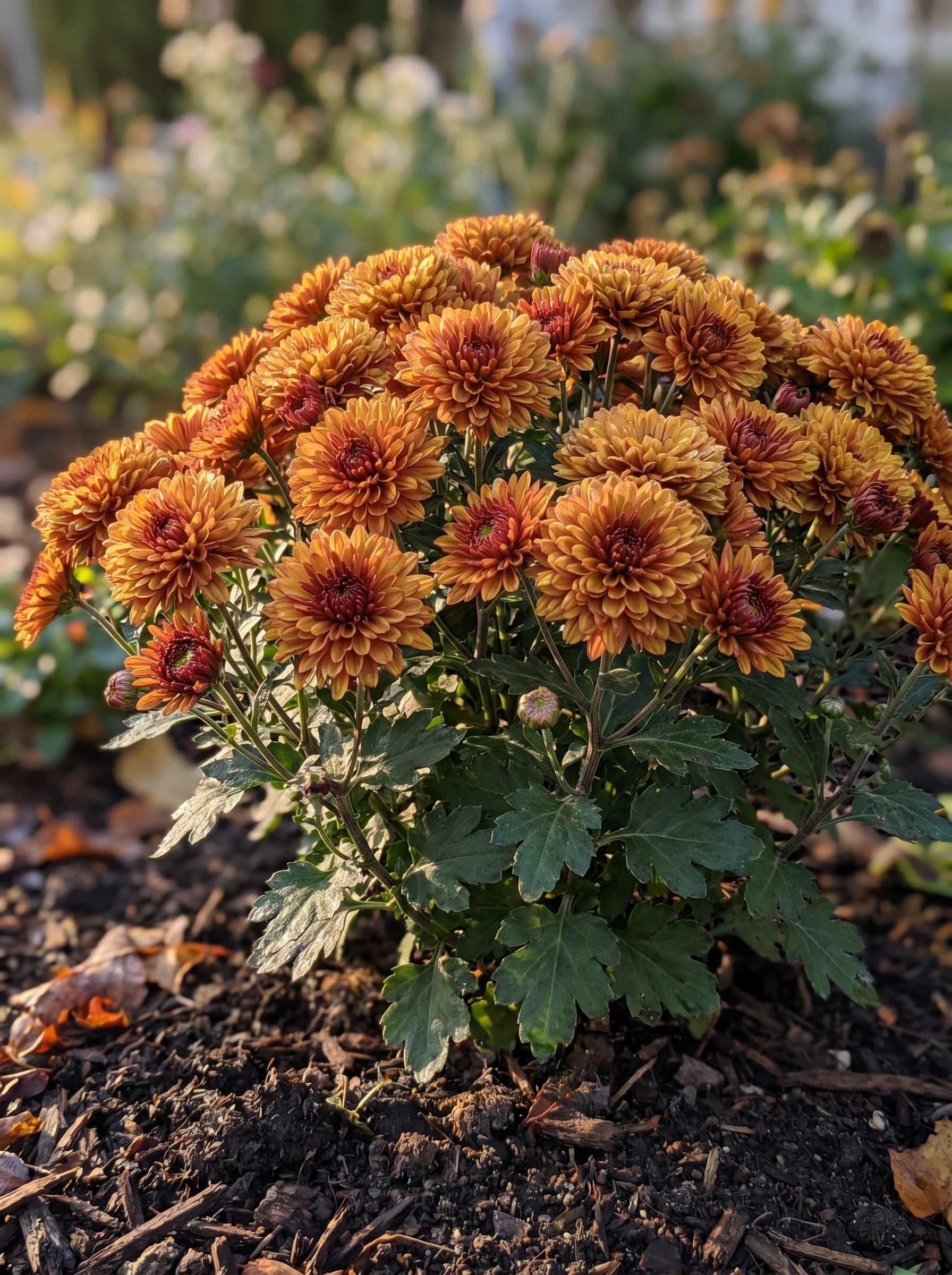 Garden mumPartial
Both are short-day plants that bud as nights lengthen, so they bloom on the same fall calendar in the same full sun and well-drained soil; the pairing is more retail tradition than a studied functional synergy, and honestly presented that way.
Aster+ Black-eyed SusanPartial
Shares full sun, average soil, and drought tolerance once established, blooms from midsummer through fall so it overlaps aster's start, and its warm gold is a repeatedly named color complement to aster's cool purple in prairie-style plantings.
Aster+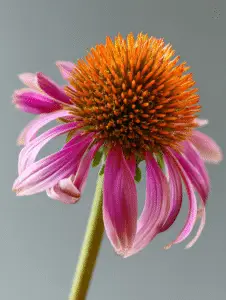 ConeflowerPartial
Shares aster's full sun, average soil, and drought tolerance, and its June-to-August bloom hands off cleanly to aster's later show, a genuine succession benefit rather than a simultaneous-bloom pairing.
Aster+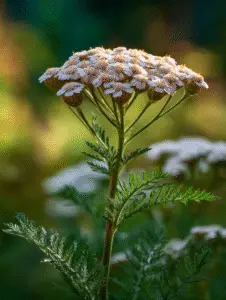 YarrowPartial
A documented insectary plant named by name for feeding the ladybugs, lacewings, and parasitic wasps that prey on garden pests, and it shares aster's full sun and lean, well-drained soil; the pairing itself is more a shared-conditions match than a studied companion effect.
Aster+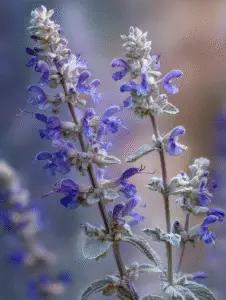 Russian sagePartial
A full-sun, drought-tolerant subshrub whose airy silvery-blue spikes interrupt aster's mounding purple with vertical structure, and its late-summer peak overlaps aster's own bloom window.
All asters companions
9 flower companions, best match first
What not to plant near asters
Most bad neighbours are not evil, they just want the opposite light, water or root run. Here is what to keep away, and what to do instead.
Powdery-mildew-susceptible neighbors crowded close (tall garden phlox, bee balm/monarda, zinnia)
Extension pathology sources repeatedly name aster, phlox, and monarda among the perennials most commonly troubled by powdery mildew; crowding several mildew-prone species together in a low-airflow pocket compounds the risk for all of them, even though Aster amellus itself resists it better than most.
Deep-shade or bog-moisture plants (hosta, ferns that want constant wet, rush, gunnera)
This is a straightforward growing-conditions mismatch rather than a special aster antagonism: aster wants full sun and soil that drains freely, while deep-shade and true bog plants want the opposite of both, and neither thrives forced into the other's spot.
Mint-family runners (mint, catnip, lemon balm, oregano)
Mint-family herbs spread by underground runners and are widely warned against near clumping perennials for crowding root space, though this specific pairing traces mostly to consumer garden sites rather than extension trials, and the precise yield-loss figures floating around online do not hold up to scrutiny.
Aggressive ornamental grasses (miscanthus, pampas grass, ribbon grass)
These grasses spread far more vigorously than the clumping little bluestem or switchgrass recommended above, with miscanthus specifically confirmed as invasive by rhizome mass and wind-dispersed seed, and their size and reseeding habit can crowd a compact Aster amellus clump out of its own footprint within a few seasons.
The best companions for asters, explained
Aster amellus, the Italian aster, sets terms that are easy to satisfy: full sun, average soil that drains well, and a compact 16 to 30 inch habit that behaves nothing like the towering, moisture-hungry New England aster most companion advice is quietly borrowed from. The strongest partners are the ones that share those terms and either bloom alongside aster’s August-to-October run or hand off cleanly on either side of it. Upright sedum is close to the ideal match for exactly that reason: it wants the same full sun and sharp drainage, blooms on the same late-summer-into-fall calendar, and its flat, fleshy flower heads are the single strongest textural foil to aster’s fine, starry daisy form on this list. Goldenrod earns its reputation as the classic partner honestly. The purple-and-gold combination is the pairing everyone reaches for first, and it holds up because both plants share full sun and average soil, bloom on the same fall clock, and are independently documented as high-value late nectar sources, not just a color trick that happens to work.
Little bluestem and switchgrass do the structural work sedum and goldenrod don’t: fine, upright blades in the same full sun and dry-to-average soil aster prefers, with little bluestem specifically named alongside aster and chrysanthemum in extension guidance on fall-border grasses. Both extend the planting’s interest into winter as seed heads long after the last aster flower drops. Garden mum and black-eyed Susan round out the front-to-mid layer. Mums share aster’s exact bloom trigger, both being short-day plants that bud as the nights lengthen, and while the pairing is honestly more retail tradition than a studied functional synergy, the shared conditions and bloom timing are real enough to make it work. Black-eyed Susan brings warm gold against aster’s cool purple in the same prairie-native cluster that also includes coneflower and yarrow, the former handing off its earlier summer bloom cleanly to aster’s later show, the latter doing double duty as a documented beneficial-insect plant that extends the border’s pollinator value into aster’s own season. Russian sage closes the list with the one true vertical, cool-toned accent among mostly mounding neighbors, its airy silvery-blue spikes cutting a genuinely useful shape against aster’s rounder form.
What not to plant near asters
The single biggest, most teachable mistake is crowding aster against other powdery-mildew-prone plants in a still, shaded pocket. Extension pathology sources repeatedly name aster itself, tall garden phlox, and bee balm among the perennials most commonly troubled by powdery mildew, and planting several of them touching each other compounds the risk for all of them at once. This isn’t a strict incompatibility so much as an airflow problem: give 18 to 24 inches of breathing room around each mildew-prone neighbor, favor mildew-resistant cultivars of phlox and monarda where they’re available, and thin dense aster clumps every few years so air actually moves through the crown. Aster amellus is genuinely better at resisting powdery mildew than its wetter-soil cousins, New England and New York aster, both notorious for it in average garden soil, and RHS lists the popular cultivar ‘Brilliant’ as mildew resistant on its own cultivar page. That advantage is real, but it’s cultivar-specific and relative, not species-wide immunity, which is exactly why the airflow rule above still matters even for the more resistant plant.
Deep-shade and true bog-moisture plants, hosta, moisture-loving ferns, rush, gunnera, are a straightforward growing-conditions mismatch rather than a special aster antagonism. Aster wants full sun and soil that drains freely; deep-shade and bog plants want close to the opposite of both, and forcing either into the other’s spot just produces two disappointing plants instead of one thriving pairing. Mint-family runners, catnip, lemon balm, oregano, and aggressive ornamental grasses like miscanthus, pampas grass, and ribbon grass get flagged constantly in consumer garden content as aster overwhelmers, and the physical-competition logic behind that claim is plausible. It’s worth being honest, though, that the mint-family version of this warning traces mostly to listicle and blog sources rather than extension trials, and one specific "40 percent fewer flower heads" figure making the rounds online doesn’t hold up to scrutiny; treat it as a real but overstated caution rather than settled fact. The aggressive-grass version of the same warning is on firmer ground, since it’s simply a matter of choosing a genuinely clumping grass, little bluestem or switchgrass, over a genuinely running one. One popular claim worth debunking outright: aster and zinnia sharing a blister-beetle attraction is thin, single-sourced pest trivia, not a real reason to keep them apart, especially since zinnia is independently recommended elsewhere as a solid color-and-bloom-season design companion.
Do they like the same conditions?
The rule that filters every candidate on this page is simple: full sun and soil that drains well, tested against each plant before it earns a spot. Aster amellus tolerates light shade without dying, but bloom density drops off noticeably, and the plant is only moderately drought tolerant once established, meaning flowering thins out in a prolonged dry spell even though the roots themselves survive it. Soil pH is genuinely forgiving here. RHS lists Aster amellus as happy in acid, neutral, or alkaline soil, so unlike a true acid-obligate plant, there’s no pH-matching puzzle to solve with companions; the only non-negotiable is drainage, since the plant dislikes sitting in winter wet far more than it minds a lean or slightly alkaline bed. This is also where the species-honesty point belongs, since it’s the most commonly muddled fact about this flower online. Most consumer "aster companion" content, and a fair number of nursery labels, treat the whole aster and Symphyotrichum group as one plant. It isn’t. Aster amellus tops out around 16 to 30 inches, a front-to-mid-border plant, while New England aster (Symphyotrichum novae-angliae) reaches 3 to 6 feet and genuinely belongs at the back. Height-layering advice written for one does not transfer cleanly to the other, and a companion list built around a 5-foot aster will put the wrong plants in the wrong place for the compact species most gardens are actually growing.
The mildew question deserves the same precision. It is not true that Aster amellus is simply immune to powdery mildew, and RHS’s own species page lists the disease as a real risk alongside verticillium wilt and gray mold. What’s true and useful is narrower and still genuinely good news: RHS’s own cultivar page for ‘Brilliant’, one of the most widely sold Aster amellus varieties, lists it as mildew resistant specifically, while checking other popular cultivars individually on RHS shows the trait doesn’t automatically carry across the whole species, since ‘King George’ and ‘Grunder’ aren’t listed with that same disease note. Extension sources also confirm New England and especially New York aster, the wetter-soil, more humidity-prone lineage, carry a stronger overall reputation for the disease in average garden conditions. That makes cultivar choice, not species assumption, the real lever: a resistant selection like ‘Brilliant’ is a genuine advantage worth choosing for, not a reason to skip the airflow and spacing rules every mildew-susceptible plant in this bed still needs.
How to plant them together
Layer by aster’s actual height, not New England aster’s. Since Aster amellus tops out around 16 to 30 inches, it belongs in the front-to-middle third of the border rather than the back, with Russian sage and the taller ornamental grasses, switchgrass especially, positioned just behind it for vertical contrast without shading it out. Goldenrod and black-eyed Susan work well at a similar mid-height alongside aster, close enough for the color pairing to read clearly but spaced 18 to 24 inches out so neither plant’s tendency to spread over a few seasons pushes into aster’s own footprint. Sedum, coneflower, and yarrow suit the front edge or a middle pocket depending on the cultivar’s mature size, all sharing aster’s preference for lean, well-drained soil rather than a rich, heavily amended bed.
Space everything with airflow as the deciding factor, not just aesthetics. Keep 18 to 24 inches of open air around aster and any other mildew-prone neighbor like phlox or monarda if they’re nearby elsewhere in the same border, and divide dense aster clumps every three to four years both to keep bloom vigorous and to open up the crown before it gets crowded enough to trap humidity. In containers, the same logic holds at a smaller scale: pair a compact Aster amellus cultivar with a similarly drought-tolerant, sun-loving companion like a small sedum, and skip anything that wants consistent moisture, since a pot dries out and drains faster than open ground and punishes a moisture mismatch quickly. Whatever the setting, resist planting mint-family herbs or aggressive spreading grasses anywhere near the bed; if either is wanted nearby, contain mint in a buried, bottomless pot and keep running grasses like miscanthus well outside aster’s root zone from the start, since removing an established runner later disturbs the aster far more than never planting it there does.
Does companion planting actually work for asters?
Some of it rests on real, verifiable overlap, and some of it is closer to a color habit repeated because it looks good in photographs, which is worth separating out plainly. The shared-conditions matches are the strongest claims on this page: sedum, goldenrod, little bluestem, and switchgrass all genuinely want the same full sun and well-drained soil aster does, and that overlap shows up in extension guidance rather than just garden blogs, which is a meaningfully different bar. The pollinator argument is also real and specific to this flower in a way that’s easy to overstate or understate depending on the source. Penn State Extension names aster a keystone species precisely because it and its close relatives feed dozens of caterpillar species and, critically, bloom in October when almost nothing else does, making it a genuinely important nectar stop for migrating monarchs and overwintering bumblebee queens rather than just one more pretty fall flower. Pairing aster with goldenrod, another documented late-season nectar plant, doubles down on a real ecological function, not a marketing angle.
Where the evidence thins out is anywhere claiming a specific pest-repelling or pest-attracting mechanism between named plants. There’s no meaningful allelopathy case for aster the way there is for black walnut against sensitive species elsewhere; aster is actually listed among the plants tolerant of black walnut’s juglone, the opposite of what several consumer sources assume without checking. The much-repeated zinnia-and-blister-beetle warning doesn’t hold up as a real avoid rule either, and the mint-overwhelms-aster claim, while physically plausible, is overstated in the specific numbers currently circulating online. Match the sun and drainage first, use the purple-and-gold color logic and the height-layering rule for the design work, lean on goldenrod and aster together for the genuine late-season pollinator value, and treat any claim beyond that, specific pest-sharing or pest-repelling effects between named companion plants, as unproven until a real source backs it.
Frequently asked questions
What can I plant in front of asters?
Low, sun-loving companions with a similar bloom window work best at the front edge: yarrow and coneflower both suit this spot, sharing aster’s lean, well-drained soil preference, though both are mostly finished blooming by the time aster peaks in fall, so plan for a color handoff rather than simultaneous bloom.
What should you not plant near asters?
The clearest avoids are other powdery-mildew-prone plants crowded too close, like tall garden phlox and bee balm, deep-shade or bog-moisture plants like hosta and true wetland ferns, and aggressive spreaders including mint-family herbs and running ornamental grasses like miscanthus or pampas grass.
Is Aster amellus the same as the aster that gets powdery mildew badly?
Not quite. Aster amellus, the Italian aster most garden centers sell as a compact fall bloomer, is comparatively better positioned against the disease, and RHS specifically confirms mildew resistance in the popular cultivar ‘Brilliant’, while New England and New York aster, taller and fonder of consistently moist soil, carry the stronger reputation for the disease overall.
Do asters and mums actually go well together?
Yes, though it’s worth knowing why: both are short-day plants that bud as nights lengthen, so they land in the same fall bloom window in the same sun and soil, which is a real shared-conditions match even though the pairing is more a retail and design tradition than a studied functional benefit.
What blooms before asters take over?
Coneflower and yarrow both peak earlier in summer and hand off cleanly to aster’s later show, a genuine succession-planning benefit for a border that would otherwise have a gap before aster’s late bloom kicks in.
Sources
- RHS, Aster amellus
- Penn State Extension, Aster as a Keystone Species
- University of Illinois Extension, Goldenrods and asters are the stars of fall
- University of Maryland Extension, Powdery Mildew Disease on Flowers
- The Morton Arboretum, Black Walnut Toxicity
- Wisconsin Horticulture (UW-Madison Extension), Little Bluestem
More About Aster
Aster flower meaning and the September birth flower connection
Why your asters keep getting powdery mildew and how to prevent it for good

Pinching asters in spring for bushier plants and more abundant fall flowers
How to divide and rejuvenate aster clumps for stronger blooms every fall
Best aster varieties for a colorful fall garden that blooms into frost
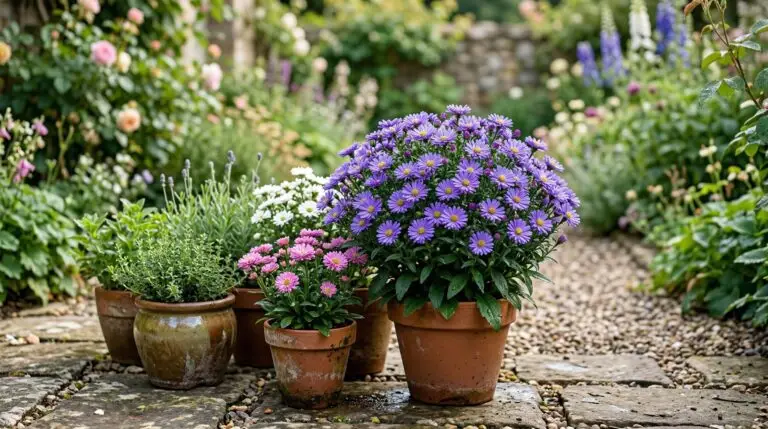
Growing asters in containers for fall color on porches and patios
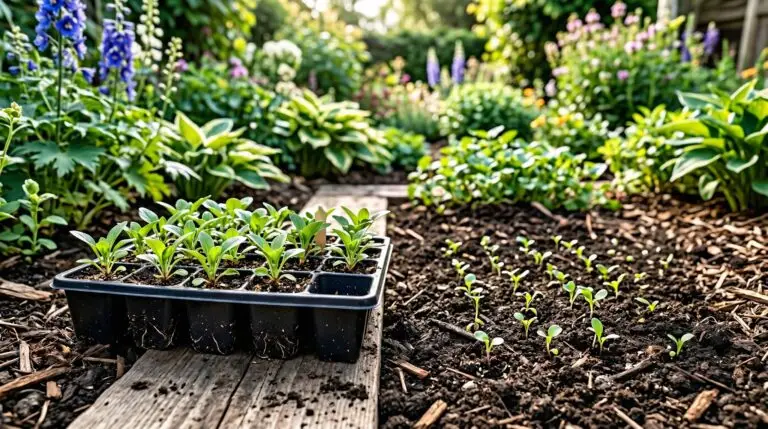
How to grow asters from seed for a wildflower meadow look on a budget
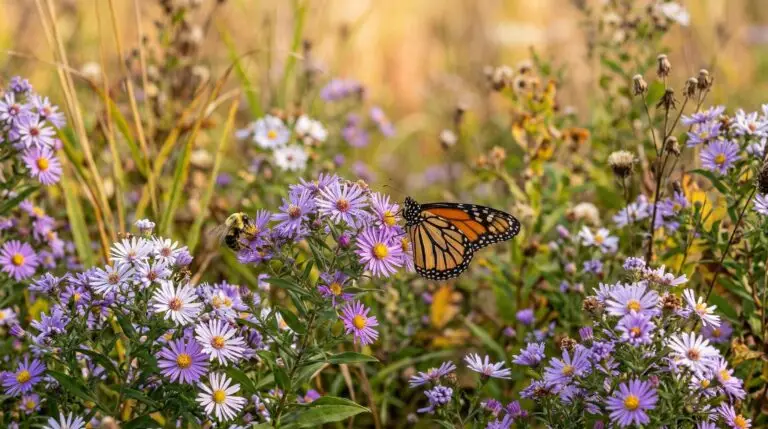
Asters for pollinators and why they are one of the most important late-season flowers
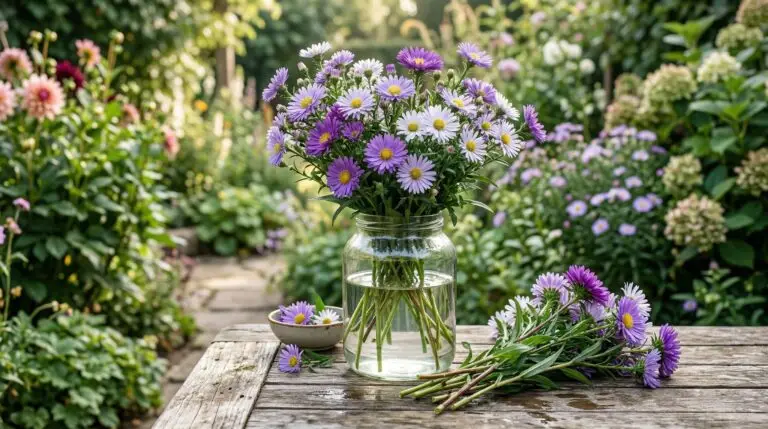
Using asters as cut flowers for fall bouquets and Thanksgiving arrangements