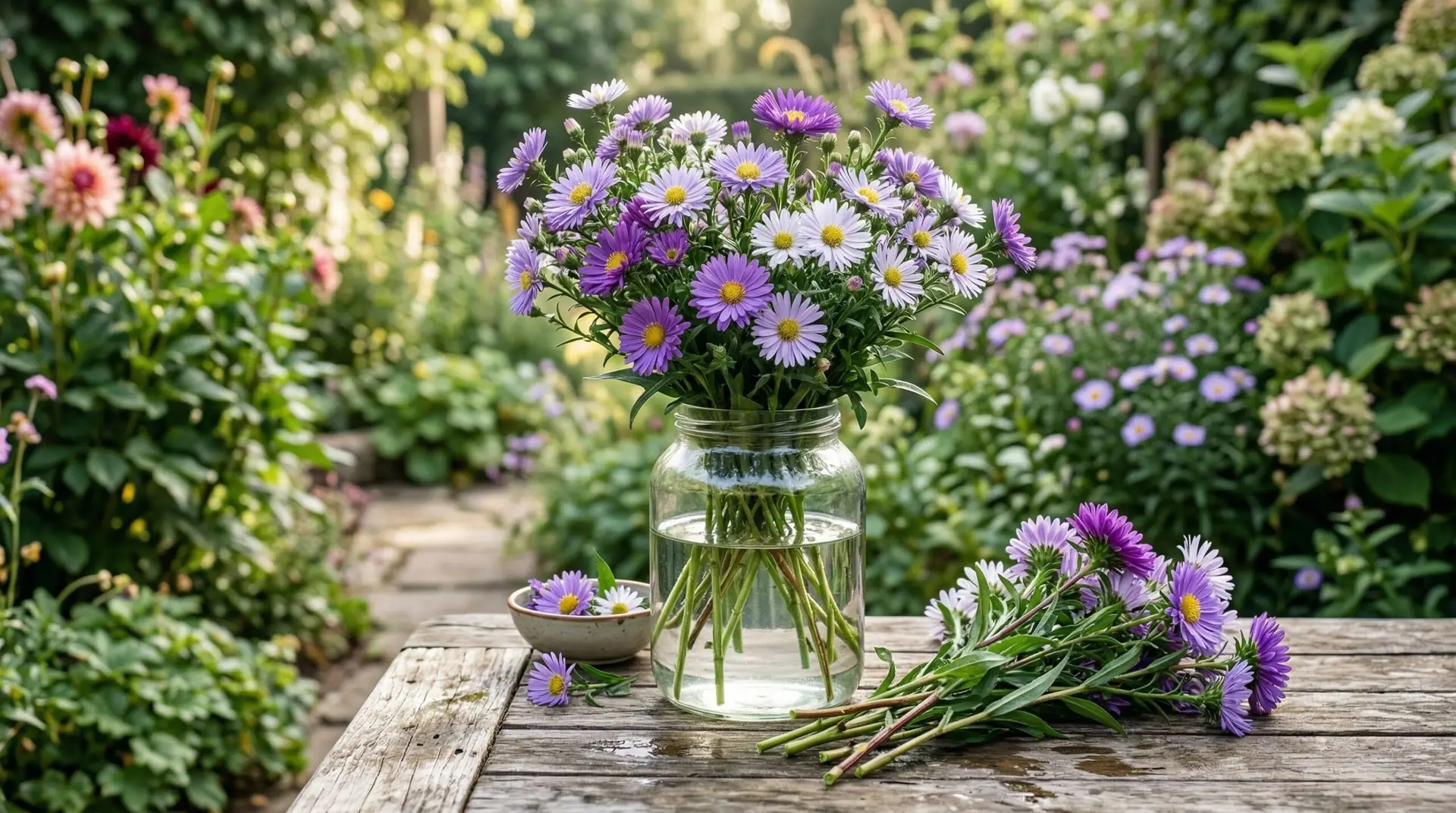
The late autumn garden has a specific quietness to it, wrapped in the damp scent of fallen leaves and cooling soil. Most summer blooms have long since surrendered to the frost, leaving behind brown stalks and retreating foliage. Yet, growing tall in the slanting morning light, the asters offer a final, defiant wash of color. Their star-shaped heads nod in shades of deep violet, powder blue, and saturated magenta, completely unfazed by the chill in the air. Cutting these late-season flowers feels like gathering up the last fragments of the growing year. The stems snap cleanly under sharp shears, releasing a sharply herbaceous scent that belongs entirely to November. Bringing these resilient blooms indoors transforms a seasonal garden chore into an act of preservation.
Gardeners often overlook the potential of the aster cut flower, leaving them outside to feed late-season pollinators. When brought across the threshold, these native perennials prove to be exceptionally long-lasting companions for the vase. Their wiry, branching stems create natural volume, filling out arrangements with a delicate texture that heavier autumn blooms lack. They require very little manipulation to look elegant, often falling into a natural, relaxed shape the moment they hit the glass. With proper handling, a freshly cut aster bouquet will easily hold its color and form for over a week on the kitchen counter.
Contents 3 sections
Conditioning asters for maximum vase life
The secret to a long-lasting arrangement begins the moment the flowers leave the garden. Asters demand clean water and a sterile environment to thrive indoors, as their stems are highly susceptible to bacterial buildup. Once the flowers are gathered, the immediate removal of all lower foliage is a necessary step before they ever touch a vase. Any leaves submerged in water will break down rapidly, turning the water murky and clogging the stems, which causes the flower heads to droop prematurely. A sharp, angled cut at the base of each stem maximizes the surface area for water absorption. Plunging the newly trimmed stems into lukewarm water mixed with commercial floral food gives them the carbohydrates they need to open their remaining buds. Changing this water every two days keeps the stems drinking freely and prevents the foul odor that plagues neglected vases.
Timing the harvest correctly also dictates how well the flowers will perform inside the home. The ideal moment to cut an aster is when the outer petals are fully open but the yellow center is still tight and fresh. Flowers with centers that have turned brown or fuzzy have already been pollinated and will drop their petals quickly once arranged. Harvesting in the cool hours of early morning ensures the stems are fully hydrated and less prone to transplant shock. Carrying a bucket of water directly into the garden allows you to submerge the stems immediately, locking in that vital moisture.
Designing unexpected autumn arrangements
Traditional fall flower arrangements rely heavily on a predictable palette of rust, mustard, and burnt orange. Introducing asters into this warm spectrum creates a visual tension that makes the entire bouquet feel more sophisticated. The cool, icy blues and deep purples of aster varieties cut through the heavy warmth of typical autumn foliage, offering a necessary resting place for the eye. A loose, garden-style arrangement gains immense depth when you pair these cool-toned stars with the dark, moody burgundy of a late-season dahlia. Similarly, the fine, daisy-like texture of the aster contrasts cleanly against the dense, spherical heads of a classic chrysanthemum. This combination of shapes and temperatures mirrors the reality of the November landscape, where bright skies meet fading foliage. The resulting arrangements feel less like a commercial autumn display and more like a true reflection of the shifting seasons.
Building a successful fall flower arrangement with asters also invites a bit of gentle foraging. Bare branches covered in wild rose hips or the silvery, coin-like seed pods of honesty provide a structural framework for the wiry aster stems to lean against. Dried ornamental grasses add movement and a whisper of sound to the vase, softening the edges of the composition. Copper-colored beech leaves or turning oak branches offer a solid background that makes the pastel aster petals pop. These gathered elements ground the bright floral colors in the earthy reality of the dormant garden.
Building a Thanksgiving centerpiece
The Thanksgiving table is the ultimate destination for late autumn flowers, though it presents its own specific design requirements. A successful dining centerpiece must be low enough to allow conversation across the table while still carrying enough visual weight to anchor the feast. Asters excel in this role because their branching habit allows them to be cut quite short and clustered tightly in low bowls or scattered down the table in a collection of bud vases. Deep purple asters look particularly elegant against white ironstone plates and the warm metallic tones of brass candlesticks or silver cutlery. Tucking small clusters of these flowers among the roasted root vegetables and serving dishes brings a sense of the wild garden directly to the holiday meal. Incorporating a single, deeply colored sunflower cut short at the center of the bowl provides a focal point, while the airy asters dance around the edges. The flowers become part of the shared experience, catching the candlelight as the afternoon fades into evening.
There is something satisfying about bringing the garden’s final offerings indoors to share a space with family and friends. The presence of fresh flowers on a late November table is a quiet reminder of the resilience of the natural world just outside the frosted window glass. As the evening deepens and the room fills with the warmth of the hearth, the cool tones of the floral arrangement offer a perfect visual balance. Long after the plates are cleared and the guests have retreated to the living room, the asters remain. They hold the last light of the autumn season in their petals, waiting patiently for the winter to come.
More About Aster
Aster flower meaning and the September birth flower connection
Why your asters keep getting powdery mildew and how to prevent it for good
Pinching asters in spring for bushier plants and more abundant fall flowers
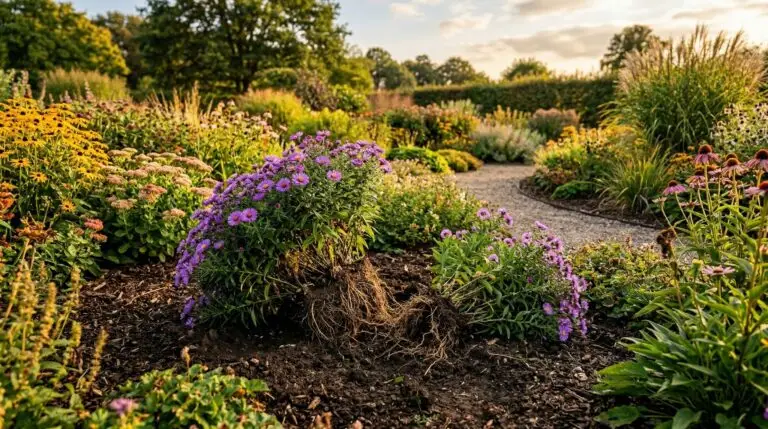
How to divide and rejuvenate aster clumps for stronger blooms every fall
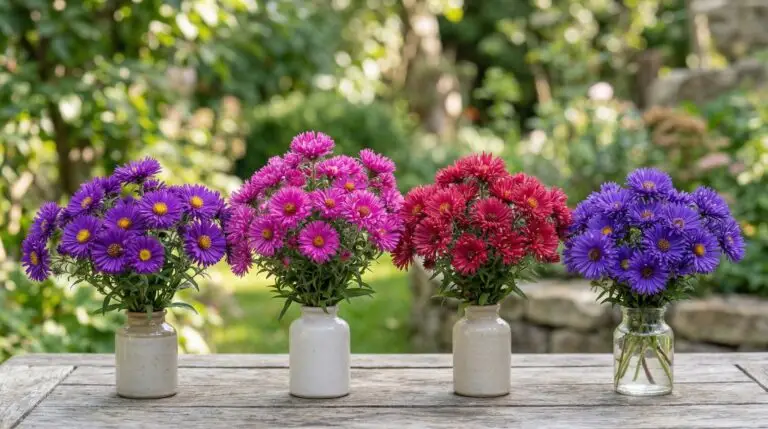
Best aster varieties for a colorful fall garden that blooms into frost
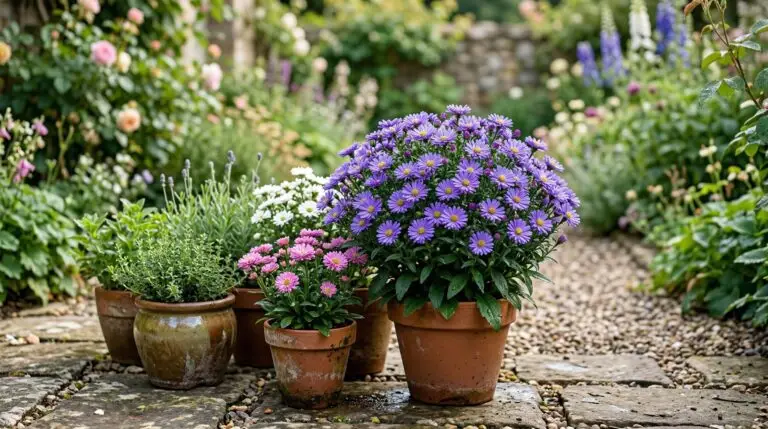
Growing asters in containers for fall color on porches and patios
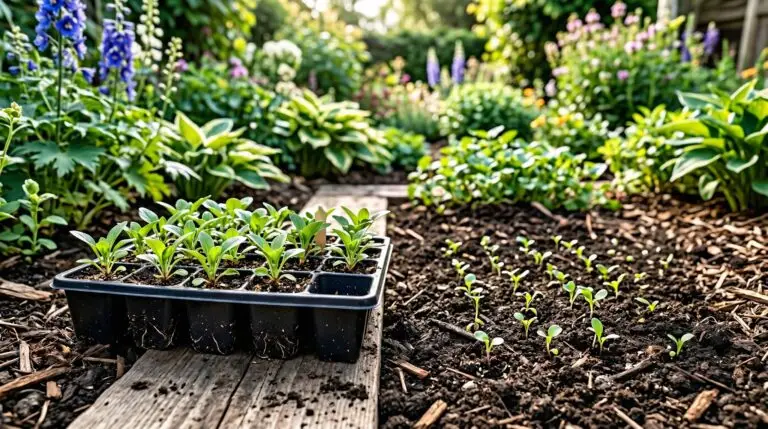
How to grow asters from seed for a wildflower meadow look on a budget
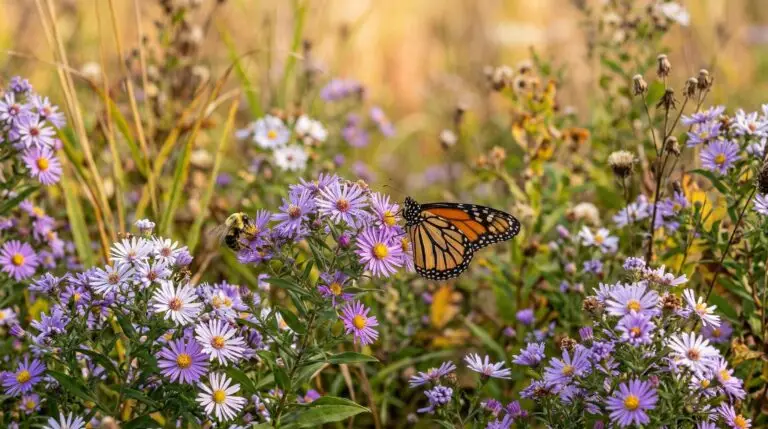
Asters for pollinators and why they are one of the most important late-season flowers
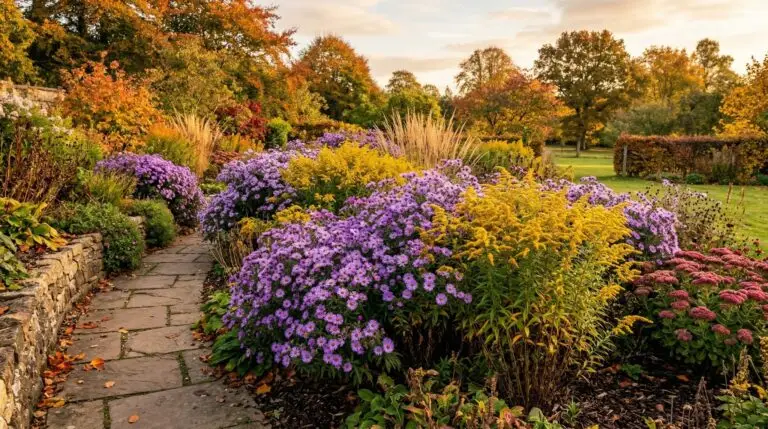
Companion plants for asters: what to grow and what to avoid
Enjoying our flower guides? Add YourFlowersGuide as a preferred source on Google. It helps more readers find us.
Add to Preferred Sources