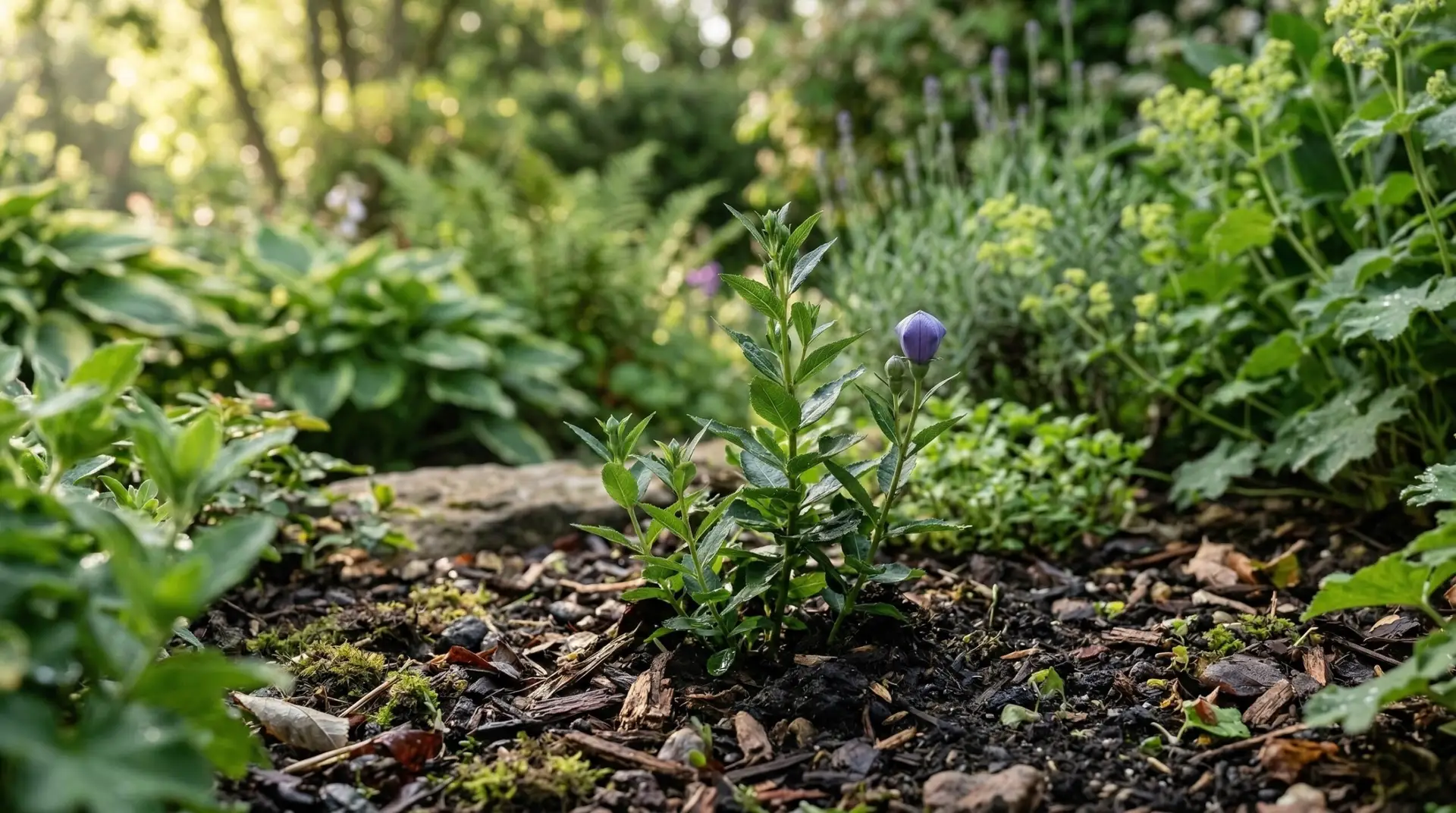
One of the first things gardeners ask when they start growing balloon flowers is whether their plants died over the winter. Spring arrives, the soil warms up, and almost everything else in the garden begins to push green shoots through the dirt. You might see the early foliage of a shade-loving hellebore unfurling or daffodils already finishing their display, yet the spot where you planted your balloon flower remains completely bare. This causes a lot of unnecessary panic and leads people to assume the worst about their perennial investment. The truth is that balloon flowers are notoriously late sleepers, often waiting until late spring or even early summer to show any signs of life above ground. They require significantly warmer soil temperatures than most typical garden perennials before they break dormancy. The ground needs to absorb weeks of consistent spring sunshine before the root system registers that it is safe to send up shoots, making it completely normal for them to remain invisible for weeks after your other plants have established their spring foliage.
The natural follow-up question is whether there is a way to check if the plant is actually alive down there without causing harm. It is tempting to grab a trowel and gently scrape away the top layer of soil to look for signs of green, but this is exactly what you should avoid doing. Balloon flowers grow from a fleshy, carrot-like taproot that sits relatively close to the soil surface. These taproots are incredibly brittle and snap easily under the pressure of a probing trowel or even an eager finger digging through the mulch. If you break the crown or snap the main root while searching for life, you can easily kill a perfectly healthy plant that was just waiting for its preferred temperature. You simply have to trust that the plant is doing exactly what it is supposed to do and wait for the soil to warm up completely. Leaving the area completely undisturbed is always the safest choice for the long-term health of the plant.
Protecting your sleeping plants
This leads to something many growers wonder about, which is how to manage a garden bed when there are huge empty gaps that look like prime real estate for new spring plants. The most common cause of death for a balloon flower is not winter cold or disease, but a gardener accidentally digging it up to plant something else in what looks like an empty spot. To prevent this accidental destruction, you have to plan ahead during the previous growing season. The best strategy is to place a physical marker right next to the crown of the plant in late fall before the foliage dies back completely. You can use a dedicated plant label, a painted rock, or even a sturdy bamboo stake pushed deep into the earth next to the root zone. When spring arrives and you get the urge to fill that bare patch with a new colorful daylily or some annuals, the marker will remind you that the space is already occupied. This simple habit saves countless plants from the edge of a shovel every single spring.
While we are talking about roots, there is a related issue that catches many people off guard when they decide their balloon flower is in the wrong spot. Because of that long, fragile taproot, balloon flowers absolutely hate being transplanted once they are established. If you try to dig them up and move them, the taproot almost always breaks, and the plant rarely recovers from the shock. Therefore, you should treat their initial placement in your garden as a permanent decision. Choose a location with well-draining soil and full sun, knowing that the plant will stay there for years. If you absolutely must move one, the only viable time is when the plant is very young, taking an enormous scoop of surrounding soil to ensure you do not disturb the root system at all. Even then, the plant will likely sulk for an entire growing season while it tries to repair the microscopic root hairs that were inevitably damaged during the move.
The timeline of summer growth
People often ask if this incredibly late start means they will have to wait until fall to see any flowers. Surprisingly, balloon flowers make up for lost time very quickly once they finally decide to wake up. When the soil temperature reaches their ideal threshold, the shoots emerge rapidly and grow with impressive speed. Within just a few weeks of breaking the surface, the stems will stretch up and begin forming those distinct, inflated buds that give the plant its common name. They usually begin blooming in mid-summer, right on schedule with other classic summer perennials, completely erasing the memory of their lazy spring start. The wait is entirely worth it when those balloon-like buds finally pop open into perfect, star-shaped blossoms. The foliage also stays remarkably fresh and green throughout the hottest parts of the summer, largely because the plant did not exhaust its energy pushing through cold spring soil.
You might find yourself wondering why nature designed a plant to wait so long to start growing when early emergence seems like an advantage in the wild. This late dormancy is actually a brilliant survival mechanism that protects the balloon flower from unpredictable spring weather. By staying safely underground while other plants risk their tender new growth, the balloon flower completely avoids the danger of late spring frosts. A sudden freeze in April might damage the early foliage of other perennials, but the balloon flower remains insulated in the cold earth, completely unaffected. Understanding this evolutionary strategy makes it much easier to appreciate their stubborn refusal to wake up early, turning what feels like a gardening frustration into a lesson in natural patience.
More About Balloon Flower
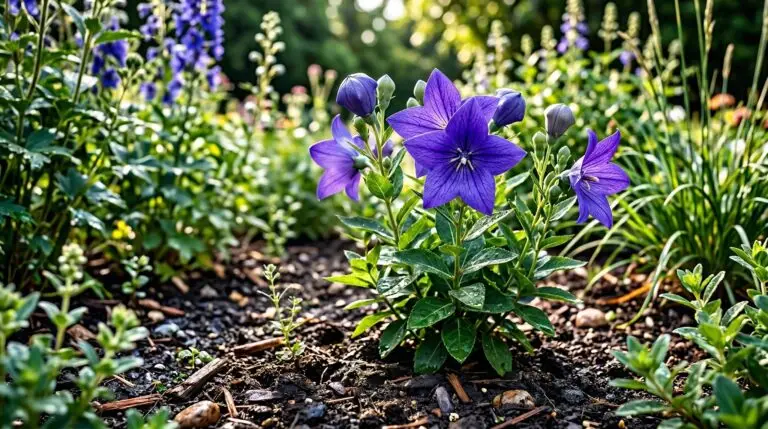
How to grow balloon flowers from seed for charming summer blooms year after year
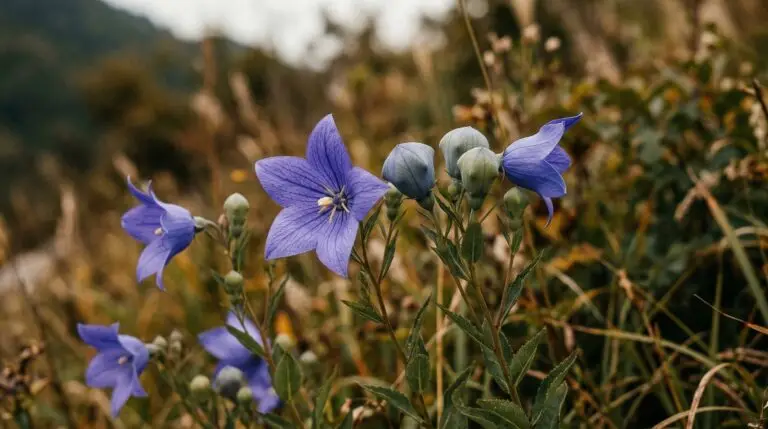
Balloon flower meaning in Korean and Japanese culture and garden traditions
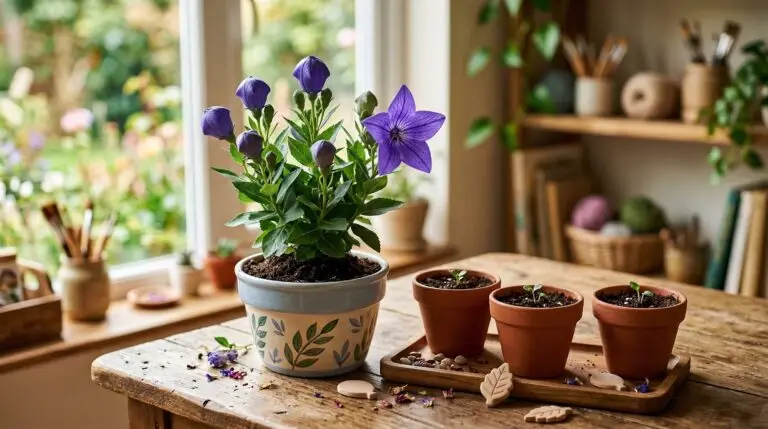
Balloon flowers in children’s gardens and why kids love watching the buds pop open

Designing a blue and purple perennial garden with balloon flowers as the star
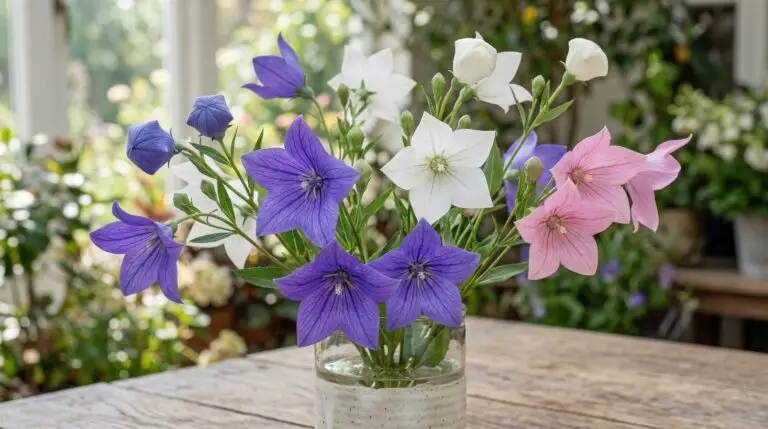
Best balloon flower varieties including double blooms and dwarf forms for small gardens
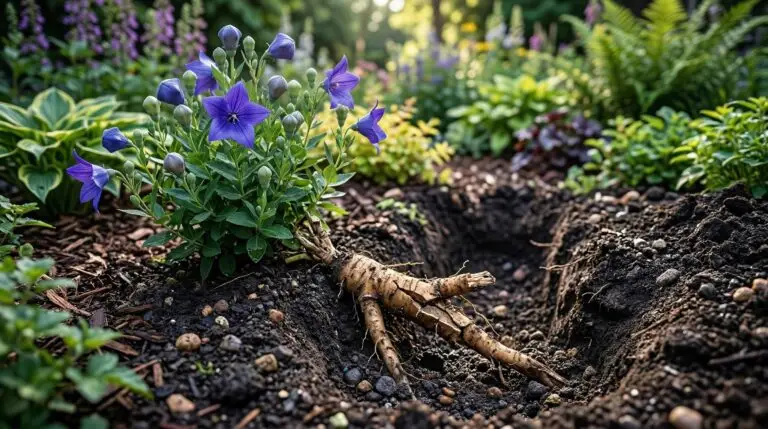
Dividing and transplanting balloon flowers without killing the deep taproot
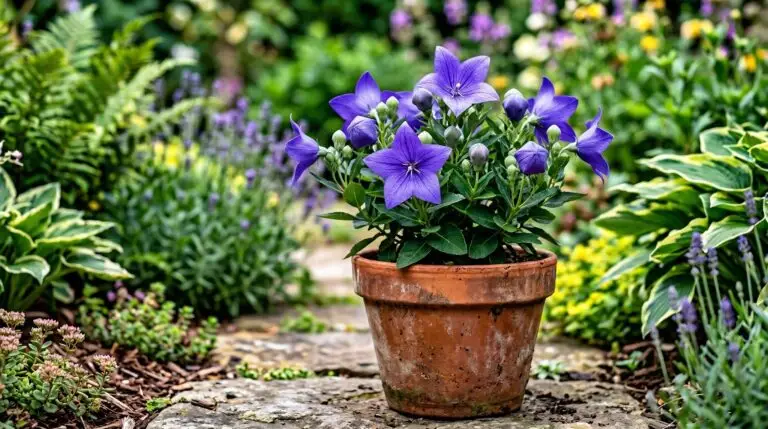
Growing balloon flowers in containers for a whimsical patio garden display

How to deadhead balloon flowers to keep them blooming through late summer

Companion plants for balloon flowers: what to grow and avoid
Enjoying our flower guides? Add YourFlowersGuide as a preferred source on Google. It helps more readers find us.
Add to Preferred Sources