The pairing · pick a flower
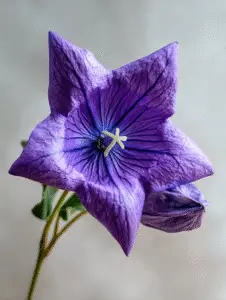 Balloon Flower+
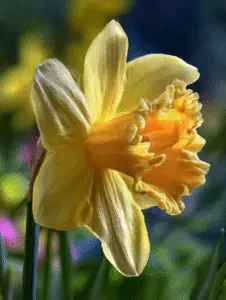 DaffodilPartial
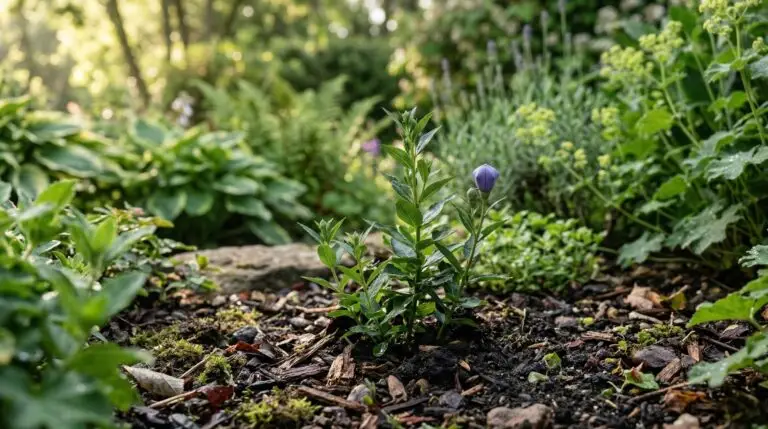
Balloon flower is famous for breaking dormancy late, often not visible until other perennials are well up, so its bare spring spot is exactly where fading daffodil foliage needs cover.
Balloon Flower+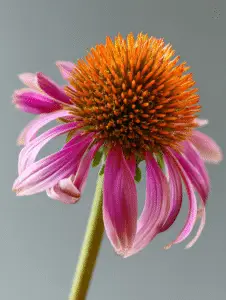 ConeflowerProven
Same mid to late summer bloom window, same full sun and good drainage, and a flat daisy form that plays off balloon flower's cupped stars; a documented pollinator plant in its own right.
Balloon Flower+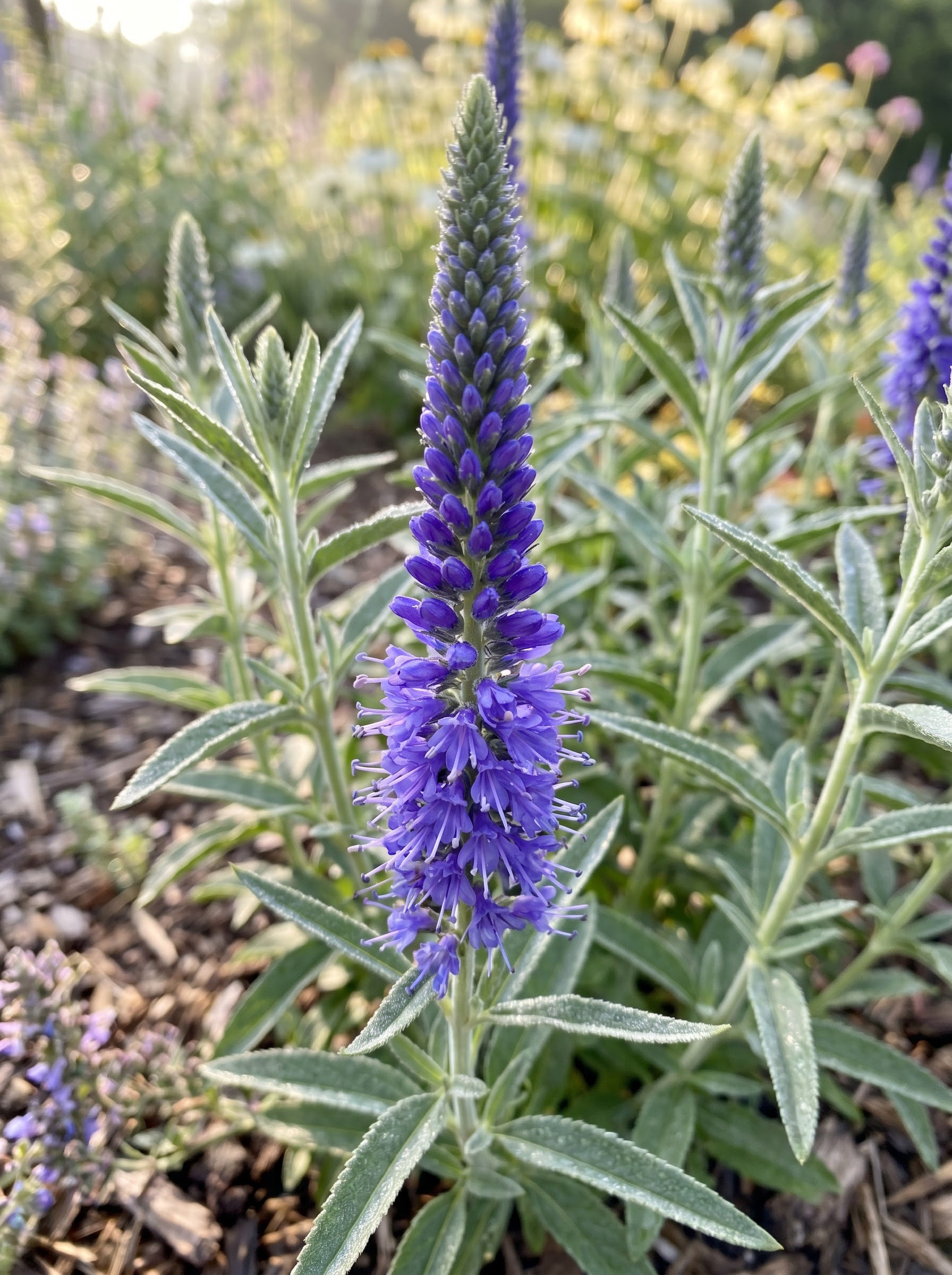 VeronicaPartial
Vertical flower spikes are a genuine textural foil to balloon flower's rounded, cupped blooms, and both want the same full sun and well-drained bed.
Balloon Flower+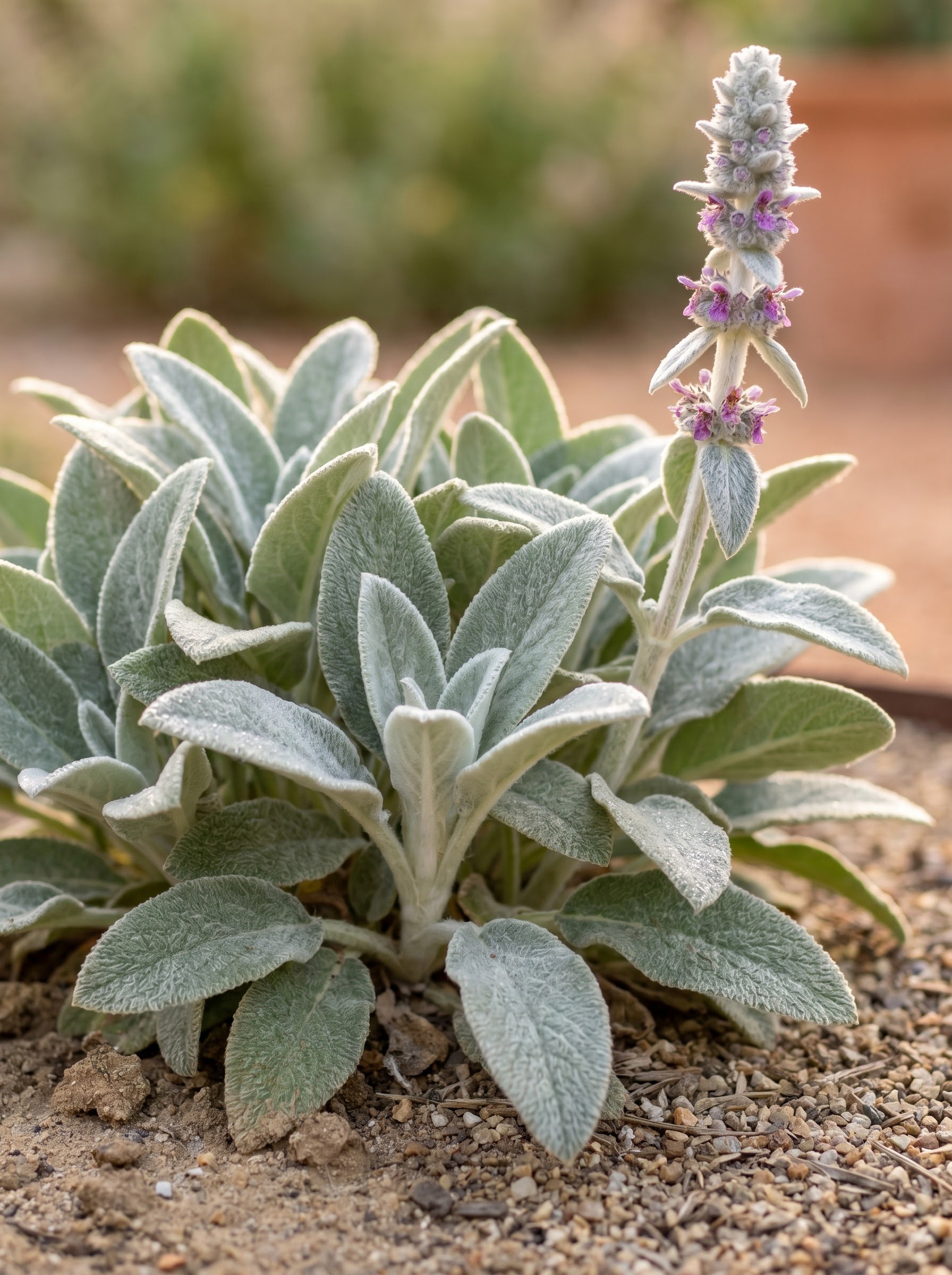 Lamb's earPartial
Silvery, felted, low-mounding foliage is a strong color and texture contrast to balloon flower's clean blue-green leaves, and it shares the same need for sharp drainage.
Balloon Flower+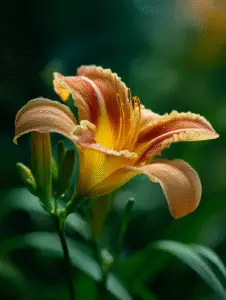 DaylilyFolklore
Strappy, arching foliage is the textural opposite of balloon flower's stiff upright stems, and daylily's own emerging leaves double as cover for the daffodils tucked nearby.
Balloon Flower+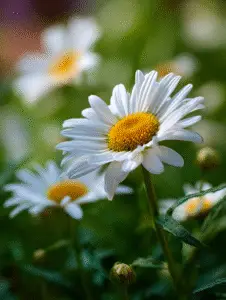 Shasta daisyFolklore
Classic white daisy form at the same middle-border height and bloom window, giving balloon flower's blue-violet stars a crisp, cool-toned landing pad.
Balloon Flower+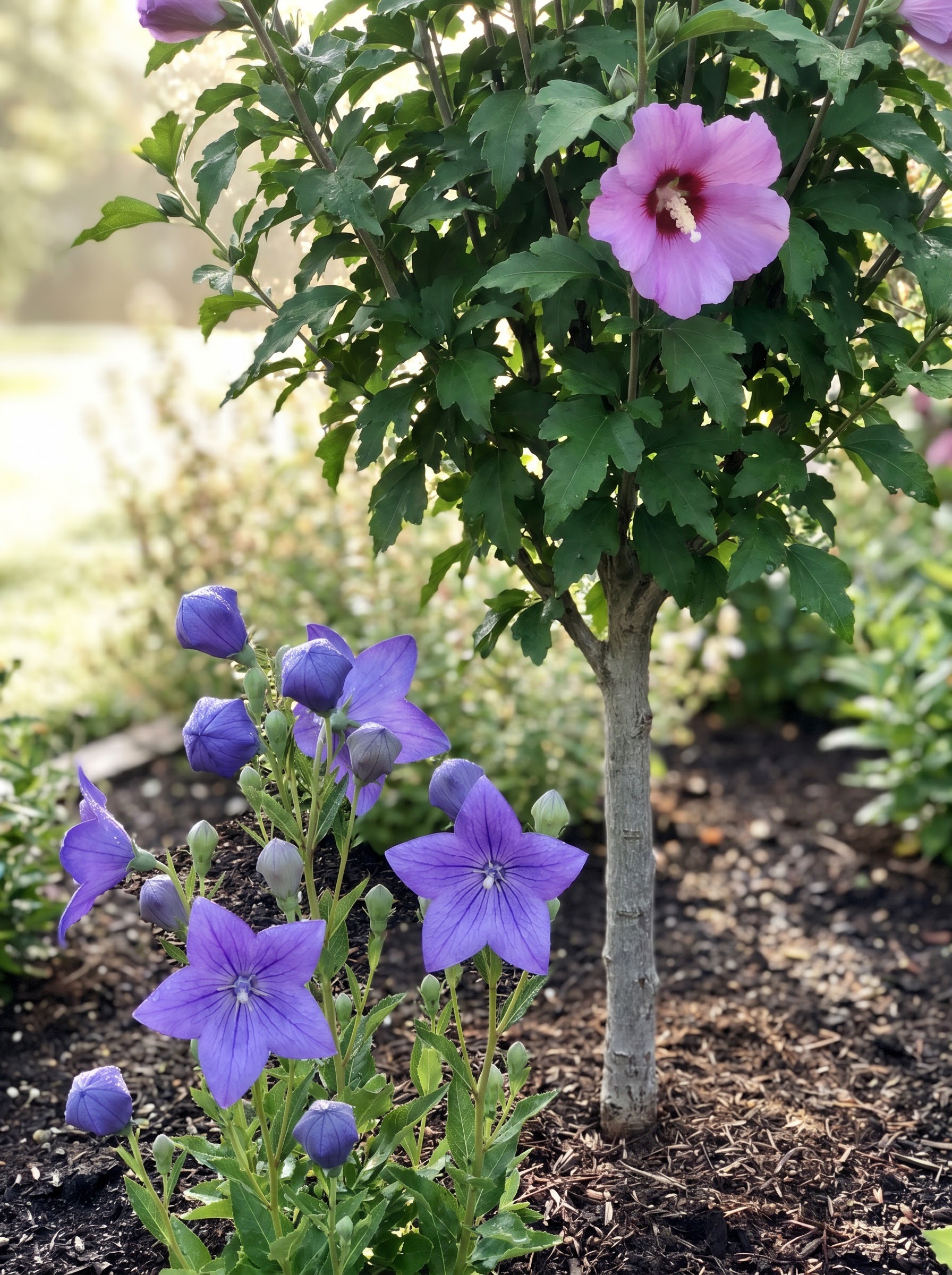 Rose ofPartial
Balloon flower works as a facer plant in front of taller deciduous shrubs with bare lower stems, its blue-purple color reading as fresh interest after the shrub's own spring flush turns to plain green.
Balloon Flower+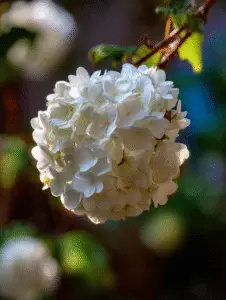 ViburnumPartial
Same facer-plant logic as rose of Sharon: balloon flower's upright habit and cool color front a shrub whose spring bloom has already passed.
Balloon Flower+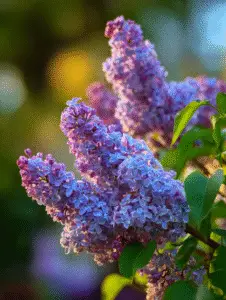 LilacPartial
Lilac's spring bloom is long finished by the time balloon flower opens, so the perennial supplies color at the shrub's base through the rest of summer.
Balloon Flower+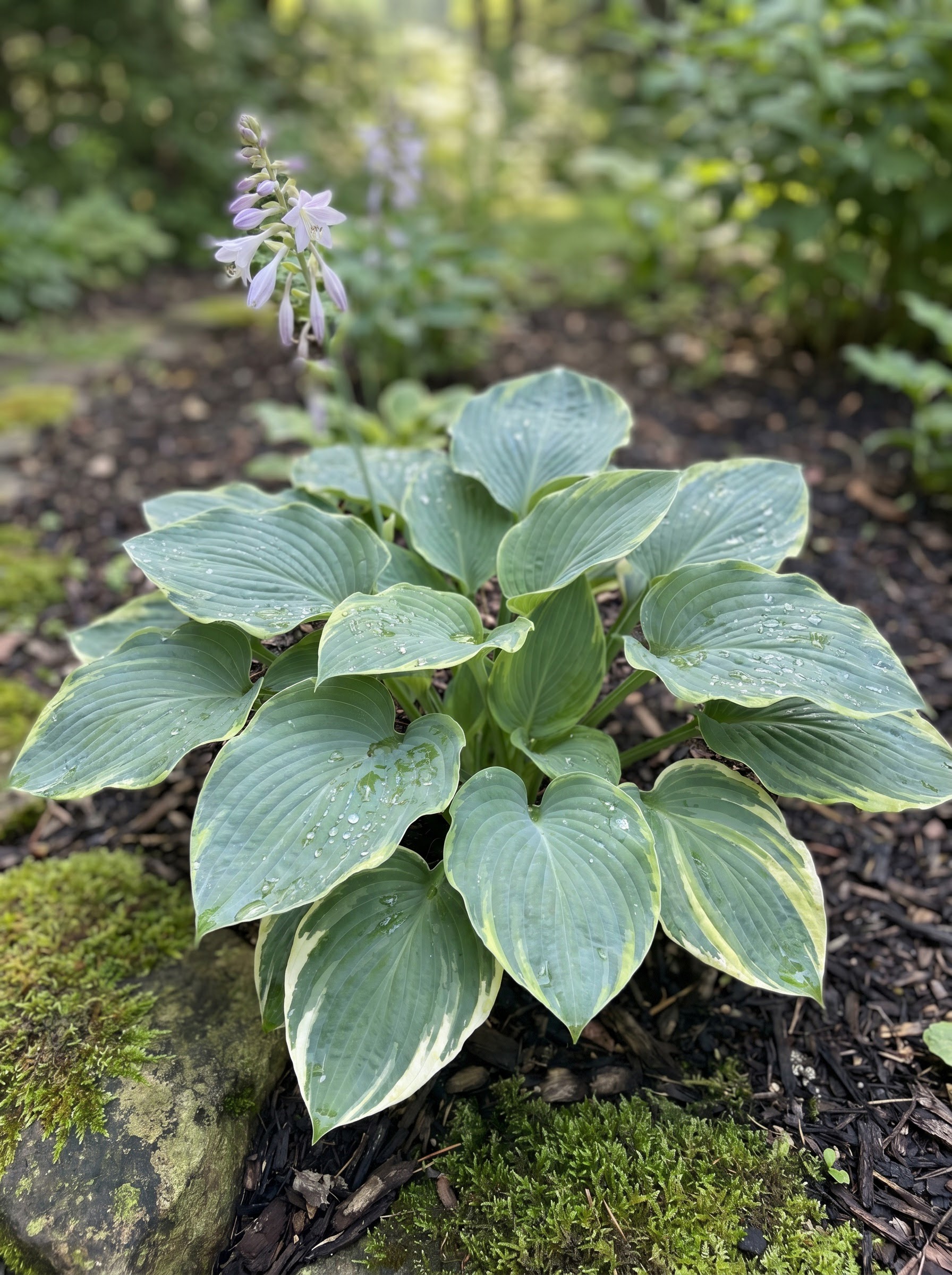 HostaPartial
For the part-shade end of balloon flower's tolerance range, hosta's broad, bold leaves are a strong textural contrast and equally good at masking spent bulb foliage.
Balloon Flower+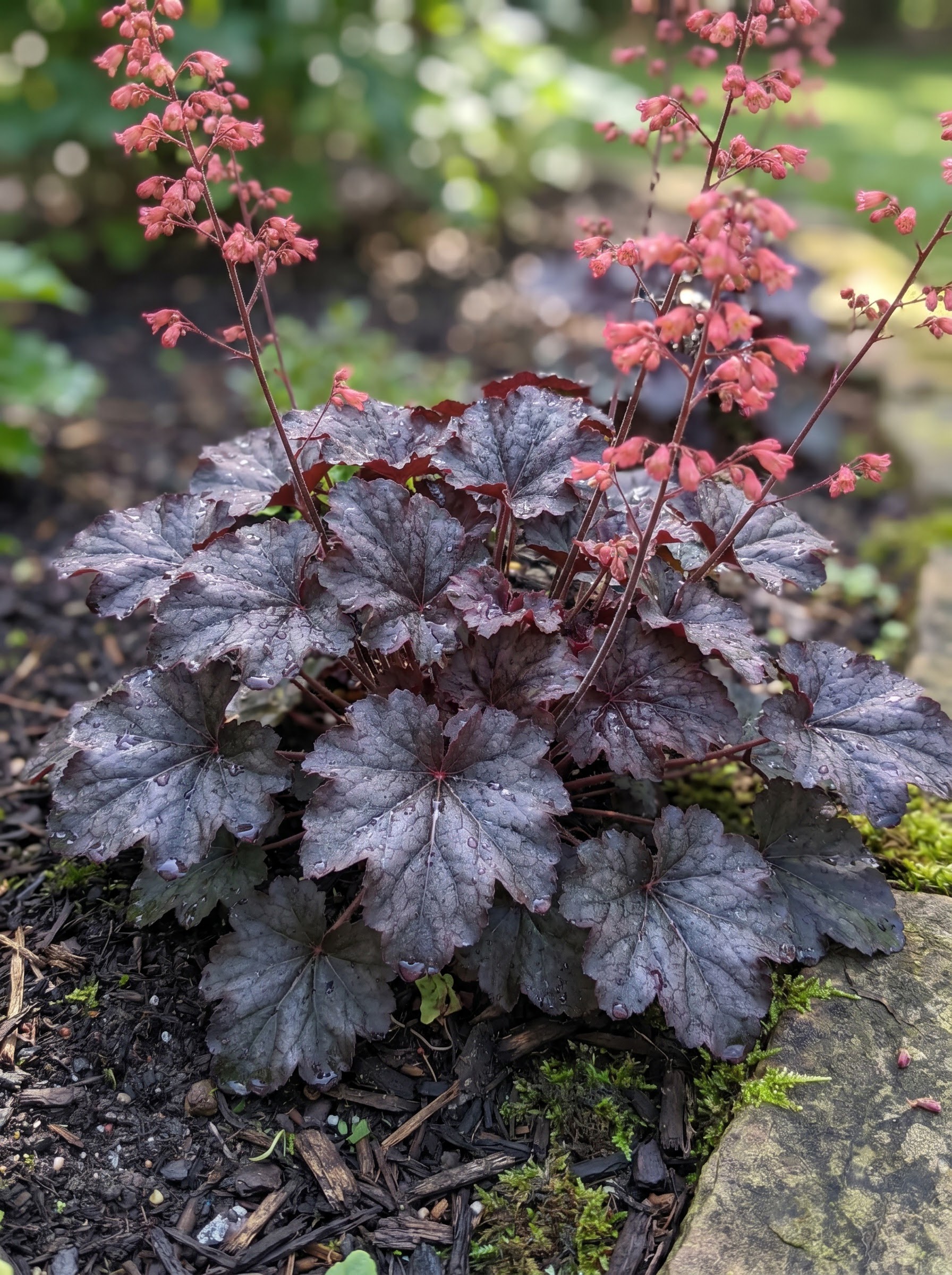 Coral bellsFolklore
A low, mounding partner for balloon flower's part-shade edge, with foliage colors from deep purple to lime that echo or contrast the blue-violet blooms above.
Balloon Flower+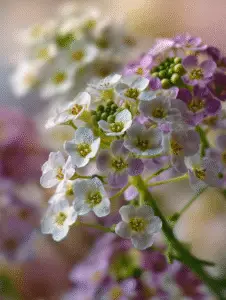 Sweet alyssumProven
In containers, alyssum's trailing habit and long bloom fill the gap around a young balloon flower's slow spring start, and it is a well-documented magnet for hoverflies and parasitic wasps.
All balloon flowers companions
12 flower companions, best match first
What not to plant near balloon flowers
Most bad neighbours are not evil, they just want the opposite light, water or root run. Here is what to keep away, and what to do instead.
Pond-edge and bog plants (cattails, reed grass, flag iris)
Balloon flower needs good drainage year-round, including through winter dormancy, and seasonal flooding or boggy soil around waterside plants causes root rot in its fleshy taproot.
Heavy clay or poorly drained beds generally
This is a siting problem, not a neighbor problem: cold, soggy soil rots balloon flower at the base or kills it outright over winter, and clay soils show measurably more severe root rot than sandy ones in field studies.
Aggressive self-seeders and groundcovers needing regular lifting or dividing
The risk here is not competition but disturbance: balloon flower's fragile taproot cannot be safely divided or transplanted once established, so a neighbor that forces you to dig, thin, or reset nearby every year or two risks nicking the crown by accident.
Full-shade siting or dense overhead shade from taller neighbors
Balloon flower tolerates part shade but flowers best in full sun; a shaded or crowded spot cuts bloom and worsens the plant's existing tendency toward floppy, leggy stems that already often need staking even in good light.
Creeping bellflower and other rhizomatous Campanula relatives
Creeping bellflower is not a threat to balloon flower agronomically, but it shares a similar blue bell-shaped silhouette and is a genuinely aggressive spreader, officially classified as noxious or invasive in several states, reaching over a foot deep by both rhizome and up to 15,000 seeds per plant. Planting it nearby risks gardeners misattributing its damage, or its spread, to balloon flower itself.
The best companions for balloon flower, explained
Balloon flower asks for one thing above everything else: a companion that will still be sitting quietly in the same spot ten years from now. The plant’s fleshy taproot, described by the North Carolina Extension Gardener Plant Toolbox as fragile enough that "division and transplanting are difficult," settles in for the long haul and resents being disturbed once it is established. That single fact reshapes what makes a good neighbor here more than sun or color ever could. The strongest pairing for this plant is not a design trick at all, it is a scheduling fix: daffodils or other early spring bulbs planted directly around the dormant crown. Balloon flower is unusually slow to break dormancy, often invisible well into late spring while the rest of the border is already green, and gardeners who plant it fresh routinely worry about the bare patch it leaves behind every year. Daffodils solve that exact problem, blooming and fading before balloon flower even shows a shoot, and their yellowing post-bloom foliage disappears from view right as the balloon flower’s own stems finally rise to take over the spot.
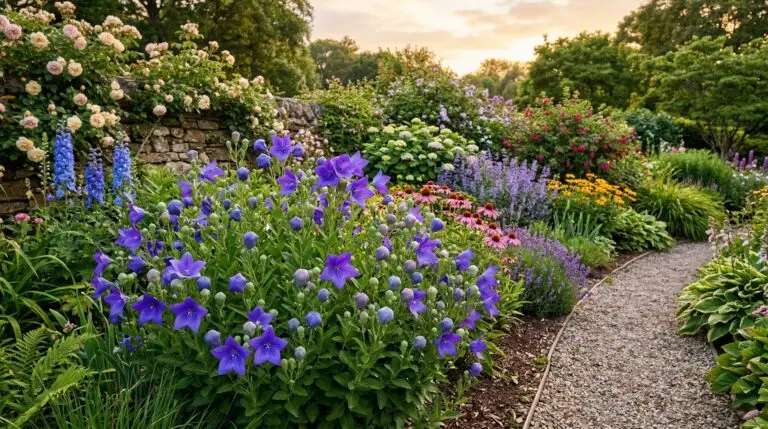
Once summer arrives, the design logic shifts toward color and form. Balloon flower’s puffed buds and star-shaped, cupped blooms read as a cool blue-violet note that few other perennials supply this cleanly, and coneflower is the standout partner for that window: flat, daisy-form, blooming on the same mid-to-late-summer schedule, tolerant of the same full sun and well-drained soil, and confirmed by NC State’s own coneflower profile as a genuine pollinator draw for bees, butterflies, and seed-eating songbirds. Veronica’s upright spikes add the vertical contrast coneflower’s rounded cones don’t, and daylily’s strappy, arching leaves do the opposite job, softening balloon flower’s stiff, upright habit with a completely different texture while sharing the same light and moisture needs. For a part-shade pocket where full sun genuinely isn’t available, hosta and coral bells step in, since balloon flower tolerates dappled shade even though it flowers best in the sun. And in front of taller flowering shrubs like viburnum, lilac, or rose of Sharon, balloon flower works as a facer plant, its blue-purple color carrying visual interest at the shrub’s base long after the shrub’s own spring flowers have given way to plain green.
What not to plant near balloon flower
The single hardest rule for this plant has nothing to do with which flower you choose and everything to do with water. Balloon flower wants good drainage in every season, including winter dormancy, and it simply does not tolerate wet feet. Pair it with pond-edge or bog-loving plants, cattails, reed grass, flag iris, anything that wants consistently soggy soil, and you are setting up root rot in a taproot that has nowhere to escape standing water. This is not a folklore warning either. A study on balloon flower published in the National Library of Medicine’s PMC database found root rot from Fusarium species occurred far more severely in poorly drained clay and paddy soils than in sandy ones, which is a direct, measured confirmation of what every extension source already says by instinct. The fix is not about finding a different companion plant so much as fixing the site itself: work compost and coarse sand into heavy clay, or move the whole planting to a raised bed or a gentle slope, rather than trying to out-choose a wet low spot.
The second avoid is more specific to this flower than to gardening in general, and it follows directly from the taproot fact above. Because balloon flower cannot be safely divided or transplanted once it is settled, the real threat from a neighboring plant is rarely competition, it is disturbance. An aggressive self-seeder that needs yearly thinning, or a groundcover that has to be lifted and reset every couple of seasons, forces you to dig right next to a crown that was never meant to be dug near again. The safer instinct is to treat every neighbor as a permanent fixture, the same way balloon flower itself is, rather than pairing it with anything that will eventually demand a shovel. Full, dense shade deserves a mention too, though it is a lower-stakes issue: it will not kill the plant, but it cuts bloom and worsens balloon flower’s existing tendency toward floppy stems that frequently need staking even in good light, so a shaded or overcrowded spot compounds a weakness the plant already has rather than causing a new one.
Do they like the same conditions?
Balloon flower’s growing profile is more forgiving than its reputation as a "fussy cottage classic" suggests, and getting the real ruler straight matters for honest companion choices. Light is genuinely flexible: full sun produces the most flowers, but the plant tolerates part shade well, and in hot-summer zones 7 and 8, a little afternoon shade is a real benefit rather than a compromise. Water is where the plant’s true signature shows up, and it cuts the opposite direction from what many gardeners assume. Balloon flower handles short drought stretches without much trouble once it is established, so it is not a thirsty plant, but it has essentially zero tolerance for standing water at any time of year. That asymmetry, drought-tolerant but not remotely flood-tolerant, should drive companion choices far more than sun exposure does.
Soil pH is the one spot where sources genuinely disagree, and it is worth saying so plainly rather than picking a number and pretending it is settled. NC State’s own plant profile lists balloon flower as preferring acidic soil, below pH 6.0, while the site’s own balloon flower growing guide and several consumer sources give a noticeably wider range, roughly 5.5 to 7.5. Both readings can be true at once: the plant performs well across that whole spread in practice, which means pH functions as a soft preference here, not a hard gatekeeping rule the way it is for a plant like hydrangea, where pH visibly changes flower color. Hardiness sits solidly at USDA zones 3 through 8, cold-hardy and heat-tolerant within that range, and not a meaningfully limiting factor for picking companions. What actually gates a good pairing is drainage, full stop, and every companion recommendation on this page has been filtered through that one non-negotiable condition first.
How to plant them together
Because the crown is effectively permanent once it is in the ground, the planning happens mostly before anything goes into the soil. Site balloon flower where drainage is already good, a raised bed, a gentle slope, or soil already amended with compost, rather than hoping a companion planting choice can compensate for a wet low spot later. Space true companions 12 to 24 inches from the crown depending on their mature size, close enough to read as a cohesive planting, far enough that neither plant’s roots compete hard and neither one’s future maintenance risks the other’s crown. For the daffodil pairing specifically, plant the bulbs in fall directly around where the dormant balloon flower crown sits, marking the spot if needed, since a completely bare patch in fall and winter is easy to accidentally dig into otherwise. One old but genuinely useful trick solves two problems at once here: leaving balloon flower’s dead stems standing through winter instead of cutting them back gives the bed some frost and snow interest, and it also marks exactly where the dormant crown is, so you don’t accidentally slice into it while working the bed in late winter or very early spring.
In containers, the same drainage rule applies even more strictly, since a pot has nowhere for excess water to go except through the drainage holes. Pair a potted balloon flower with genuinely well-drained companions like calibrachoa or sweet alyssum as fillers and spillers around the base, and skip anything that wants consistently moist potting mix. Deadheading is the other piece of the planting plan worth deciding on up front. Snip spent blooms once they swell into their distinctive green, balloon-like seed pods and before those pods mature, and you prevent the vast majority of volunteer seedlings; leave some pods on the plant deliberately if you want it to self-seed a little into open ground nearby.
Does companion planting actually work for balloon flower?
Some of it, yes, in a way that is easy to verify and repeat. The daffodil pairing is not folklore dressed up as fact, it is straightforward horticultural timing: balloon flower’s documented late emergence and the equally well-documented practice of underplanting spring bulbs with later perennials to hide their fading foliage are each independently solid, and stacking them together is a mechanical fit rather than a guess. The drainage avoid list is Proven-tier too, backed by an actual root rot study rather than repeated received wisdom. Coneflower’s pollinator value is genuinely documented by NC State, not merely assumed because it is a popular pairing.
Other parts of the page are honestly softer, and it is worth saying so rather than padding the list to look more authoritative than it is. The shrub-facer pairings, balloon flower fronting viburnum, lilac, or rose of Sharon, rest on a named, sensible design mechanism from a competing plant retailer rather than a controlled study, so they are tiered Partial: real, worth trying, but a design tradition more than a proven horticultural benefit. Shasta daisy and coral bells are included at Folklore tier deliberately, because the color and form logic is sound but no source ties them specifically to balloon flower as a pairing, only to the general conditions both plants share. And the self-seeding question deserves its own honest verdict rather than a blanket yes or no: balloon flower appears on zero official invasive-species lists, is not rhizomatous, and self-sows modestly rather than aggressively in most gardens, but one well-documented case does describe years of unchecked spread in ideal, undeadheaded conditions. The more likely explanation for reports of a truly out-of-control blue bellflower is misidentification of creeping bellflower, an aggressive rhizomatous relative classified as noxious or invasive in several states, that shares a similar flower silhouette. Both things are true at once: balloon flower is not a spreading threat, and it is also not the completely trouble-free plant a "low maintenance" label sometimes implies.
Frequently asked questions
What can I plant in front of balloon flower?
Low, well-drained companions work best at the front edge, lamb’s ear for silvery foliage contrast, or daffodils tucked at the base for spring color before balloon flower emerges. Keep anything at the very front shallow-rooted so it doesn’t compete with or disturb the crown behind it.
What should you not plant near balloon flower?
Skip pond-edge or bog plants like cattails, reed grass, and flag iris, since balloon flower’s taproot rots in consistently wet soil. Also avoid neighbors that need frequent digging or dividing nearby, since the balloon flower’s own root system cannot tolerate being disturbed once established.
Is balloon flower invasive?
No. It appears on zero official invasive-species lists and spreads by taproot, not rhizome, so it cannot colonize a bed the way a true invasive does. It does self-seed modestly in rich, undeadheaded soil, which is a real but much smaller concern than invasiveness.
Why does my balloon flower have a bare spot every spring?
Balloon flower is one of the last perennials to break dormancy, often staying invisible well into late spring even in temperate zones. Planting early bulbs like daffodils around the dormant crown fills that gap until the stems finally rise.
Can balloon flower grow with hydrangea?
Yes, as a facer plant in front of the shrub’s bare lower stems, provided the hydrangea’s own bed does not stay soggy where the balloon flower’s roots sit. The hydrangea macrophylla profile on this site notes the same pairing works from the shrub’s side of the relationship.
Does balloon flower need to be divided like other perennials?
No, and it generally should not be. Its fragile taproot makes division difficult and risky compared to fibrous-rooted perennials, so most gardeners leave an established plant undisturbed in place for a decade or more rather than dividing it on a schedule.
Sources
- NC State Extension Gardener Plant Toolbox: Platycodon grandiflorus
- NC State Extension Gardener Plant Toolbox: Echinacea purpurea
- NC State Extension Gardener Plant Toolbox: Veronica spicata
- NC State Extension Gardener Plant Toolbox: Stachys byzantina
- PMC / National Library of Medicine: Root Rot of Balloon Flower Caused by Fusarium solani and Fusarium oxysporum
- University of Minnesota Extension: Creeping Bellflower
- Clemson Cooperative Extension HGIC: Spring-Flowering Bulbs
- UC ANR / UC Master Gardeners: Sweet Alyssum
More About Balloon Flower
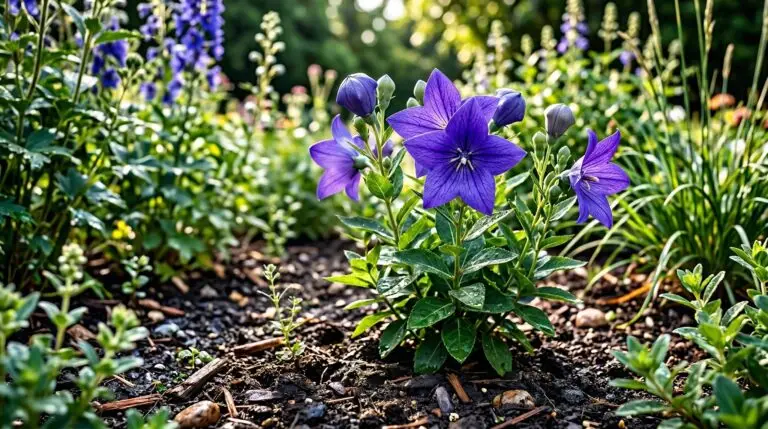
How to grow balloon flowers from seed for charming summer blooms year after year
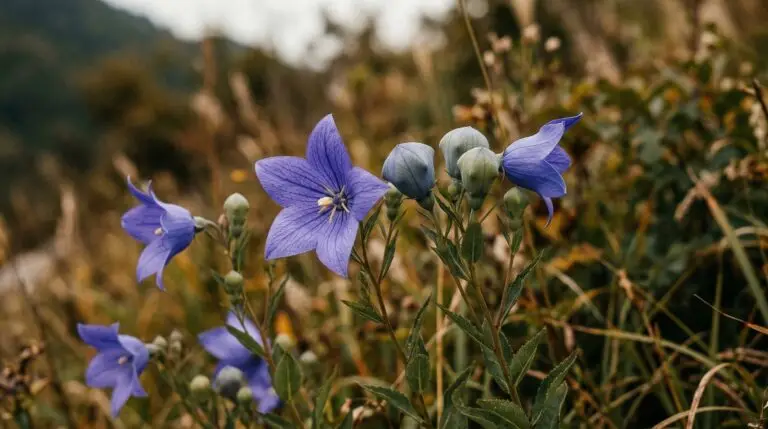
Balloon flower meaning in Korean and Japanese culture and garden traditions
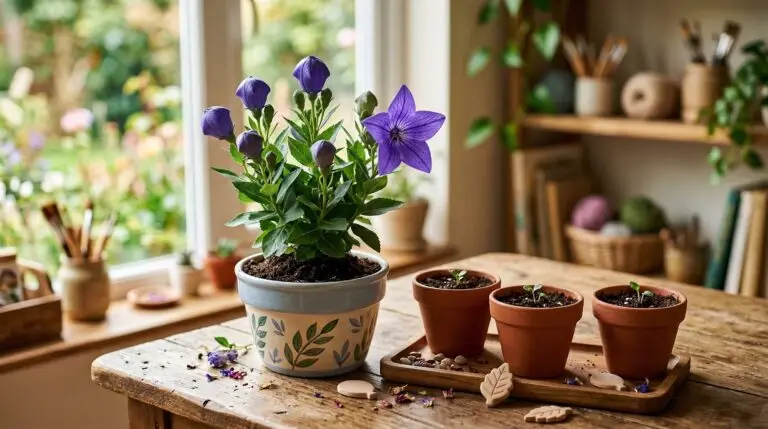
Balloon flowers in children’s gardens and why kids love watching the buds pop open
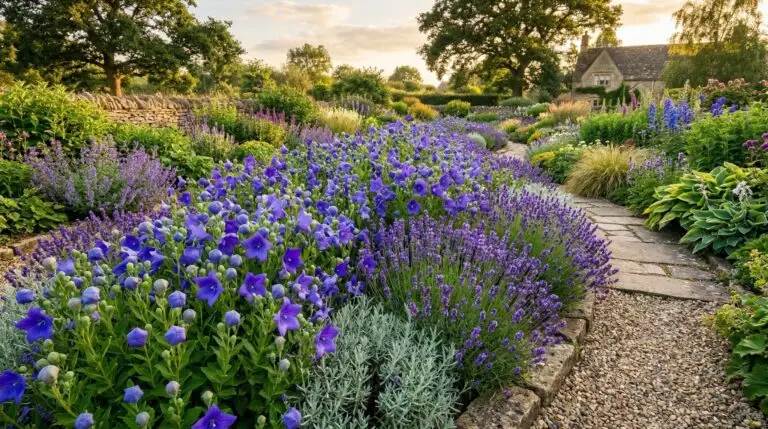
Designing a blue and purple perennial garden with balloon flowers as the star
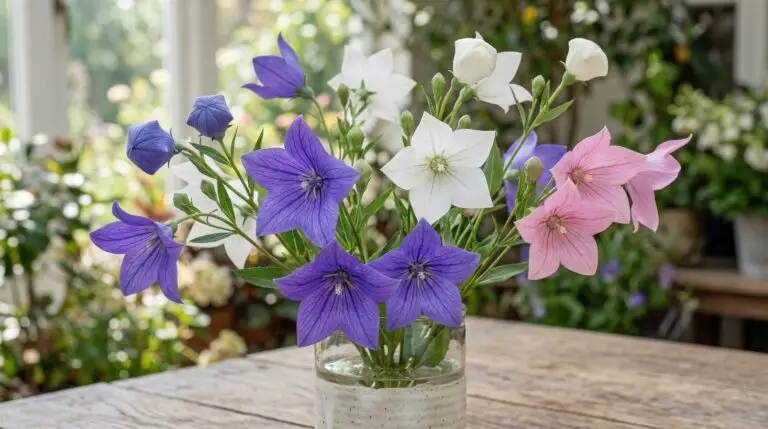
Best balloon flower varieties including double blooms and dwarf forms for small gardens
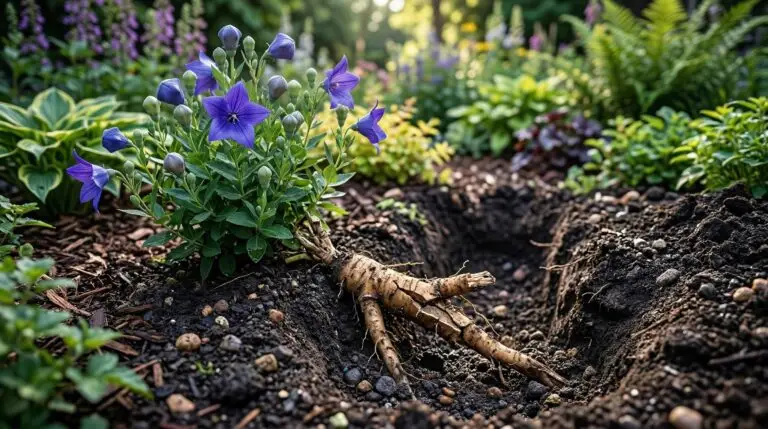
Dividing and transplanting balloon flowers without killing the deep taproot
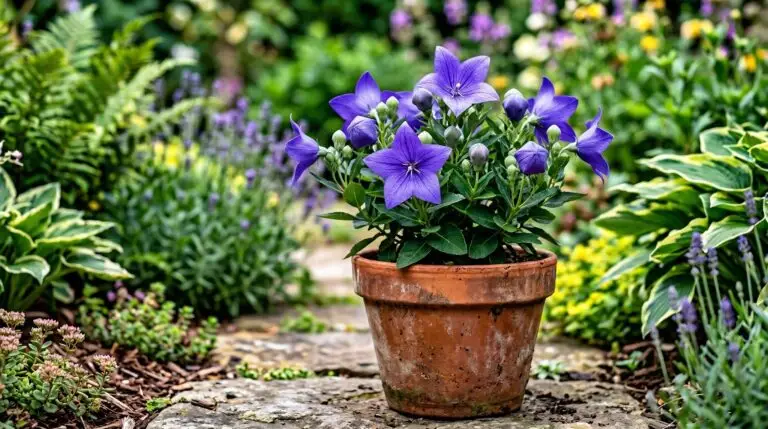
Growing balloon flowers in containers for a whimsical patio garden display
How to deadhead balloon flowers to keep them blooming through late summer
Why balloon flowers are late to emerge in spring and how to avoid digging them up