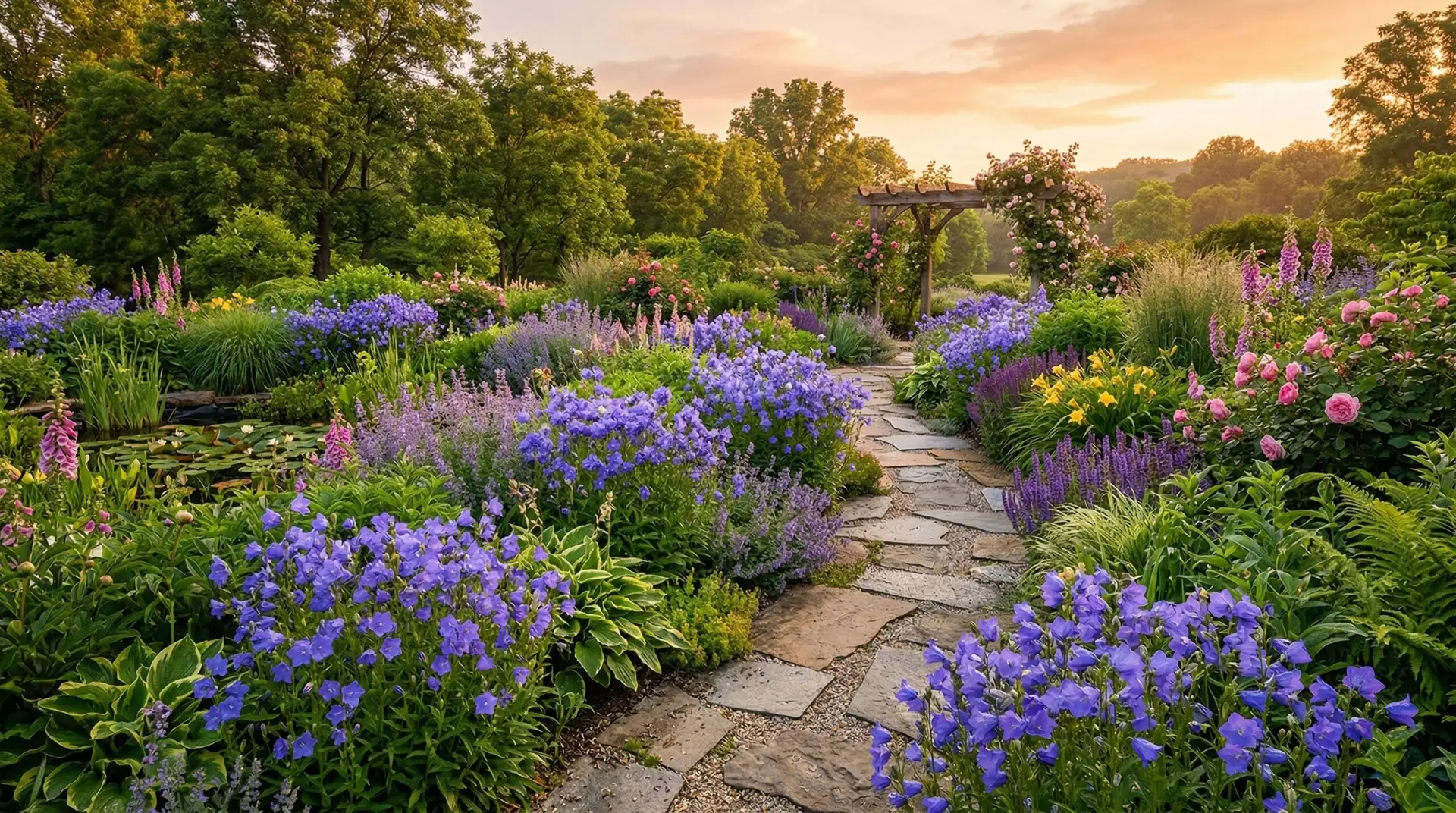
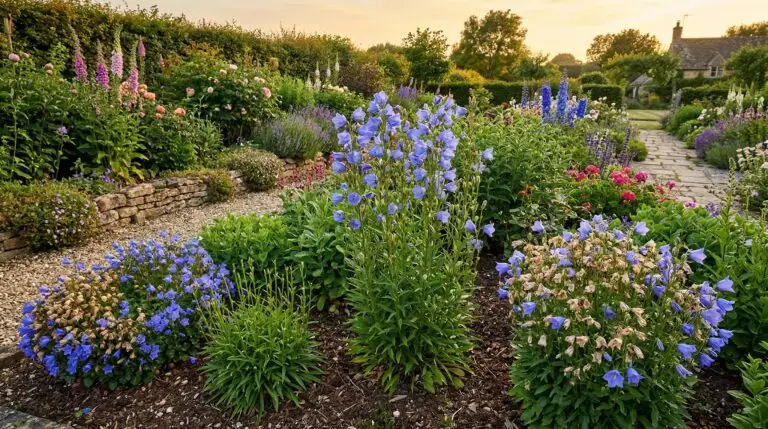
I wish you could stand beside me at the edge of the south border just as the evening light begins to fade. The sun drops behind the old oak tree, casting long shadows across the grass and turning the entire garden into a wash of cool, quiet colors. This is the hour when the warm reds and oranges of the day recede, allowing the blues and purples to glow with an almost luminescent quality. The air feels heavy and still, carrying the sharp, piney scent of crushed foliage mixed with the sweet dustiness of dry earth. I have planted a long drift of bellflower right next to the lavender, creating a sea of soft violet and deep indigo that ripples whenever a slight breeze moves through the yard. The new growth on the bellflowers emerges a pale, acidic green that slowly darkens to a deep, matte emerald as the summer progresses. The contrast between the delicate, nodding bells and the stiff, upright wands of the herbs makes me think of an old watercolor painting brought to life. Standing here, you can feel the heat radiating up from the paving stones, carrying the heavy perfume of the flowers straight to you.
You would love the way these specific plants look together in the early morning fog. Before the sun burns through the haze, the bellflower blossoms catch tiny droplets of dew on their papery, translucent petals, making them look like scattered glass beads. Beside them, the lavender foliage appears frosted, its silvery-green leaves covered in a fine down that feels like velvet when you rub it between your fingers. Designing a purple flower garden relies heavily on these subtle shifts in texture and tone, rather than just matching colors perfectly. The bellflowers offer a clear, watery blue-purple that feels light and airy, contrasting sharply with the saturated, almost inky violet of the lavender buds. When you brush past them on the narrow stone path, the friction releases a cloud of camphor and sweet floral notes that lingers in the damp morning air. When a heavy summer rain passes through, the bellflowers bow under the weight of the water, their stems bending down to touch the wet earth. The storm washes the dust from the lavender leaves, leaving them smelling sharper and cleaner than ever.
Contents 3 sections
Designing with cool colors and shifting light
The secret to a successful blue garden design lies in watching how the light travels across the yard from dawn until dusk. At high noon, the harsh overhead sun washes out the delicate blues, making the bellflowers look almost white and turning the lavender into a dusty gray. As the afternoon wanes and the light shifts to a golden slant, the true depths of the colors emerge from the shadows. I spent weeks moving potted plants around the dirt before settling on this specific arrangement of bellflower companion plants to catch the late afternoon rays. The deep amethyst tones of the nearby blue salvia spikes act as a dark backdrop, pushing the lighter, silvery purples forward into the light. You can see the exact moment the sun hits the salvia, igniting the tiny, velvety hairs on the stems and making the entire plant look as though it is glowing from within. The color of the salvia is a saturated magenta that photographs almost purple, adding a heavy visual anchor to the floating bells in front of it.
Creating depth in a border requires thinking about the physical shape of the plants just as much as their color. The bellflowers form low, spreading mats of bright, apple-green foliage that feels smooth and slightly rubbery to the touch. Above these leafy mounds, thin, wiry stems shoot upward, carrying dozens of star-shaped or bell-like flowers that nod heavily toward the ground. To keep the eye moving upward, the stiff, woody stems of the lavender stand right behind them, offering a completely different architectural shape. Further back, the loose, sprawling stems of catmint spill over the edges of the bed, creating a soft, hazy cloud of periwinkle blue. The rough, crinkled leaves of the mint family plants provide a coarse background that makes the smooth, delicate bells of the bellflower appear even more fragile and refined. Eventually, the flowers drop away to leave behind small, ribbed seed capsules that feel rough and dry to the touch. Mixing these distinct forms keeps the eye moving across the garden bed, finding new details at every height.
Planting in the warmth of the sun
Getting these plants to thrive together takes a bit of careful soil preparation, as they have slightly different needs but must share the same earth. You will know the soil is right for the lavender when it feels loose and gritty in your palm, slipping easily through your fingers without clumping together. Bellflowers appreciate a bit more moisture, so I work a few handfuls of dark, crumbly compost into the planting holes just for them, creating small pockets of rich earth within the sandy bed. The scent that rises from the warm soil after a rainstorm is intoxicating, a mix of wet dust, crushed pine needles, and the sharp bite of ozone. I water the bellflowers directly at their base, keeping the rough, silvery leaves of the lavender dry to prevent the foliage from turning black and rotting in the summer heat. You can feel the difference in the microclimates just by resting your hand on the soil surface, finding cool dampness under the bells and dry heat near the herbs. The roots of the different plants weave together beneath the surface, finding their own perfect balance of moisture and drainage in the shared border. Careful observation of the soil texture saves you from constantly guessing what the plants need.
The progression of blooms creates a slow, rolling wave of color that lasts from the first warm days of early summer straight through to the crisp edges of autumn. The bellflowers open first, revealing pale, icy blue stars with tiny white centers that attract the smallest, quietest solitary bees. Just as the first flush of bells begins to dry and turn the color of old parchment, the lavender buds swell and burst open, releasing their heavy, intoxicating perfume into the afternoon heat. I love to sit on the wooden bench nearby and watch the heavy bumblebees pull down the purple stalks, their buzzing creating a low, constant hum that vibrates through the garden. When the lavender begins to fade to a muted, dusty gray, the late-blooming salvia takes over, pushing up fresh spikes of deep indigo that carry the garden into the cooler months. As the season ends, the foliage on the bellflowers takes on a reddish-bronze tint, adding a final layer of warmth to the cool planting scheme. Even in the dead of winter, the stiff, dried skeletons of the flower stalks catch the frost, holding the memory of summer in their brittle, gray shapes.
The lingering scent of the evening garden
As the final light leaves the yard, the colors drain away entirely, leaving only the shapes and the smells of the plants to guide you down the path. The blues and purples are the last colors to disappear into the gray twilight, holding onto the light much longer than the white or yellow flowers in the other beds. The nighttime air cools the soil, drawing out the sharp, medicinal scent of the lavender and the spicy, minty tang of the catmint leaves. If you run your hand gently over the tops of the sleeping bellflowers, the closed petals feel cool and smooth, like thin silk resting against your palm. The garden becomes a place of pure sensory memory, built on the rough textures of stems, the damp smell of the earth, and the soft rustle of dry seed pods in the dark. The crickets start their rhythmic chirping from deep within the dense foliage of the salvia, adding a soundtrack to the heavy, perfumed air. I will save some of the tiny, smooth black seeds from the bellflowers in a small paper envelope to send to you, hoping you can start your own patch of blue and purple light next spring.
More About Bellflower
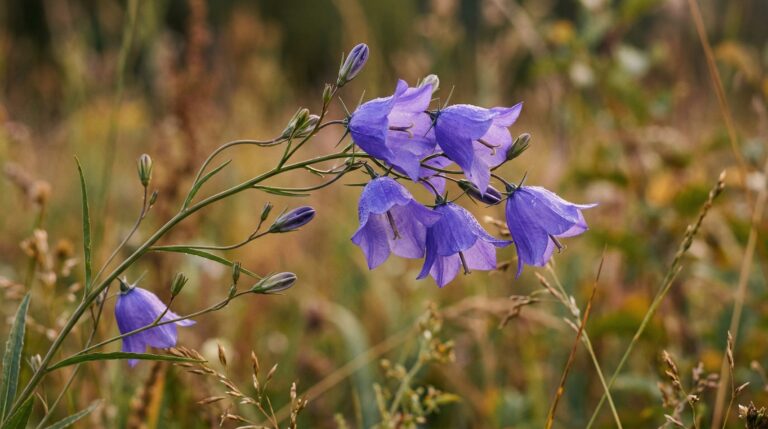
Bellflower meaning across European folklore and its place in wedding traditions
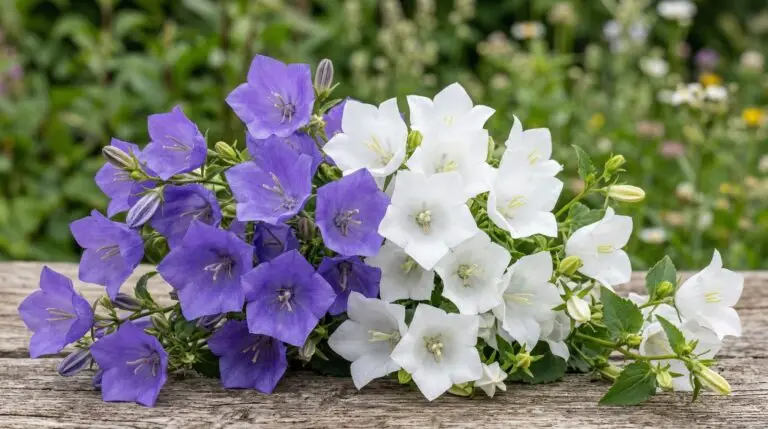
Carpathian bellflower as the perfect low-growing perennial for rock gardens
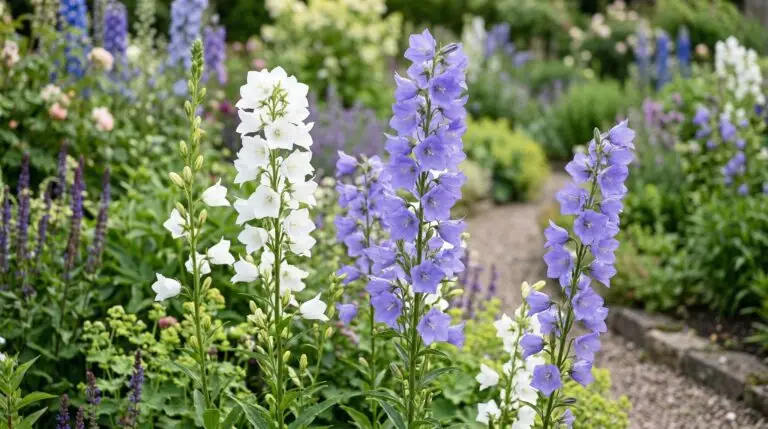
Using bellflowers as cut flowers for charming cottage-style arrangements
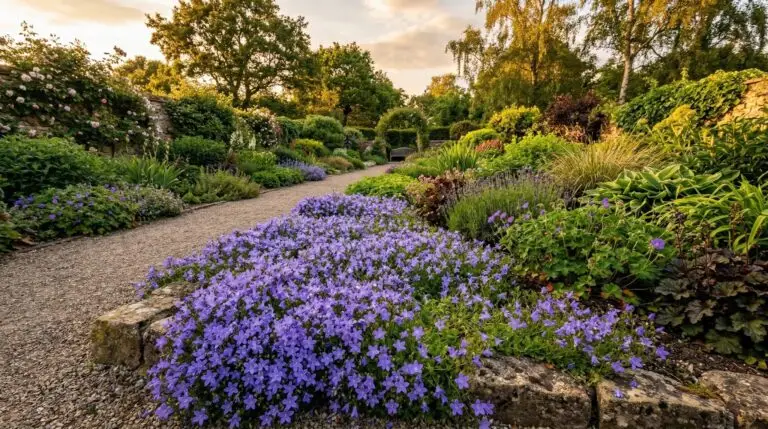
Bellflower ground covers that spread beautifully between stepping stones and rock walls
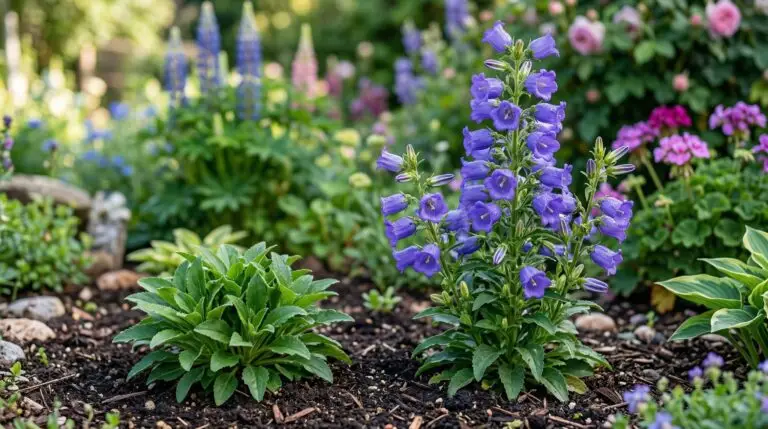
How to grow Canterbury bells from seed for old-fashioned garden charm
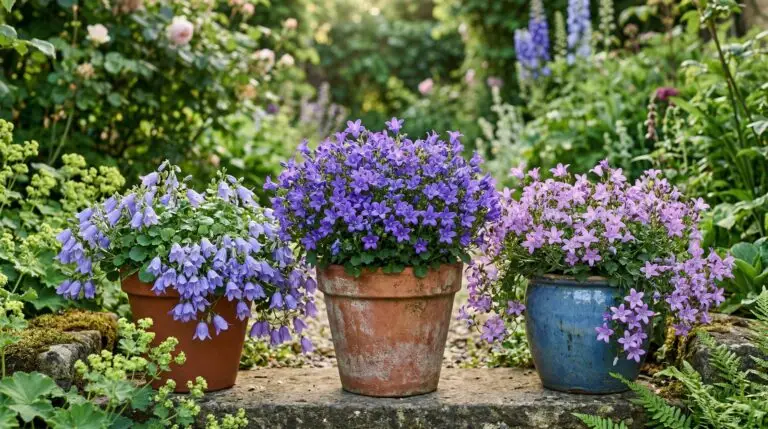
Growing bellflowers in containers for balconies and small urban gardens
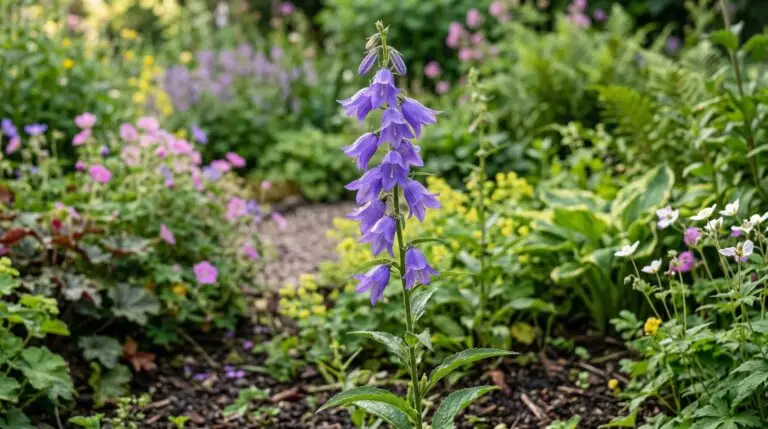
How to control invasive bellflower that has taken over your garden beds
How to deadhead and maintain bellflowers for continuous blooming all summer
Enjoying our flower guides? Add YourFlowersGuide as a preferred source on Google. It helps more readers find us.
Add to Preferred Sources