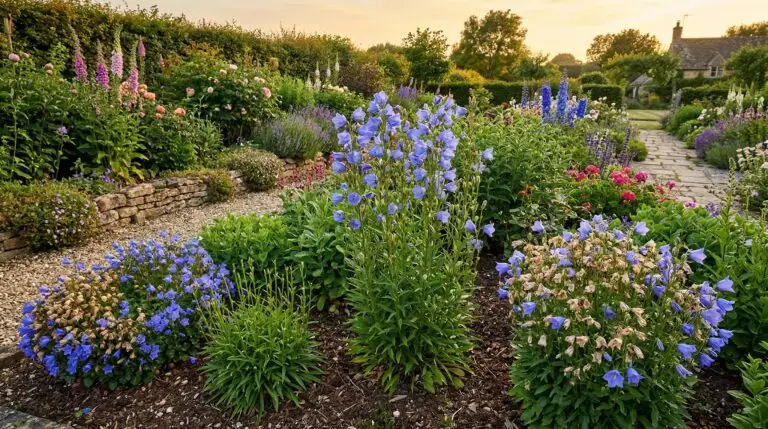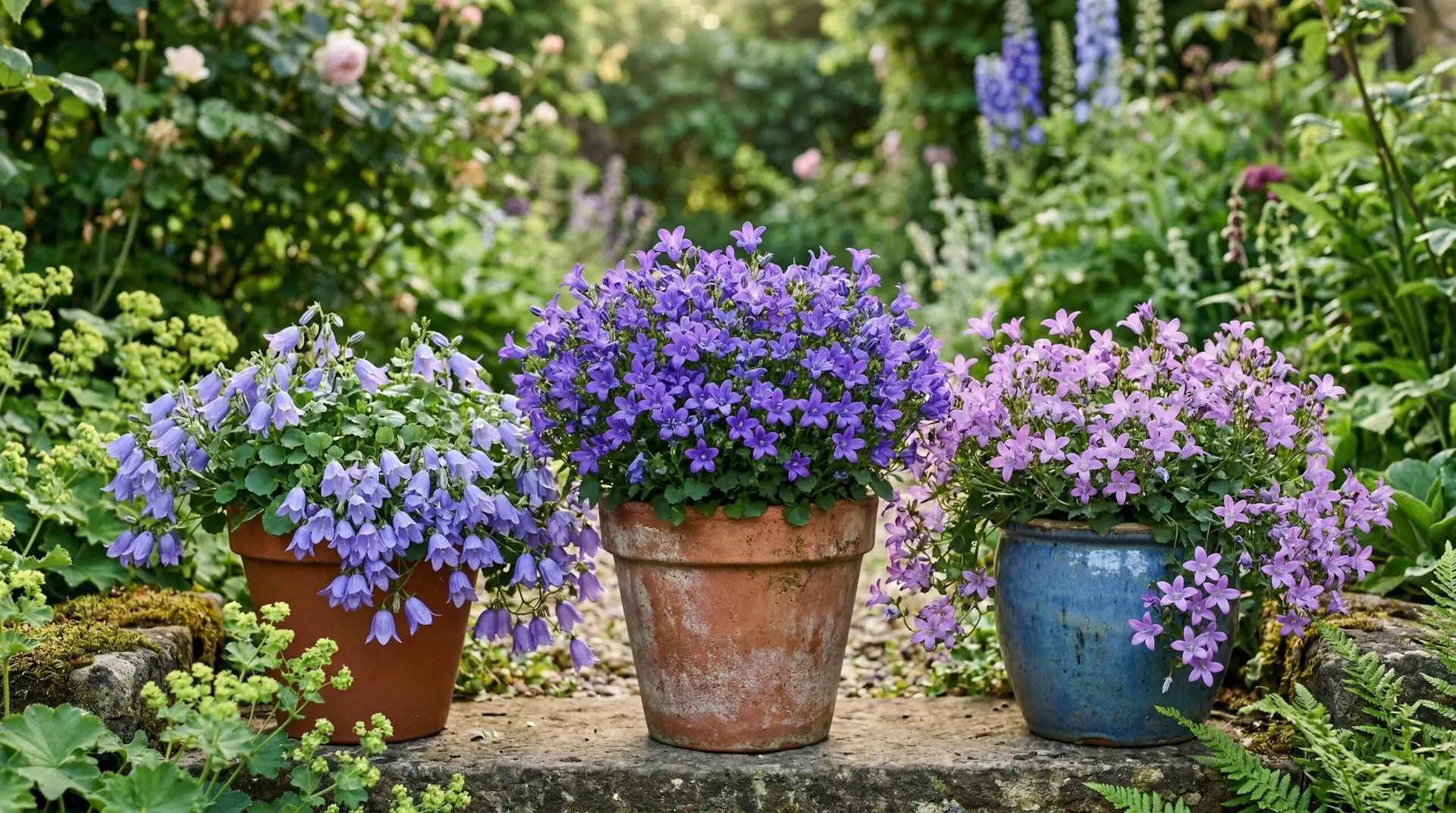
Every gardener eventually runs out of ground space and starts eyeing the empty corners of the patio, the balcony railing, or the front steps. When the urge to plant takes over, filling terracotta pots and window boxes becomes the only logical next step. Growing bellflowers in pots is a reliable way to bring color up to eye level without fighting the poor soil that plagues so many urban backyards. These plants, known botanically as campanula, adapt remarkably well to the confines of a container. They are not entirely indestructible, but they forgive a missed watering far better than many fussy patio plants. After trying dozens of different flowers in small urban spaces, the trailing and mounding habits of the bellflower consistently prove their worth. They spill over the edges of hanging baskets and fill out the base of larger pots with a dense mat of green leaves and star-shaped blooms.
Selecting the best bellflower varieties for containers
Picking the right plant at the garden center saves a lot of frustration later in the summer. For hanging baskets or tall planters where the foliage needs to drape downward, the trailing bellflower varieties are the clear winners. Look for the Italian bellflower, which produces long stems that cascade gracefully over the rim of a pot. If the goal is a tidy, rounded dome of flowers sitting on a patio table, the Carpathian bellflower is the better choice. It stays compact, rarely growing taller than a foot, and forms a neat mound that looks good even when it is not blooming. Gardeners in the South may find that the Dalmatian bellflower handles the early summer heat slightly better than the others, provided it gets some afternoon shade. Read the plant tags carefully, because putting a tall, upright border bellflower into a small balcony pot usually results in a top-heavy mess that blows over in the first strong breeze.
Mixing the right soil for healthy roots
Container gardening is entirely different from planting in the ground because the roots are trapped in a small plastic or clay prison. They rely entirely on whatever dirt is scooped into that pot. There is no need to buy the most expensive professional potting mix on the shelf, but grabbing dirt straight from the garden beds will turn into a heavy, concrete-like block after a few waterings. A standard, affordable bag of potting soil works perfectly if it is lightened up with a few handfuls of perlite to improve drainage. Bellflowers absolutely hate sitting in soggy soil, and their roots will rot quickly if the pot turns into a swamp. Check the bottom of the container before planting and drill extra holes if the factory only provided one tiny drainage slit. Elevating the pots on small stones or brick pieces keeps the water flowing freely out the bottom, especially on flat concrete balconies where water tends to pool.
Watering routines and summer heat management
Watering pots is a daily chore in the middle of summer, and there is no getting around that reality. A campanula container sitting on a sunny, wind-swept balcony will dry out much faster than a plant sitting in the ground. The best tool for checking soil moisture is a bare finger pushed an inch into the dirt. If it feels dry, the plant needs a deep soaking until water runs out the bottom holes. If it feels damp, walk away and check again tomorrow. In northern zones, watering every two or three days might be enough during the spring, but southern gardeners will likely be out there with the watering can every single morning by July. A weak dose of liquid fertilizer every few weeks keeps the leaves green and the flower buds forming. They do not need heavy feeding, and too much nitrogen will result in a massive tangle of leaves with very few actual flowers to show for the effort.
Keeping balcony flowers blooming through the season
Keeping any potted plant looking fresh from May until September requires a bit of maintenance with a pair of sharp scissors. As the first flush of bellflower blooms begins to fade and turn brown, snipping off the spent flowers encourages the plant to produce another round of buds. This process takes a little time, but it prevents the plant from wasting energy on making seeds. Midsummer heat often makes the foliage look tired and scraggy, no matter how carefully the pot is watered. When this happens, grabbing the scissors and cutting the entire plant back by about a third is the most effective solution. The bellflower will look completely ruined and bare for about two weeks after a hard haircut. Give it time, keep watering it, and fresh green growth will soon push through the center of the pot. Mixing them in a large container with a petunia or a trailing verbena provides continuous color while the bellflower takes a short rest and regrows its foliage.
Managing pests and overwintering potted bellflowers
Growing plants on a balcony or patio does not magically protect them from the insects that wander through the rest of the yard. Slugs and snails have a particular fondness for bellflower leaves and will happily scale the side of a terracotta pot overnight to chew large holes in the foliage. Keeping the area around the base of the pots clean and free of dead leaves removes the damp hiding spots these pests prefer. If damage appears, checking under the rims of the pots early in the morning usually reveals the culprits, which can simply be picked off and tossed away. Aphids occasionally cluster on the tender new flower stems during damp spring weather. A strong blast of water from the garden hose is usually enough to knock them off without resorting to expensive chemical sprays. Regular observation is the best defense, as catching a few bugs early is far easier than fighting a massive infestation later in the summer.
When autumn arrives and the temperatures begin to drop, balcony gardeners have to decide what to do with their potted perennials. Many bellflower varieties are incredibly cold hardy, but surviving winter in a pot is much harder than surviving in the ground. The roots do not have the deep earth to insulate them from freezing air temperatures. Gardeners in mild winter zones can usually leave the pots exactly where they are, perhaps pushing them up against the brick wall of the house for a little radiant warmth. In northern zones where deep freezes are common, the pots need extra protection so the clay does not crack and the roots do not freeze solid. Moving the containers into an unattached, unheated garage provides the perfect dormant environment. They will look completely dead all winter long, but tossing a handful of snow or a cup of water onto the soil once a month keeps the roots from drying out entirely before spring returns.
More About Bellflower
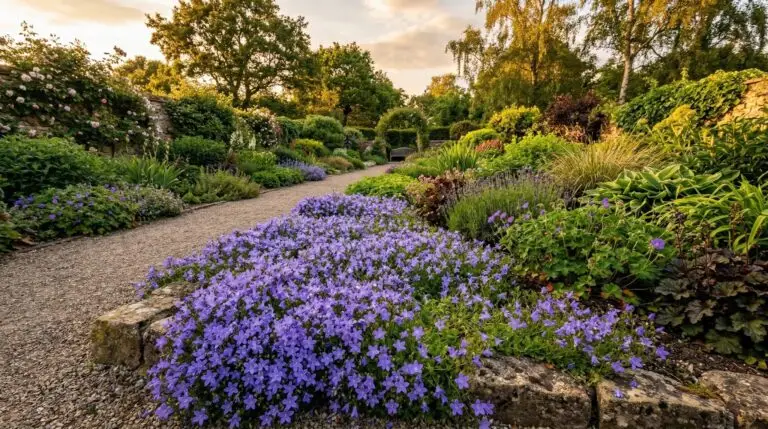
Bellflower ground covers that spread beautifully between stepping stones and rock walls
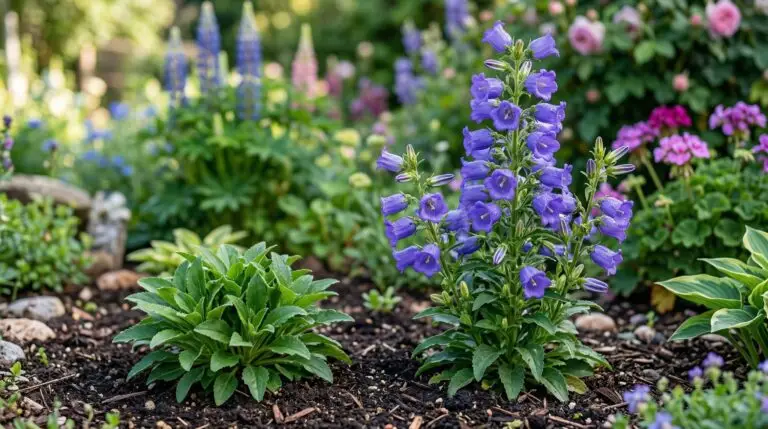
How to grow Canterbury bells from seed for old-fashioned garden charm
How to control invasive bellflower that has taken over your garden beds