Carpathian Bellflower

Carpathian Bellflower

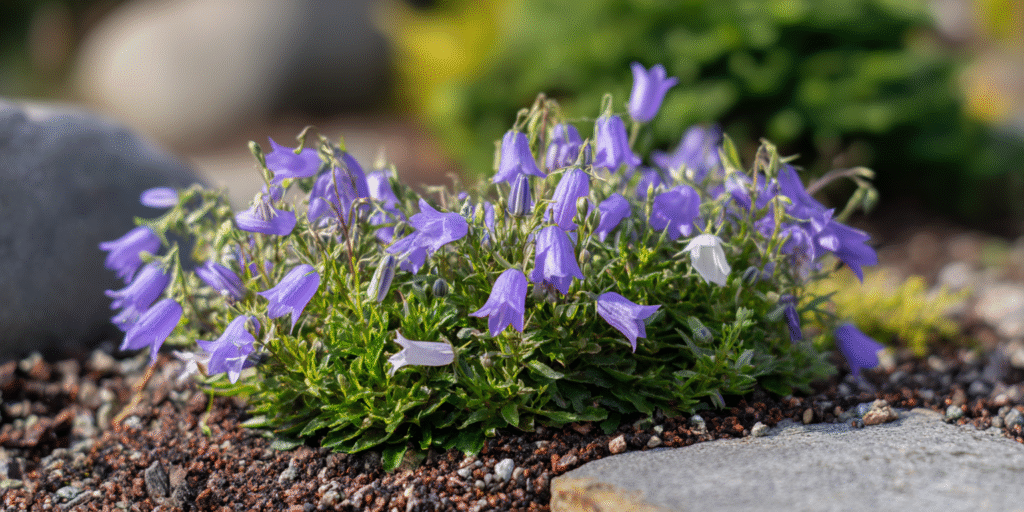
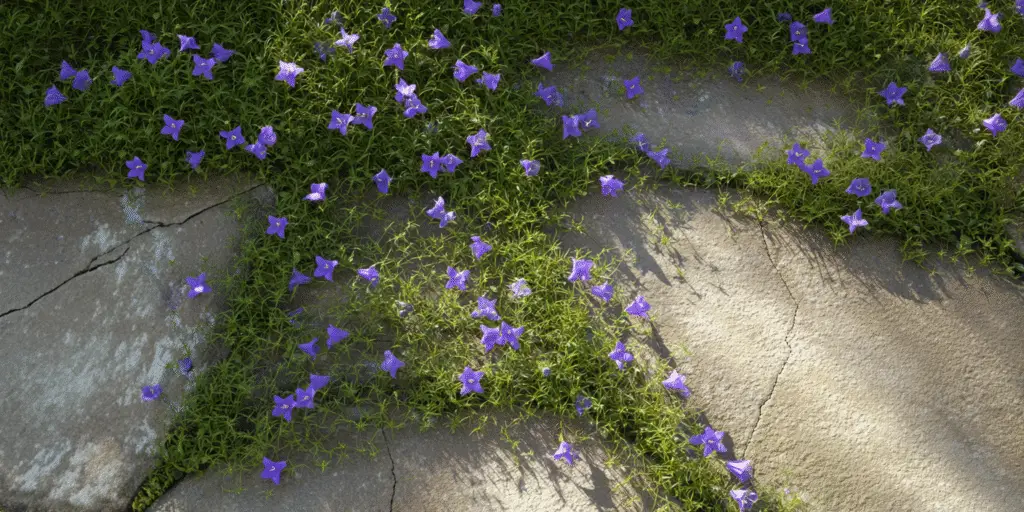
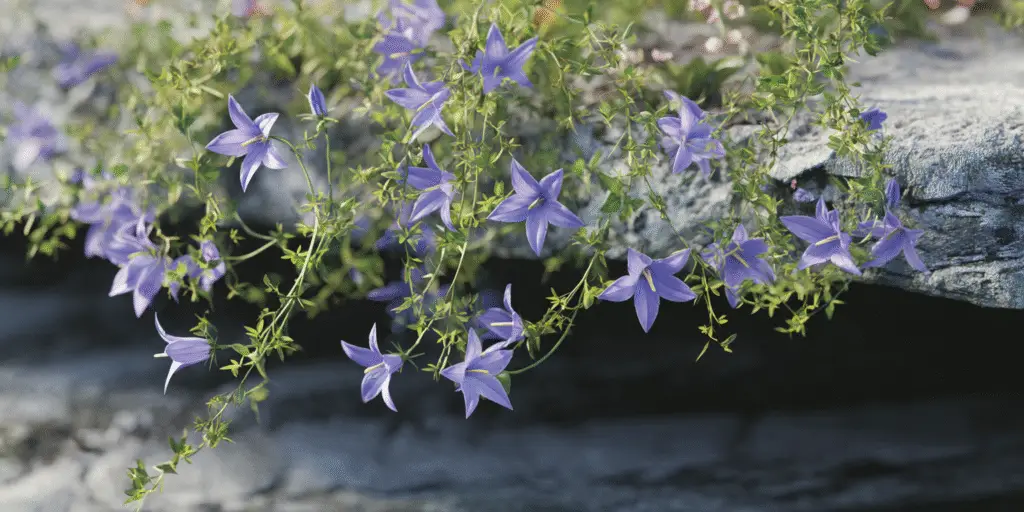
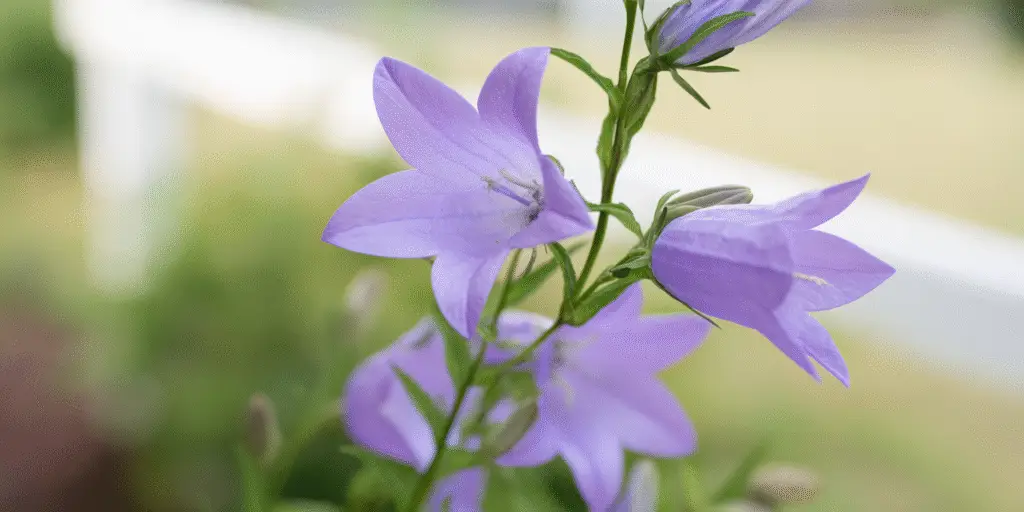
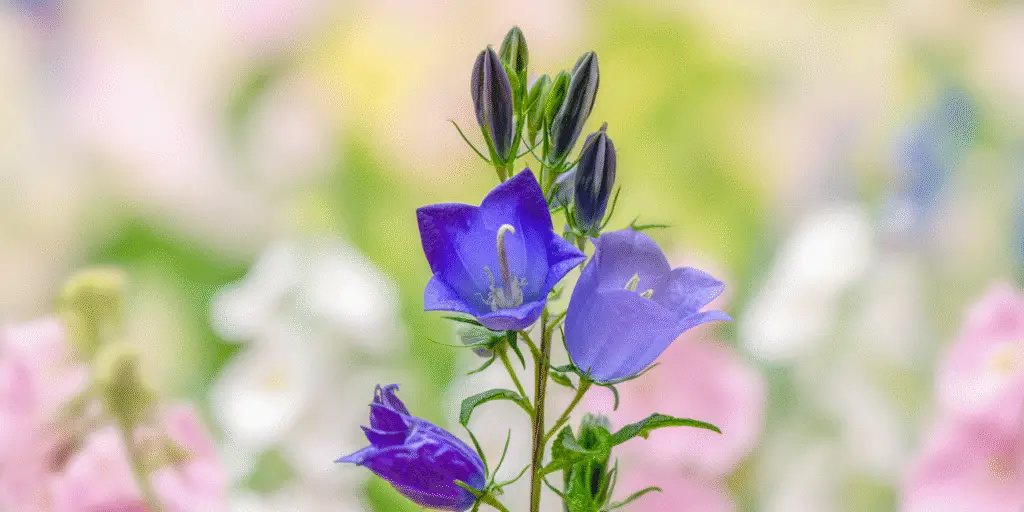
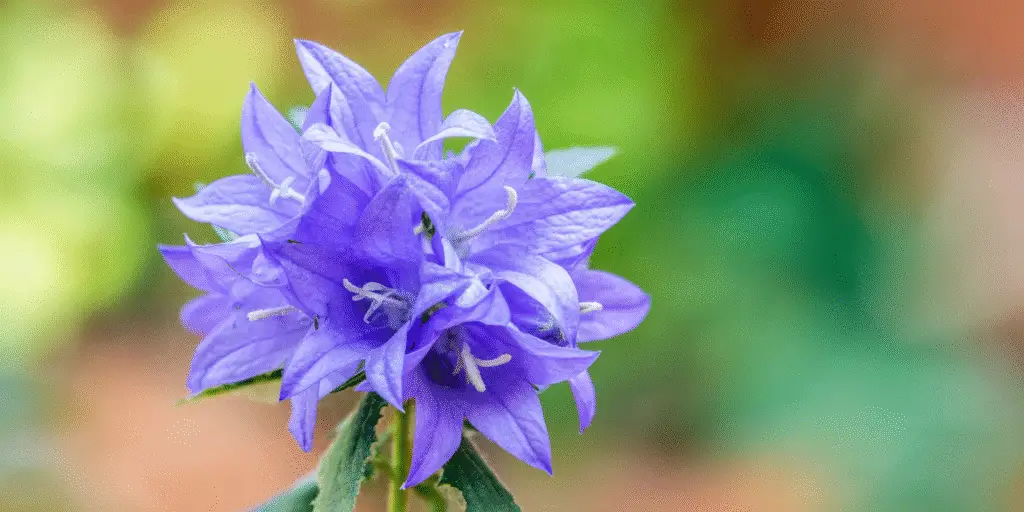
Carpathian bellflower (Campanula carpatica) is a compact, tufted bellflower for rock gardens and edging. Plants form neat mounds and carry upward-facing blue or white cups in early summer. Bloom can continue with steady deadheading. It is best where summers are cool and soils drain well. In hot regions it appreciates afternoon shade and even moisture. It suits small spaces and thrives in raised beds, wall crevices, and containers. Fragrance is typically absent.

At‑a‑glance

  • Group/Class: Perennial species; tufted, clump-forming
  • Height × spread: 6-12 in × 12-24 in (15-30 cm × 30-60 cm)
  • Bloom window: June to August
  • Color & flower form: Blue to white; open, upward-facing cups; single
  • Fragrance: 0 none
  • USDA hardiness: zones 3-8
  • Breeder / Year / Origin: unknown
  • Pet safety: safe

How it differs

  • Lower and tighter habit than most bellflowers
  • Upward-facing flowers rather than nodding bells
  • Long bloom with deadheading compared with many species
  • Prefers cool summers; less tolerant of heat than taller border types

Strengths

  • Compact habit for edges and rock work
  • Reliable in well-drained soils
  • Good performance in raised beds and wall pockets
  • Reblooms with prompt deadheading

Care in one minute

  • Site in full sun to light shade; give afternoon shade in hot-summer areas
  • Soil: average to moderately fertile, well drained; neutral to slightly alkaline
  • Water: steady moisture in summer; do not allow waterlogging
  • Feeding: light spring feed only if soil is poor
  • Groom: deadhead to extend bloom; divide clumps every 3 to 4 years

Watch‑outs

  • Declines in heat and humidity
  • Needs sharp drainage; winter wet can cause crown rot
  • Short stems limit use as cut flower

Best uses (tags)

borders, rock gardens, containers, pollinators, front-of-border

Provenance note

Native to the Carpathian Mountains of central Europe; long cultivated in rock gardens.

References


Written by: Your Flowers Guide editorial team
We are a small independent group of flower lovers who research and review each guide using trusted horticultural and educational sources. Learn more about us