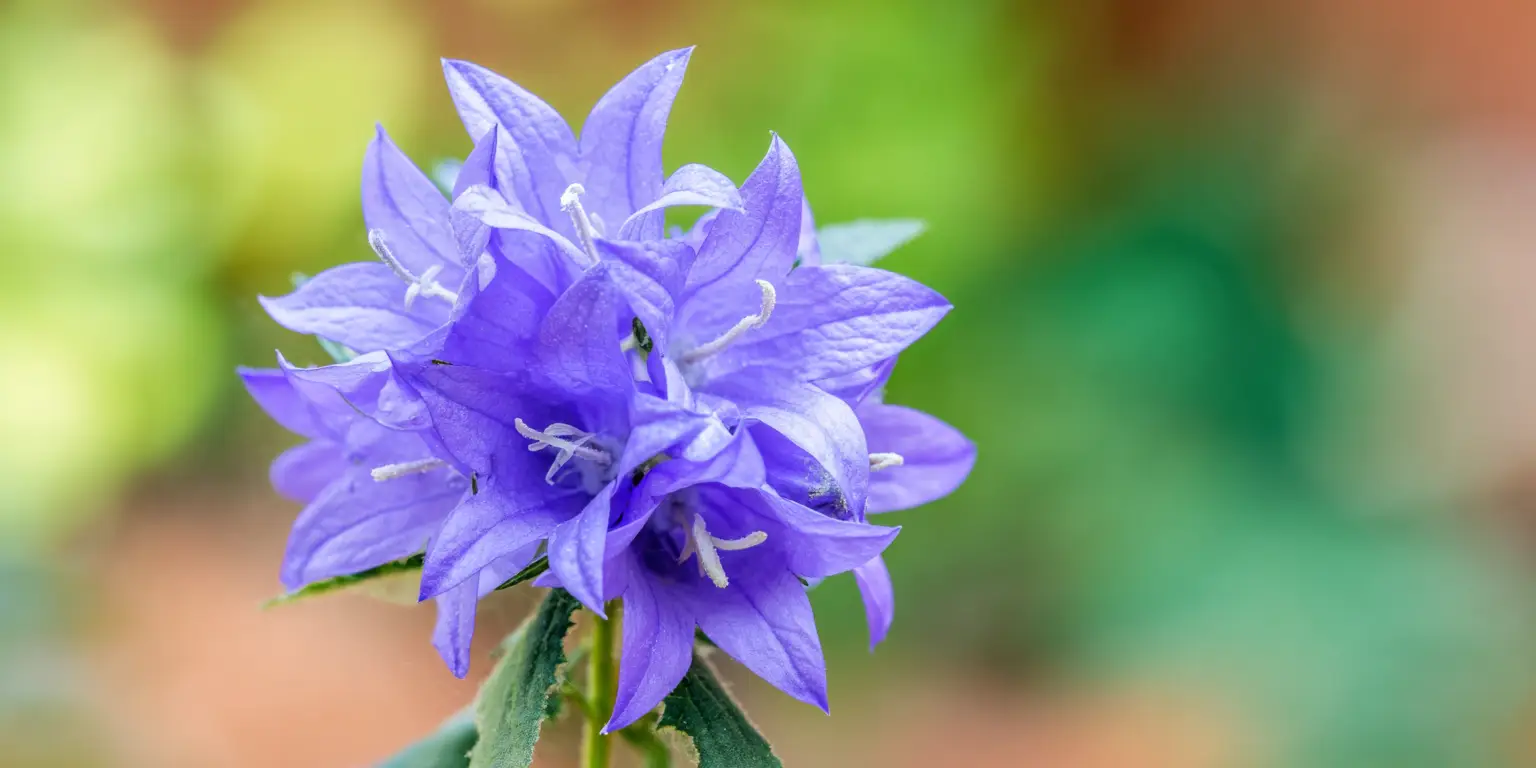
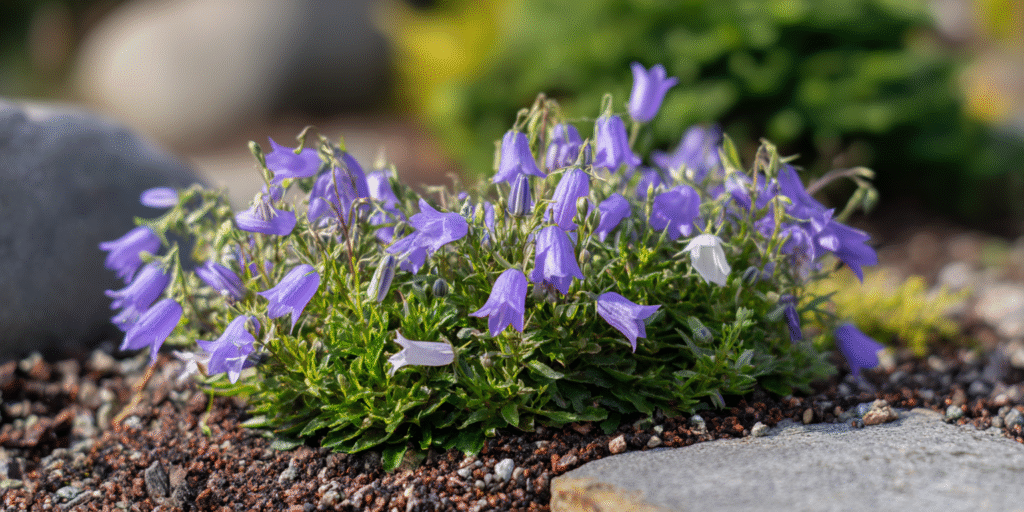
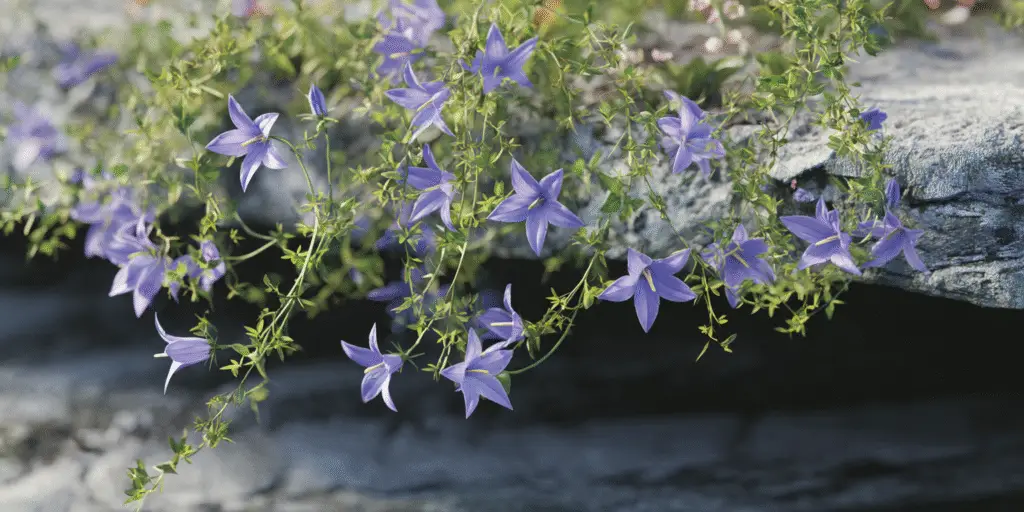
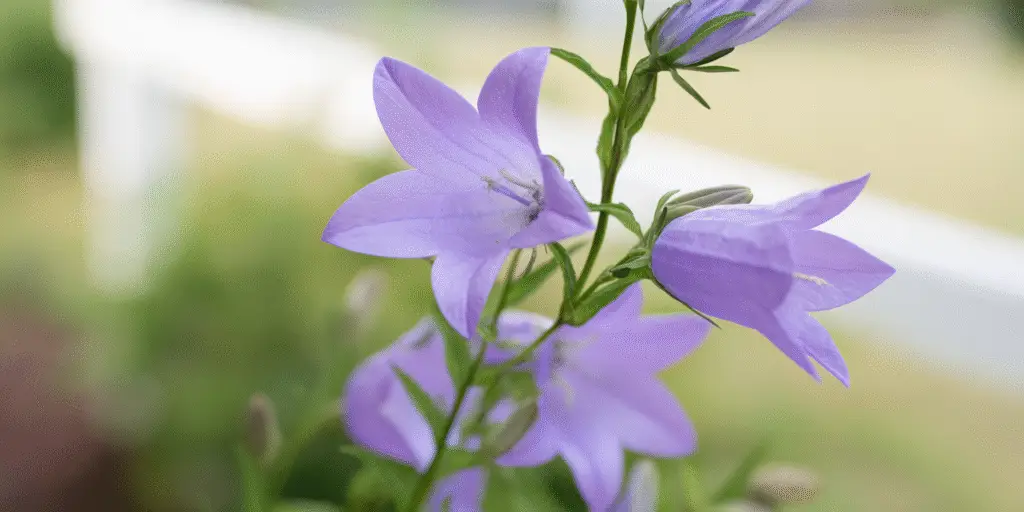
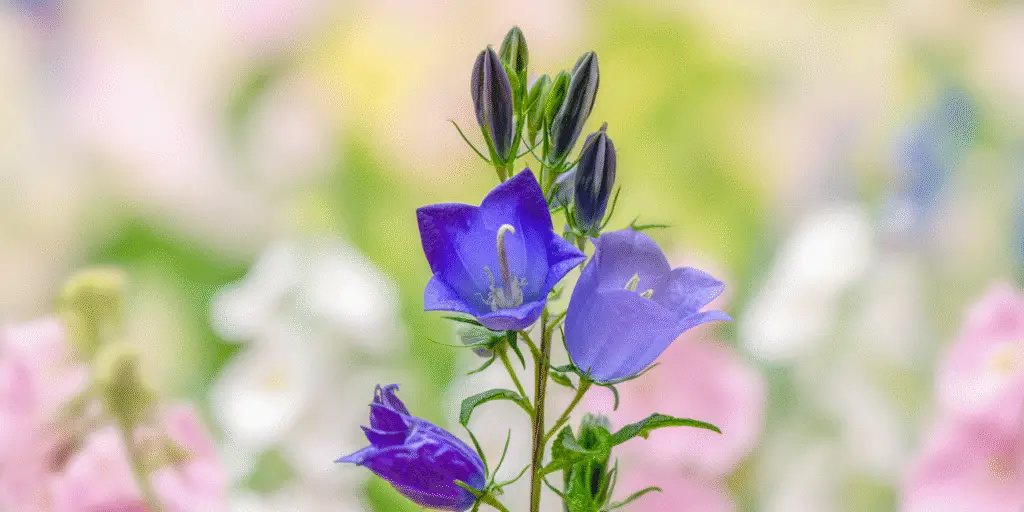
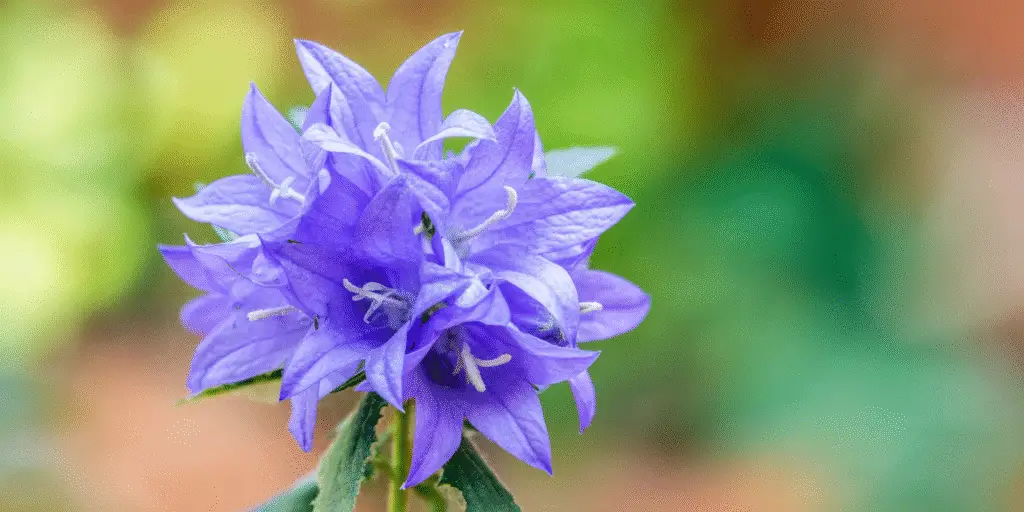
Clustered bellflower (Campanula glomerata) is an upright border bellflower with dense heads of violet‑blue bells. Flower clusters top 12 to 18 inch stems in late spring to early summer. Plants form clumps and may spread by short rhizomes. It is hardy and adaptable in sun to light shade with regular moisture. Stems make good cuts when half the cluster is open. Fragrance is minimal.
At‑a‑glance
Group/Class: Perennial species; clump‑forming
Height × spread: 12-18 in × 6-12 in (30-45 cm × 15-30 cm)
Bloom window: May to July
Color & flower form: Violet to lavender‑blue; dense terminal clusters; single
Fragrance: 0 none
USDA hardiness: zones 3-8
Breeder / Year / Origin: unknown
Cut‑flower notes: Good cut per botanic‑garden notes; typical vase life unknown
Pet safety: safe
How it differs
Densely clustered heads rather than solitary bells
More upright and robust than many low, creeping species
Cold‑hardy and dependable in northern gardens
Can spread by rhizomes more than many clumpers
Strengths
Showy early‑summer display
Good for cutting and pollinators
Deer browsing is uncommon
Hardy across cold climates
Care in one minute
Light: full sun in cool climates; light afternoon shade where summers are hot
Written by: Your Flowers Guide editorial team We are a small independent group of flower lovers who research and review each guide using trusted horticultural and educational sources. Learn more about us