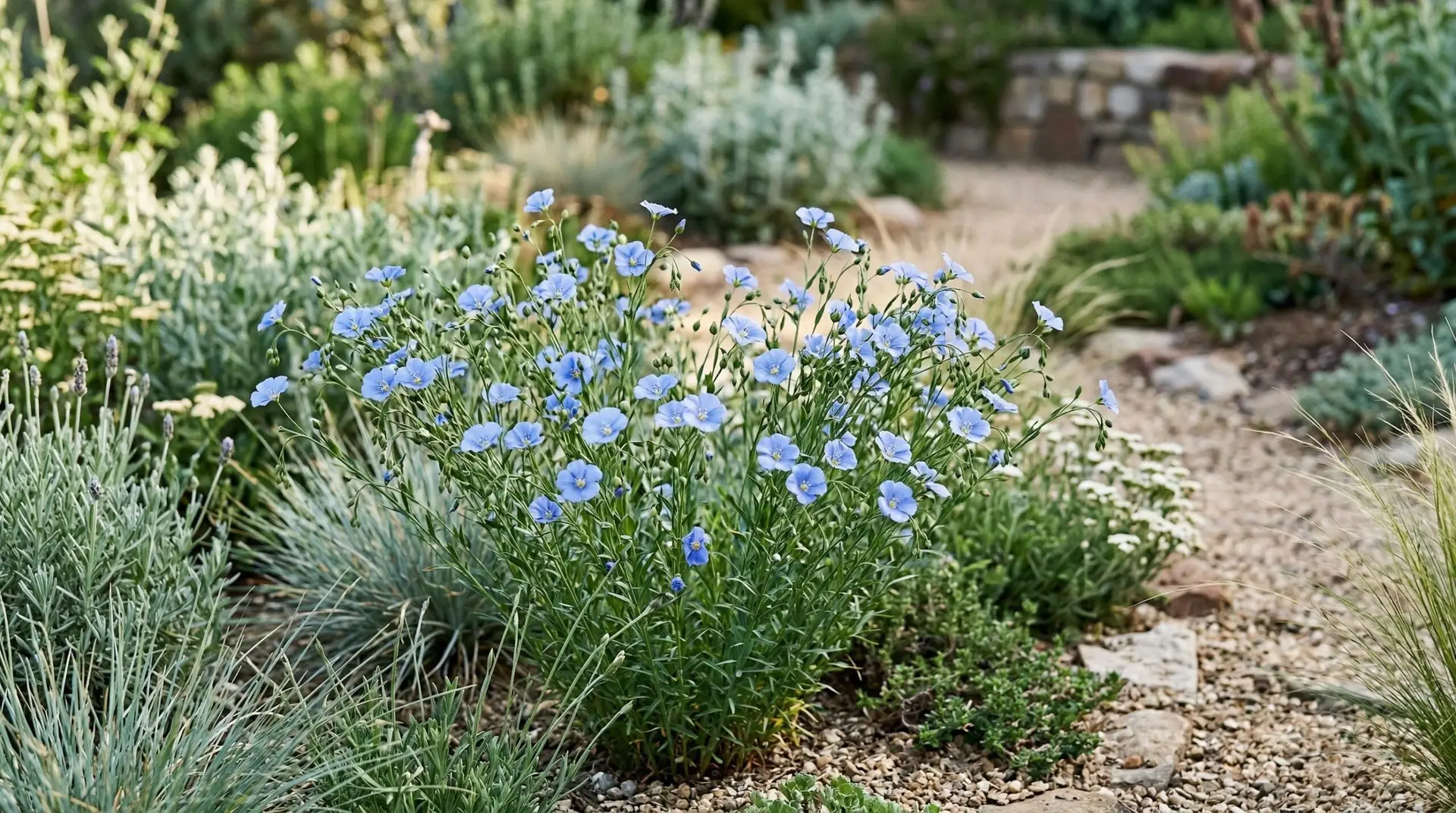
Growing conditions vary enormously across the country, making an understanding of your local context the absolute foundation of success with any plant. What flourishes in the dry, rocky soils of Colorado will often rot in the heavy clay and high humidity of Georgia. Blue flax is a classic example of a species that demands a careful look at your regional climate before planting. This short-lived perennial thrives on neglect in its native western range, opening its delicate sky-blue petals every morning. Gardeners looking for xeriscape blue flowers must evaluate their average annual rainfall and soil drainage to determine how this plant will perform in their specific beds. Recognizing the environmental pressures of your specific zone dictates whether blue flax will become a reliable self-seeding resident or a frustrating failure.
Contents 4 sections
Adapting to the dry Mountain West and High plains
In the arid climates of the Mountain West and High Plains, blue flax faces an environment closely matching its evolutionary origins. Gardeners in Zones 3 through 8 across Nevada, Utah, Wyoming, and Colorado deal with intense sun, strong winds, and minimal summer precipitation. Blue flax drought tolerant characteristics make it perfectly suited for these exact conditions, where it develops a deep taproot to seek out scarce moisture. The alkaline soils common across the Southwest actually benefit this plant, as it prefers a pH between 7.0 and 8.0. You never need to amend the soil with rich compost or fertilizer in these regions, because lean soils keep the stems sturdy and upright. Overwatering in these dry zones is the most common mistake, as the plant expects long periods of drought between rare summer thunderstorms.
Sandy soil tolerance is a distinct advantage for gardeners working with the decomposed granite or sandy loams typical of western foothills. Blue flax establishes quickly in these fast-draining mediums, sending roots deep down past the dry surface layer. When designing low water garden plants in these regions, grouping species by their exact water and soil needs prevents localized overwatering. You can create a highly successful dry border by planting blue flax alongside yarrow, as both tolerate poor soil and require excellent drainage to survive the winter. The seeds of blue flax will naturally scatter and germinate in the gravelly gaps between other drought-resistant perennials, creating a wild, naturalized look that requires zero supplemental irrigation once established.
Managing humidity and heavy rainfall in the East and South
In the humid Southeast, this plant faces challenges that gardeners in the dry Mountain West never encounter. Zones 7 through 9 in states like Alabama, Georgia, and Florida receive frequent, heavy summer downpours combined with thick atmospheric moisture. Blue flax is highly susceptible to crown rot and fungal diseases when the air and soil remain constantly wet. The heavy clay soils prevalent across much of the Southeast and Midwest compound this problem by trapping water right at the root collar. Gardeners in these high-rainfall zones must actively modify their planting sites to keep the plant dry enough to survive the summer. Planting blue flax on a natural slope or a constructed berm helps shed excess water away from the plant during heavy storms.
To succeed with blue flax in wet climates, you have to engineer the drainage that western gardeners get naturally. Building raised beds is the most effective way to elevate the root system above waterlogged native clay. When preparing a bed in high-rainfall areas, mix coarse builder’s sand or expanded shale into the top twelve inches of soil to increase porosity. Avoid using wood chips or shredded bark mulches, because these materials hold moisture against the stems and encourage rot. Instead, use a two-inch layer of crushed gravel or pea stone around the base of the plant to keep the crown dry. By controlling the microclimate at the soil surface, eastern gardeners can enjoy the same morning blooms as their western counterparts.
Coastal climates and Mediterranean zones
The Pacific Northwest and coastal California present a completely different set of seasonal moisture patterns for blue flax. In Zones 7 and 8 of Oregon and Washington, the challenge is surviving the persistent winter rains rather than summer humidity. Blue flax goes dormant in winter, and sitting in cold, wet soil from November to March often kills the taproot. Planting in sharp, rocky scree or highly modified sandy beds is mandatory to get the plant through a Pacific Northwest winter. Conversely, the Mediterranean climates of California experience wet winters but completely dry, hot summers. Blue flax adapts well to this cycle, using the winter moisture to fuel rapid spring growth and early summer blooms before setting seed and resting during the hottest, driest months.
Gardeners in these coastal and Mediterranean zones can build beautiful, water-wise landscapes by carefully selecting companions that share the same seasonal rhythms. Because blue flax finishes its primary bloom cycle by mid-summer in hot climates, it needs later-blooming partners to carry the visual interest. Planting blue flax near lavender creates a classic pairing, as both demand excellent winter drainage and thrive in full sun. You can also mix it with Russian sage, which handles the dry summer months effortlessly and provides late-season color after the flax has gone to seed. Grouping these specific plants together ensures that you can withhold summer water entirely without harming the surrounding landscape.
Utilizing microclimates for optimal performance
Beyond broad regional zones, your specific yard contains microclimates that drastically alter how blue flax grows. A south-facing brick wall absorbs winter sun and creates a warm, dry pocket that can push a Zone 4 garden to act like a Zone 5 garden. Planting blue flax at the base of such a wall extends its growing season and helps bake the soil dry after a heavy rain. Wind exposure is another critical site condition, especially on the open plains where constant gusts strip moisture from the leaves. While blue flax handles wind better than many tall perennials, placing it behind a low windbreak of sturdier shrubs protects the delicate, ephemeral petals so they stay on the plant longer each morning. Paying attention to these small variations in your own yard allows you to place the plant where its specific environmental preferences are met.
Successful gardening relies entirely on matching a plant to the physical realities of your specific site. Treating blue flax like a standard garden perennial with regular water and rich soil will only lead to a short, disappointing lifespan. When you look closely at where a plant originates, you understand exactly what it needs to thrive in cultivation. A species born in the rocky, arid mountains demands lean soil and dry crowns no matter where you live. By adapting your local soil and watering habits to mimic those harsh native conditions, you can grow healthy, resilient plants in almost any region.
More About Blue Flax
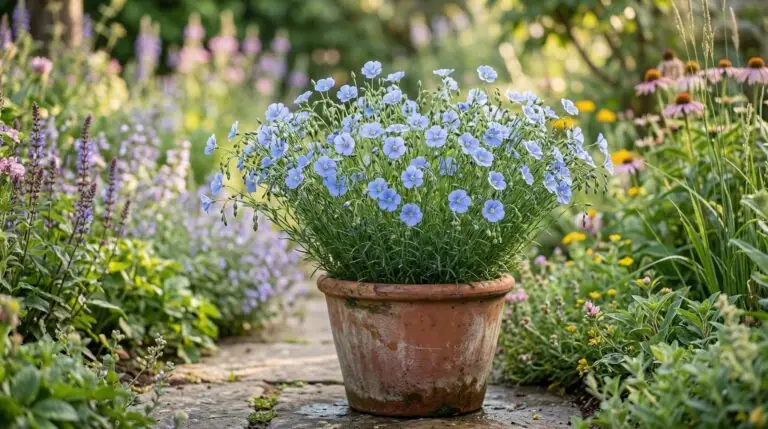
Growing blue flax in containers and window boxes for sky-blue summer color
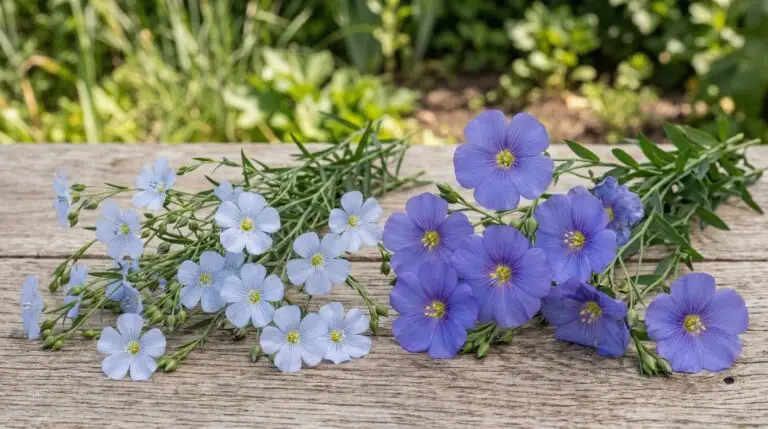
Lewis flax versus perennial blue flax and which native species to grow
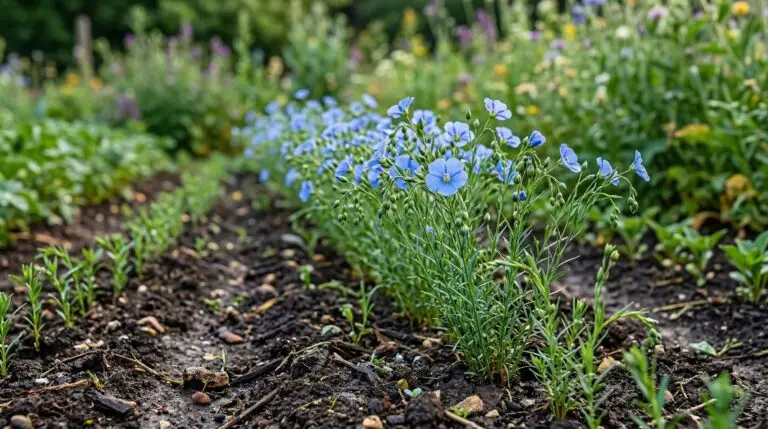
How to grow blue flax from seed for a low maintenance wildflower meadow
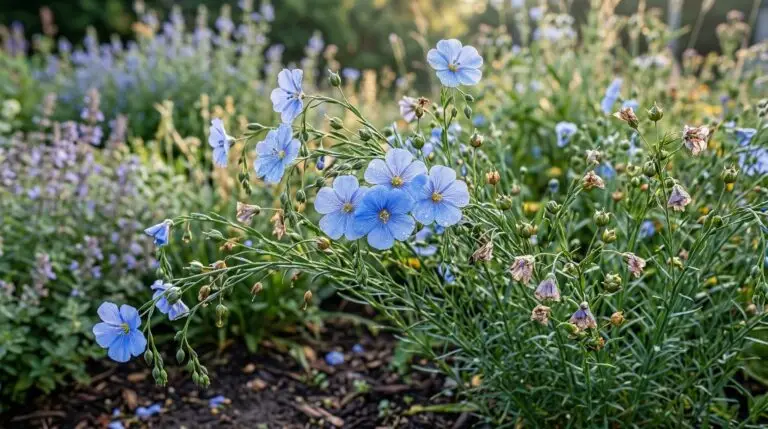
Why blue flax flowers only last one day and why that is actually a good thing
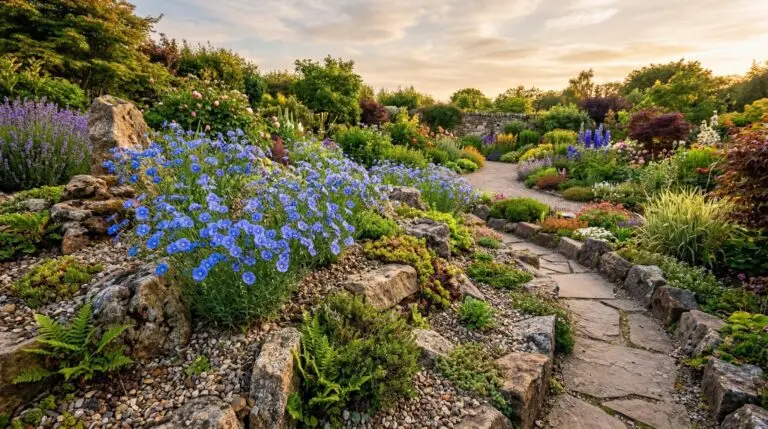
Blue flax in rock gardens and gravel pathways for a natural alpine look
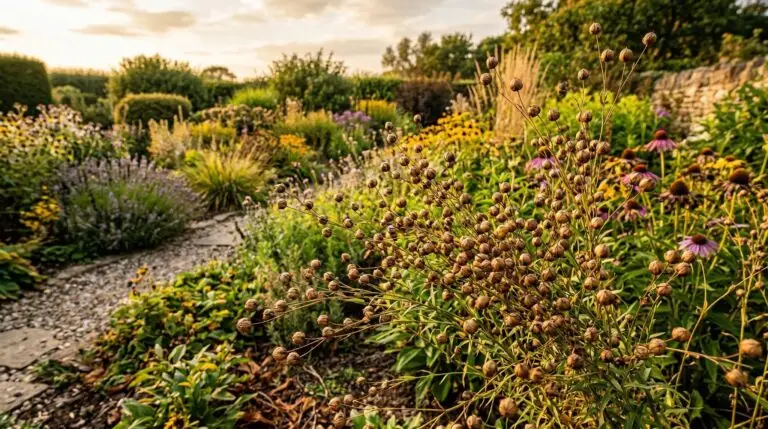
How to collect and save blue flax seeds for planting next season
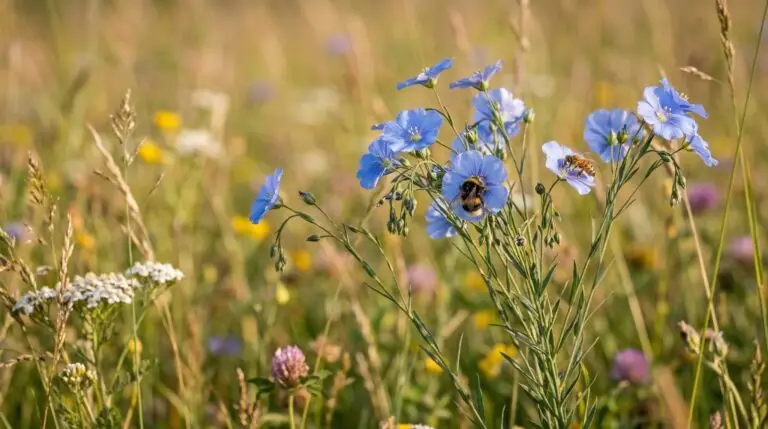
Blue flax for pollinator gardens attracting native bees and beneficial insects
The history of flax from ancient linen production to ornamental garden flower
Blue flax companion plants: what to grow and what to avoid
Enjoying our flower guides? Add YourFlowersGuide as a preferred source on Google. It helps more readers find us.
Add to Preferred Sources