The pairing · pick a flower
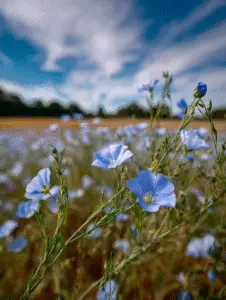 Blue flax+
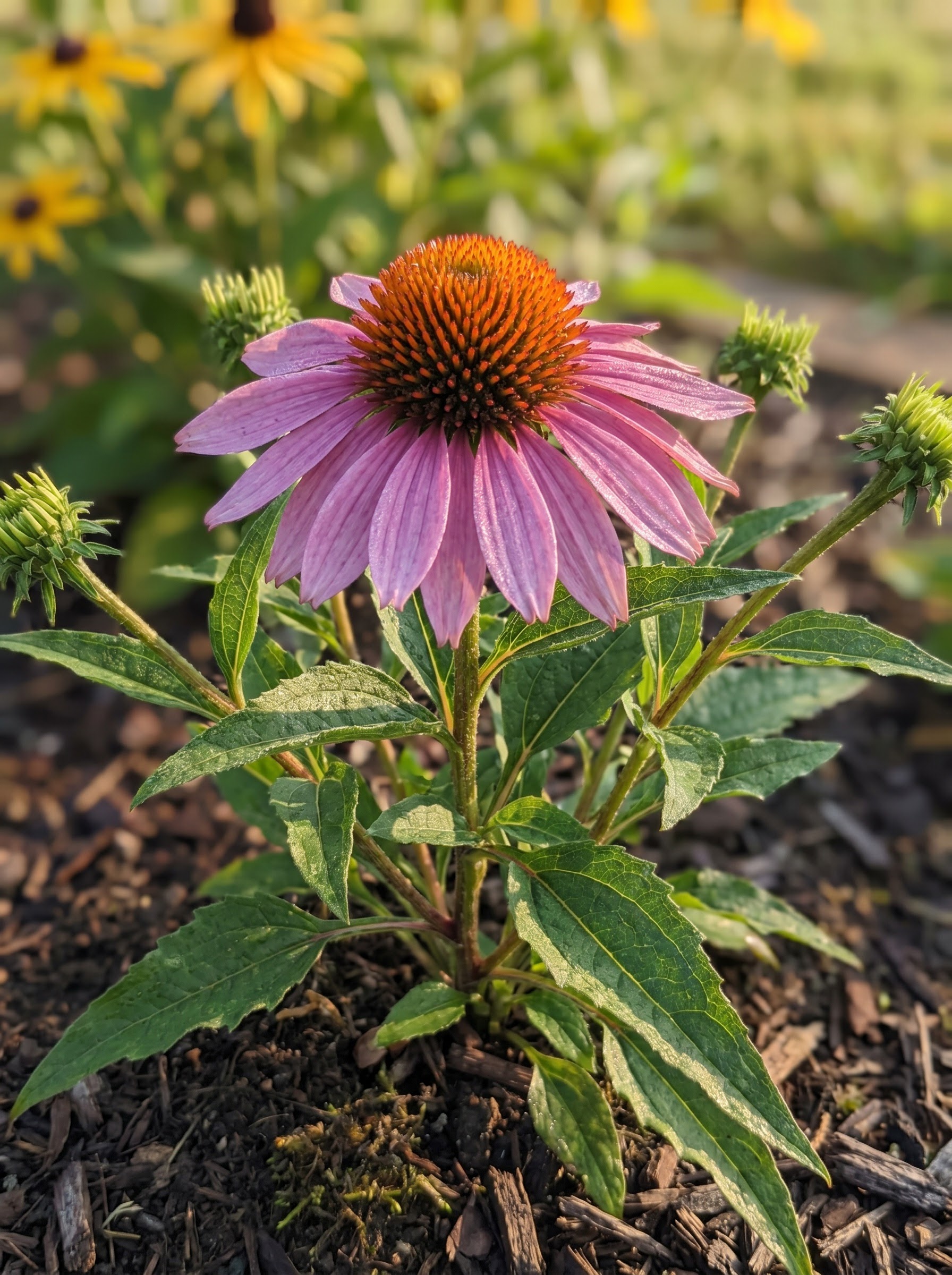 Purple coneflowerProven
Shares flax's full sun, drought tolerance, and well-drained soil exactly, and its stiff, bold daisy form gives the structural anchor a wispy, see-through plant can't supply for itself.
Blue flax+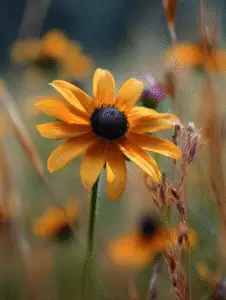 Black-eyed SusanProven
Matches flax's sun and drainage needs closely and is itself a short-lived, freely self-seeding plant, so the two renew side by side instead of one outliving and shading out the other.
Blue flax+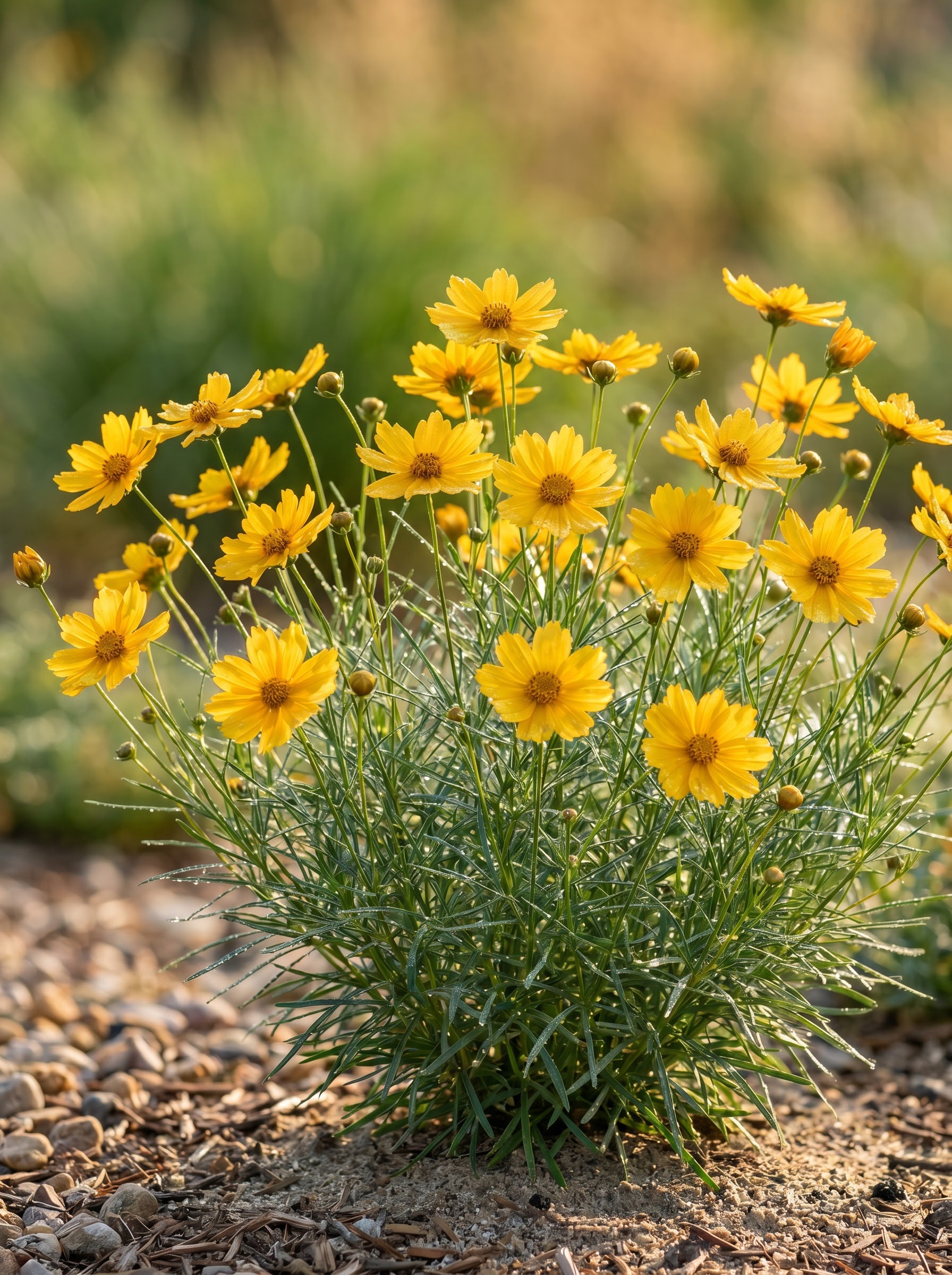 Threadleaf coreopsisPartial
Wants the same full sun, dry-to-medium, well-drained soil as flax, and its own fine, threadlike foliage echoes rather than fights the flax's airy texture while its yellow bloom adds contrast.
Blue flax+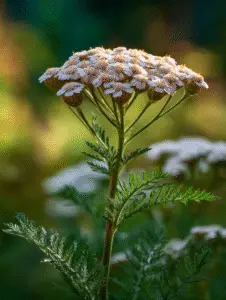 YarrowPartial
Matches flax's sun, drought, and poor-soil tolerance closely, and its flat-topped flower clusters are a genuine textural counterpoint to flax's small, five-petaled blooms.
Blue flax+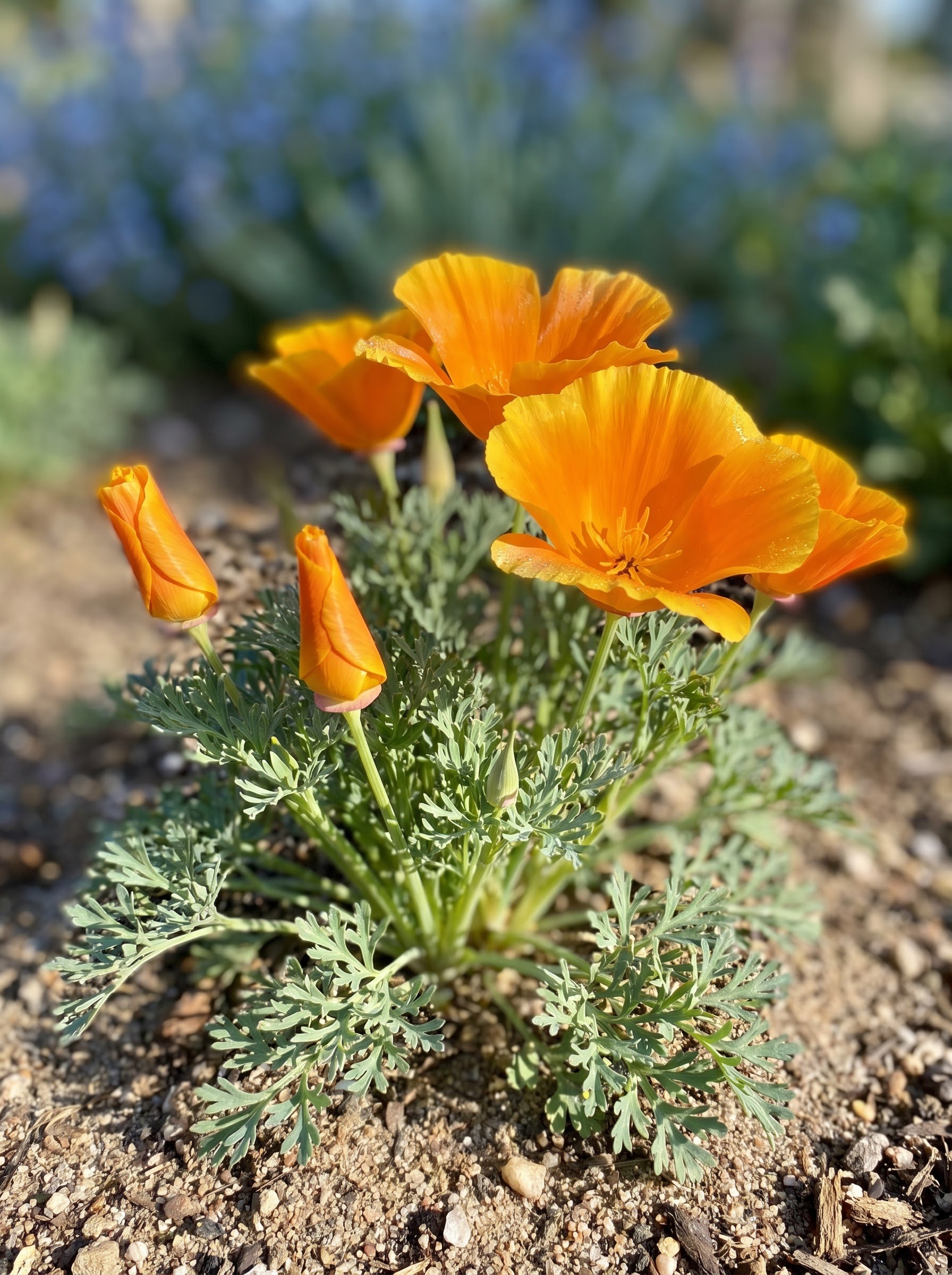 California poppyPartial
Shares flax's exact drought-tolerant, full-sun, lean-soil profile, and both plants persist the same way, as short-lived self-seeders in open ground, making this a genuinely apt lifecycle match, not just a look.
Blue flax+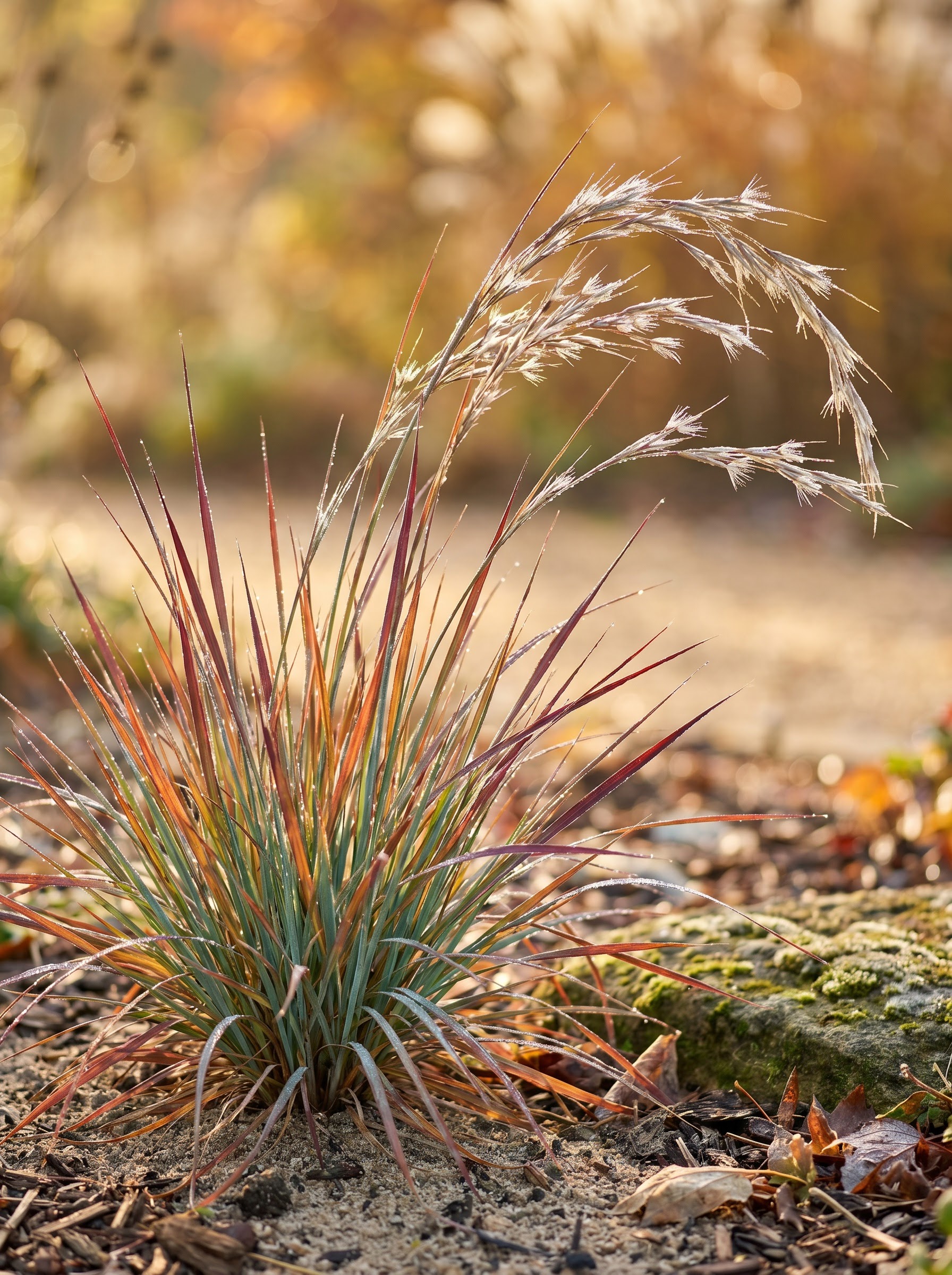 Little bluestemPartial
Wants the same lean, well-drained, drought-tolerant prairie conditions as flax, and its narrow upright clumps support the drift-and-sweep massing a transparent plant like flax needs to read as more than a haze.
Blue flax+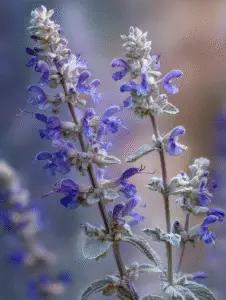 Russian sageProven
Wants full sun and lean, well-drained soil exactly like flax, and richer soil pushes both plants toward the same weak, floppy habit, so the shared avoid-condition is as real as the shared preference.
Blue flax+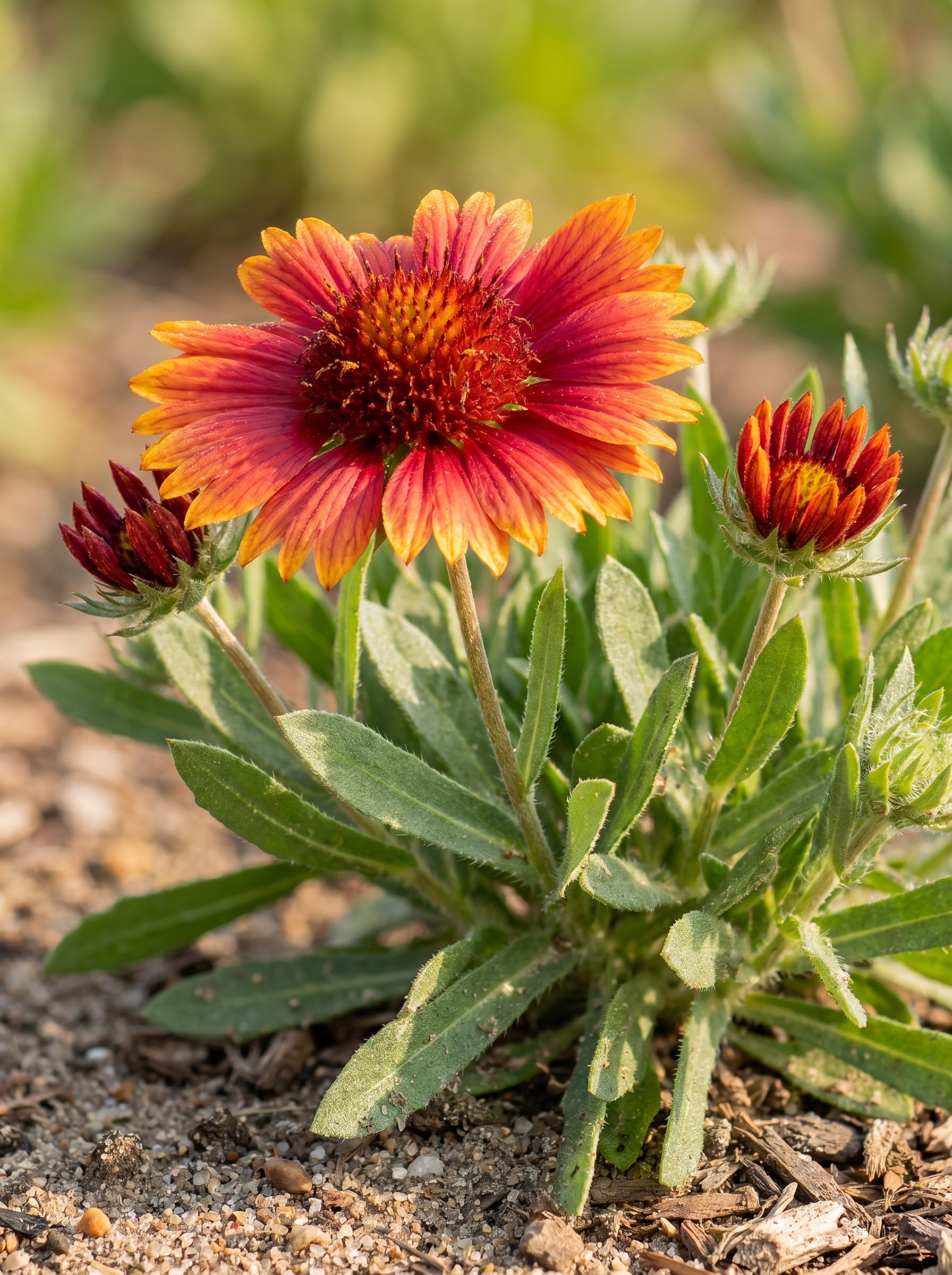 Blanket flowerPartial
Matches flax's drought tolerance, full sun, and poor-soil preference closely, and is itself a short-lived, self-seeding perennial, so both plants renew the bed on a similar rhythm.
All Blue flax companions
8 flower companions, best match first
What not to plant near Blue flax
Most bad neighbours are not evil, they just want the opposite light, water or root run. Here is what to keep away, and what to do instead.
Moisture-loving, rich-soil perennials (hosta, astilbe, most ferns, and typical cottage-border bedding plants)
This is the cleanest, most repeated failure condition for blue flax: rich or consistently moist soil makes it droop and sprawl, while these plants need exactly that moisture and would be underwatered in soil kept dry enough to suit flax.
Shade-garden staples (hosta, astilbe, heuchera, hellebore, and other part-to-full-shade perennials)
Blue flax needs 6 or more hours of direct sun to bloom heavily and hold its compact habit; shade-garden plants want the opposite and would either fail in flax's sunny spot or force flax into shade, where it gets leggy and stops flowering well.
Heavy clay soil or poorly drained sites generally
Not a companion plant but a siting problem that shapes which neighbors can share the spot: clay makes flax root shallowly, and extension guidance is direct that this causes winter survival problems, recommending the plant be grown as an annual where clay can't be avoided.
Aggressive spreaders and dense mat-formers (running mints, vigorous creeping thymes used as a full mulch replacement, turf-forming ornamental grasses)
Blue flax is a short-lived perennial that survives generation to generation almost entirely by self-seeding into open soil nearby; a companion that mats densely or out-competes for that open ground can quietly break the reseeding cycle, and flax can disappear from the bed within a few years without any single obvious cause. [VERIFY: reasoned from flax's documented short-lived, self-seeding biology, not a claim stated explicitly for this pairing in extension literature.]
The best companions for blue flax, explained
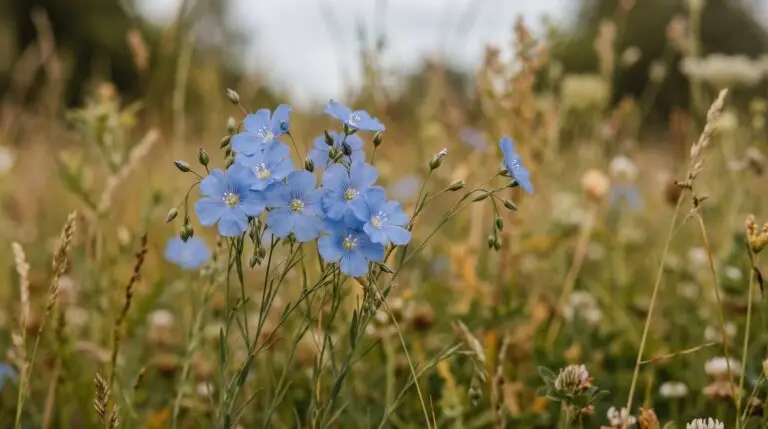
Blue flax sets an unusual design problem before it sets a growing one: alone, its wiry stems and small sky-blue blooms read as a haze rather than a plant, so the companions that work hardest for it are the ones with enough presence to anchor the space around it. Purple coneflower solves that problem about as directly as any perennial can. It shares flax’s exact conditions, full sun, drought tolerance, and soil that drains cleanly rather than holding water, and its stiff, upright daisy heads give the border the structural weight a wispy, see-through plant can’t provide on its own. Black-eyed Susan does the same structural job from the warm end of the color wheel, its gold petals and near-black center giving the strongest documented contrast against flax’s cool blue, and it happens to share flax’s own habit of being short-lived and freely self-seeding, so the two plants renew the bed on a similar rhythm rather than one crowding out the other over time.
Threadleaf coreopsis and yarrow round out the perennial layer with the same full-sun, lean-soil needs, but each earns its place with a different kind of texture rather than a different color story. Coreopsis’s thread-fine foliage actually echoes flax’s own airy texture instead of contrasting it, a genuinely specific pairing insight rather than generic filler, while its yellow bloom still supplies real color contrast. Yarrow’s flat-topped flower clusters do the opposite textural work, giving the border a horizontal plane against flax’s small upright blooms. California poppy earns a place for a different reason entirely: it isn’t just conditions-matched, it’s lifecycle-matched, a short-lived, self-seeding plant persisting in the garden the exact same way flax does, and its bright orange cups against flax’s blue make the boldest color pairing on this list. Russian sage and little bluestem close out the strongest pairings from opposite ends of the height range, Russian sage’s smoky upright spikes extending color into late summer after flax’s earlier flush fades, and little bluestem’s narrow, drought-tolerant clumps supporting the drift-and-sweep massing that lets a transparent plant like flax read as a wave of blue instead of a scattering of thin stems.
What not to plant near blue flax
The single clearest mistake, and the mirror image of what trips up shade-loving plants like hydrangea, is pairing blue flax with anything that wants rich, consistently moist soil. Hosta, astilbe, most ferns, and the typical annual bedding flowers that fill a well-watered cottage border all need exactly the moisture flax can’t tolerate; extension guidance is direct that rich or damp soil makes flax droop and sprawl rather than hold its compact, wiry habit. Planted together, one of the two plants is always being watered against its nature, and there’s no compromise spot that satisfies both. Shade-garden staples belong on the same avoid list for a related reason: flax needs six or more hours of direct sun to bloom heavily and stay upright, and forcing it into the part shade that hosta, astilbe, heuchera, and hellebore prefer makes it leggy, sparse, and reluctant to flower. Site flax in the sunniest, driest corner of the border and give shade lovers their own bed elsewhere, rather than trying to split the difference.
Heavy clay deserves its own mention, since it isn’t really a companion-plant problem but a siting one that shapes everything planted nearby. Extension sources are specific that clay soil causes blue flax to root shallowly, which then leads to winter survival failure, and the standard advice where clay can’t be amended is to treat flax as an annual rather than expect it to persist for years. Aggressive spreaders round out the list for a more particular reason tied to how flax actually survives long-term: it’s a short-lived perennial that renews itself almost entirely by self-seeding into open ground nearby, so a companion that mats densely, like a running mint used as full-coverage groundcover, or out-competes for that open soil can quietly break the reseeding cycle. The flax colony can simply fade out of a bed over a few years with nothing dramatic appearing to cause it, which is worth flagging honestly even though it rests more on flax’s documented biology than on a source that names this exact pairing.
Do they like the same conditions?
The rule that filters every pairing on this page is dry, lean, and sunny, tested against each candidate before it counts as a real match rather than a decorative one. Full sun, six or more hours of direct light, is what keeps flax compact and heavy-blooming; it tolerates two to six hours of part sun, but the trade-off is a leggier plant that flowers less. Water runs in the opposite direction from what a lot of border perennials want: flax is genuinely drought-tolerant once established, and the extension-documented failure mode is too much water and too much fertility, not too little, which makes it an unusually forgiving plant to underwater and an unusually easy one to kill with kindness. Soil pH turns out not to matter much at all here. Flax tolerates acid, neutral, and alkaline ground about equally, so unlike a true acid-obligate plant, there’s no chemistry to match between flax and its neighbors, only drainage and moisture.
Drainage is the one non-negotiable. Flax adapts to loam, sand, and shallow rocky soil without complaint, but clay is specifically flagged as a problem because it causes shallow rooting and winter failure, a mechanical issue rather than a fertility one. That same drainage-first logic explains why several of flax’s best companions, threadleaf coreopsis and Russian sage among them, share almost the identical flop-in-rich-soil failure mode: give any of these plants soil that’s too fertile or too wet and the stems weaken and sprawl regardless of how much sun they’re getting. The other honest fact worth stating plainly is that flax is short-lived, typically two to five years for any individual plant, and persists at the population level through self-seeding rather than through any one plant’s longevity. That changes what "companion planting" means here more than it does for a long-lived shrub: the goal isn’t picking neighbors that will still look the same in ten years, it’s picking neighbors that can tolerate the flax drifting a little from where it started as old plants die out and new seedlings take their place.
How to plant them together
Give bold, upright anchors like coneflower, black-eyed Susan, and gaillardia 12 to 18 inches from the flax, close enough to read as one planting from a distance but far enough that neither plant’s root zone competes hard with the other’s. Fine-textured companions, coreopsis and yarrow especially, can sit at that same distance, since neither forms a dense mat that would crowd the open soil flax needs for reseeding. California poppy works best planted even closer, 8 to 12 inches away, since both plants are shallow, short-lived self-seeders that do best sharing the same loose, ungraveled patch of ground rather than being kept in separate, mulched pockets. Save more room for the larger-bodied companions: Russian sage is a woody subshrub that reaches 3 to 4 feet and needs a full 24 inches of clearance so it doesn’t shade flax’s low mounds, and little bluestem wants a similar 18 to 24 inches to reach its own 2- to 4-foot spread without encroaching on the flax colony.
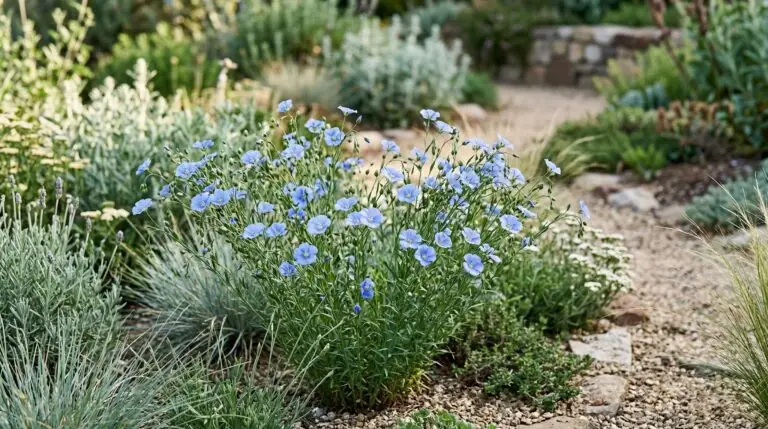
In a prairie or naturalistic border, mass flax in drifts rather than as a lone specimen, since that’s the only way its transparent, wiry habit reads as a sweep of blue instead of a scattering of thin stems; the edge of a path or the front third of a bed is a natural spot, both because it suits flax’s height and because self-seeded volunteers there are easy to spot and thin. Skip heavy organic mulch around flax specifically, even though it’s standard practice almost everywhere else in a border; a thick, rich mulch holds exactly the moisture flax’s documented failure mode warns against, and a thin gravel or grit topdressing does the job of suppressing weeds without working against the plant’s own drainage needs. In containers, the same dry, sunny, well-drained logic holds at a smaller scale, and a container is actually the more forgiving option on heavy clay sites, since it sidesteps the shallow-rooting problem entirely.
Does companion planting actually work for blue flax?
Some of this is genuinely well-supported, and some of it is closer to a design habit worth naming honestly rather than dressing up as proven fact. The shared-conditions matches are the strongest claims here: coneflower, black-eyed Susan, and yarrow all documented by extension sources as wanting the same full sun and well-drained, average-to-poor soil flax does, which is a real, verifiable overlap and part of why these plants show up together again and again in prairie and native-plant literature rather than only in decorating blogs. The lifecycle argument for California poppy and gaillardia is similarly concrete and specific to this flower rather than generic filler: both are short-lived, self-seeding plants persisting the same way flax does, so pairing them isn’t just a color choice, it’s matching two plants that will drift and renew at a similar pace.
Where the evidence thins out is anything claiming a companion actively protects flax or improves its bloom beyond simply not fighting it for light, water, or open reseeding ground. There’s no allelopathy case for flax the way there is for black walnut against roses or hydrangea, and no cited pest-repellent or pest-attractant role for flax itself in the wider literature; its own pest profile is limited to occasional cutworms and grasshoppers, nothing a neighboring plant is documented to solve. Any specific claim that a particular herb "repels aphids" or otherwise actively defends flax should be treated as folklore rather than fact until a stronger source says otherwise, since the honest, evidence-backed benefit here is entirely about shared dry conditions and, for a few of these companions, a genuine pollinator draw. That’s the honest verdict: match the sun and drainage first, let bold daisy forms and upright spikes do the visual work flax can’t do alone, and treat anything beyond that as unproven until shown otherwise.
FAQ
What can I plant in front of blue flax?
Low, fine-textured plants that share its dry, sunny conditions work best at the front edge, threadleaf coreopsis and California poppy especially, since neither forms a dense mat that would compete with flax’s own low, wiry stems for light or crowd the open soil it needs for self-seeding.
What should you not plant near blue flax?
Avoid anything that wants rich, consistently moist soil or part shade, hosta, astilbe, and most cottage-border bedding annuals chief among them, since flax’s documented failure mode is drooping and sprawling in soil that’s too wet or too fertile, the opposite of what those plants require.
Is blue flax invasive, or does it take over the garden?
No. Blue flax doesn’t spread aggressively by root or runner; its only spread mechanism is seed, and growers describe it as a polite self-seeder that’s easy to control simply by deadheading spent flowers before they set seed.
How long does blue flax actually live?
Individual plants are genuinely short-lived, typically two to five years, and the species persists in a garden long-term almost entirely through self-seeding rather than any one plant living for decades, which is worth knowing before planning a "permanent" bed around it.
Does blue flax need rich soil to thrive?
No, and this is one of the more common myths about the plant. Blue flax actually prefers average to poor, lean soil, and extension sources are specific that rich or overly fertile ground causes it to droop and sprawl rather than grow more vigorously.
Can I plant blue flax with lavender or Russian sage?
Yes, both are classic pairings for good reason: lavender and Russian sage share flax’s exact preference for full sun, low water, and lean, well-drained soil, making them some of the most reliable companions on this list rather than just a popular look.
Sources
- North Carolina State Extension Gardener Plant Toolbox, Linum perenne
- North Carolina State Extension Gardener Plant Toolbox, Echinacea purpurea
- North Carolina State Extension Gardener Plant Toolbox, Rudbeckia hirta
- North Carolina State Extension Gardener Plant Toolbox, Eschscholzia californica
- North Carolina State Extension Gardener Plant Toolbox, Schizachyrium scoparium
- North Carolina State Extension Gardener Plant Toolbox, Lavandula angustifolia
- Missouri Botanical Garden Plant Finder, Linum perenne
- Missouri Botanical Garden Plant Finder, Coreopsis verticillata
- Clemson Cooperative Extension (HGIC), Rain Garden Plants: Achillea millefolium (Yarrow)
- Wisconsin Horticulture Extension, Russian Sage, Salvia yangii (Perovskia atriplicifolia)
More About Blue Flax
Growing blue flax in containers and window boxes for sky-blue summer color
Lewis flax versus perennial blue flax and which native species to grow
How to grow blue flax from seed for a low maintenance wildflower meadow
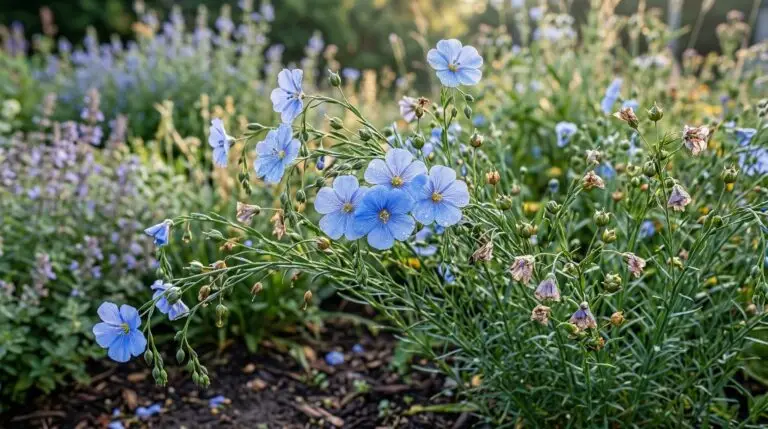
Why blue flax flowers only last one day and why that is actually a good thing
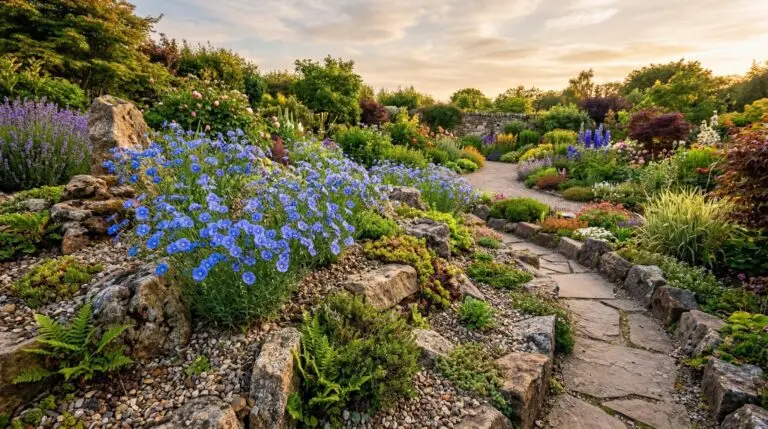
Blue flax in rock gardens and gravel pathways for a natural alpine look
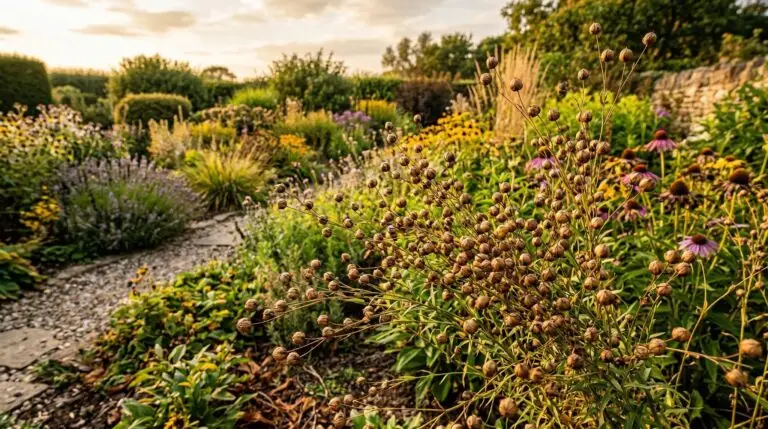
How to collect and save blue flax seeds for planting next season
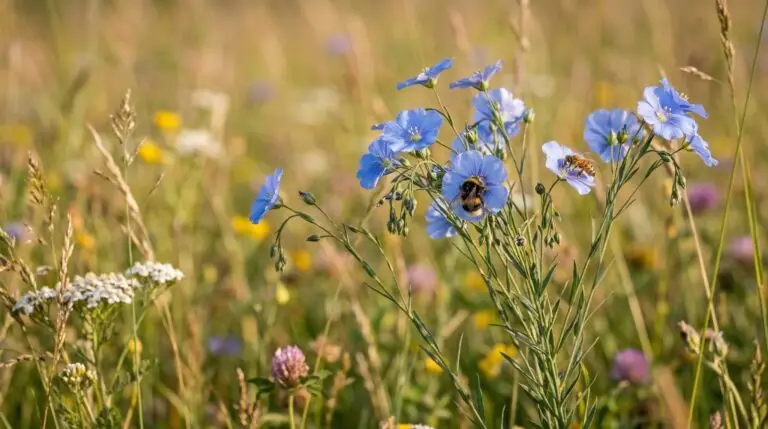
Blue flax for pollinator gardens attracting native bees and beneficial insects
The history of flax from ancient linen production to ornamental garden flower
Blue flax for xeriscaping and drought-tolerant gardens that still look beautiful