The truth about those cheap fall mums
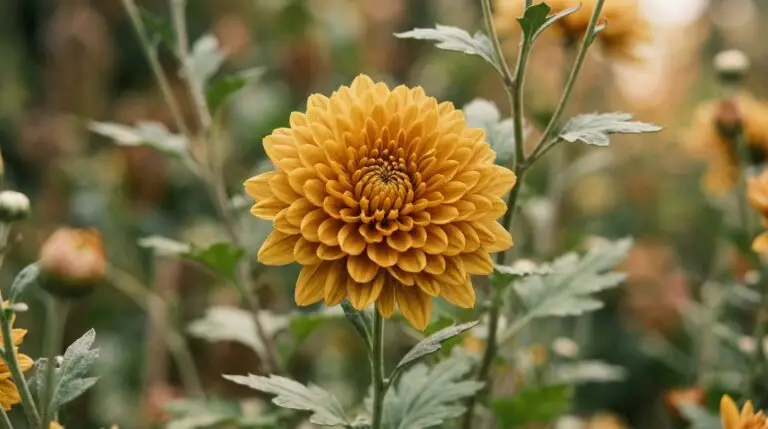
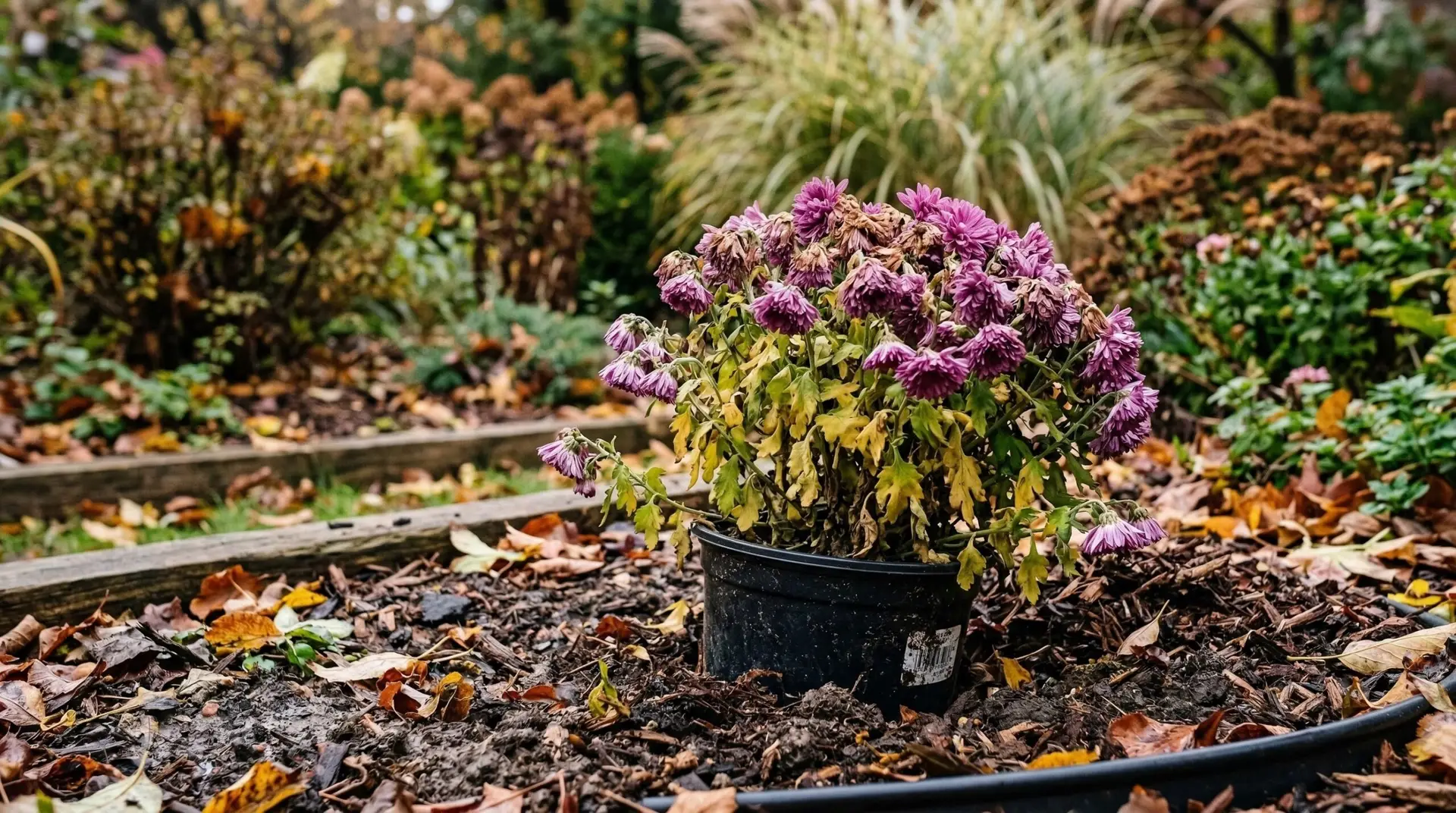
Every September, millions of gardeners buy perfectly round, blooming chrysanthemums for their front porches, only to watch them turn crisp and brown by November before throwing them in the compost pile. People constantly ask if garden mums are perennial plants or just temporary decorations. The short answer is that garden mums are genetically perennial, meaning they have the capacity to survive the winter and return the following year. The real problem is that the way these plants are grown, sold, and used practically guarantees they will die in your yard. Nurseries grow them in tiny pots, pumping them full of fertilizer to force massive blooms, which results in a severely root-bound plant that has no space left to absorb water or nutrients. When you buy a plant in this condition and treat it as a disposable porch ornament, it simply does not have the root structure to survive cold weather.
The timing of your purchase also plays a massive role in whether your mums come back. When you put a blooming mum in the ground in October, the soil temperatures are already dropping rapidly. Roots cannot grow in soil that is rapidly approaching freezing temperatures. A plant in full bloom is directing every ounce of its energy into maintaining those flowers, meaning it puts exactly zero energy into growing new roots. When the first hard freeze finally hits your region, that shallow, confined root system freezes solid, and the plant dies of dehydration because it cannot draw moisture from the frozen ground. If you want a perennial chrysanthemum, you have to change your approach from treating them like cut flowers to treating them like permanent garden shrubs.
How to plant mums so they actually survive winter
To get your mums to survive the winter, you must give them time to establish a deep root system long before the ground freezes. Spring is the absolute best time to plant garden mums, giving them an entire growing season to settle into your native soil. If you do buy them in early September, you need to get them out of their nursery pots and into the ground immediately. Leaving them sitting on your concrete steps in a plastic pot for six weeks exposes the roots to wild temperature swings and dries them out completely. The longer a plant sits in a temporary pot, the lower its chances of making it through January. You must treat fall planting as an emergency rescue mission where the goal is to get the roots insulated by the earth as quickly as possible.
You cannot just dig a hole and drop that solid, square block of roots into the ground and expect the plant to live. You have to aggressively break apart that dense mat of roots before planting, even if it feels like you are damaging the plant. Use your fingers or a soil knife to tear the bottom half of the root ball open and spread the roots outward. Do not worry about breaking a few roots, as this damage actually stimulates the plant to push new growth outward into the surrounding soil. If you skip this step, the roots will just continue to circle themselves in the planting hole, and the plant will dry out no matter how much you water it. Plant your mums in a spot with well-draining soil, because sitting in wet, heavy winter clay will rot the crown of the plant much faster than freezing temperatures will kill it.
Watering newly planted fall mums requires careful attention because the root ball dries out at a different rate than the surrounding garden soil. Overwatering plants in heavy clay causes immediate root rot, while underwatering a root-bound plant causes the leaves to crisp up from the bottom down. You must check the actual soil moisture by pushing your finger an inch down into the original root ball, rather than just looking at the surface of the mulch. Consistent, deep watering encourages the roots to reach downward rather than staying near the surface. You can build a very reliable autumn garden by planting your mums alongside other tough late-season bloomers like late-flowering asters that share similar soil and water requirements. Mixing them with native goldenrod varieties creates a perennial bed that naturally peaks in autumn without requiring you to buy replacement fall garden flowers every single year.
Overwintering mums and managing spring growth
When the foliage finally turns brown and crispy after a few hard frosts, your first instinct will be to cut the dead stems all the way down to the ground to make the garden look tidy. You must resist this urge and leave those dead stems standing straight through the winter months. The old foliage creates a physical barrier and natural insulation for the crown of the plant, trapping snow and protecting the shallow roots from harsh winds. More importantly, leaving the stems intact prevents the freeze-and-thaw cycles of late winter from heaving the shallow root system completely out of the soil. You should also apply a thick layer of shredded leaves or straw around the base of the plant after the ground freezes, taking care not to smother the center crown completely. Pine needles also make an excellent winter mulch because they do not mat down and trap excess moisture against the stems.
Once you see new green growth emerging at the base of the plant in early spring, you can finally take your pruners and cut away the dead stems from the previous year. If you leave a perennial chrysanthemum completely alone during the spring and summer, it will grow tall, leggy, and eventually flop over under the weight of its own blooms by August. To achieve that dense, rounded shape you see at garden centers, you must actively manage the plant’s growth through a process called pinching. You need to pinch or cut back the growing tips of every stem by about an inch every two to three weeks, starting when the plant is six inches tall. This continuous pruning forces the plant to branch out laterally, creating dozens of new stems that will eventually hold flowers. You must stop this pinching process exactly on the Fourth of July, which gives the plant enough time to develop flower buds for its massive autumn display.
Setting realistic expectations for perennial chrysanthemums
You need to be completely honest with yourself about what a garden mum will look like after it has lived in your yard for a few years. Even with perfect pinching and excellent care, a perennial chrysanthemum will rarely look exactly like the perfectly spherical, chemically treated plants you buy at the grocery store. They will naturally adopt a looser, more relaxed shape, which actually blends much better into a traditional perennial border. A slightly sprawling mum cascading over a retaining wall often looks much better than a rigid globe anyway. You also have to accept that some winters are simply too brutal, or the spring weather stays too wet, and a plant will not survive despite your best efforts at overwintering mums. Gardening always involves some trial and error, and learning which specific spots in your yard offer the right drainage and winter protection takes time.
The absolute best piece of advice for anyone who wants to stop throwing away dead plants every November is to change your buying habits entirely. Stop buying full-grown, heavily blooming potted mums in late September when the odds are stacked against their survival. Instead, seek out small starter plants in the spring from a local nursery or order bare-root plants online. Spring-planted chrysanthemums have months of warm weather to build the robust, deep root systems required to survive frozen ground. Taking this approach completely eliminates the frantic race against the first fall frost and guarantees you will have massive, healthy plants ready to bloom right when you want them. You will spend less money upfront and end up with permanent garden plants that perform reliably year after year.