Crocosmia × crocosmiiflora 'Emily McKenzie'

Crocosmia × crocosmiiflora 'Emily McKenzie'

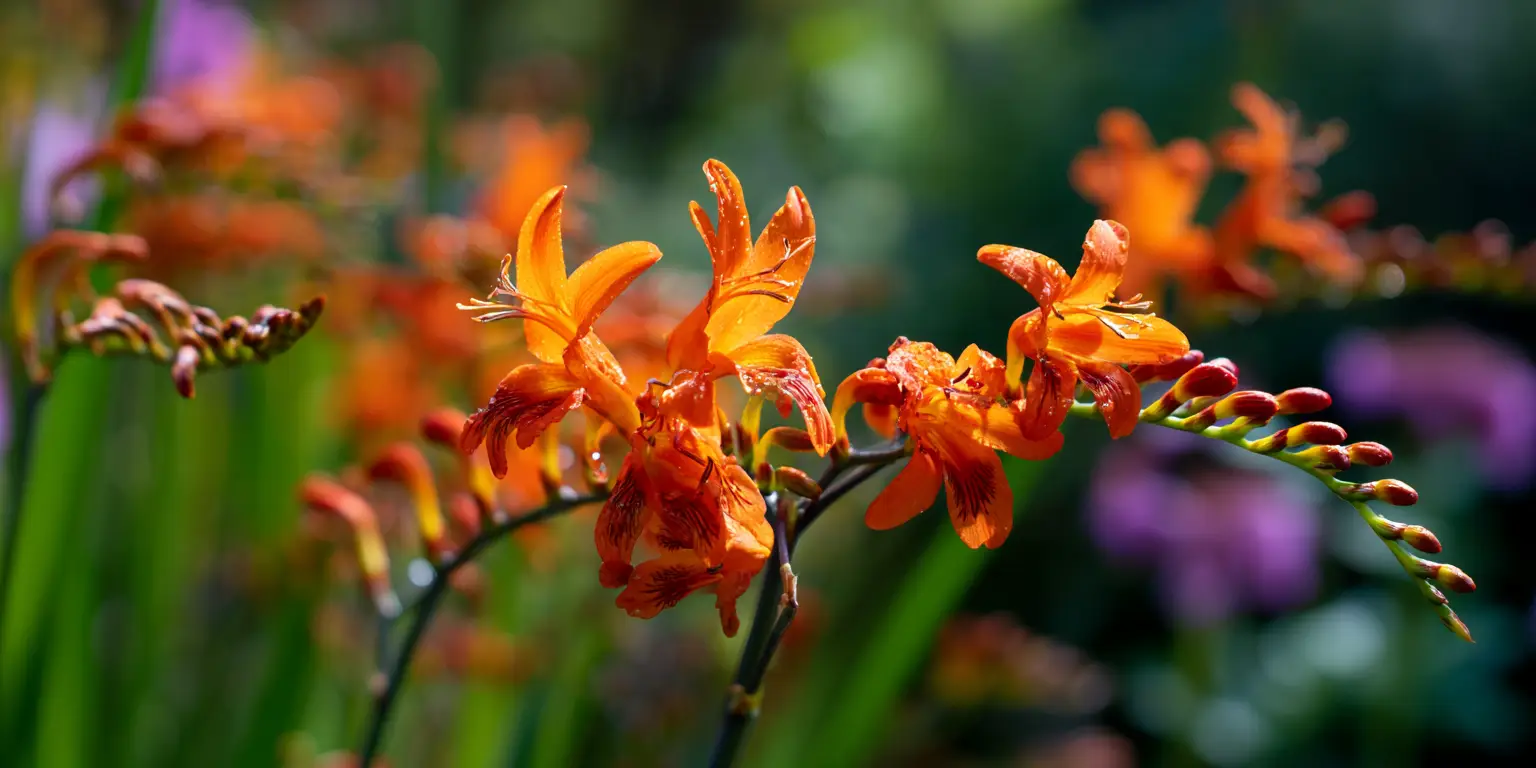
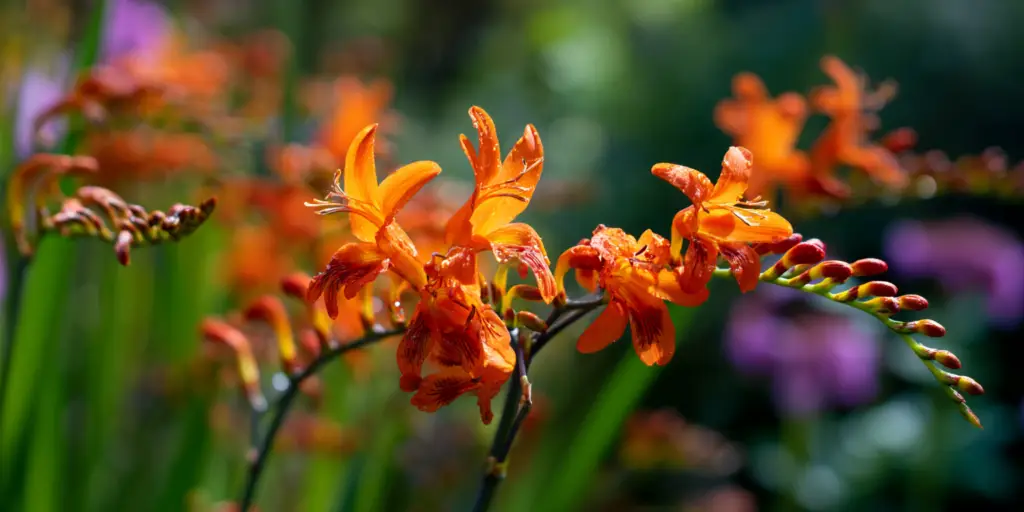
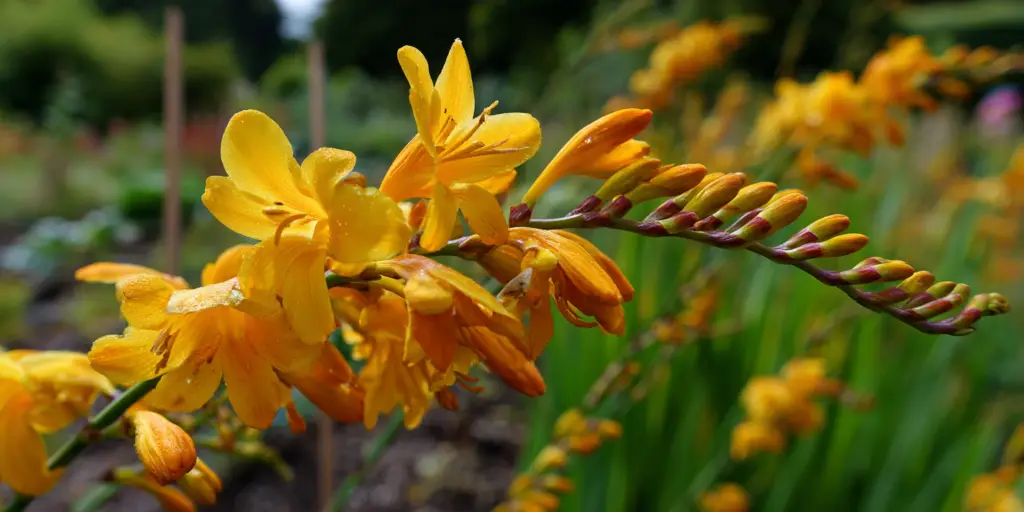
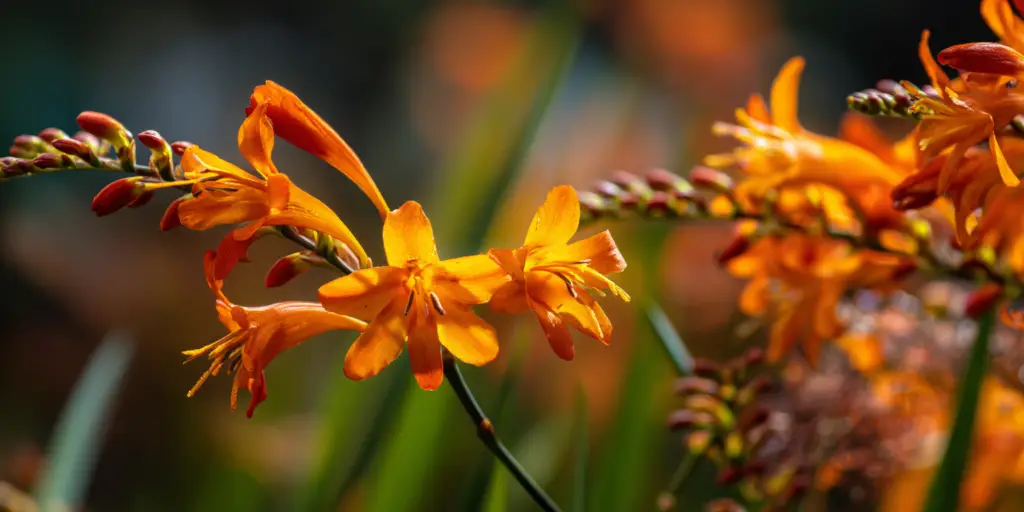
‘Emily McKenzie’ is a beloved bicolor crocosmia with vivid orange petals and a dark red throat. Plants reach mid-border height and flower reliably in late summer where soils stay evenly moist. It prefers full sun in cooler regions and light afternoon shade where summers are hot and dry. The bold eye reads well in mixed plantings and the stems handle well for cutting when harvested as flowers open along the spray.

At‑a‑glance

Group/Class: Montbretia; Crocosmia × crocosmiiflora

Height × spread: 24-33 in (60-85 cm) × 12-20 in (30-50 cm)

Bloom window: late summer

Color & flower form: bright orange with dark red throat; star-like, slightly nodding

Fragrance: 0 none

USDA hardiness: zones 6-9

Breeder / Year / Origin: Ken McKenzie, 1951, UK

Awards/registration: RHS Award of Garden Merit (AGM)

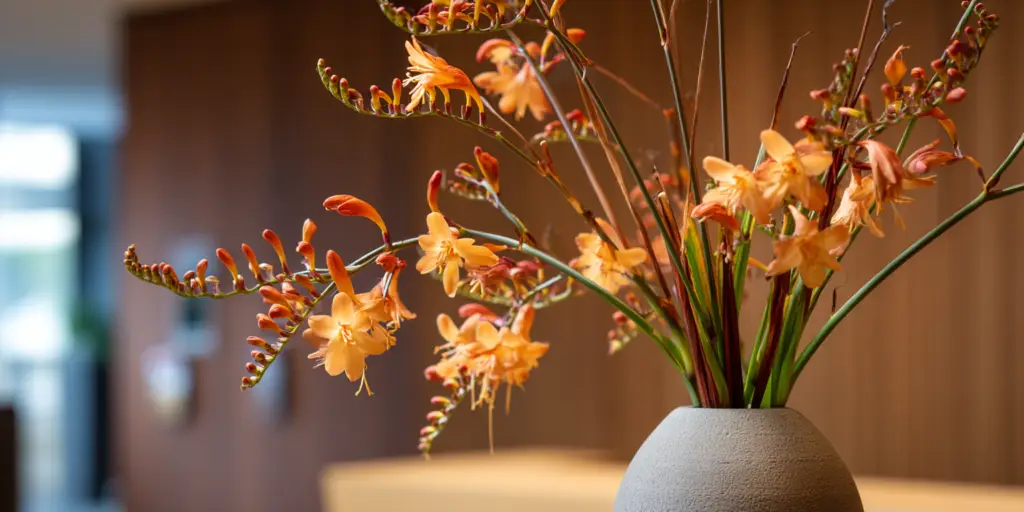
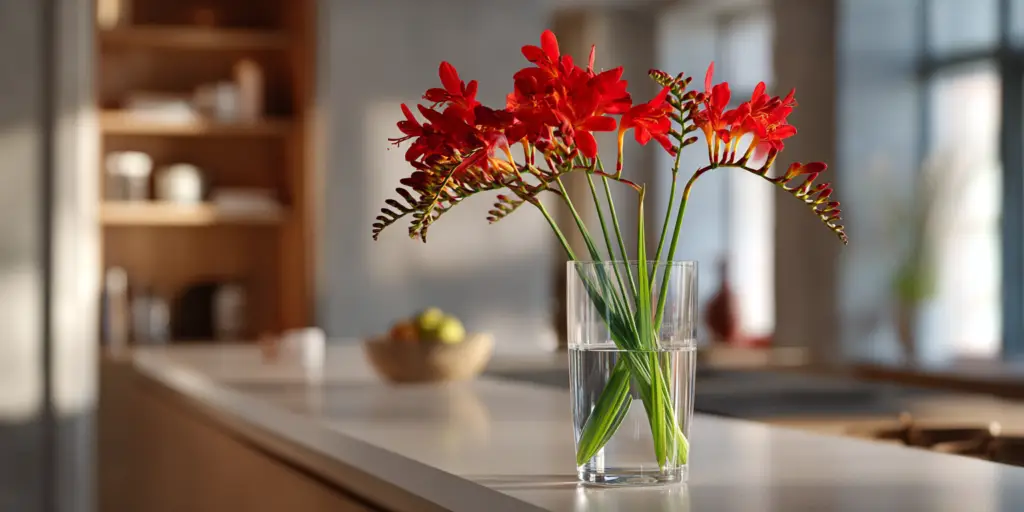
Cut-flower notes: well-regarded in trials; stems hold in the vase when cut as buds begin to open.

Pet safety: avoid

How it differs

  • Distinct bicolor flowers with a bold central eye.
  • Performs best with steady moisture; not suited to hot, dry sites.
  • Mid-height habit for front to mid border.

Strengths

  • AGM holder with consistent garden performance.
  • Eye-catching color contrast for mixed borders and bouquets.
  • Attracts hummingbirds and other pollinators.

Care in one minute

  • Choose a site with full sun to light afternoon shade in hot summers.

Soil: moderately fertile and well drained with steady moisture; avoid waterlogged clay.

  • Plant corms 3 to 4 in deep and 3 to 4 in apart in groups; point up and roots down.
  • Water during dry spells in summer; allow the surface to dry slightly between soakings.

Feeding: mix in compost at planting; a light spring feed is sufficient.

  • Deadhead spent sprays; leave foliage to yellow before cutting back; divide congested clumps in spring.

Shade: provide afternoon shade where summers are hot and dry.

Watch‑outs

  • Spreads by corms; divide when clumps crowd.
  • In hot, dry summers, flowering and stem quality may drop without irrigation.

Best uses (tags)

cutting, borders, pollinators, late season

Provenance note

Selected in the UK in the early 1950s and named for Emily McKenzie; widely circulated since for its striking bicolor flowers.

References

Written by: Your Flowers Guide editorial team
We are a small independent group of flower lovers who research and review each guide using trusted horticultural and educational sources. Learn more about us