Crocosmia × crocosmiiflora 'George Davison'

Crocosmia × crocosmiiflora 'George Davison'

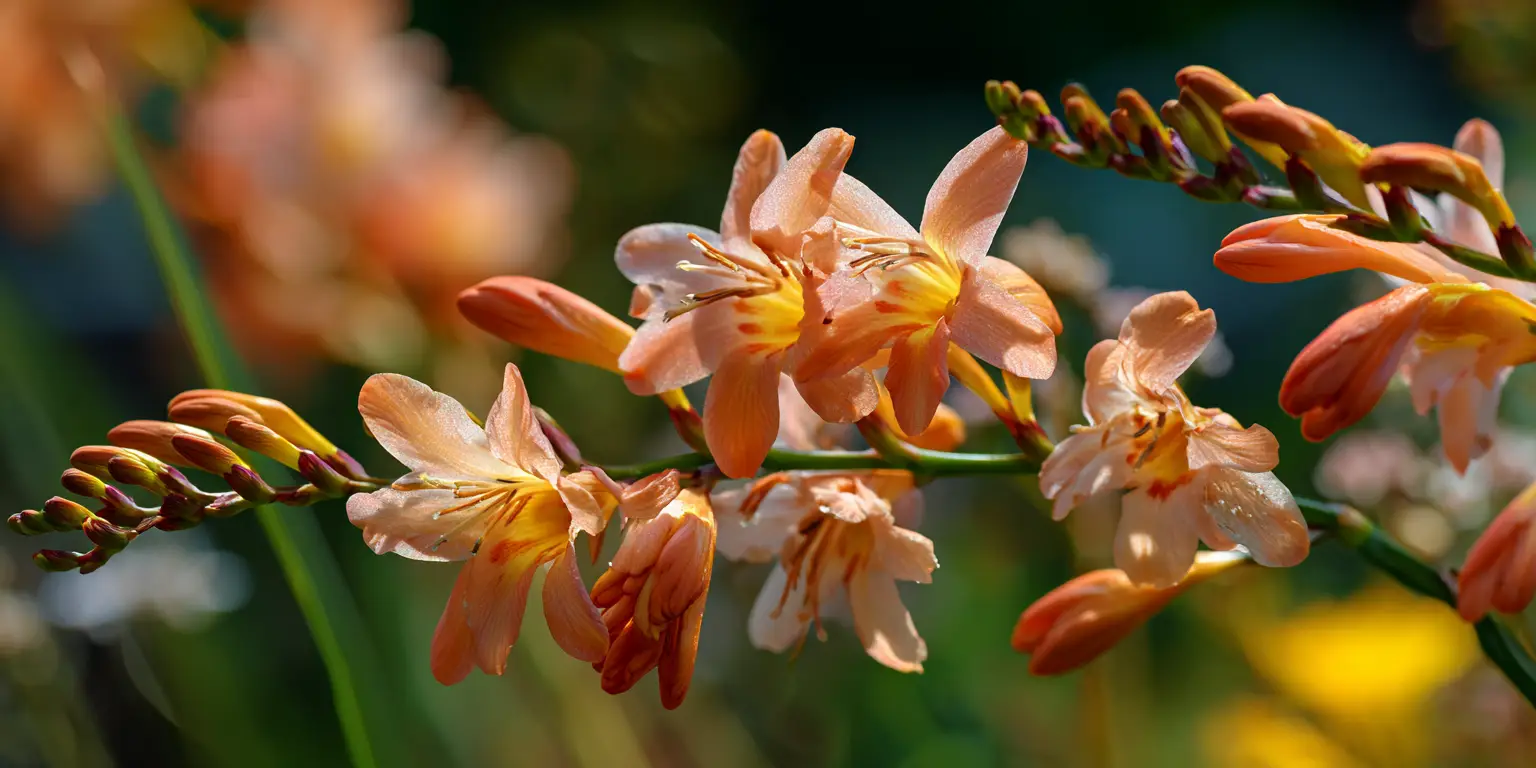
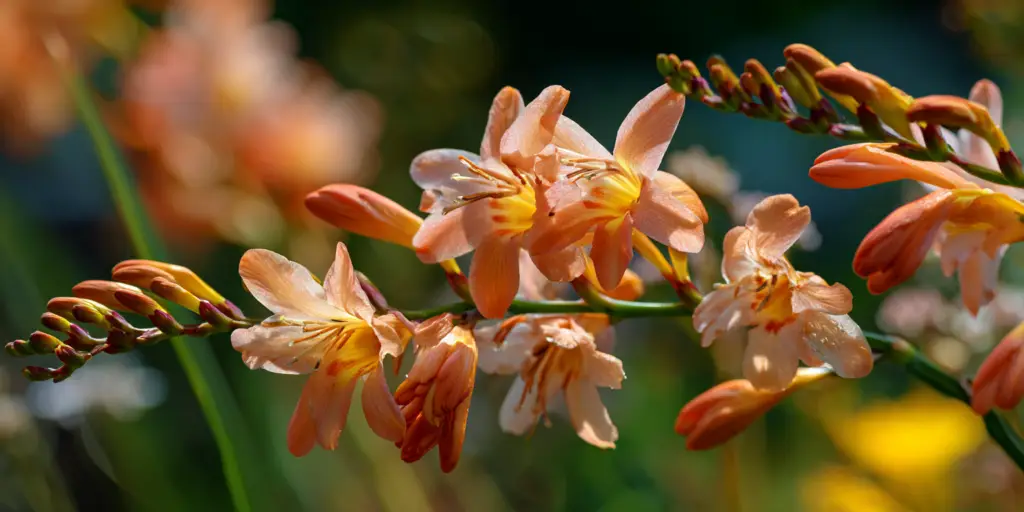
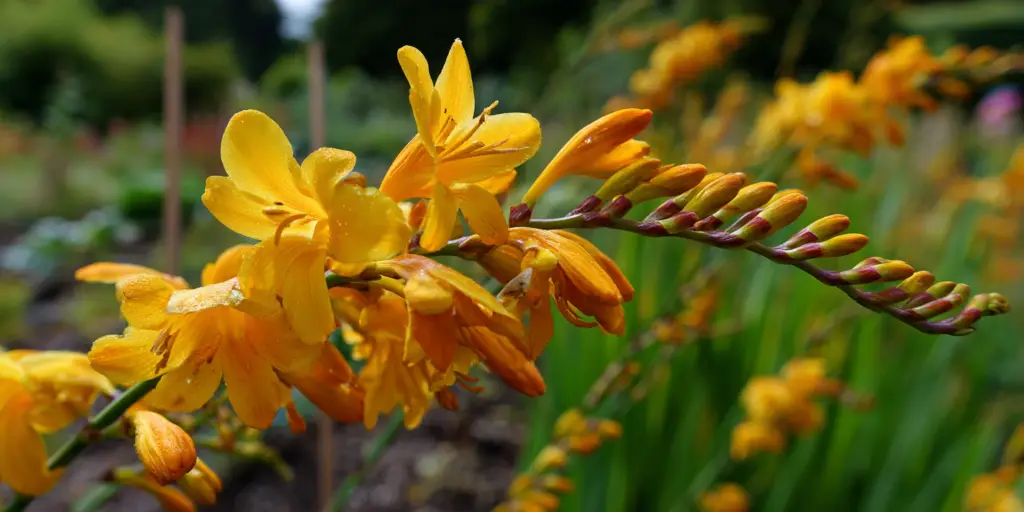
‘George Davison’ is a classic yellow crocosmia valued for early to mid-season color and compact growth. Plants form upright fans of foliage with branched stems that open soft yellow flowers from orange buds. It performs best in full sun with evenly moist, well-drained soil and benefits from a sheltered position in colder zones. In much of the northern United States it is hardy with mulch, but corms can be lifted and stored where winters are severe. The luminous flower color mixes easily with blues and purples and works well for cutting.

At‑a‑glance

Group/Class: Montbretia; Crocosmia × crocosmiiflora

Height × spread: 24-30 in (60-75 cm) × 12-18 in (30-45 cm)

Bloom window: mid to late summer

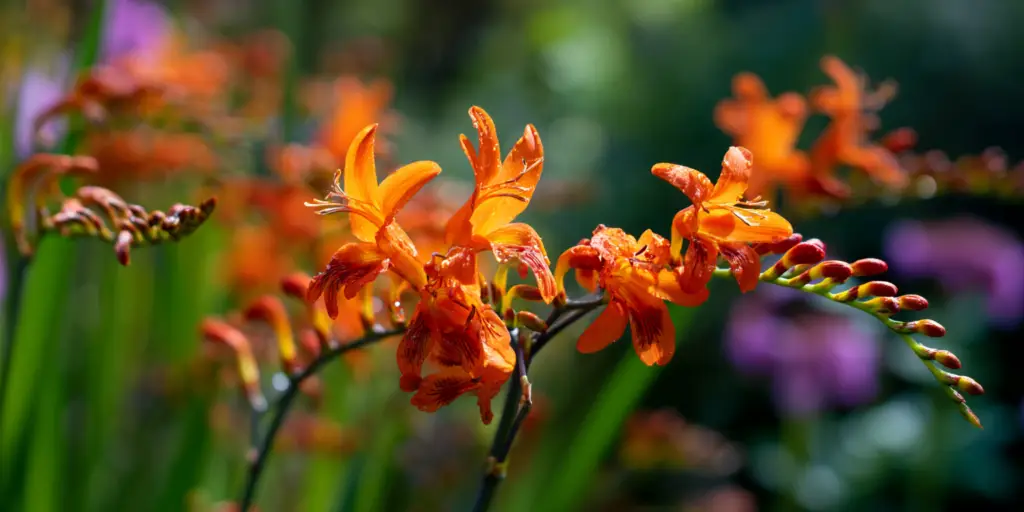
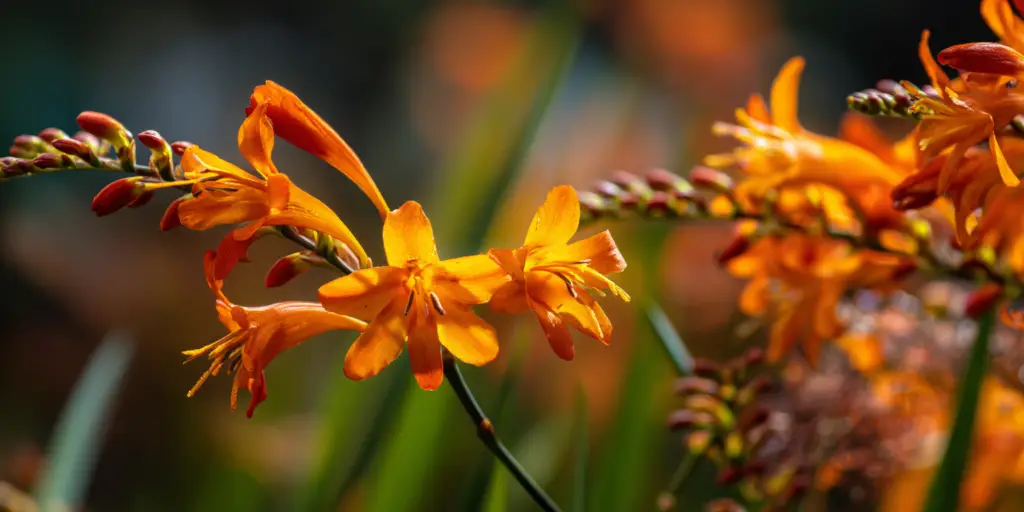
Color & flower form: light orange-yellow, tubular blooms from orange buds

Fragrance: 0 none

USDA hardiness: zones 6-9

Breeder / Year / Origin: George Davison, 1902, UK

Awards/registration: RHS Award of Merit (1902)

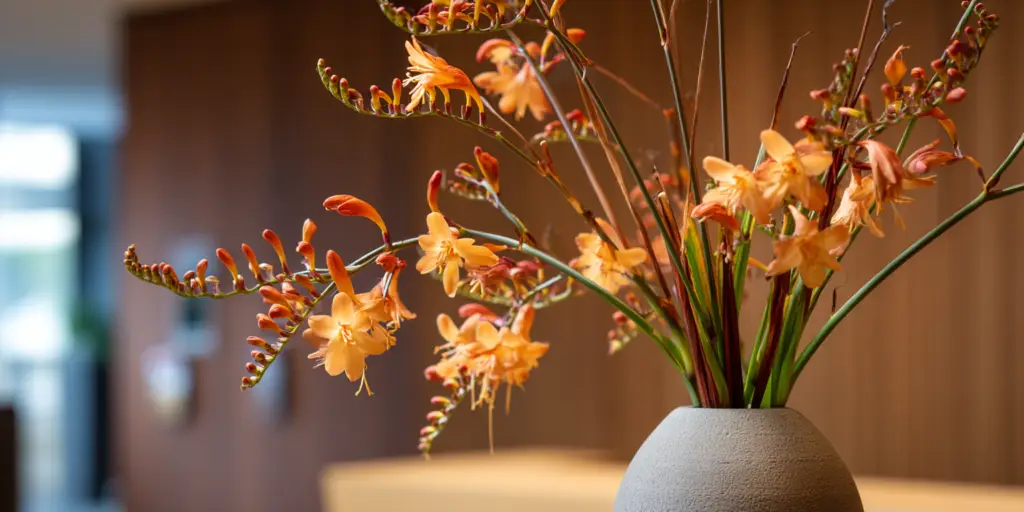
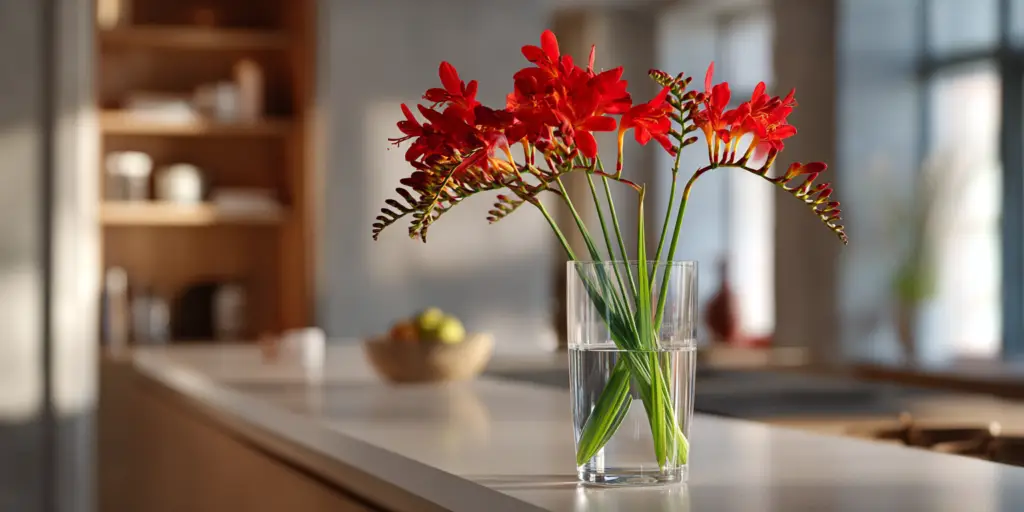
Cut-flower notes: moderately sturdy stems; typical vase life about a week when conditioned well.

Pet safety: avoid

How it differs

  • Earlier to flower than many crocosmias.
  • Compact habit compared with tall red types like ‘Lucifer’.
  • Soft yellow tonality rather than the usual orange-red.

Strengths

  • Useful mid-border height.
  • Good for mixed bouquets and cottage borders.
  • Attracts hummingbirds and butterflies.

Care in one minute

  • Choose a site with full sun to light afternoon shade in hot summers.

Soil: moderately fertile and well drained with steady moisture; avoid waterlogged clay.

  • Plant corms 3 to 4 in deep and 3 to 4 in apart in groups; point up and roots down.
  • Water during dry spells in summer; allow the surface to dry slightly between soakings.

Feeding: mix in compost at planting; a light spring feed is sufficient.

  • Deadhead spent sprays; leave foliage to yellow before cutting back; divide congested clumps in spring.

Overwintering: mulch well in zone 6; lift for storage where winters are colder or soils stay wet.

Watch‑outs

  • Borderline hardy in zone 5; mulch or lift and store corms where winters are severe.
  • Spreads by corms; divide clumps to manage spread.

Best uses (tags)

cutting, borders, pollinators, cottage, late season

Provenance note

Named for British breeder George Davison, this early yellow hybrid became a benchmark cultivar in the early 1900s.

References

Written by: Your Flowers Guide editorial team
We are a small independent group of flower lovers who research and review each guide using trusted horticultural and educational sources. Learn more about us