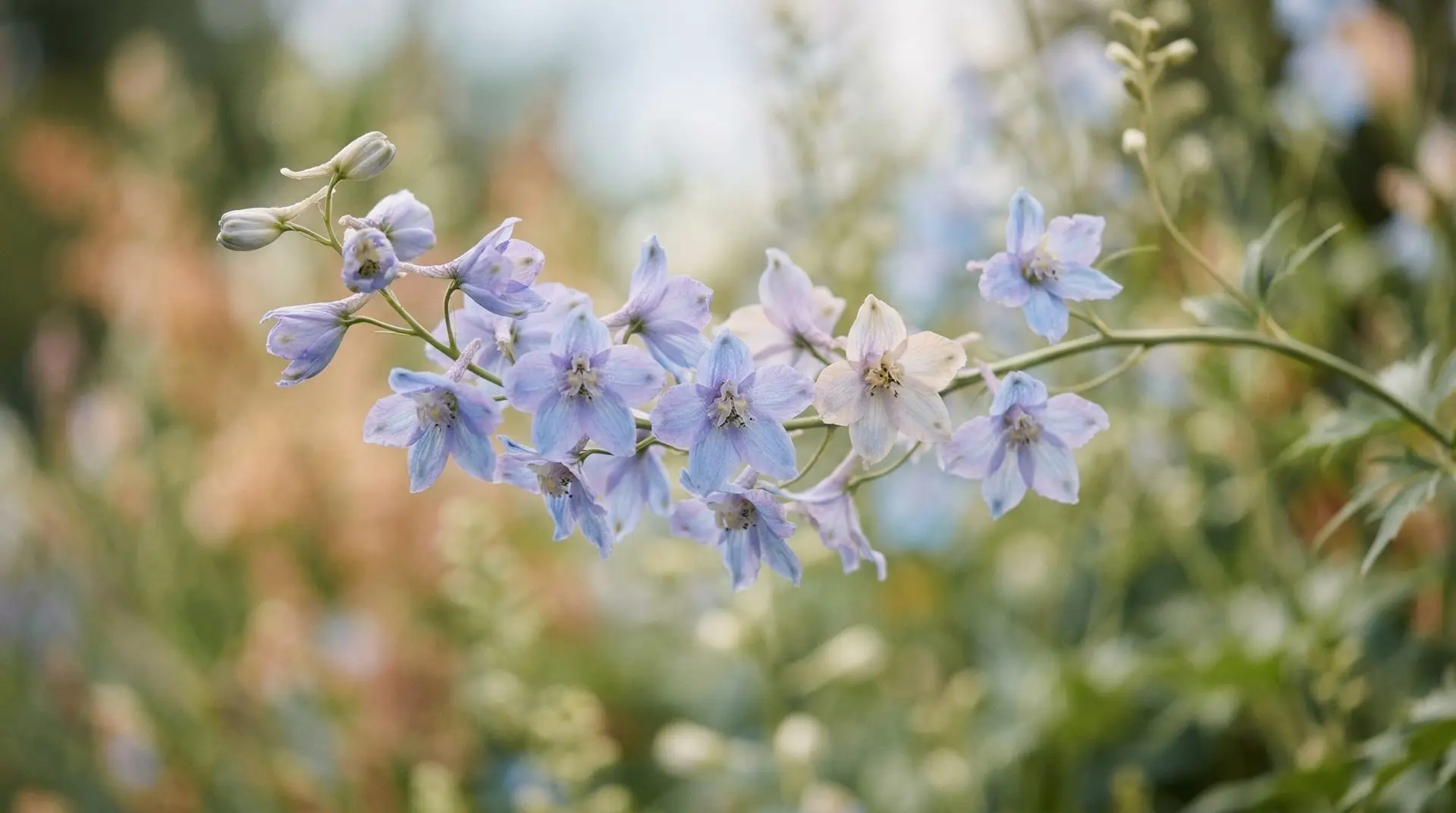
Ancient Greece, first century AD. Pedanius Dioscorides, a Greek physician and botanist, walked the Mediterranean hillsides observing medicinal plants for his pharmacopeia. When he examined the uncurling buds of a tall, spurred wildflower, he saw the distinct shape of a leaping dolphin. He recorded the plant using the Greek word “delphis,” forever linking the towering garden staple to the marine mammals of the Aegean Sea. This connection ran deeper than mere visual resemblance in the classical world. The dolphin was sacred to Apollo, the god of light and truth, whose most famous sanctuary was located at Delphi. The plant we now call Delphinium elatum carries this ancient mythological lineage in its very name, rooting a common garden flower in the sacred geography of classical antiquity. The Greeks believed that the flower first bloomed from the blood of Ajax, a hero of the Trojan War, though this legend is often shared with the hyacinth. Regardless of which hero’s blood watered the soil, the delphinium emerged in classical texts as a flower of deep cultural significance and divine association.
Contents 4 sections
The pursuit of true blue in the natural world
Blue is a notoriously difficult color for nature to produce, making blue flower meaning historically tied to concepts of the divine, the infinite, and the unattainable. Ancient Egyptian and Mesopotamian cultures prized blue pigments derived from crushed minerals like lapis lazuli, elevating the color to a status symbol reserved for royalty and deities. In the botanical realm, true blue flowers were equally scarce and commanded similar reverence. Delphinium symbolism naturally absorbed this cultural weight, as the plant produced towering spires of pure, saturated blue that seemed to mirror the summer sky. Gardeners and apothecaries collected these rare azure blooms with the same enthusiasm they showed for cornflowers in the grain fields of Europe. Cultivating these plants allowed early horticulturists to capture a piece of the heavens and bring it down to earth. The height of the delphinium stalk only amplified this connection, as the flowers physically reached upward toward the celestial sphere they mirrored. Plant collectors spent centuries searching the mountainous regions of the Northern Hemisphere for new blue species to satisfy the human craving for this elusive hue.
Victorian translations of levity and open hearts
During the nineteenth century, the strict social codes of Victorian England led to the popularization of floriography, a system where specific flowers communicated hidden messages. In this complex botanical dictionary, delphinium meaning became firmly associated with levity, lightness, and big-heartedness. The physical characteristics of the plant directly informed this interpretation. The tall, heavily laden flower spikes swayed easily in the summer breeze without snapping, demonstrating a graceful flexibility that the Victorians equated with a lighthearted approach to life. Giving someone a bouquet containing these blue spires communicated an open, generous attachment rather than a heavy or possessive romantic burden. This association with expansiveness and warmth also solidified the plant’s role as the official July birth flower. Midsummer was a time of open skies, long days, and abundant growth, perfectly matching the generous, big-hearted nature attributed to the towering blue blooms. People born in July received these flowers as a reminder to maintain a light spirit and an open heart throughout their lives.
Medicinal folklore and protective toxicity
Beyond their visual appeal, plants in the Delphinium genus possess a long, complex history in historical medicine and protective folklore. The entire plant contains potent diterpenoid alkaloids, making it highly toxic if ingested by humans or livestock. Early civilizations recognized this dangerous power and harnessed it for specific, guarded purposes. In medieval Europe, apothecaries prepared tinctures from the seeds of related species to treat parasitic infections like lice and scabies. Folklore from the Mediterranean region suggested that the presence of the plant could repel scorpions and venomous spiders. Native American tribes utilized indigenous varieties of the flower, carefully extracting the blue pigment for ceremonial dyes while strictly avoiding internal consumption. The cultural understanding of the flower was therefore one of respect and caution, viewing the plant as a powerful entity that offered protection but demanded careful handling. This dual nature of extreme beauty and lethal toxicity is a common theme in the cultural history of the garden, where the most captivating specimens often harbor dangerous botanical defenses.
Breeding the architectural garden spire
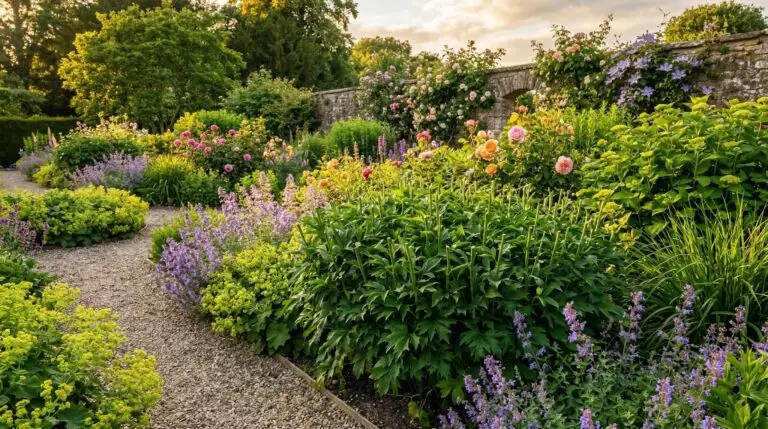
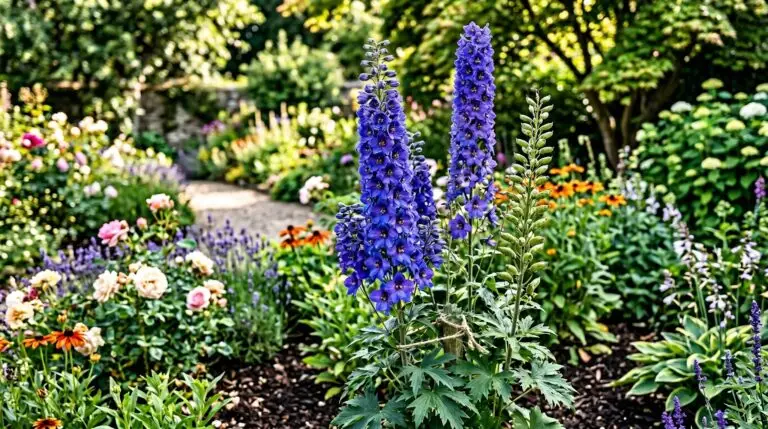
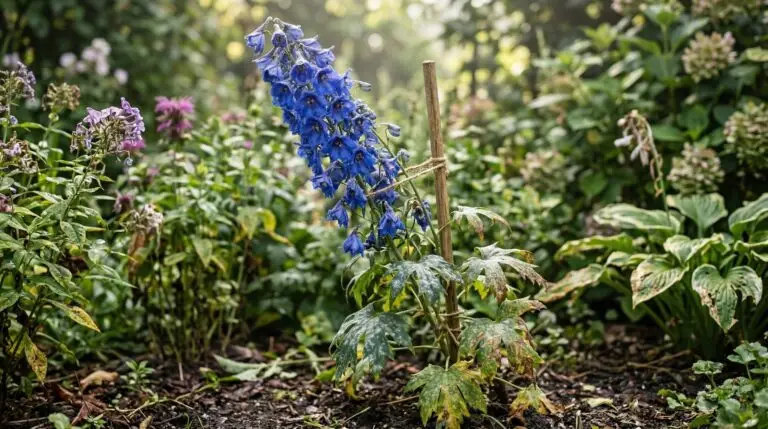
The transition of Delphinium elatum from a wild mountain species to the architectural centerpiece of the modern garden occurred largely in the grand estates of nineteenth-century Europe. British and French nurserymen recognized the potential of the tall blue spikes and began crossing the Siberian and European native species to achieve larger flowers and sturdier stems. These breeding efforts culminated in the famous Elatum hybrids, which defined the aesthetic of the Edwardian herbaceous border. Garden designers like Gertrude Jekyll relied heavily on these towering blues to create structural rhythm and deep color contrasts in their massive planting schemes. They frequently paired the tall spires with ground-hugging alpine species like gentian to create a tiered display of rare blues, or planted them alongside blue salvia to extend the cool-toned color palette through the late summer months. Modern hybridizers still use variations of these historical breeding techniques to develop disease-resistant strains for contemporary gardens. When a modern gardener stakes a heavy delphinium stalk against a summer storm, they are participating in a horticultural tradition that stretches back through Edwardian estates, Victorian parlors, and ancient Greek hillsides.
More About Delphinium elatum
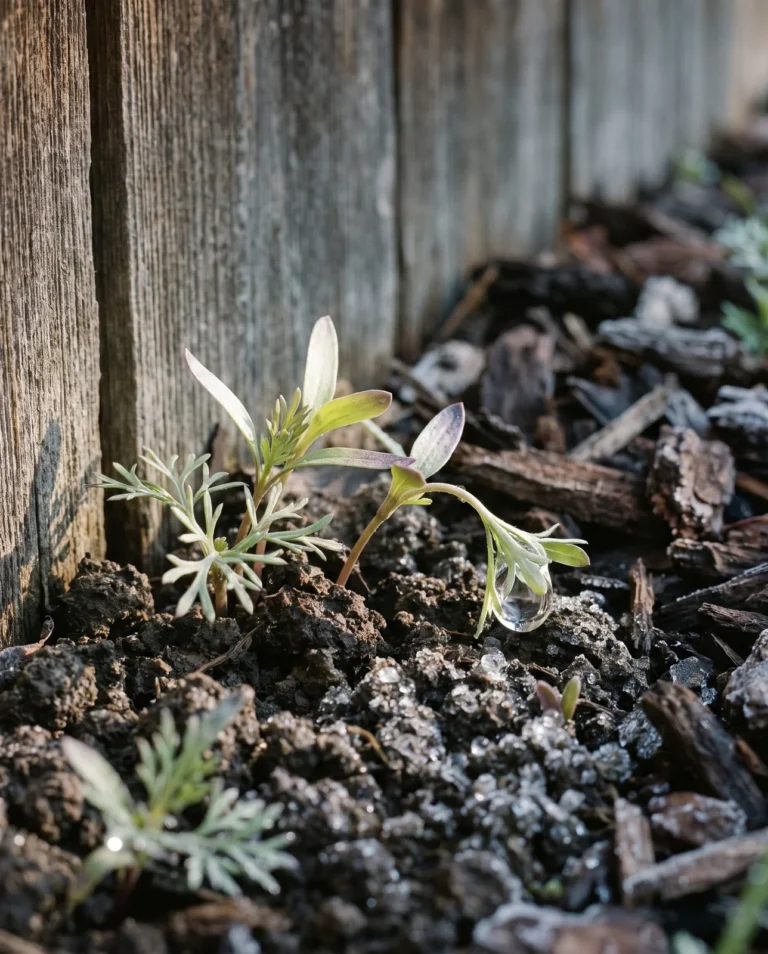
When to plant larkspur seeds in fall
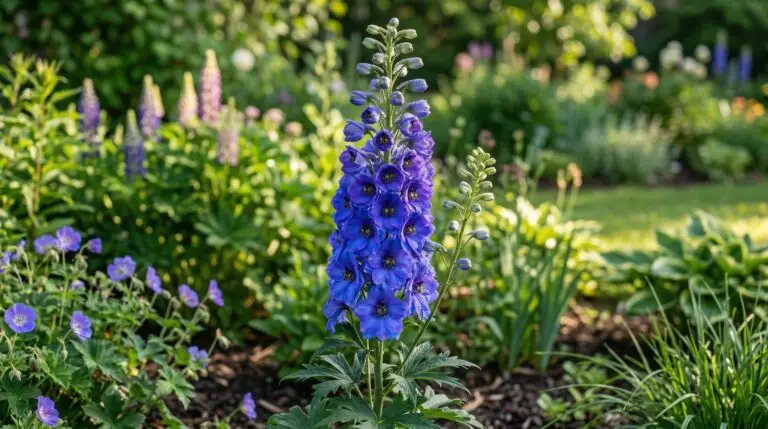
Delphiniums as show-stopping cut flowers for dramatic tall arrangements
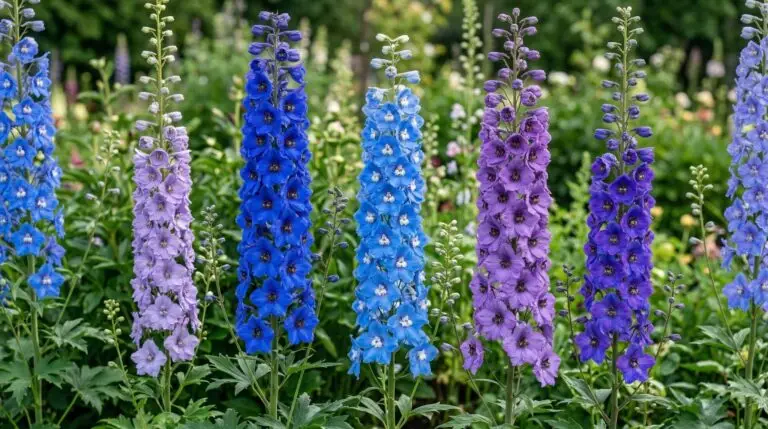
Best delphinium varieties from towering Pacific Giants to compact Magic Fountains
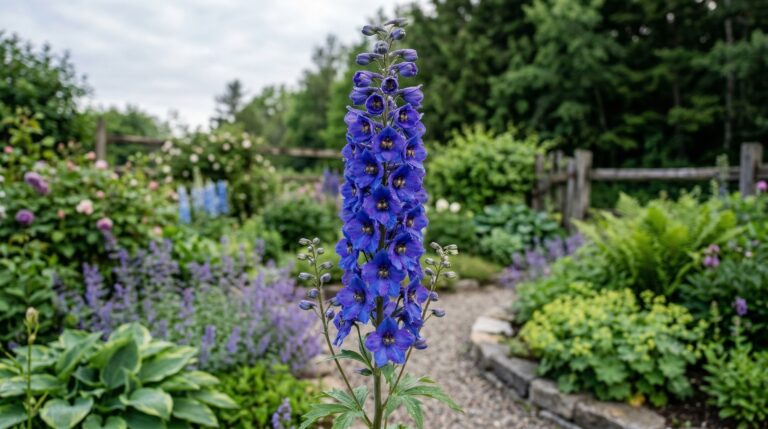
How to grow tall delphinium spires that tower above the garden like living architecture
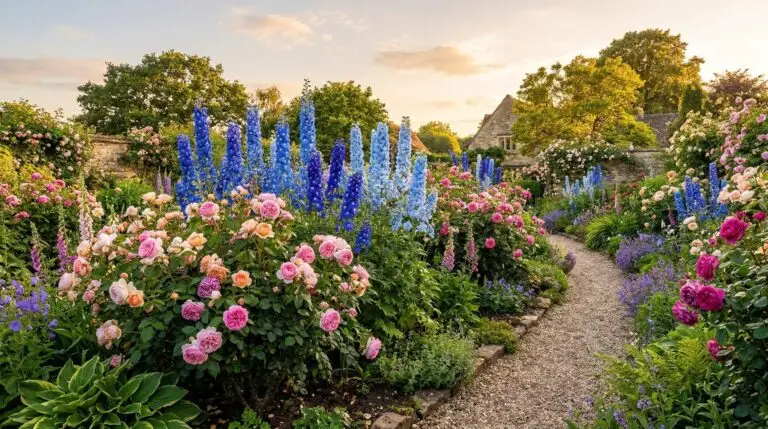
Delphinium companion plants: what to grow, what to avoid
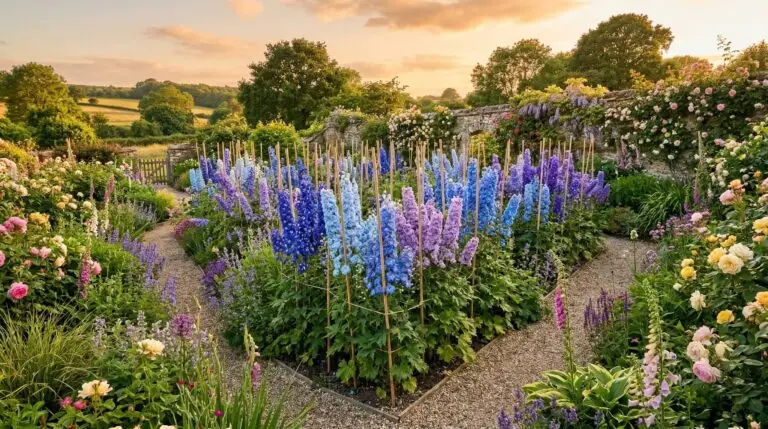
Staking delphiniums properly so tall flower spikes survive wind and rain storms
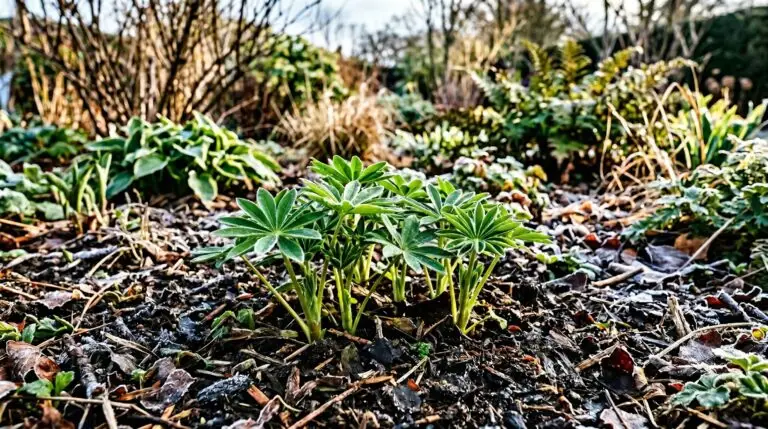
Growing delphiniums from seed and the patience required for first-year blooms
How to get delphiniums to rebloom by cutting back spent flower spikes
Why delphiniums are short-lived perennials and how to keep them coming back
Delphiniums in hot climates and alternatives for gardeners south of zone 7
Enjoying our flower guides? Add YourFlowersGuide as a preferred source on Google. It helps more readers find us.
Add to Preferred Sources