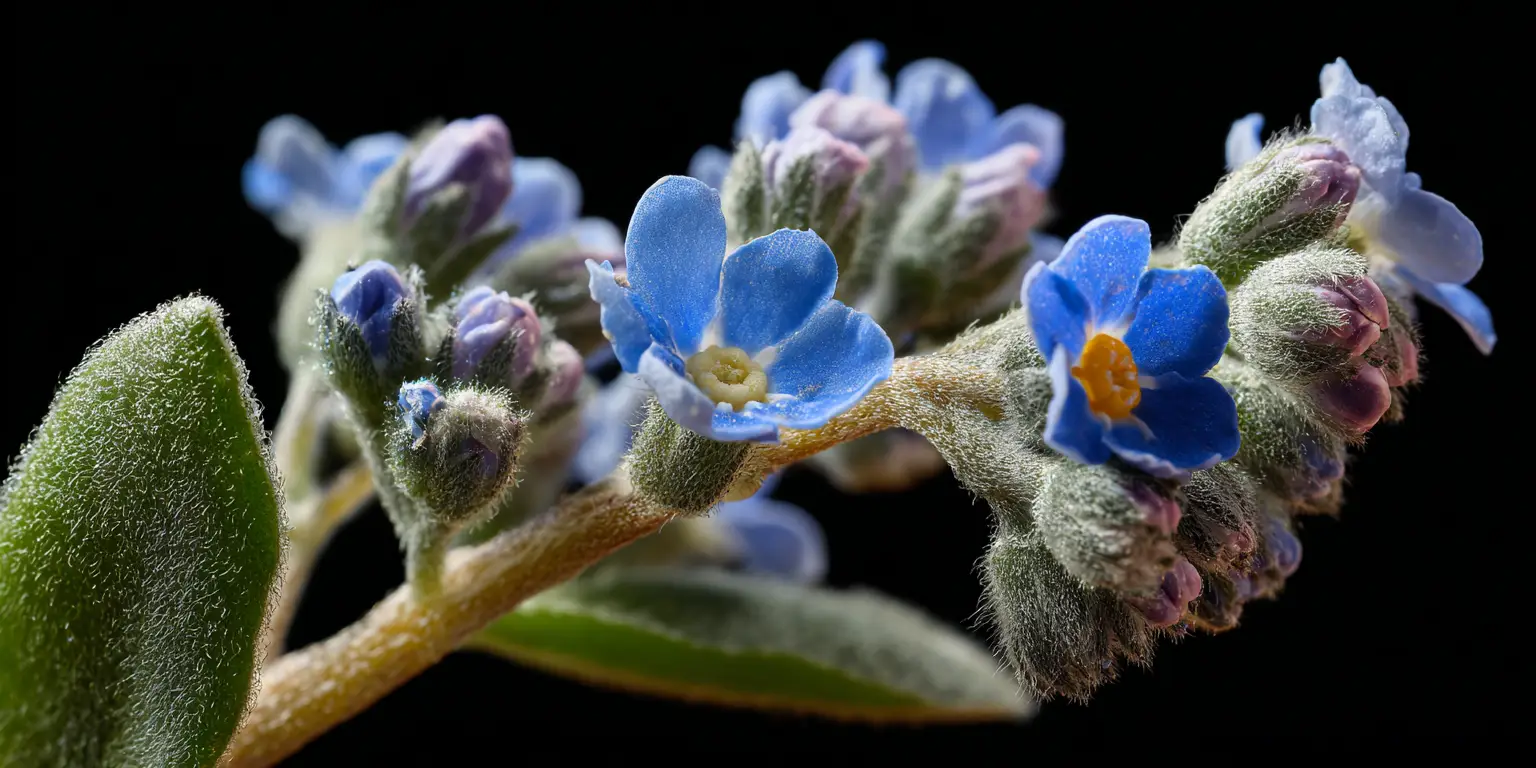
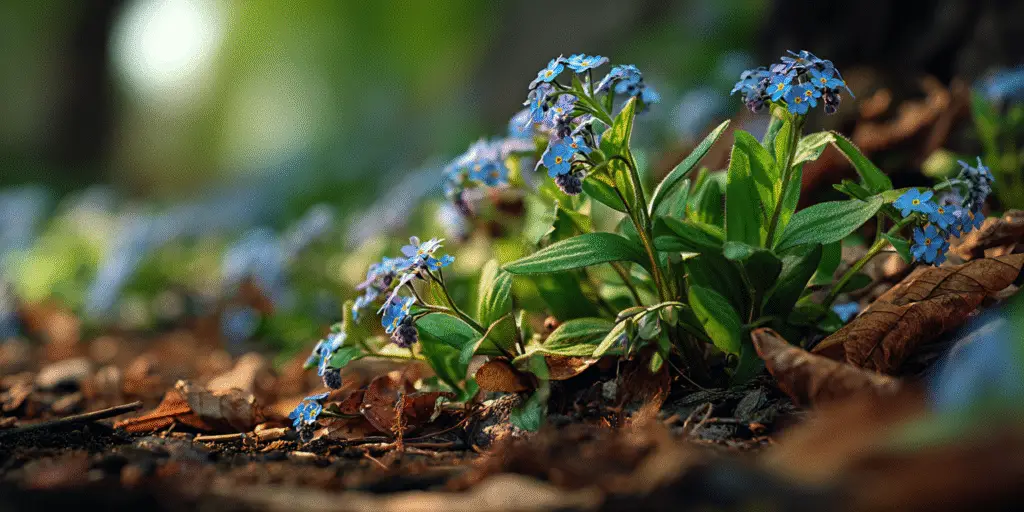
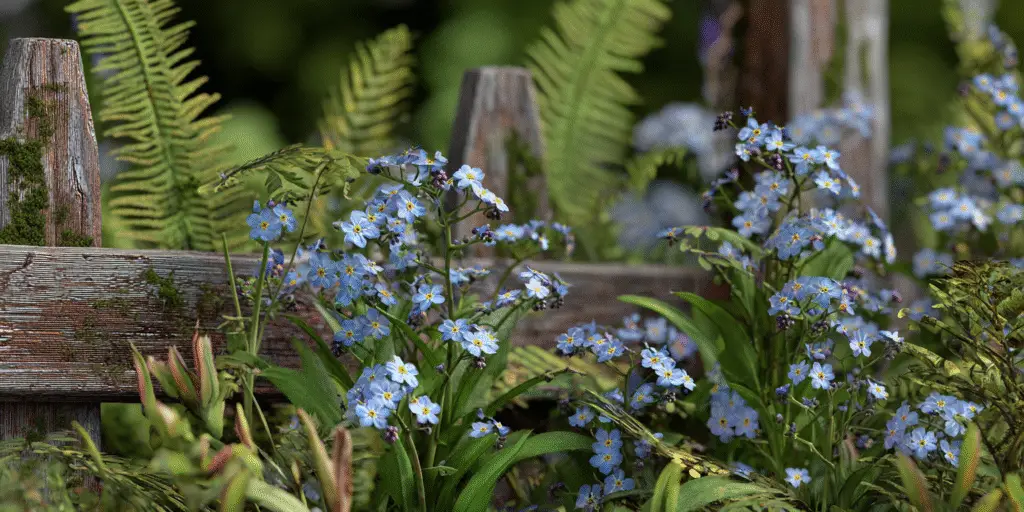
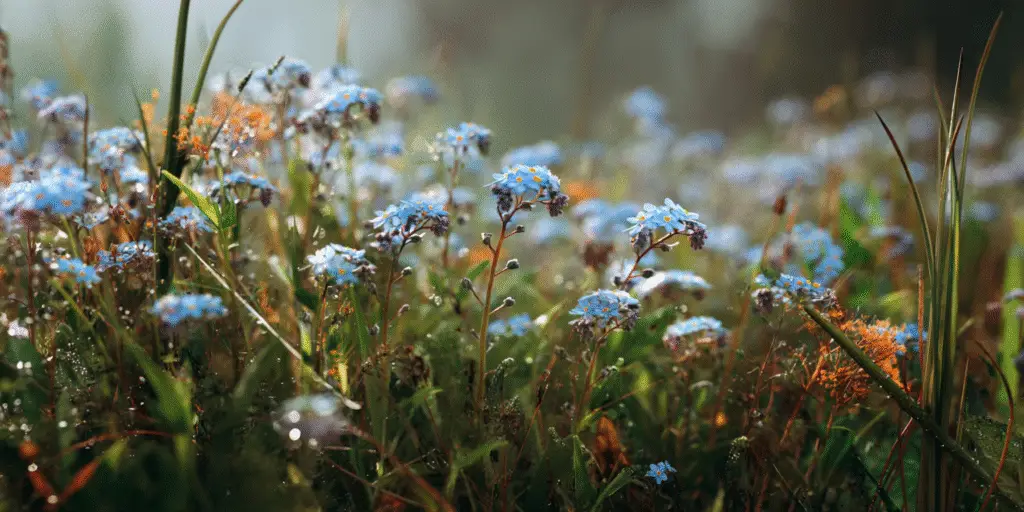
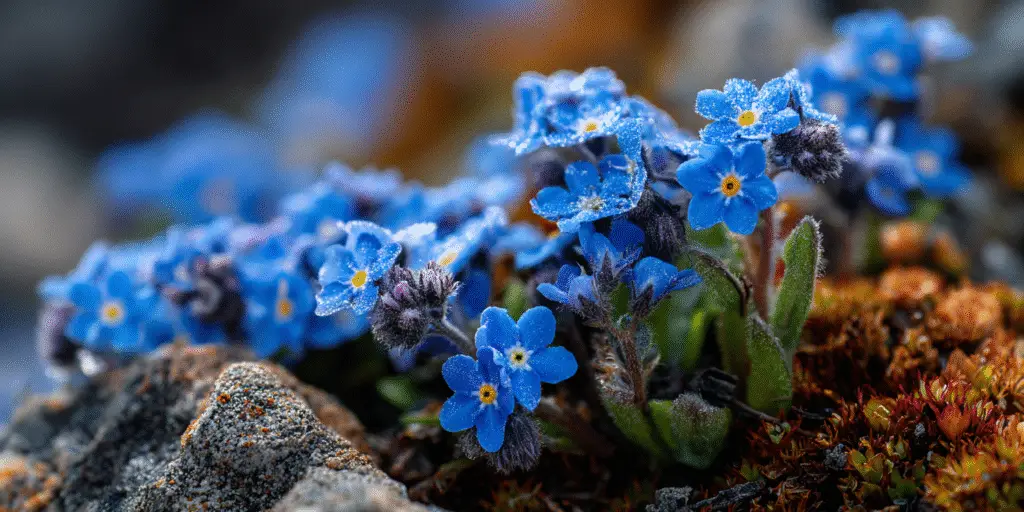
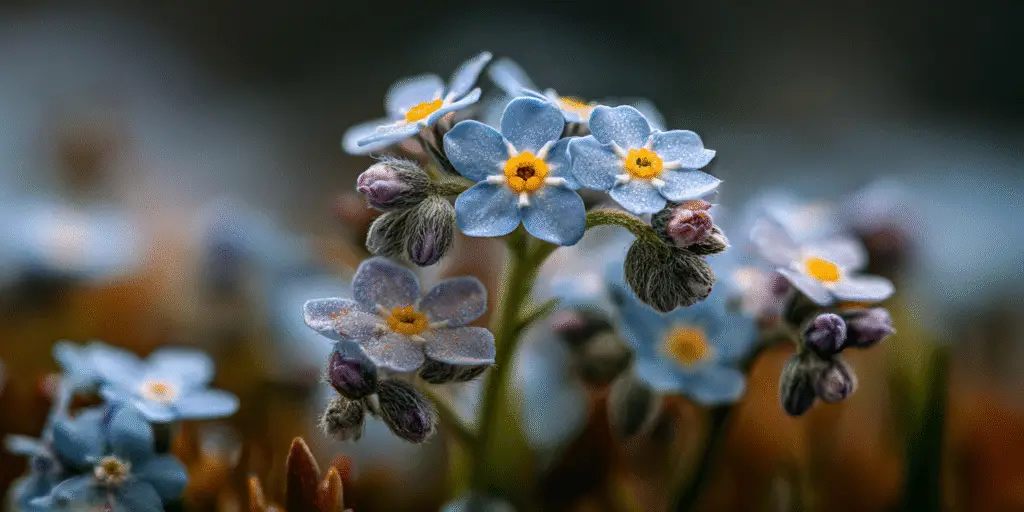
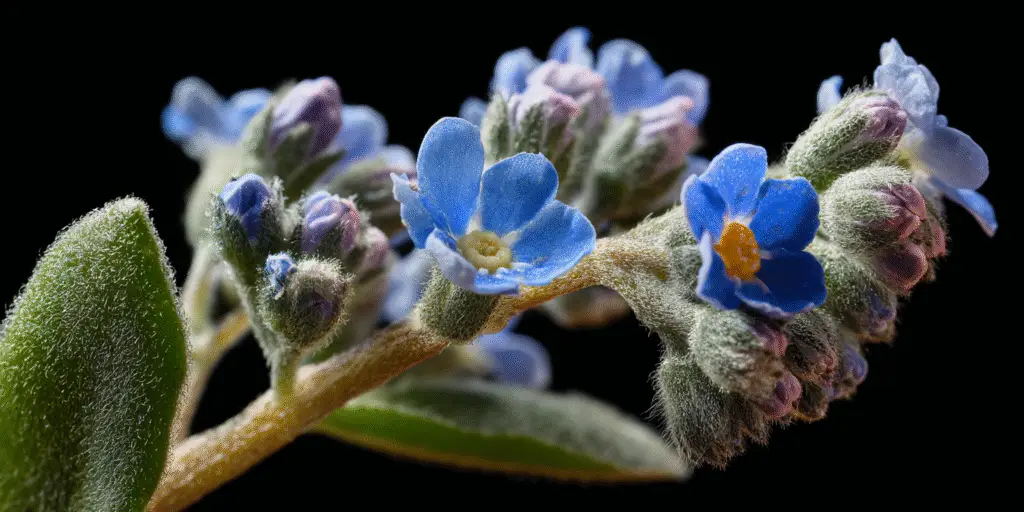
Chinese forget‑me‑not (Cynoglossum amabile) is a cool‑season annual or biennial often grown for sprays of clear blue flowers. It is not a true Myosotis, but a relative in the borage family. It performs best in spring and early summer and can be used as a light cut flower. Plants prefer sun with good drainage and even moisture. In hot summers bloom declines by late season.
At‑a‑glance
Group/Class: species; annual or biennial
Height × spread: 12 to 24 in × 8 to 12 in (30 to 60 cm × 20 to 30 cm)
Bloom window: late spring to first frost
Color & flower form: blue five‑petaled flowers in branched cymes; occasional pink or white forms
Fragrance: 0 none
USDA hardiness: grown as annual in most regions
Breeder / Year / Origin: unknown, unknown, China
Cut‑flower notes: good for cutting; slender stems; vase life varies by conditioning
Pet safety: avoid
How it differs
taller than most true forget‑me‑nots
better suited to cutting gardens
more sensitive to heat and humidity
contains pyrrolizidine alkaloids that are a problem for grazing animals
Strengths
long bloom from seed in one season
easy to grow and self‑seeds
useful blue for annual borders and bouquets
works in containers with regular water
Care in one minute
Grow in full sun to light shade with well‑drained soil.
Sow or plant in cool weather; provide regular water without waterlogging.
Do not over‑fertilize; excessive nitrogen reduces bloom.
Pinch once to encourage branching; deadhead to extend flowering.
Monitor for mildew and space plants for airflow.
Watch‑outs
powdery mildew can occur in crowded, humid sites
declines in prolonged heat
avoid where horses or livestock graze
Best uses (tags)
cutting, annual borders, containers, pollinators
Provenance note
Native from central Nepal to central China, Cynoglossum amabile is widely cultivated as an annual and may reseed.
Written by: Your Flowers Guide editorial team We are a small independent group of flower lovers who research and review each guide using trusted horticultural and educational sources. Learn more about us