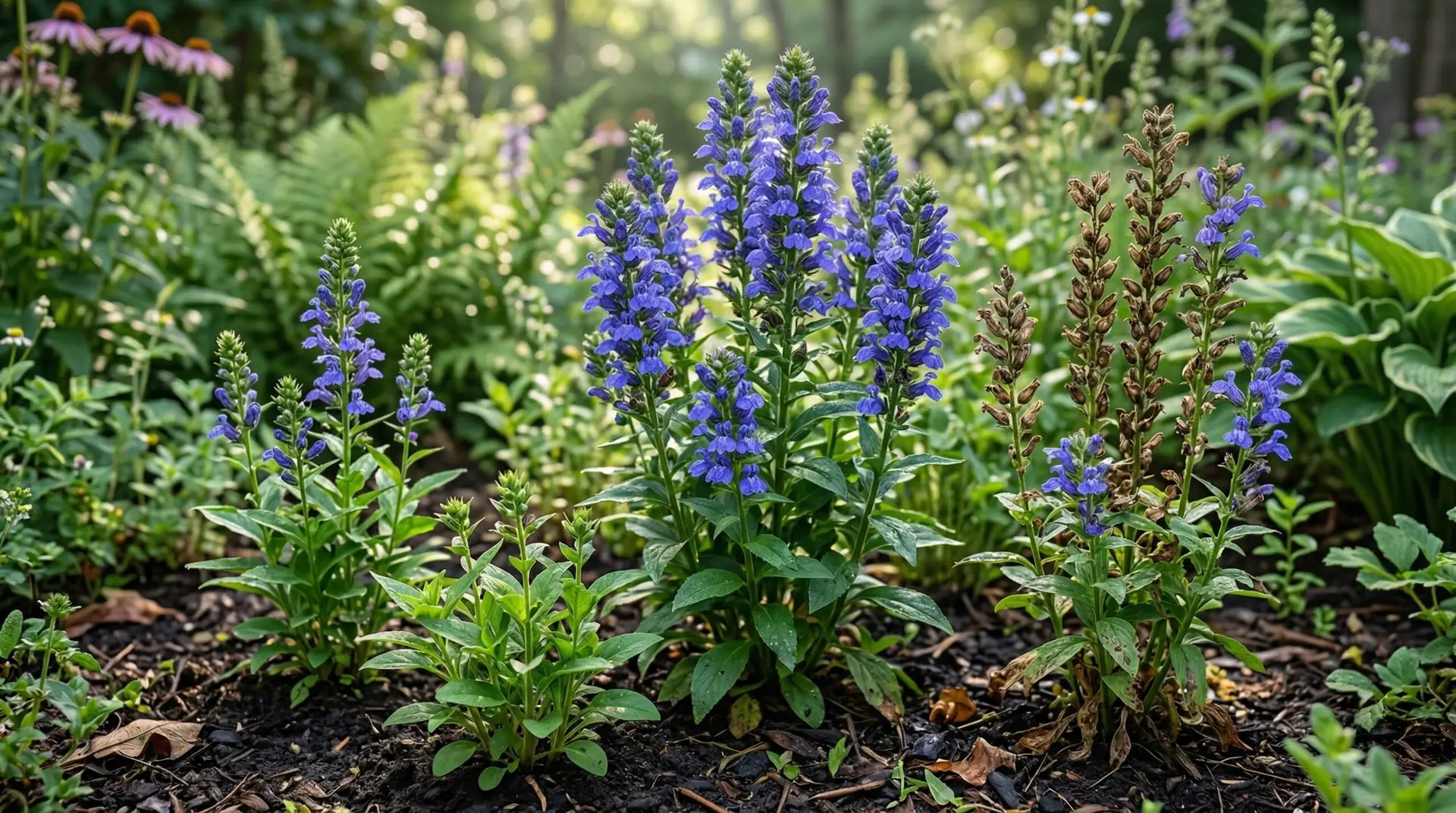
People often ask me why their great blue lobelia disappeared after just a few seasons in the ground. You plant it in a damp spot, it grows vigorously, and it produces tall spikes of blue flowers that attract every hummingbird in the neighborhood. Then, right around year three or four, the original plant just fails to return in the spring. Gardeners immediately assume they did something wrong, like overwatering, underwatering, or failing to fertilize. The truth is much simpler and often overlooked by plant tags at the nursery. Great blue lobelia is naturally a short-lived perennial, and expecting a single specimen to live for a decade will only set you up for disappointment. When you understand that this plant has a built-in expiration date, you can stop blaming yourself and start managing the plant the way nature intended.
Contents 4 sections
Understanding why great blue lobelia is short-lived
Let us look at what is actually happening when you see your established lobelia dying out after a few years. This plant belongs to a category of perennials that pour massive amounts of energy into producing flowers and seeds rather than building an extensive, long-lasting root system. By the time a great blue lobelia reaches its third year, the central crown has exhausted itself and begins to rot or turn woody. You will often see this same life cycle in other popular garden plants, and gardeners face similar frustrations trying to keep a lupine patch going permanently from a single planting. Another good comparison is delphinium elatum, which also tends to exhaust itself after putting on a massive floral display for a few consecutive summers. The original lobelia plant simply reaches the end of its biological lifespan, and no amount of fertilizer or careful watering will reverse that aging process. The plant expects to replace itself through reproduction rather than individual survival.
Creating the right conditions for lobelia self-seeding
Because the mother plant will eventually die, your strategy must shift from preserving one plant to cultivating a continuous colony. The most effective way to keep great blue lobelia in your garden indefinitely is to encourage lobelia self-seeding. To make this happen, you have to break a few common gardening habits, starting with your deadheading routine. If you meticulously cut off every spent flower stalk to make the garden look tidy, you are throwing away the next generation of plants. You need to leave the late-season flower stalks standing through the fall so the seed pods can mature, dry, and crack open to release their tiny seeds. The second major hurdle for self-seeding is thick wood mulch. Lobelia seeds are incredibly small and require direct contact with bare, moist soil to germinate successfully. If you have a thick layer of bark mulch surrounding your plants, the seeds will never reach the soil and will simply rot on top of the wood chips. You must maintain a mulch-free zone of bare earth around the base of your lobelia plants to give the dropping seeds a place to take hold.
Extending plant life through spring division
While relying on seeds is the easiest approach, you can actually reset the biological clock of an aging great blue lobelia through careful division. When a plant reaches its second or third spring, you will usually notice that the center of the crown looks dead, but several small, leafy rosettes are growing around the outer edges. If left alone, those outer rosettes will struggle to compete with the decaying center and will eventually succumb to rot. You can intervene by digging up the entire root mass as soon as the soil is workable in early spring. Gently pull the clump apart, discard the dead, woody center completely, and separate the healthy outer rosettes into individual plants. Replant these vigorous young offsets immediately in moist soil, making sure the crown sits exactly at the soil surface. This process tricks the plant into starting over, giving you another two or three years of strong growth from those specific genetics. You have to make this division a regular chore every couple of years if you want to maintain specific cultivars that do not grow true from seed.
Managing your shifting lobelia colony
Once you establish a healthy cycle of self-seeding and occasional division, you will notice that your great blue lobelia patch refuses to stay in one exact spot. The plants will slowly march around your garden beds, popping up wherever the seeds find the right combination of moisture and light. You might find seedlings growing in the damp cracks between stepping stones or at the very edge of a downspout runoff area. Instead of fighting this migration, you can easily dig up these shallow-rooted seedlings in the spring when they are a few inches tall and move them back to your preferred planting area. Keep the soil consistently moist for a few weeks after transplanting these young volunteers, as they are very sensitive to drying out while their roots establish. The most useful piece of advice I give anyone planting great blue lobelia is to treat it like a slow-moving biennial rather than a permanent shrub. Let the garden be a little messy in the fall, leave some bare dirt around the plants, and trust the seeds to do the hard work of keeping the colony alive for you.
More About Great Blue Lobelia
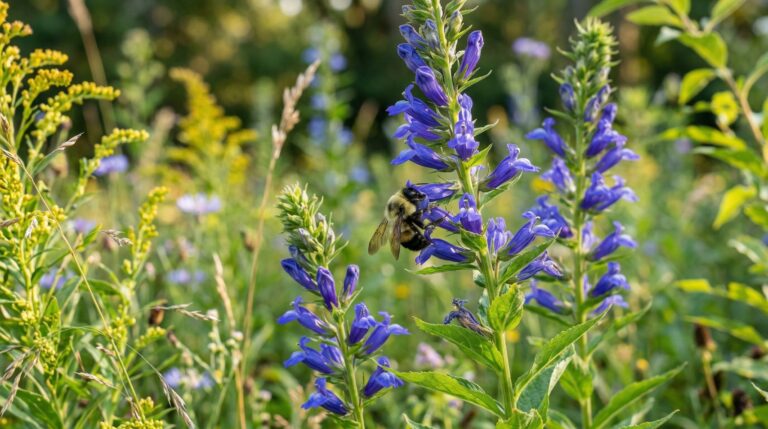
Great blue lobelia for hummingbird and pollinator gardens in late summer
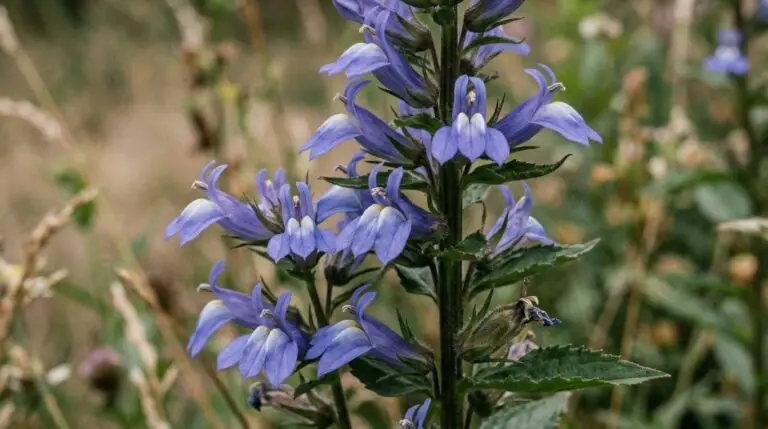
The medicinal history of lobelia siphilitica and how it got its unusual name
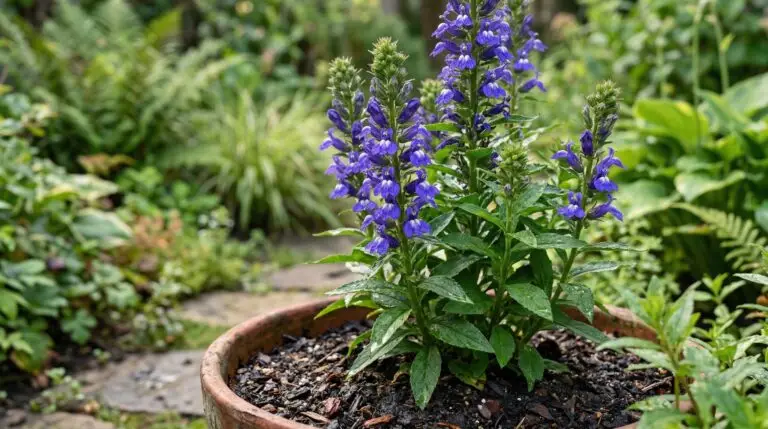
Growing great blue lobelia in containers for a native plant patio garden
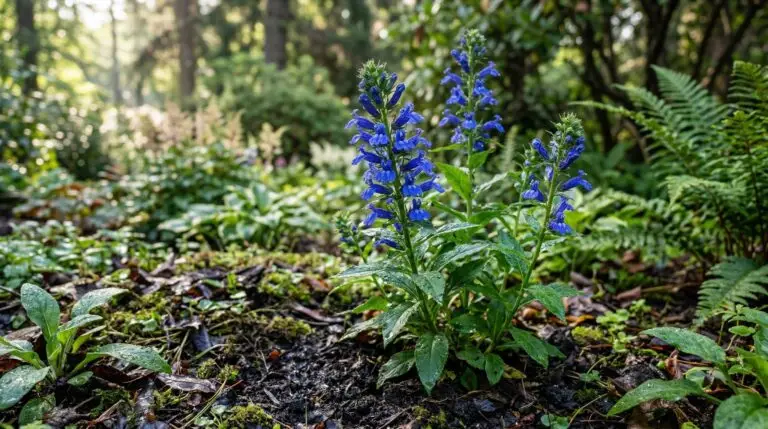
How to grow great blue lobelia for tall sapphire spikes in moist garden borders
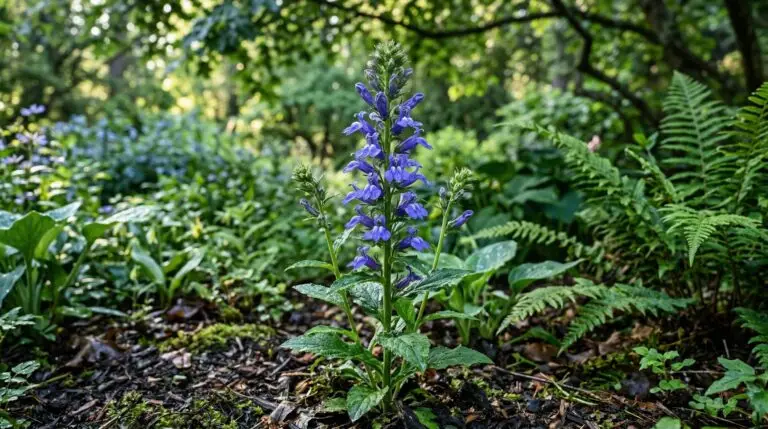
Great blue lobelia in shady wet gardens where most blue flowers refuse to grow

Great blue lobelia as a native plant for rain gardens and wet problem areas

Growing great blue lobelia from seed and the cold treatment they need to germinate
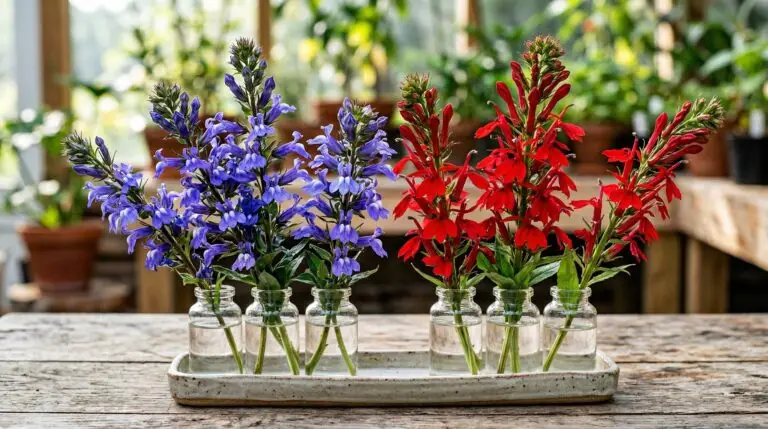
Great blue lobelia versus cardinal flower and choosing the right lobelia for your garden
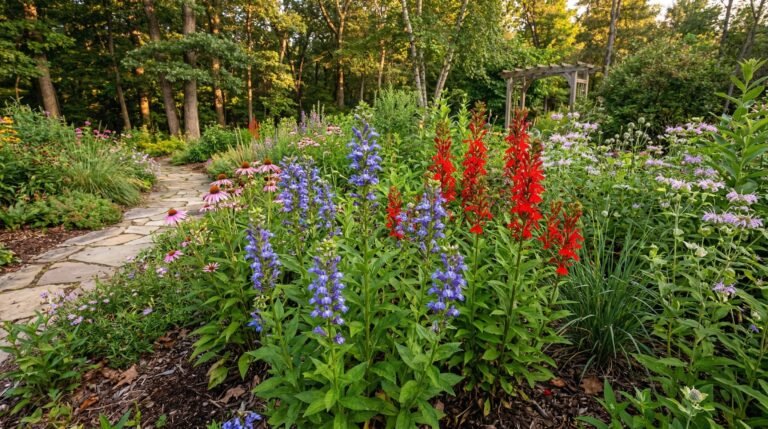
Great blue lobelia companion plants: what to grow and avoid
Enjoying our flower guides? Add YourFlowersGuide as a preferred source on Google. It helps more readers find us.
Add to Preferred Sources