The pairing · pick a flower
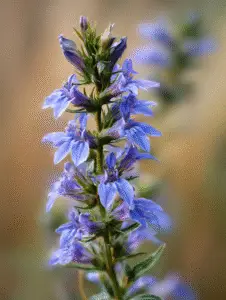 Great blue lobelia+
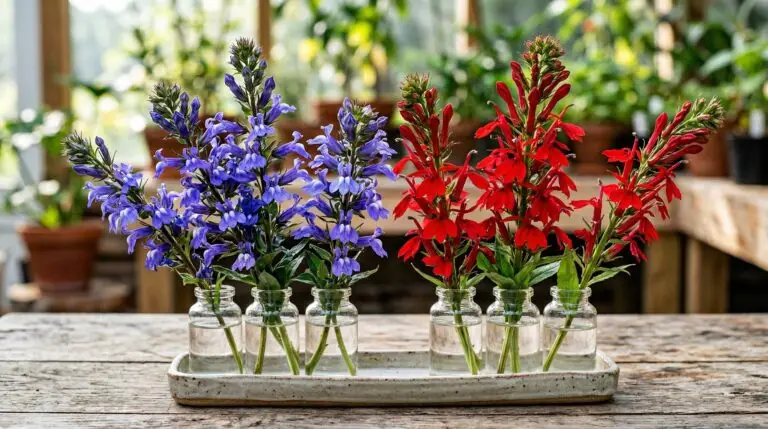
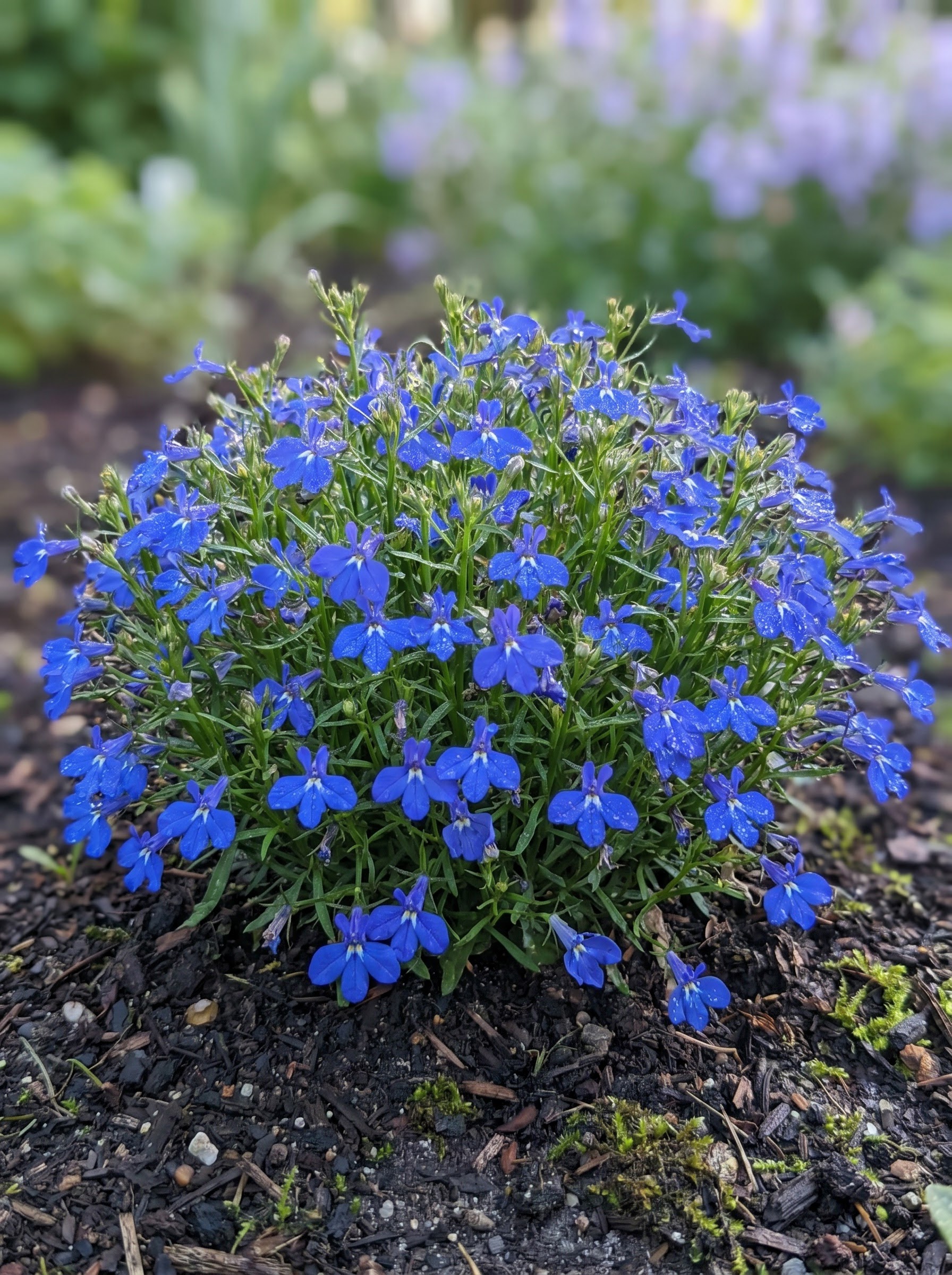 Cardinal flowerProven
Its own genus-mate wants the identical wet, part-sun ground and the same July-to-fall window, and NC State's own plant profile names cardinal flower as one of the closest ecological matches for great blue lobelia.
Great blue lobelia+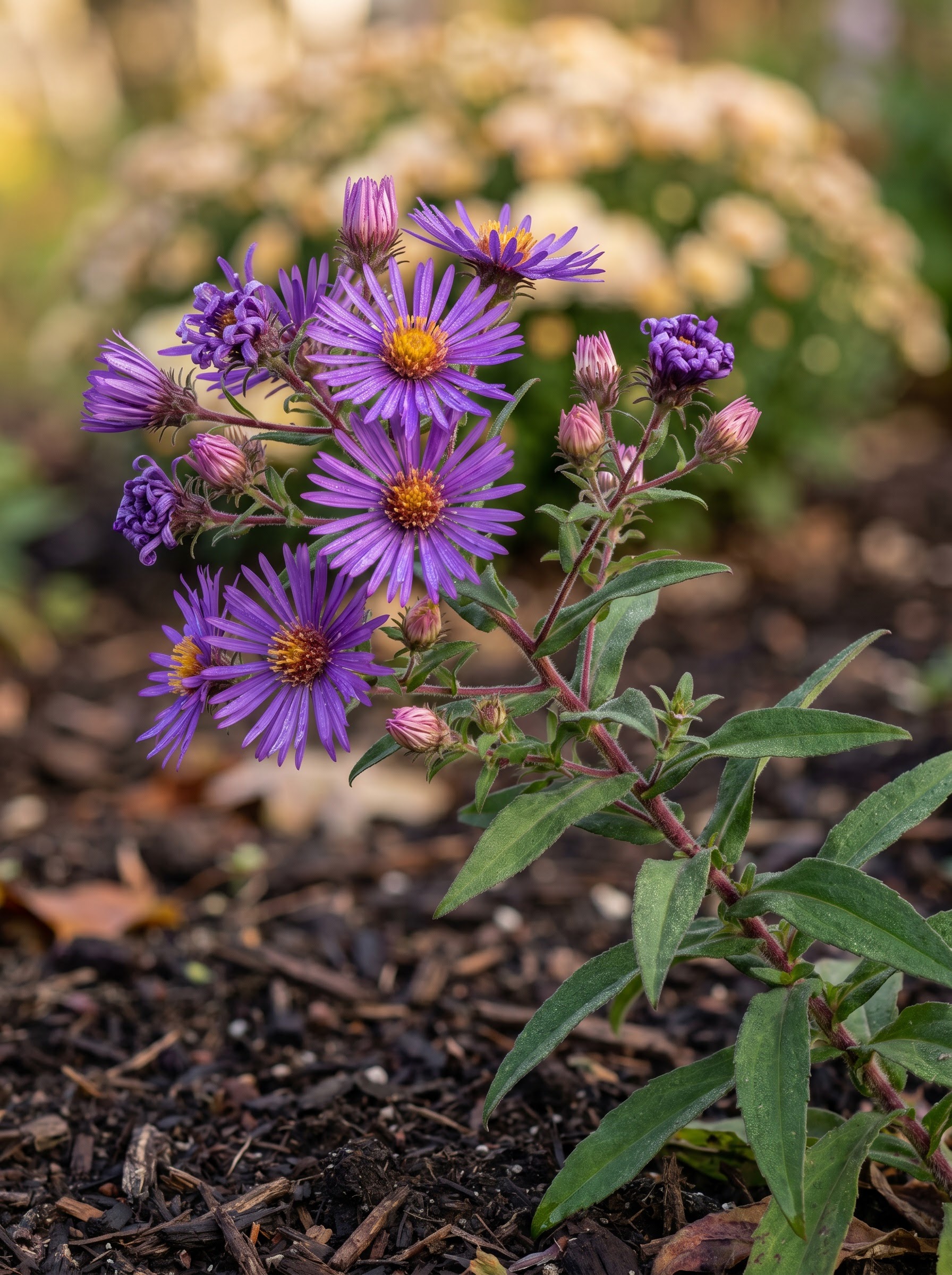 New EnglandProven
NC State's own lobelia profile lists this aster as one of the plants that fills the same ecological niche, and its August-to-October bloom carries the bed after lobelia starts to fade.
Great blue lobelia+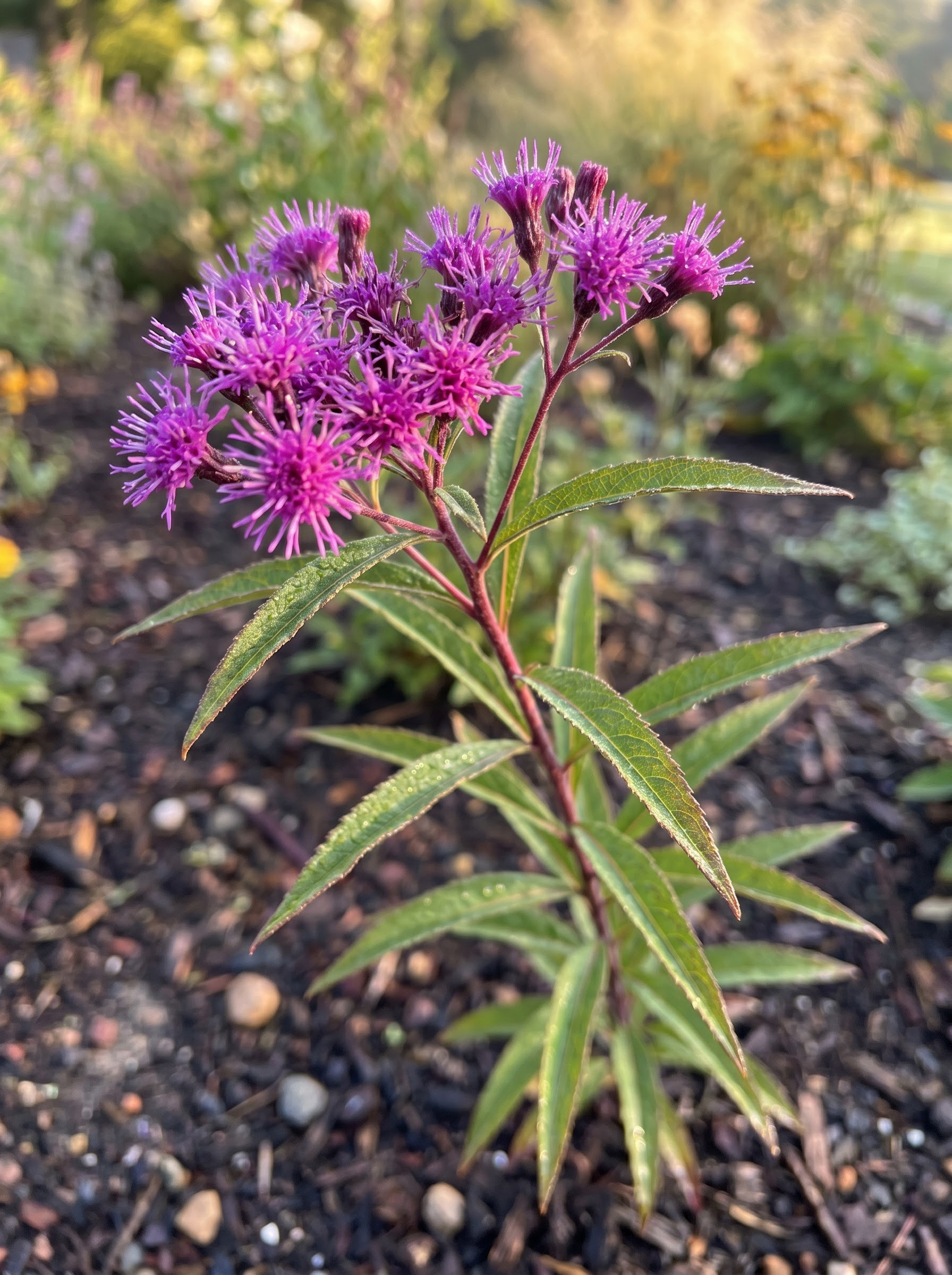 IronweedProven
Also named directly on lobelia's own extension profile as a comparable wet-meadow plant, ironweed's magenta clusters give lobelia's blue the tall backdrop it lacks on its own.
Great blue lobelia+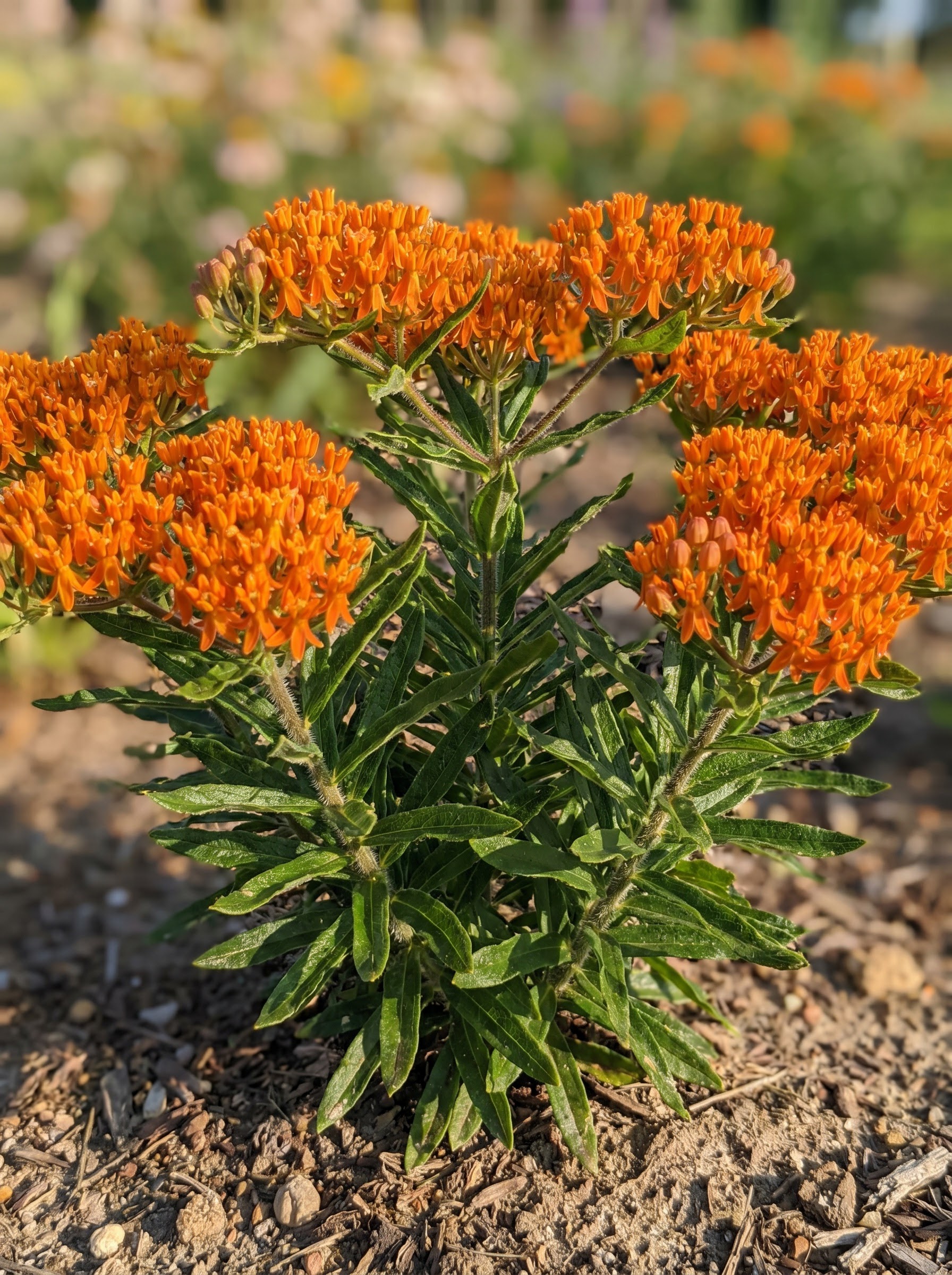 Swamp milkweedProven
A confirmed wet-soil, full-sun-to-part-shade native with the same July bloom window, and the one monarch host plant on this list, so it pulls in a different pollinator crowd than lobelia's bumblebees.
Great blue lobelia+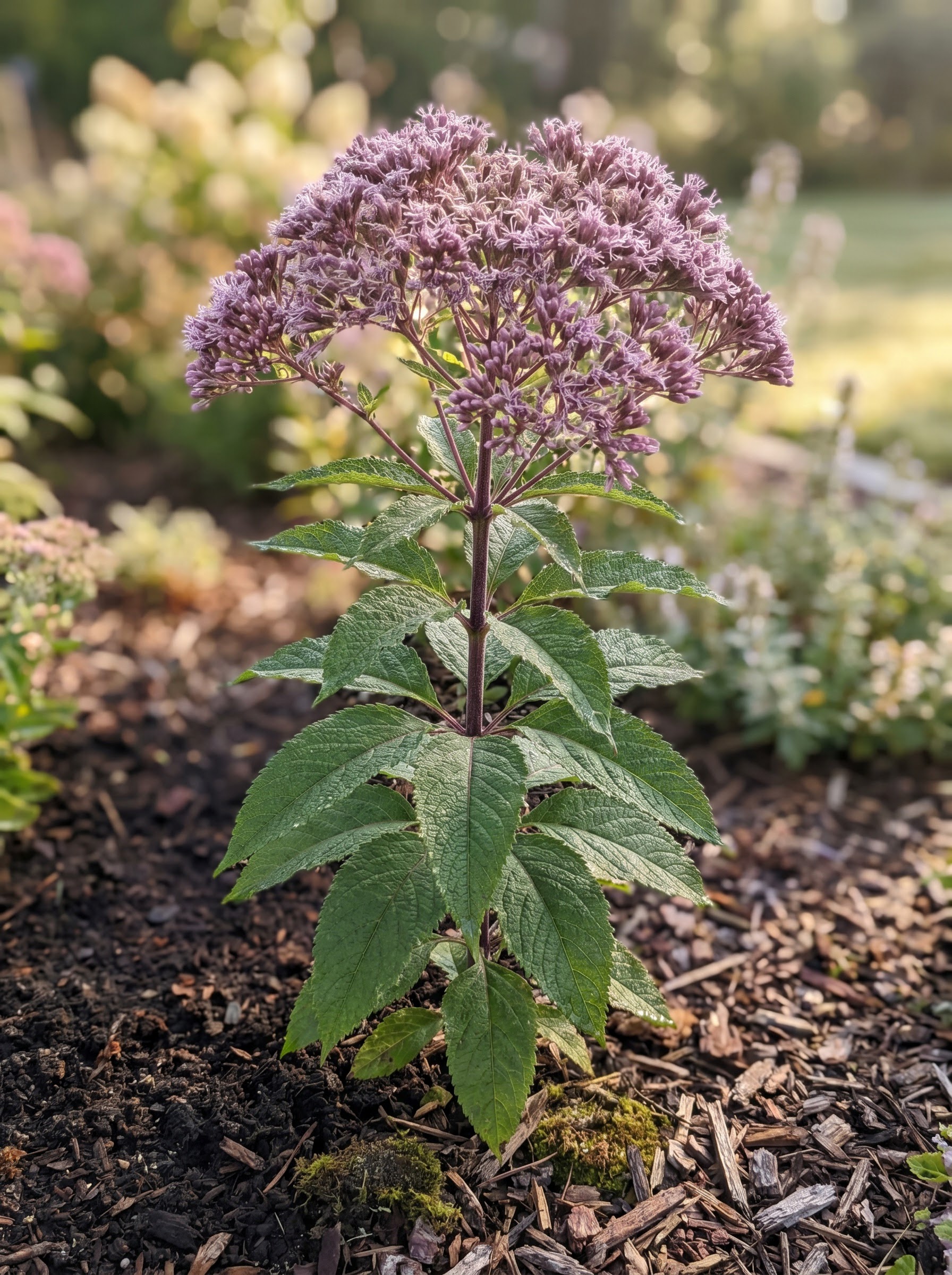 Joe PyeProven
A confirmed damp-to-wet, full-sun-to-part-shade native that gives lobelia the tall vanilla-scented backdrop it needs, since lobelia's own narrow spike provides little structure alone.
Great blue lobelia+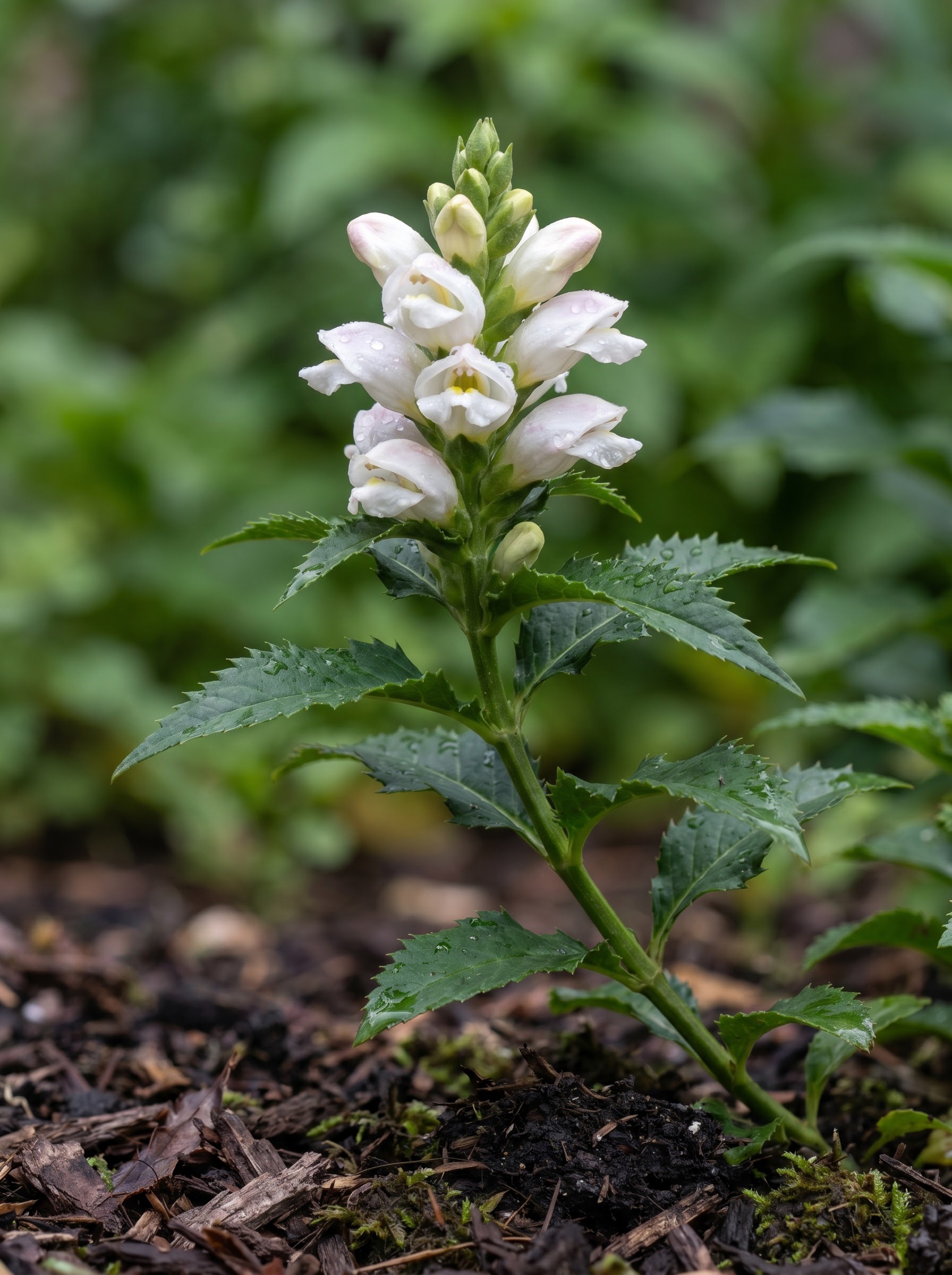 White turtleheadProven
A confirmed wet-to-moist, part-sun native whose hooded white flowers rely on bumblebees among its main pollinators, the same specialist pollination story that makes lobelia distinctive.
Great blue lobelia+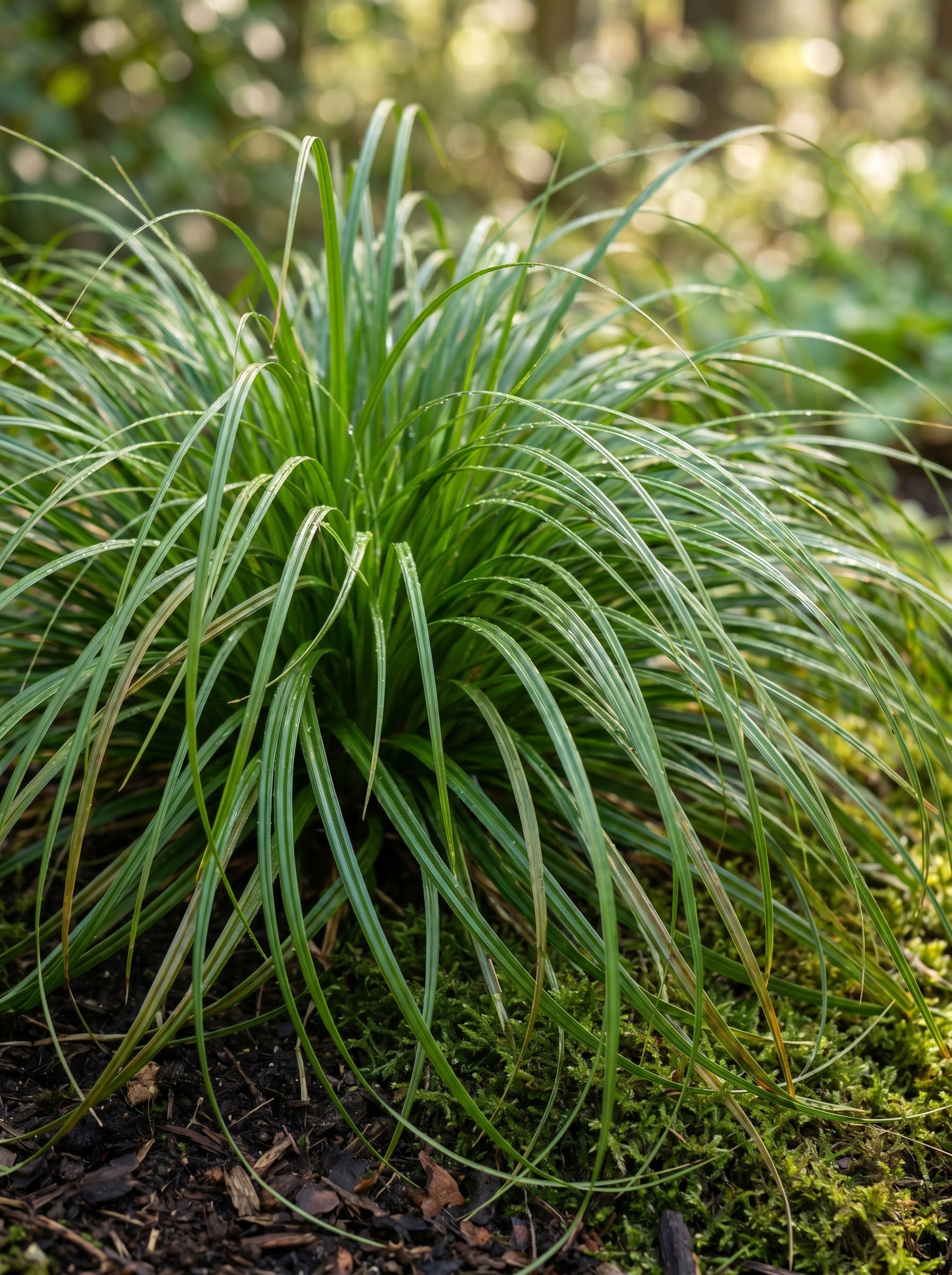 SedgesPartial
Fine-bladed sedges thrive in the same wet, part-shade niche and fill in around lobelia's narrow base, which otherwise leaves bare soil since the plant offers no groundcover of its own.
Great blue lobelia+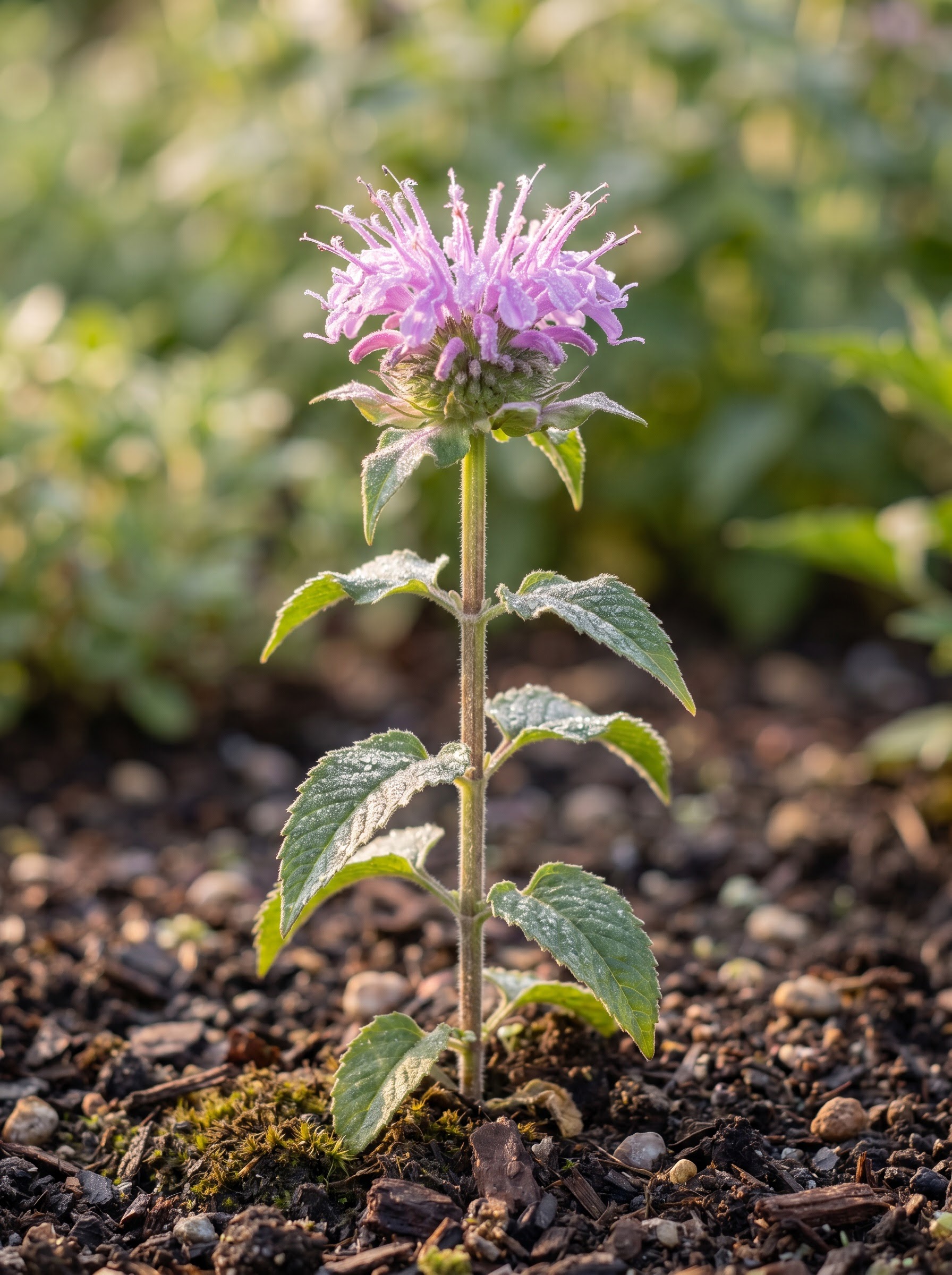 Bee balmPartial
Wild bergamot wants full sun and moderately moist, well-drained soil, drier than lobelia's preferred wet feet, so it works best on the slightly higher, less saturated edge of the same bed.
Great blue lobelia+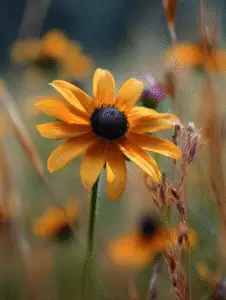 Black-eyed SusanPartial
The classic blue-against-gold pairing, but NC State's own profile says it wants any soil except soggy, the opposite of lobelia's wet feet, so keep it at the drier edge rather than the wettest low point.
All Great blue lobelia companions
9 flower companions, best match first
What not to plant near Great blue lobelia
Most bad neighbours are not evil, they just want the opposite light, water or root run. Here is what to keep away, and what to do instead.
Full-sun, dry-soil perennials (sedum, yarrow, lavender, most ornamental grasses)
These are documented to rot from root and stem rot in poorly drained, consistently wet soil, exactly the ground lobelia needs; keeping the bed wet enough for lobelia will kill them, and drying it out for them will stunt the lobelia.
Coneflower (Echinacea purpurea) in the wettest part of the bed
Coneflower wants evenly moist, well-drained soil and is drought-tolerant once established, the near opposite of lobelia's wet feet, so pairing it with lobelia in a genuinely soggy spot works against what coneflower needs even though older design roundups list the two together.
Mint
Utah State University Extension warns that mint spreads quickly in open garden ground and will out-compete most garden plants once established, and it is very hard to eradicate afterward; it will run straight into lobelia's rich, moist root zone and win that competition.
Fennel
Some listicles claim fennel's root chemistry suppresses nearby seedlings, but Ask Extension's own answer on fennel allelopathy says there is not enough research to call it truly allelopathic, and no source ties this specifically to lobelia.
Dense shade from large shrubs or a heavy tree canopy
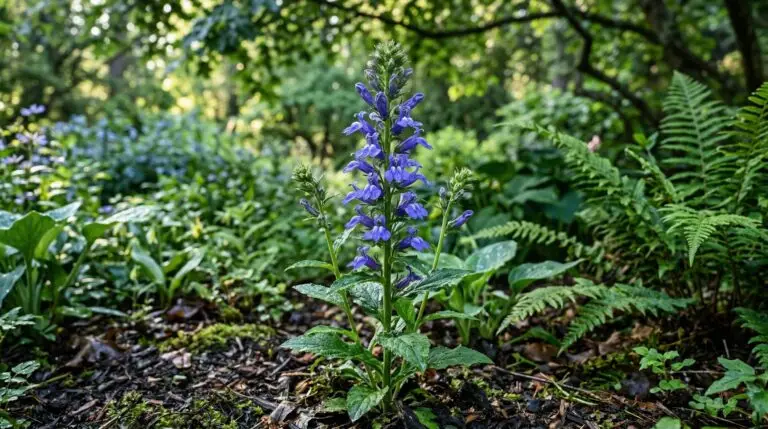
Lobelia's own extension profile lists partial sun to dappled sunlight as its light range, with full sun tolerated only when soil stays consistently moist, so pairing it directly under a dense-canopy shrub with no light gap sits well outside the conditions it is documented to want.
The best companions for great blue lobelia, explained
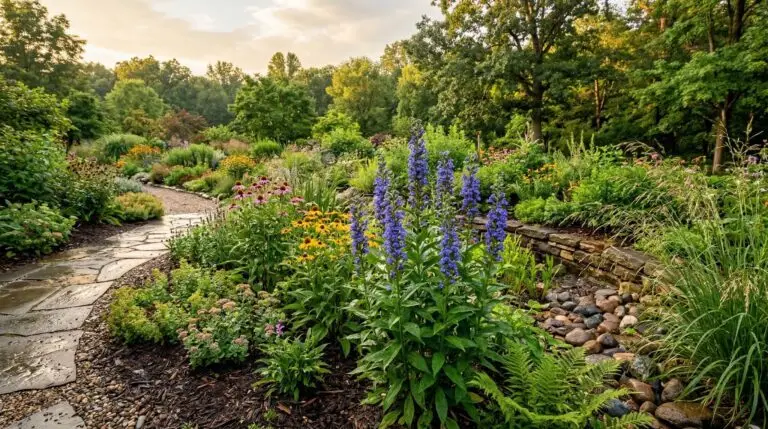
Great blue lobelia is not a flower you slot into an ordinary flower bed and hope for the best. It comes from wet meadows, stream edges and pond margins, and the companions that actually work for it are the same wet-meadow community it grows alongside in the wild, the kind of siting logic that matters just as much for a moisture-hungry flower like hydrangea macrophylla. NC State Extension’s own plant profile for great blue lobelia names cardinal flower, New England aster and ironweed as the closest ecological matches, and that single fact does more honest work than most companion lists manage: it tells you plainly that the right partners here are other plants built for soggy ground, not a generic pretty-together list borrowed from a drier border. Cardinal flower is the standout, sharing lobelia’s genus, its wet part-sun habitat and its midsummer-to-fall bloom window, and the two are close enough botanically that garden centers sell them as a matched pair. Ironweed and Joe Pye weed solve a different problem: lobelia’s narrow upright spike gives a bed almost no structure on its own, so these two supply the tall, late-summer backdrop that makes a wet border read as designed rather than scattered. Swamp milkweed and white turtlehead round out the true wet-soil group, both confirmed on their own extension profiles as sharing lobelia’s moisture range, and both add something lobelia does not: swamp milkweed is a monarch host plant, and turtlehead draws the same bumblebees that lobelia depends on to move its own pollen. Sedges fill the gap lobelia leaves at ground level, since the plant is a see-through vertical spike with no groundcover value of its own. Black-eyed Susan and bee balm both work, but only with an honest caveat: neither wants soil as wet as lobelia does, so they belong on the slightly drier, better-drained edge of the same bed rather than the lowest, soggiest point, where their gold and lavender genuinely earn their place against lobelia’s rare true blue.
What not to plant near great blue lobelia
The real danger here is a straightforward conditions mismatch rather than toxicity or one plant attacking another, and it cuts both ways. Sedum, yarrow, lavender and most ornamental grasses are drought-adapted plants with roots built to shed water, and they develop root and stem rot in soil kept as wet as lobelia needs; keep the bed damp enough for the lobelia and you will lose these plants, dry it out for them and the lobelia stalls. This is the cleanest, most teachable avoid rule for this flower, and it is the mirror image of the sun-lover’s usual complaint: instead of a shade plant baking in full sun, this is a dry-soil plant drowning in a wet one. Coneflower deserves a direct, honest correction here, because older design roundups (including the previous version of this page) list it as a companion for its winter seed heads, and that recommendation only half holds up. Clemson Cooperative Extension describes coneflower as wanting evenly moist, well-drained soil and drought tolerance once established, the near opposite of what lobelia wants. The design instinct behind including coneflower is not wrong, tall seed heads do extend a bed’s interest into winter, but the plant is wrong for a genuinely soggy spot. Ironweed and Joe Pye weed deliver the same tall, late-season seed-head structure without the drainage conflict, and that is the honest swap. Mint is a different kind of problem: Utah State University Extension warns that it spreads quickly in open garden ground, out-competes most garden plants once established, and is very hard to eradicate afterward, so it will run directly into lobelia’s rich, moist root zone and win that fight, a straightforward aggressive-spreader issue rather than anything chemical. Fennel shows up on some companion-planting sites as an allelopathic threat to lobelia specifically, but that claim does not survive a real check. Ask Extension’s own answer on fennel allelopathy states plainly that there is not enough research to call the plant truly allelopathic in general, and no source ties any effect to lobelia in particular, so this belongs in the folklore pile until someone actually documents it. The last avoid is really a siting note: lobelia’s own extension profile lists its light range as partial sun through dappled sunlight, with full sun tolerated only in consistently moist soil, so deep shade under a dense canopy with no light gap sits outside the conditions it is documented to want, and the safer call is to give it at least a few hours of direct or dappled light even in a shadier bed.
Do they like the same conditions?
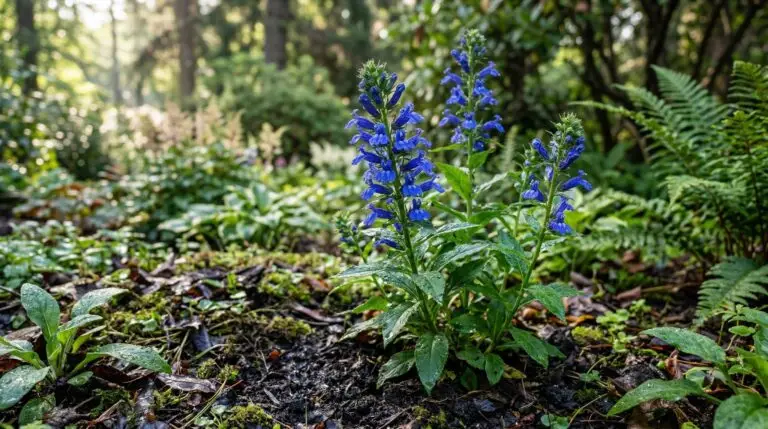
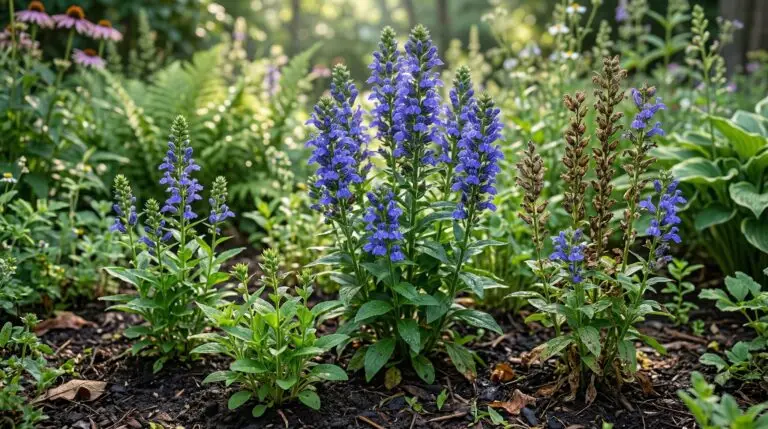
Great blue lobelia’s growing profile is narrower and wetter than most plants you would consider for a mixed border, and stating it plainly here is what keeps the pairings above honest rather than decorative. Light: partial sun to light shade is the sweet spot, and full sun is genuinely tolerated, but only when the soil stays consistently moist, a real conditional NC State Extension states outright rather than a vague "sun to part shade" hedge. Water is the defining variable: this plant wants wet to consistently moist soil, occurring naturally in wet meadows, stream edges and pond margins, and it does not carry a drought the way many so-called moisture-loving perennials quietly do. Soil pH is not a strong constraint for this flower; the controlling factor is moisture and organic richness, not acidity, which frees you to focus on drainage and water retention rather than chasing a pH number. Soil texture wants to be fertile, loamy and humus-rich, the profile of an actual wet meadow rather than lean or sandy ground. USDA hardiness zone 4a through 9b is wide and forgiving, so zone is rarely what limits this plant; siting for moisture and light is what determines whether it thrives. One honesty note worth stating plainly: great blue lobelia is short-lived as an individual plant, commonly persisting only a few years before it phases out, and the way you keep it in a garden long-term is by letting it self-seed and dividing the clumps it forms, not by treating any single plant as permanent. That reframes companion planting slightly, since the job of nearby plants is partly to look good around lobelia seedlings filling back in, not just around a fixed, unchanging specimen.
How to plant them together
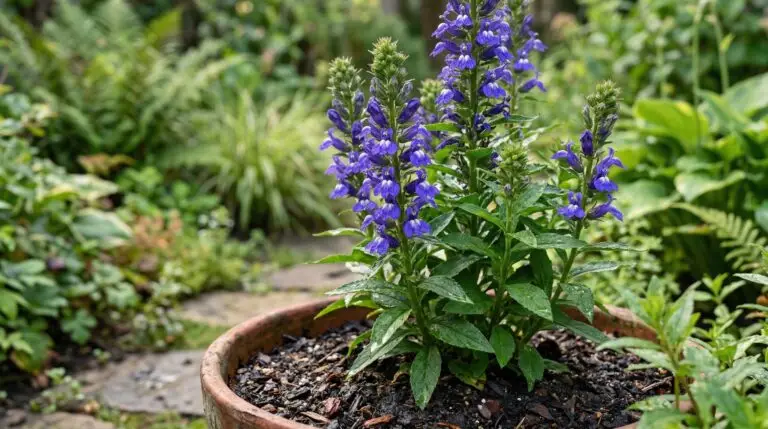
Start with the wettest, lowest part of the bed for lobelia itself and its closest matches, cardinal flower, swamp milkweed and turtlehead, spacing each 12 to 24 inches from the lobelia depending on the companion’s mature spread, since none of these plants are aggressive enough to need more room than that for airflow. Put ironweed and Joe Pye weed further back, 24 to 36 inches behind the front planting, because both grow tall enough, 5 to 8 feet for ironweed and 4 to 8 feet for Joe Pye weed, that crowding them against the lobelia’s crown would shade it out rather than simply backdrop it. Tuck sedges in at 8 to 12 inches from the lobelia’s base to cover the bare ground the spike leaves behind; they stay low and never compete for light. If you want black-eyed Susan or bee balm in the same bed, place them on a slightly raised or better-drained pocket rather than the lowest wet point, roughly 18 to 24 inches away, so their roots are not sitting in standing water while everything else around them thrives on it. In containers, great blue lobelia works best in a large pot with a saucer kept filled, paired with sedges or a single swamp milkweed rather than a mixed planting, since pots dry out faster than garden soil and a crowded container amplifies that risk for a plant this dependent on consistent moisture. Whatever the layout, leave a few inches of open, undisturbed soil somewhere near the mature plants each year, since that is where self-sown seedlings will need room to establish and eventually replace the parent plants as they age out.
Does companion planting actually work for great blue lobelia?
It splits cleanly by claim. The wet-meadow community pairing, cardinal flower, aster, ironweed, swamp milkweed, Joe Pye weed and turtlehead, is genuinely proven, not by a study measuring one plant’s effect on another, but by matching, sourced growing conditions and, for three of these six, by lobelia’s own NC State Extension profile naming them directly as ecological analogs. That is about as strong as companion-planting evidence gets for an ornamental pairing: documented habitat overlap, not folklore dressed up as science. The pollinator story is real too and distinctive to this flower specifically. NC State Extension confirms that nectar and pollen here attract primarily bumblebees and other long-tongued bees, and the flower’s structure backs that up: the lower lip forms a landing platform that only a bee with real weight and strength can depress, which is why smaller insects mostly bounce off it while bumblebees push through to the nectar. Pairing it with plants that diversify the pollinator guild, swamp milkweed for monarchs, turtlehead for its own bumblebee specialists, genuinely broadens what the bed supports rather than just repeating lobelia’s own draw. Where the evidence gets thinner is anything framed as active repellence or chemical protection: no source claims a companion actively protects lobelia from pests or disease, and the fennel allelopathy claim circulating on some sites fails the most basic check, since even Ask Extension will not call fennel reliably allelopathic in general use, let alone against this specific plant. And the black walnut question deserves an honest, qualified yes: Penn State Extension’s own list of juglone-tolerant plants includes the genus Lobelia among plants safe to grow near black walnut trees, which is real .edu-sourced evidence, though it names the genus rather than Lobelia siphilitica by species, so treat it as a solid partial answer rather than a guarantee.
Frequently asked questions
What can I plant in front of great blue lobelia?
Sedges are the best low front planting, since they share lobelia’s wet, part-shade preference and fill the bare ground its narrow spike leaves behind without competing for light.
What should you not plant near great blue lobelia?
Avoid full-sun, well-drained perennials like sedum, yarrow, lavender and most ornamental grasses; they rot in the consistently wet soil lobelia needs, and a bed dry enough to suit them will stunt the lobelia.
Does great blue lobelia need a partner to get pollinated?
No, it does not need another plant nearby to set seed, but it does depend on a specific pollinator: long-tongued bumblebees are its primary pollinators, and few other insects have the strength and reach to open its flower.
Is great blue lobelia a perennial, or does it die out after a year or two?
It is a true perennial but a short-lived one, commonly persisting only a few years as an individual plant; it survives long-term as a colony through self-seeding and division rather than as one unchanging specimen.
Can I plant great blue lobelia near a black walnut tree?
Likely yes. Penn State Extension lists the Lobelia genus among juglone-tolerant plants safe near black walnut, though that source names the genus rather than this exact species, so treat it as a reasonably strong answer rather than an absolute guarantee.
Is coneflower a good companion for great blue lobelia?
Only in a drier part of the same bed. Coneflower wants evenly moist, well-drained soil and is drought-tolerant once established, the opposite of lobelia’s wet feet, so save your winter seed-head interest for ironweed or Joe Pye weed in the actual soggy spot.
Sources
- Lobelia siphilitica (Blue Cardinal Flower, Great Blue Lobelia), NC State Extension Gardener Plant Toolbox
- Symphyotrichum novae-angliae (New England Aster), NC State Extension Gardener Plant Toolbox
- Vernonia noveboracensis (Ironweed), NC State Extension Gardener Plant Toolbox
- Asclepias incarnata (Swamp Milkweed), NC State Extension Gardener Plant Toolbox
- Eutrochium fistulosum (Hollow Joe Pye Weed), NC State Extension Gardener Plant Toolbox
- Chelone glabra (White Turtlehead), NC State Extension Gardener Plant Toolbox
- Rudbeckia fulgida (Black-eyed Susan), NC State Extension Gardener Plant Toolbox
- Echinacea purpurea (Coneflower), NC State Extension Gardener Plant Toolbox
- Monarda fistulosa (Wild Bergamot), NC State Extension Gardener Plant Toolbox
- Landscaping and gardening around walnuts and other juglone-producing plants, Penn State Extension
More About Great Blue Lobelia
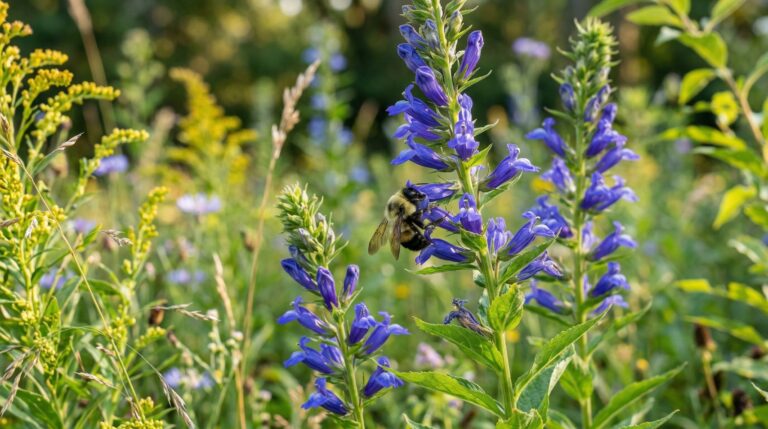
Great blue lobelia for hummingbird and pollinator gardens in late summer
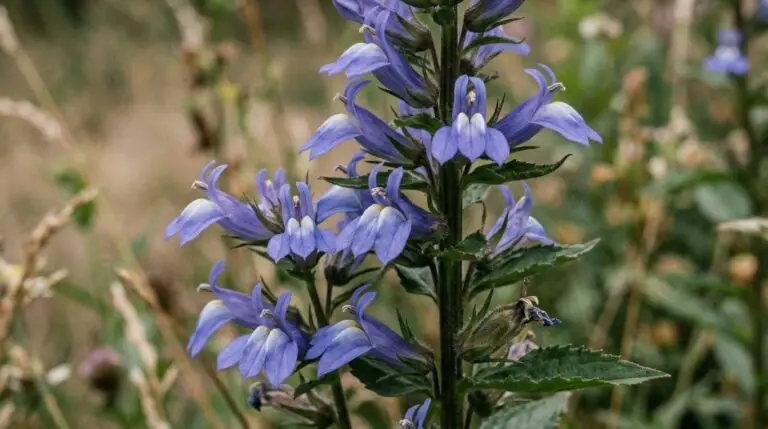
The medicinal history of lobelia siphilitica and how it got its unusual name
Growing great blue lobelia in containers for a native plant patio garden
How to grow great blue lobelia for tall sapphire spikes in moist garden borders
Great blue lobelia in shady wet gardens where most blue flowers refuse to grow
Great blue lobelia as a native plant for rain gardens and wet problem areas

Growing great blue lobelia from seed and the cold treatment they need to germinate
Great blue lobelia versus cardinal flower and choosing the right lobelia for your garden
Why great blue lobelia is short-lived and how to keep it going through self-seeding