
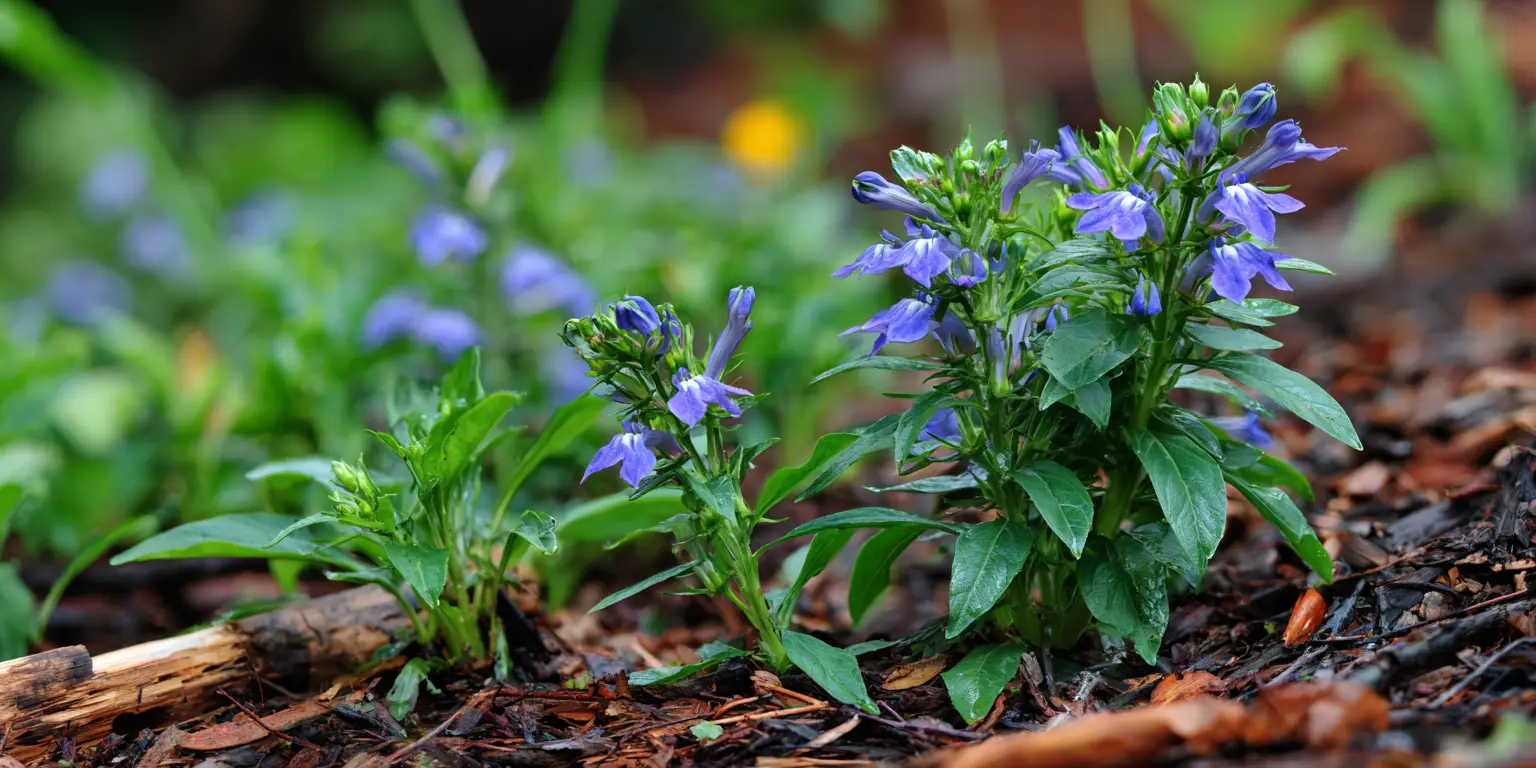
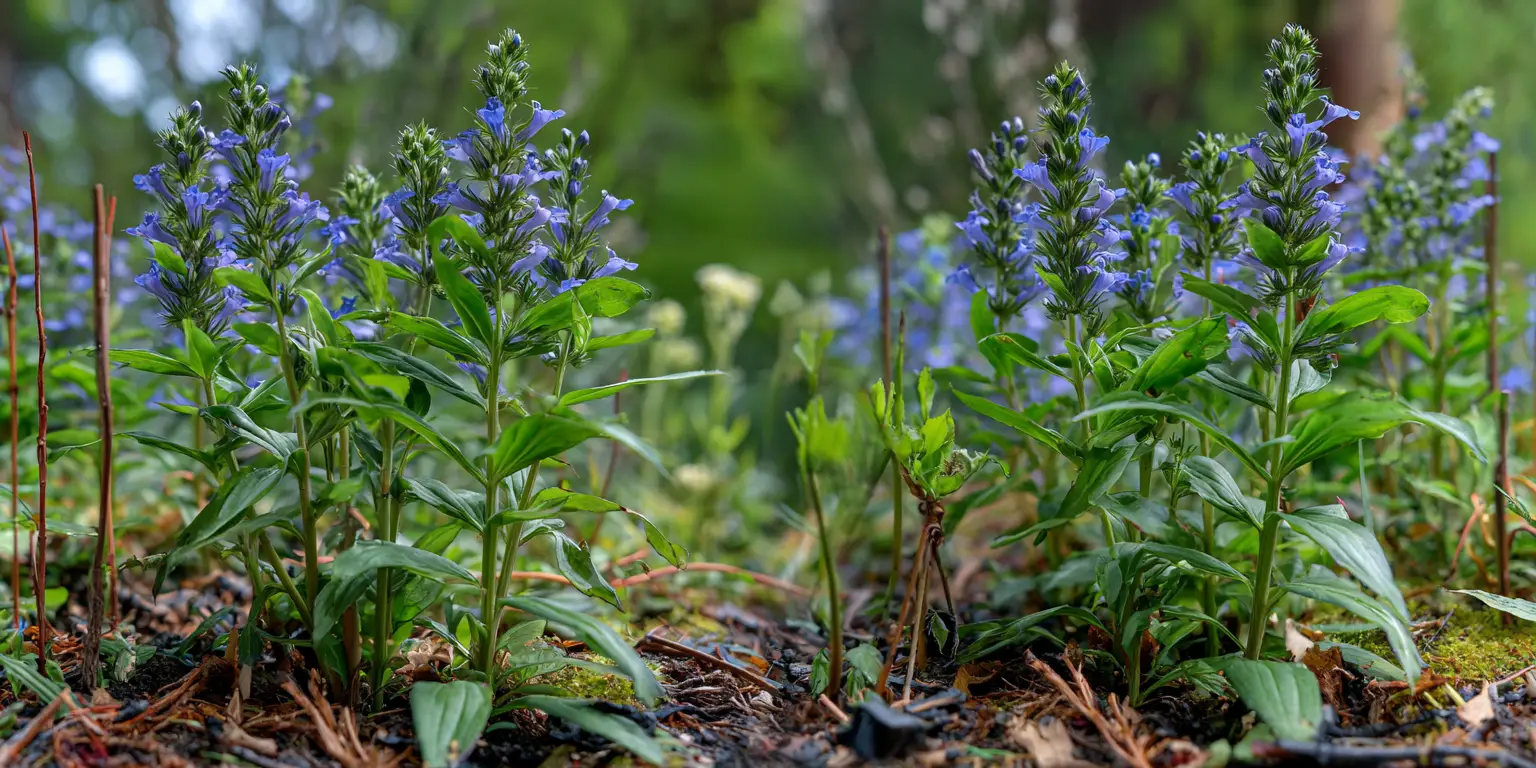
Great Blue Lobelia care is straightforward once you match the plant to the right moisture and light. Great Blue Lobelia, botanically Lobelia siphilitica L., is a clumping herbaceous perennial native to eastern and central North America. You may also see it sold as blue lobelia, great lobelia, or blue cardinal flower. Dense spikes of two‑lipped blossoms open from midsummer into fall in shades of cobalt to violet blue, with occasional white forms. Sturdy stems rise above a basal clump of lance‑shaped leaves to create a clean vertical accent in wet borders, rain gardens, and along pond edges.
For a quick success snapshot: choose consistently moist to wet soil, site the plant in full sun to part shade, and mulch to conserve even moisture. Expect plants to reach 24 to 36 inches tall and 12 to 18 inches wide. Great Blue Lobelia is hardy in much of the United States, commonly thriving in USDA Zones 4 to 9. In cooler zones it flowers well in full sun. In hotter zones it prefers morning sun with afternoon shade and reliable irrigation for best bloom and stronger stems.
Soil & Bed Preparation
Great Blue Lobelia grows best in loam or silty loam that holds moisture yet still has some pore space for roots to breathe. The ideal pH is slightly acidic to neutral, about 6.0 to 7.0. These plants excel in sites that stay evenly moist through summer. They tolerate heavy clay if it is consistently damp, and they tolerate occasional short flooding that drains within a day. They do not thrive in dry, sandy soils unless you amend aggressively with organic matter and schedule regular irrigation. Aim for at least 4 to 6 inches of compost or well‑decomposed leaf mold mixed into the top 8 to 10 inches of native soil to build water holding capacity and improve structure.
In new beds, remove perennial weeds and loosen compacted layers before you plant. Where soil stays soggy for long periods, lift the planting zone with a raised berm so the crown sits slightly higher than the surrounding grade. This technique improves air exchange and helps prevent crown rot while still allowing roots to access moisture. In very dry climates, skip mounded berms and instead create a shallow basin to catch irrigation water. Great Blue Lobelia has fibrous roots rather than bulbs or rhizomes, so standard garden loam enriched with organic matter is usually the right planting medium.
Drainage Test and pH Targets. Dig a hole 12 inches deep and 12 inches wide. Fill it with water and let it drain. Refill the hole and time the drop over one hour. A fall of about 1 inch per hour indicates suitable drainage for moisture lovers like Great Blue Lobelia. Less than 0.5 inch per hour suggests persistent saturation that risks anaerobic conditions. Correct by lifting beds and blending in coarse compost and small pine fines to add pore space. For pH, use a soil test kit or cooperative extension service. If pH is above 7.2, lower it gradually with elemental sulfur according to test recommendations. If pH is below 6.0, raise it modestly with finely ground limestone. Retest after three months to see the effect of amendments.
Raised beds can help in areas with winter wet and spring heave, provided you irrigate regularly. In naturally damp low spots and rain gardens, in‑ground planting is ideal. Work in organic matter but avoid peat‑heavy mixes that can swing from waterlogged to bone dry. Your goal is a moisture retentive matrix with a crumb that stays friable when squeezed and does not smear into a slick paste.
Planting Calendar by USDA Zone
Time your planting to help roots establish before heat or hard freezes. Great Blue Lobelia is cold hardy and also tolerates warm summers if soil moisture is reliable. Use these windows as a practical guide and adjust for local weather.
Zones 4 to 5. Plant container starts outdoors in spring once the soil is workable and daytime highs are consistently above 50°F (10°C), generally April to May for many areas. Fall planting from late August to September also works well because roots keep growing in cool soil. Mulch after the ground begins to freeze to limit winter heave. For divisions, target early spring just as new shoots emerge or very early fall so roots settle before the first hard freeze.
Zones 6 to 7. Spring planting runs from March to April. Fall planting is often the best choice in these zones because warm soil encourages root growth and fall rains reduce stress. Plant divisions from late September to November while the soil still has warmth. In hot and humid pockets, choose morning sun to early afternoon shade and ensure steady moisture to prevent stress during the first growing season.
Zones 8 to 9. Favor fall installation from October to December so roots develop through winter. Spring planting is possible from late February to March if you can irrigate deeply and consistently during the first summer. In arid or coastal regions with drying winds, shelter new plants from hot afternoon sun and wind exposure. In salt‑spray zones near the ocean, site plants where they are shielded from direct spray since lobelia foliage does not tolerate salinity well. In high elevation regions with late frosts, wait until the last frost date has passed and harden off plants carefully before setting them out.
If you start from seed, you have two practical options. Sow outdoors in late fall so natural winter cold provides the chill that many lobelia seeds need, or start indoors late winter. For indoor starts, press the tiny seeds onto the surface of sterile seed mix because they need light to germinate. Keep at 65 to 70°F (18 to 21°C) and evenly moist. Transplant carefully after the danger of frost has passed and when seedlings have at least two true leaves.
Planting: Depth & Spacing
Bare root or divisions. Divide established clumps in early spring as shoots appear or in early fall with at least six weeks before the ground freezes. Lift the clump, gently tease it into smaller pieces with several buds and a healthy fan of roots, and replant promptly. Set the crown level with the surrounding soil. Backfill with the amended soil and firm lightly so there are no air pockets. Water deeply to settle the soil. Space divisions 12 to 18 inches apart for good airflow and to allow the clumps to expand.
Container grown starts. Slide the plant from its pot, loosen any circling roots, and set the top of the root ball even with or slightly above the surrounding soil. The crown should not be buried. Water in thoroughly. Maintain 12 to 18 inches between plants to reduce foliar disease and to keep tall stems upright in summer. In mass plantings, leave 24 to 30 inches between rows to give you room to weed, top dress, and deadhead.
Minimizing transplant shock. Acclimate nursery plants by hardening them off for 5 to 7 days. Set the pot outdoors in bright open shade for two days, then give it morning sun for two days, then half day sun for the final stretch. Water the pot whenever the top half inch of mix feels dry to the touch. Transplant on a calm, overcast day if possible. After planting, water deeply and apply mulch to keep the upper root zone consistently moist while new feeder roots expand.
Watering & Mulching
At establishment, water deeply twice per week for the first three to four weeks when rainfall is lacking. Each irrigation should wet the soil to a depth of 6 to 8 inches. After roots extend, shift to a steady schedule that keeps the soil evenly moist. In average conditions a mature clump needs about 1 inch of water per week from rain and irrigation combined. Sandy soils will require more frequent watering than clay loams. Use a simple rain gauge to track totals rather than guessing.
Mulch strategies. Apply 2 to 3 inches of shredded leaves, fine bark, or partially composted wood chips after planting. Pull mulch back 2 inches from the stems to keep the crown dry and healthy. Mulch regulates soil temperature, slows evaporation, and suppresses weeds that compete for moisture. In rain gardens, a mulch that knits together, such as shredded hardwood, helps resist floating in heavy downpours. Replenish mulch in spring as it decomposes to maintain the target depth.
Heat spikes and drought management. During heat waves with temperatures above 90°F (32°C), water early in the morning and again in the late afternoon if the soil surface dries. In prolonged drought, consider a temporary shade cloth that provides 30 percent shade during the hottest part of the day. Drip irrigation or soaker hoses are preferable to overhead sprinklers because they deliver water to the root zone and keep foliage drier. If your irrigation water is very hard or alkaline, leaves may show pale green between veins on high pH soils. Improve the soil with compost, and keep pH near neutral so nutrients remain available.
Feeding
Great Blue Lobelia is not a heavy feeder. In decent garden loam, compost alone can supply all the nutrition the plant needs. At planting time, blend 1 to 2 inches of compost into the topsoil to raise organic matter near the root zone. In established beds, top dress each spring with a half inch of compost to refresh soil biology and moisture holding capacity. Avoid spreading compost against the stems.
If a soil test shows low fertility, use a balanced slow release fertilizer at label rates in early spring. Products in the general range of 5‑10‑5 or 10‑10‑10 are suitable in small amounts. Excess nitrogen can encourage soft growth that flops and invites foliar disease, so stay conservative. Skip fertilizer entirely if plants are vigorous and flowering well. Retest your soil every two to three years to guide future feeding and pH corrections rather than guessing.
Pruning & Support
Deadheading on Great Blue Lobelia is optional. Removing spent spikes can tidy the clump and may promote a modest flush of later flowers, especially when plants receive steady moisture and light feeding. Leave a few seed heads if you want natural reseeding at the edges of the clump or across a rain garden. In late fall after hard frost, cut stems back to a few inches above the basal rosette or wait until very early spring to remove winter‑killed stalks.
Most clumps stand well on their own when grown in full sun and not overfed. In partial shade or rich soils, tall stems can lean. Support with discreet ring stakes placed in late spring before the shoots elongate. Space plants adequately and provide morning sun to build sturdier stems. Practice tool hygiene to limit disease spread. Wipe pruners with 70 percent alcohol between plants or dip in a 10 percent bleach solution for at least 30 seconds and rinse in clean water. Allow tools to dry before storage to prevent corrosion.
Overwintering
In the ground, Great Blue Lobelia overwinters reliably in Zones 4 to 9 when sited in the right light and moisture. In late fall, after the soil cools, apply a 2 inch layer of shredded leaves or fine bark over the root zone to buffer temperature swings. Do not bury the crown. In late winter or early spring, pull mulch back from the stems to make space for new shoots. In climates with freeze and thaw cycles, consistent mulch coverage reduces heaving of shallow roots and keeps plants anchored.
Container plants need extra protection because roots are exposed to colder air than in the ground. In Zones 6 to 7, slide pots into an unheated garage or against a north wall out of the wind and cluster them together. Water sparingly to keep the potting mix barely moist through winter. In Zones 8 to 9, most containers can stay outside with a protected, shaded exposure and a wrap of breathable insulation around the pot. In colder zones, sink the pot into the ground up to the rim or move it to a sheltered, cold space that stays just above freezing.
Growing Environments
Great Blue Lobelia performs well in containers if you give it room and water. Choose a pot at least 12 inches wide and 12 inches deep, which holds roughly 3 gallons of mix. Larger 5 gallon containers offer better summer performance because they buffer moisture and heat. Use a high quality peat or coir based mix blended with compost and chunky perlite for structure. Ensure the pot has drainage holes. Place a saucer under the pot only temporarily. Empty the saucer after each watering so the crown does not sit in standing water.
For in‑ground plantings, look for microclimates. Morning sun with light afternoon shade helps in the southern half of the country where summers are long and hot. In northern zones, full sun produces the strongest bloom and stems, provided you can irrigate during dry spells. Protect young transplants from strong, drying wind. In coastal regions, site plants where they are shielded from direct salt spray. In low spots that collect runoff, use a slightly raised planting pad to keep the crown from staying submerged for long periods after heavy rain.
When preparing rain gardens or bioswales, include Great Blue Lobelia in the medium zone where water collects temporarily then drains. Combine it with sedges and moisture loving grasses to weave a stable root matrix. The plant’s fibrous roots help hold soil yet do not spread aggressively. Over time clumps enlarge to fill space but remain manageable, which suits naturalistic plantings near patios and along paths.
Companion Planting & Design
For a long season of color, pair Great Blue Lobelia with spring and early summer bloomers that like similar moisture, then with late season natives that carry the show after lobelia begins to set seed. Swamp milkweed and blue flag iris enjoy the same damp soils and contribute vertical accents that echo lobelia’s spikes. Joe Pye weed and New England aster take over with large rosy or purple flowers as summer peaks. Clumping sedges and moisture tolerant ferns knit the ground plane and hide foliage as the lobelia basal rosette settles in for fall.
Use color partners to reinforce a cool palette. Great Blue Lobelia belongs at the heart of any planting built around blue flowers and purple flowers. White forms, often sold as L. siphilitica f. alba, create a crisp counterpoint and connect naturally to a page on white flowers. If your garden already features bigleaf hydrangea, consider repeating the hue by positioning lobelia near hydrangea macrophylla in light shade where soil stays moist. The large hydrangea heads act as a foil for the slender lobelia spires and keep the border in rhythm through late summer.
Think about site‑wide navigation as you plan. A meadow edge border that features Great Blue Lobelia can sit under a larger content hub that explores types of flowers for wet soils and rain gardens. If you specialize in seasonal floral work, you might test the plant in cutting rows and small arrangements. It is not a standard cut flower for formal events, yet its color and wild character fit field‑picked styles. Readers who plan events can cross‑reference this plant in a broader wedding flowers guide for ideas about naturalistic color stories in late summer.
Spacing supports plant health. Keep 12 to 18 inches between clumps to improve air movement and reduce foliar disease. Tall neighbors like switchgrass and Joe Pye weed should be 24 to 36 inches away so each plant has sunlight on its upper leaves. If you want gentle self‑sowing, leave some open soil patches nearby and avoid heavy mulch right at the edges of the clumps. Seedlings are easy to recognize and can be moved to fill gaps.
Pollinator value is a bonus. Bumblebees are the primary visitors because they can pry open the upper lip of the flower and contact the pollen. Other native bees also visit. Hummingbirds frequent red cardinal flower more often, yet they may sample Great Blue Lobelia when plantings are rich and diverse. Leave a few stems standing over winter to support insects and to catch snow that insulates crowns.
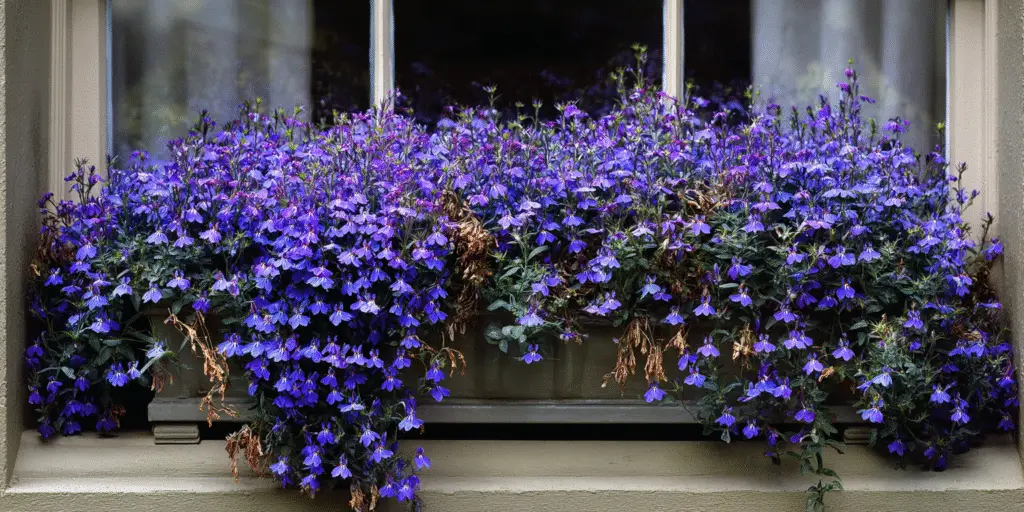
Lobelia erinus ‘Crystal Palace’
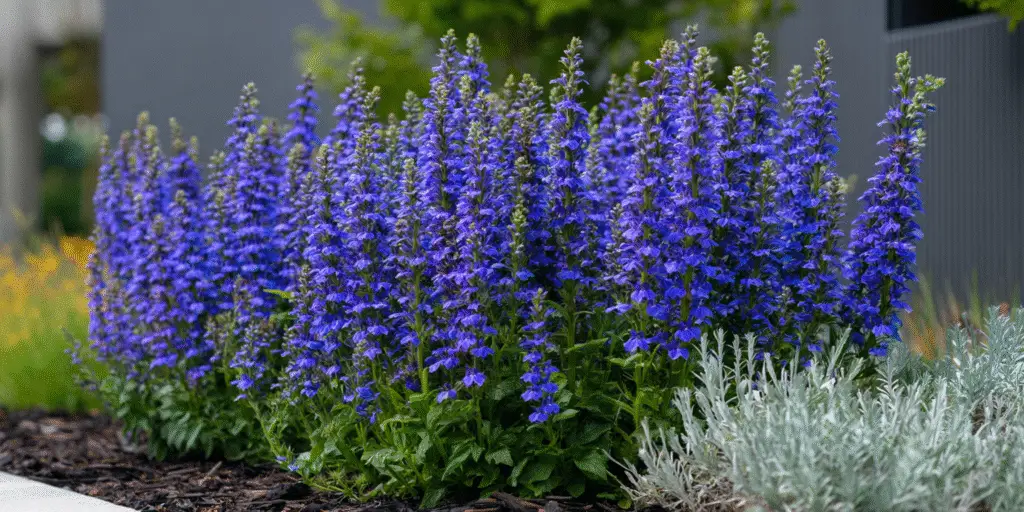
Lobelia × speciosa ‘Starship Blue’
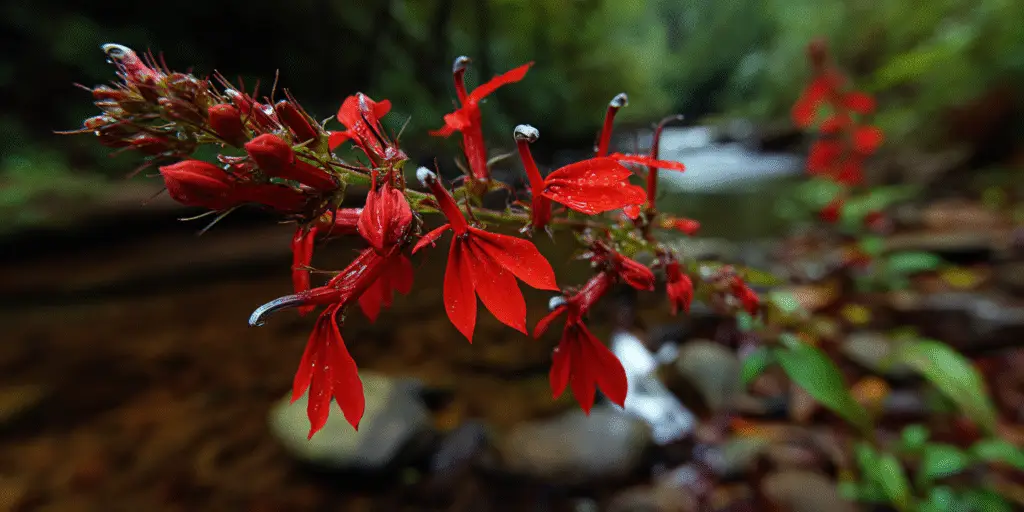
Lobelia cardinalis
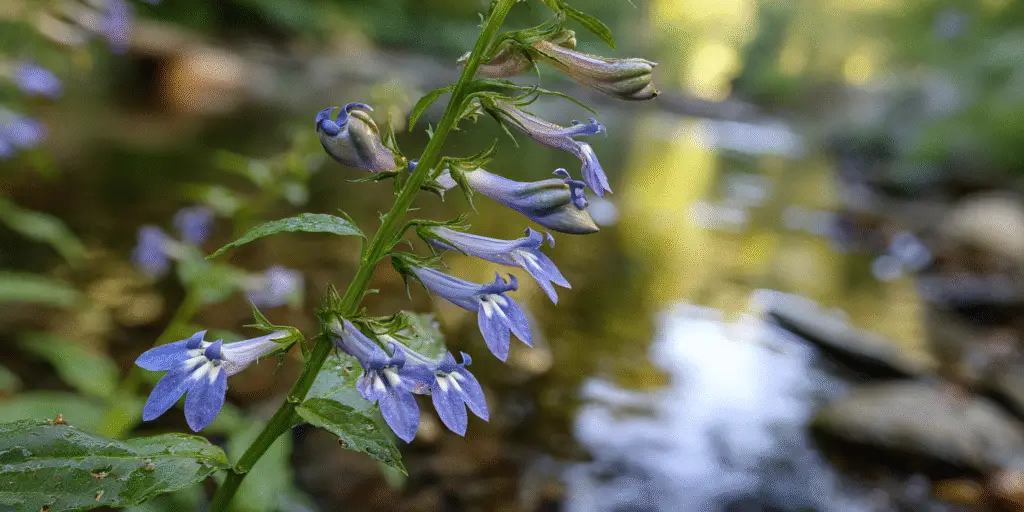
Lobelia siphilitica
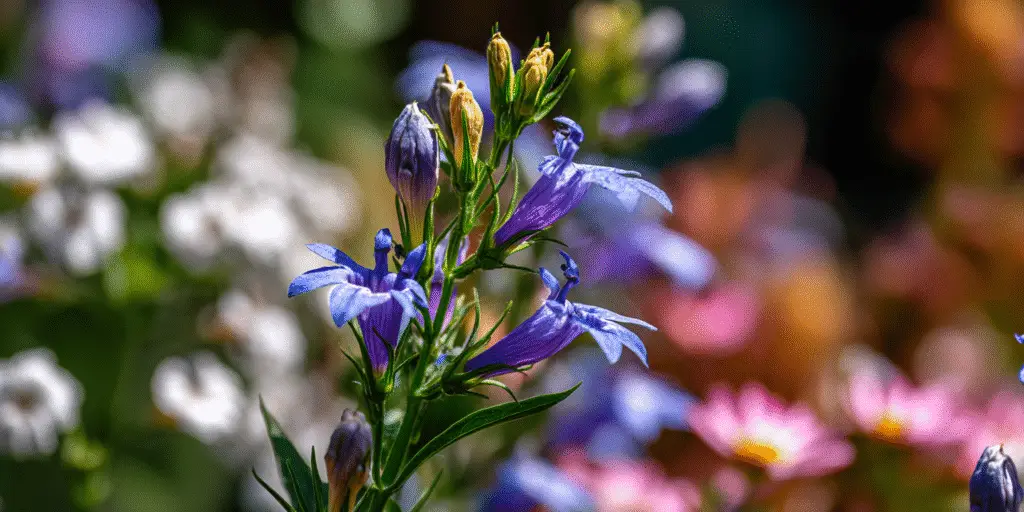
Lobelia × gerardii ‘Vedrariensis’
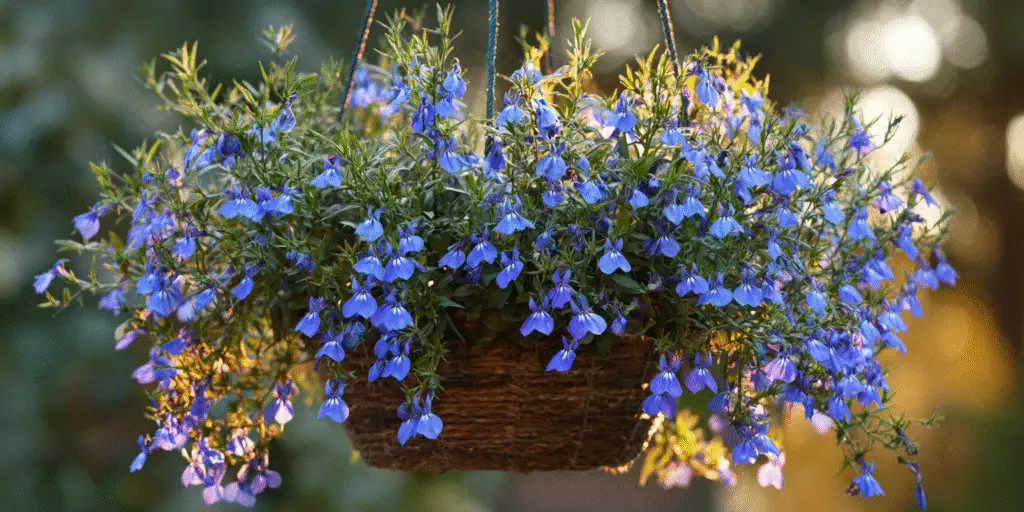
Lobelia erinus ‘Riviera Blue’
Lobelia erinus ‘Crystal Palace’
Lobelia × speciosa ‘Starship Blue’
Lobelia cardinalis
Lobelia siphilitica
Lobelia × gerardii ‘Vedrariensis’
Lobelia erinus ‘Riviera Blue’
References
- North Carolina State University Cooperative Extension, Plant Toolbox: Lobelia siphilitica.
- Lady Bird Johnson Wildflower Center, Native Plant Database: Lobelia siphilitica.
- ASPCA, Toxic and Non‑Toxic Plants: Lobelia and related species.
Enjoying our flower guides? Add YourFlowersGuide as a preferred source on Google. It helps more readers find us.
Add to Preferred Sources