
in bloom
now
through Oct
Bloom calendar
Lobelia cardinalis
Species; herbaceous perennial
At‑a‑glance
- Group/Class: Species; herbaceous perennial
- Height × spread: 24-48 in (60-120 cm) × 12-24 in (30-60 cm)
- Bloom window: July to September
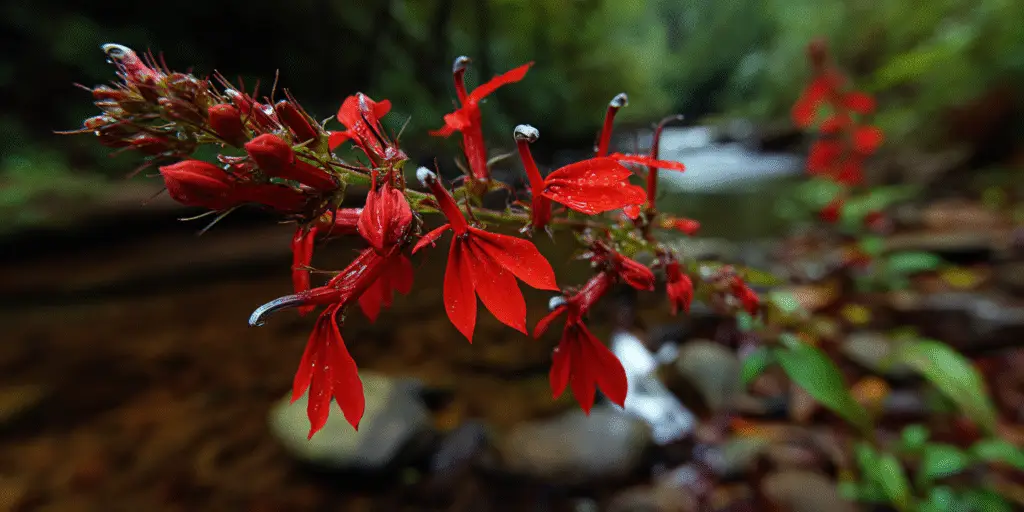
- Color & flower form: Scarlet red tubular flowers on upright racemes
- Fragrance: 0 none
- USDA hardiness: zones 3-9
- Breeder / Year / Origin: wild species; unknown; Americas
- Pet safety: avoid
How it differs
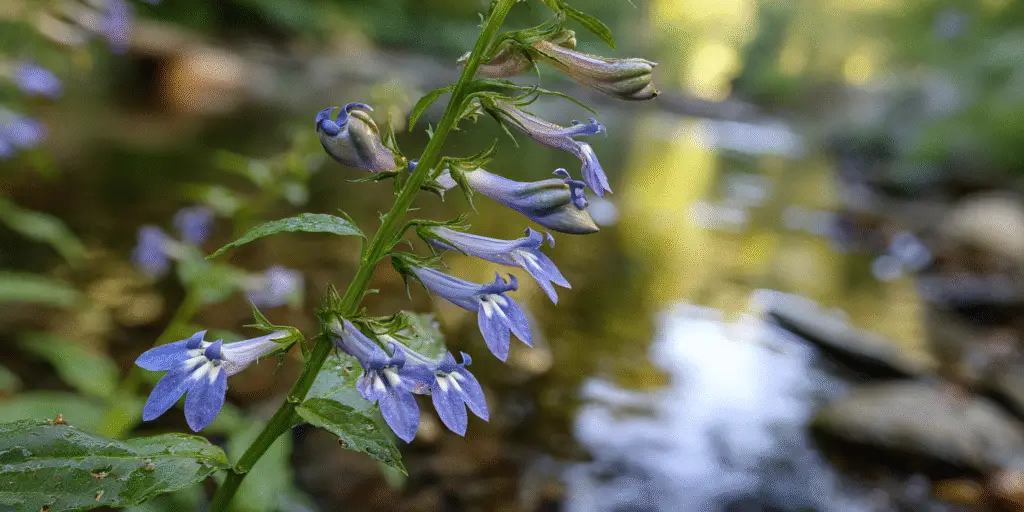
- Blooms earlier and in red compared with the blue flowers of Great Blue Lobelia.
- Can reach 4 feet in good soils, so it may stand taller than Great Blue Lobelia.
- Somewhat shorter‑lived and more sensitive to drought.
- Equally adapted to wet or boggy sites when moisture is constant.
Strengths
- Striking vertical color for mid to late summer.
- Excellent for hummingbirds in moist gardens.
- Tolerates wet soil and brief flooding.
Care in one minute
Site and light: full sun to part shade; afternoon shade helps in hot regions.
Soil and pH: rich, evenly moist to wet soil; good organic matter.
Watering: do not allow soils to dry; irrigate during droughts.
Feeding: compost in spring; avoid excessive fertilizer.
Grooming: remove spent spikes to tidy; divide clumps in spring if needed.
Overwintering: apply a light root mulch in cold winters to limit heaving.
Watch‑outs
- Requires steady moisture; plants decline if soils dry.
- Often short‑lived; divide or replant every few years.
- Slugs and snails may damage foliage.
- Mulch in cold climates to reduce frost heave.
Best uses (tags)
Provenance note
A species native to the Americas, common along streams, springs, and wet meadows.
References
- Missouri Botanical Garden Plant Finder – Lobelia cardinalis
- University of Florida IFAS Extension – Cardinal Flower (AG402)
- ASPCA – Lobelia (toxicity to pets)
- Lady Bird Johnson Wildflower Center – Lobelia cardinalis
Similar Flowers
Enjoying our flower guides? Add YourFlowersGuide as a preferred source on Google. It helps more readers find us.
Add to Preferred Sources