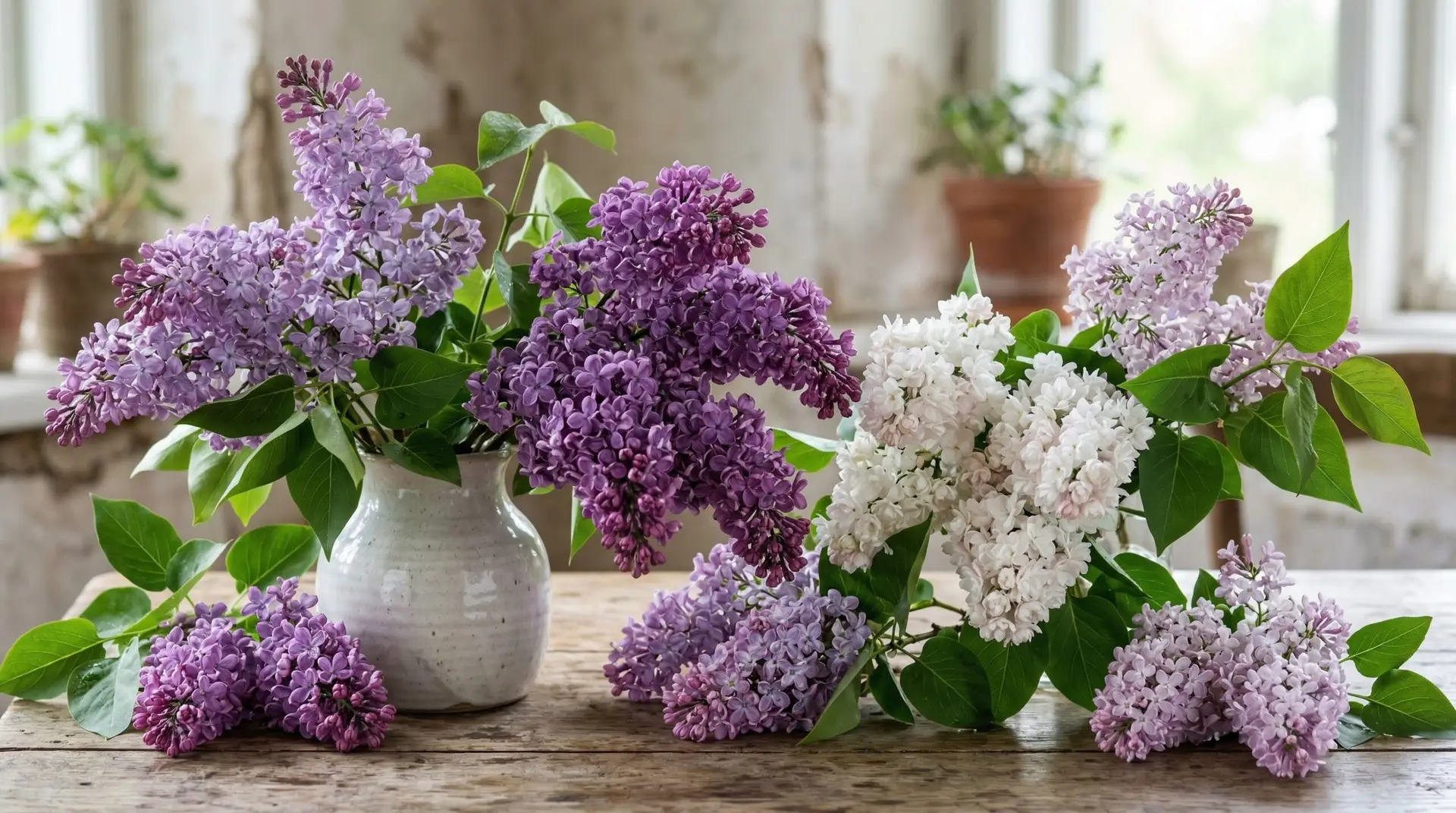
Walk into any garden center in spring and you will find rows of generic purple lilacs with no specific variety name attached. While these unnamed plants might eventually produce a pleasant scent, they often grow into unruly giants that suffer from severe powdery mildew by late summer. A better approach is to select from the hundreds of named cultivars bred for specific heights, bloom times, and disease resistance. The goal is to choose the exact right plant for your specific space and expectations rather than settling for a generic shrub. Many older varieties simply do not justify the space they consume for the fifty weeks of the year they are out of bloom. By narrowing our focus to a few superior performers, we can find lilacs that deliver the classic spring experience without the common drawbacks. This selection focuses on varieties that earn their keep through excellent fragrance, manageable habits, or extended bloom seasons.
Contents 4 sections
Refining the classic spring experience
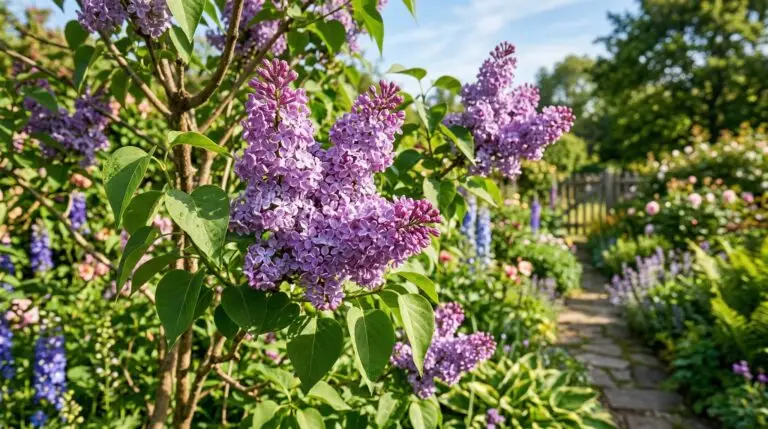
When most people think of a lilac, they are picturing the French hybrids developed in the late nineteenth and early twentieth centuries by breeders like Victor Lemoine. These cultivars took the basic common lilac and improved it with larger flower panicles, double petals, and deeper colors while retaining the intense, sweet fragrance that defines the species. ‘President Grevy’ is an excellent choice in this category, producing double blue flowers that resist fading in the harsh spring sun. I prefer it over older standard varieties because the double blooms last slightly longer on the shrub and hold up much better when cut for indoor arrangements. If you have the space for a shrub that reaches ten to twelve feet tall, a true French hybrid remains the standard against which all other lilacs are judged. They do tend to produce suckers at the base, which you will need to trim away annually to maintain a tidy appearance. They pair very well with early spring shrubs, picking up the baton just as a forsythia finishes its bright yellow display.
Compact choices for limited spaces
The primary reason gardeners remove established lilacs is that the plants outgrow their allotted space and begin blocking windows or crowding out neighboring plants. Breeders have solved this problem by introducing several dwarf varieties that maintain a tight, rounded habit without requiring harsh annual pruning. ‘Palibin’ is a dwarf Korean lilac that rarely exceeds four feet in height and width, making it perfectly suited for foundation planting or small residential lots. It produces pale pink flowers about two weeks after the French hybrids finish, which helps extend the overall lilac season in your yard. The fragrance of these dwarf types is noticeably different from the common lilac, offering a spicier, clove-like scent that carries very well on the evening air. I strongly recommend these compact types over trying to constantly prune a large common lilac into submission. Heavy pruning usually ruins the natural shape of the shrub and removes the following year’s flower buds, leaving you with a misshapen plant that refuses to bloom.
Distinctive colors that earn their keep
Many novel lilac colors look interesting in a nursery catalog but appear muddy or washed out when viewed from a distance in the actual garden. ‘Sensation’ is the rare exception that delivers a genuinely distinct visual impact without sacrificing the traditional lilac fragrance. A natural mutation discovered in the mid-twentieth century, this variety produces deep purple florets that are each outlined with a crisp white edge. This contrasting picotee pattern draws the eye even from across the yard and looks very sharp against the heart-shaped green leaves. Many guides recommend planting pale yellow or true pink lilacs for variety, but in practice those colors often underperform or bleach out entirely to white in bright sunlight. ‘Sensation’ holds its strong coloration reliably year after year and grows into a substantial ten-foot shrub with a sturdy, upright habit. It makes an excellent specimen plant near a patio or walkway where visitors can appreciate the unusual bicolored flowers up close.
The reality of reblooming varieties
The most common complaint about lilacs is their brief bloom period, which usually lasts only two weeks before the flowers turn brown and fade. Breeders have addressed this by introducing reblooming lilacs, with the Bloomerang series being the most recognizable name on the market today. These plants produce a heavy flush of flowers in spring, rest during the heat of summer, and then push out smaller clusters of blooms from late summer until the first frost. ‘Josee’ is an older reblooming variety that offers pinkish-lavender flowers and a very strong, sweet scent that rivals the classic spring types. To get the best possible autumn display from any rebloomer, you must promptly clip off the dead spring flowers before they can form seed pods. While the autumn bloom is never as heavy as the spring display, the presence of fresh lilac blossoms in September is a welcome addition to the late-season garden. These rebloomers are highly useful when planted near a mock orange or other early summer shrubs, ensuring the area continues to offer floral interest long after the initial spring rush has passed.
If I had to select just one lilac for a modern garden, ‘Miss Kim’ is my top choice for its superior year-round garden performance. While the French hybrids produce larger individual flower clusters, ‘Miss Kim’ compensates with an overwhelming quantity of highly fragrant, icy-lavender blooms that completely cover the plant from top to bottom. It naturally forms a dense, neat mound that requires almost no maintenance to look presentable throughout the entire growing season. The deep green summer foliage resists the powdery mildew that plagues so many older varieties, keeping the shrub attractive even in highly humid climates. When you factor in the reliable burgundy autumn foliage, a trait nearly entirely absent in other lilacs, ‘Miss Kim’ proves itself as a superior choice. It is a plant that actively contributes to the garden for three full seasons rather than just two brief weeks in spring.
More About Lilacs
Pruning and rejuvenating old lilac bushes that have become overgrown and leggy
Companion plants for lilacs: what to grow and what to avoid
Why lilacs stop blooming and the pruning timing mistake almost everyone makes
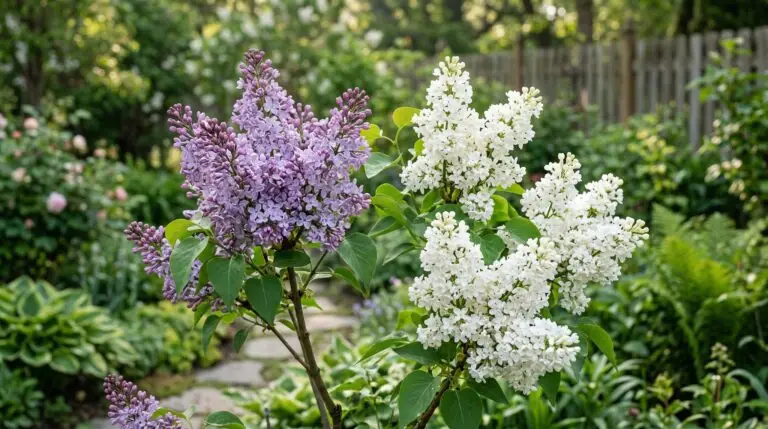
Lilacs for warm climates and the low-chill varieties that bloom without cold winters
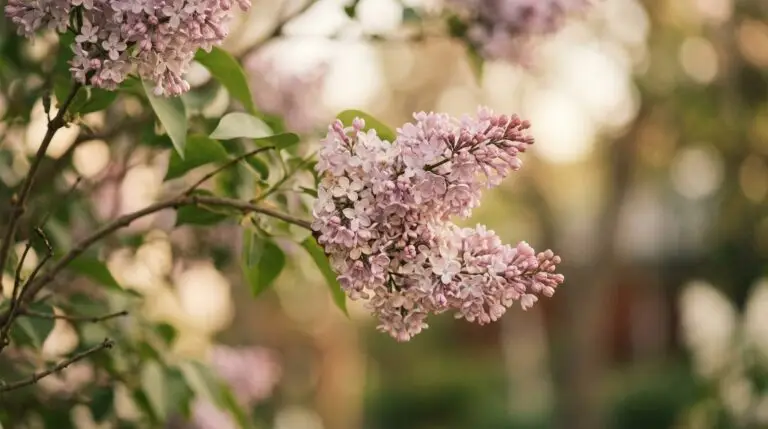
Lilac flower meaning and the nostalgic scent that connects us to spring memories
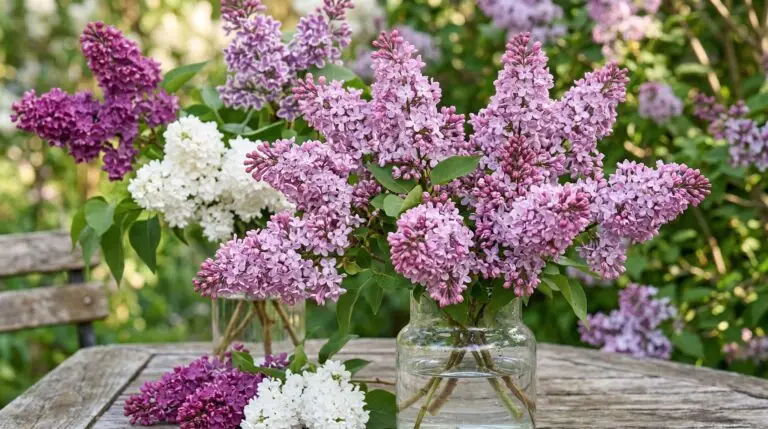
Dwarf and compact lilacs for small gardens that deliver big fragrance in limited space
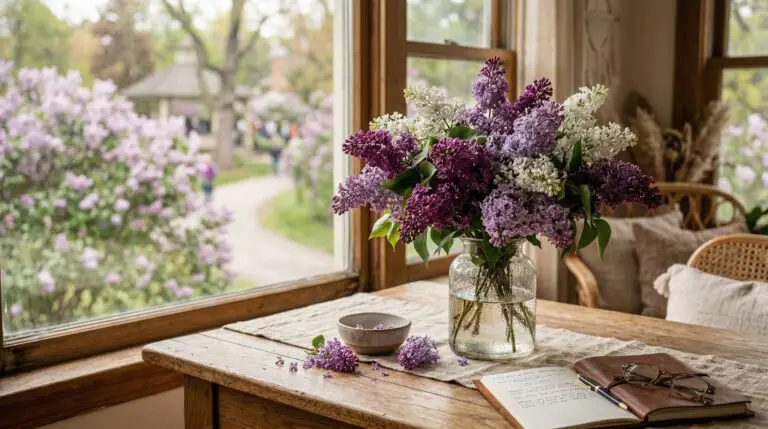
Lilac festivals across America and visiting the most spectacular lilac collections
How to grow lilacs for the most beloved fragrance in the spring garden
Enjoying our flower guides? Add YourFlowersGuide as a preferred source on Google. It helps more readers find us.
Add to Preferred Sources