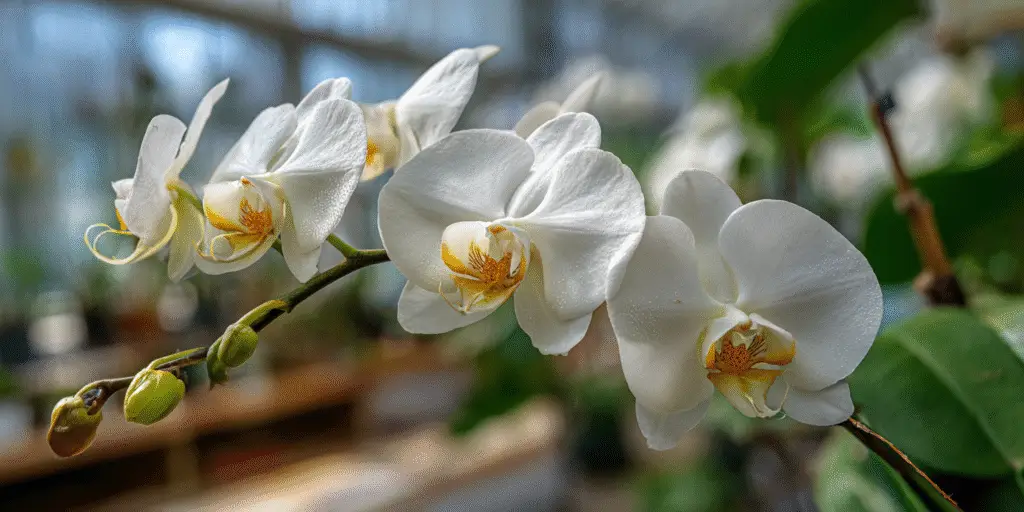
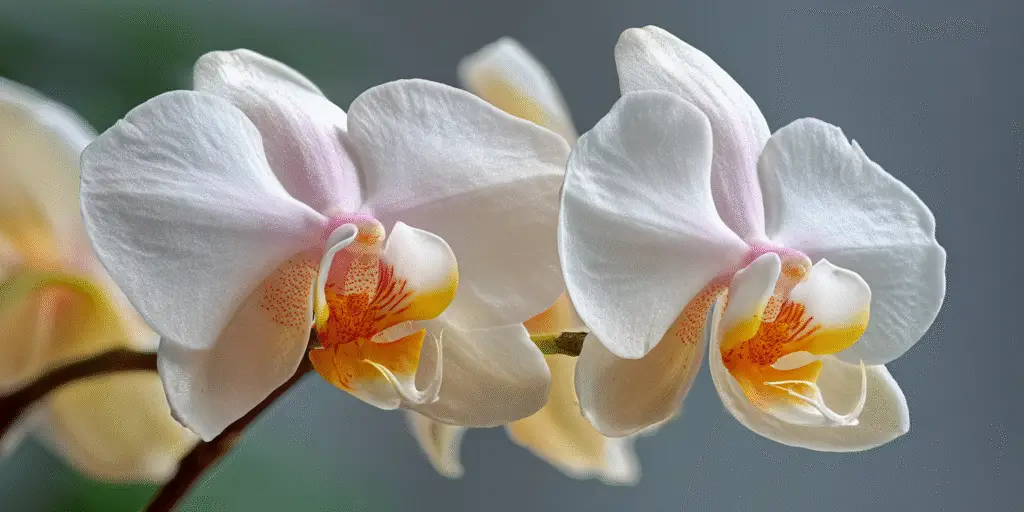
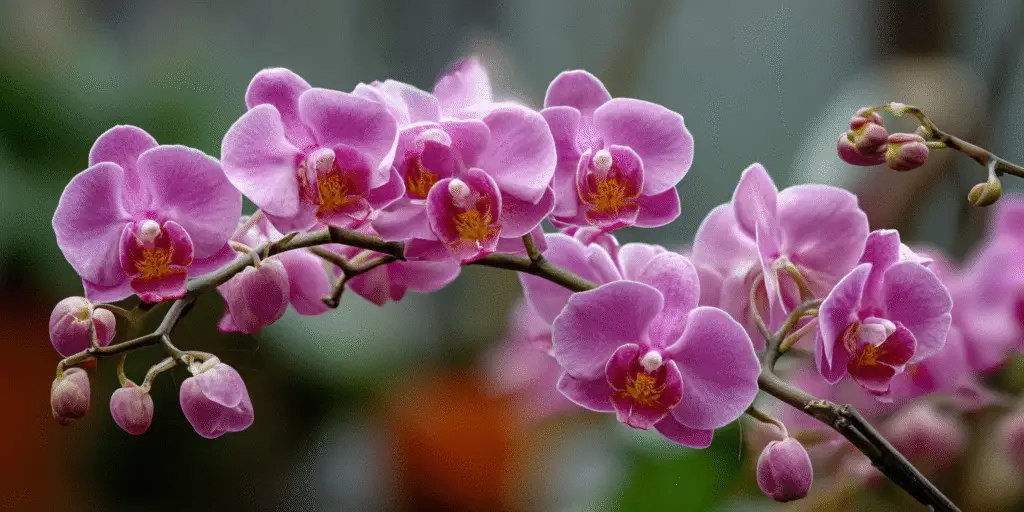
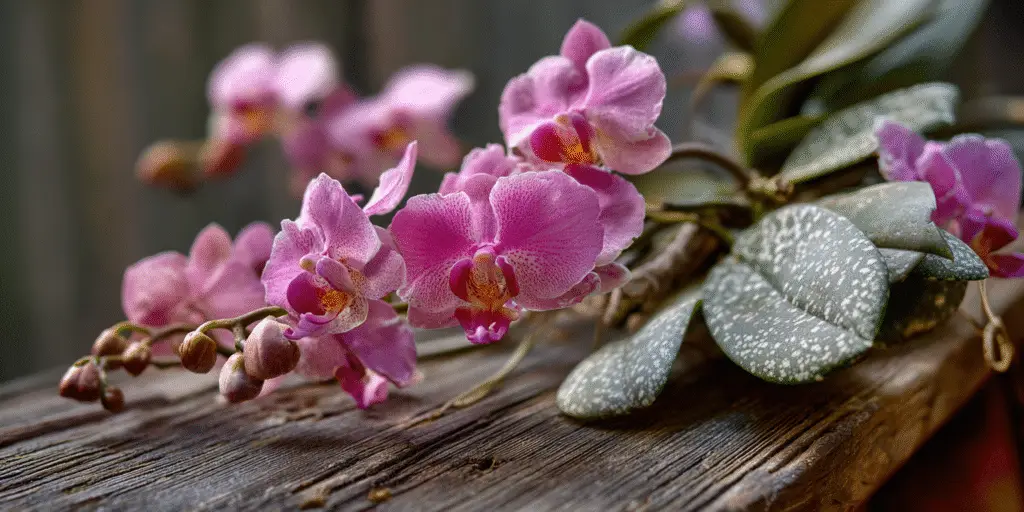
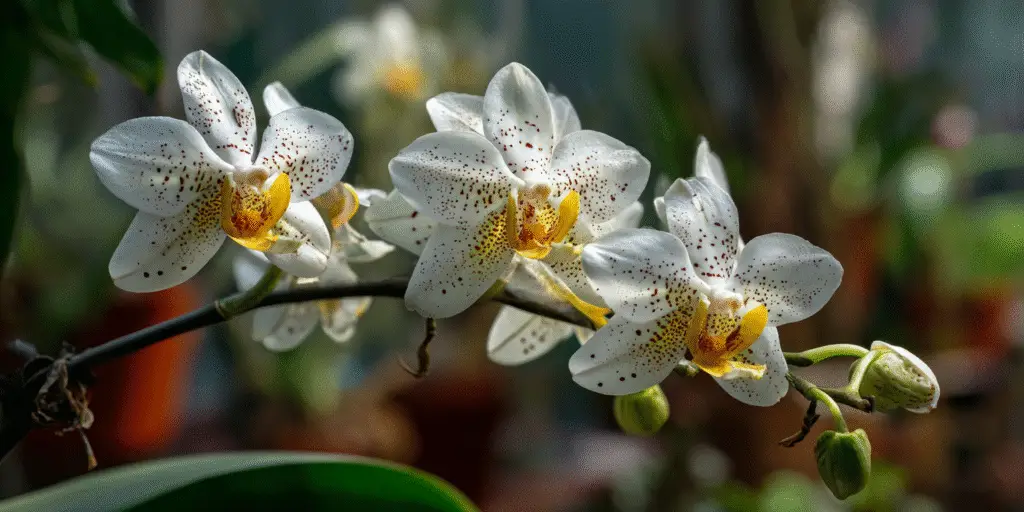
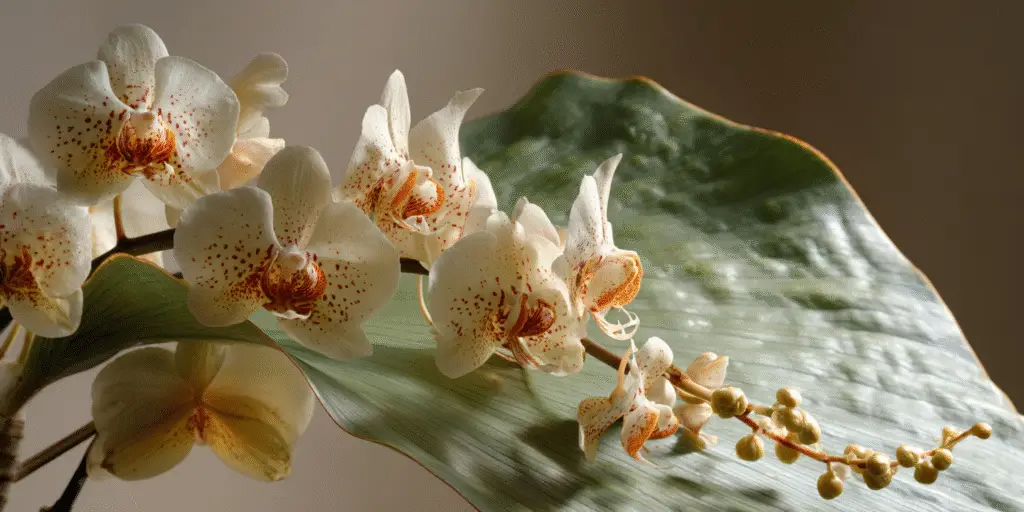
Phalaenopsis equestris is a compact, floriferous moth orchid species from the Philippines and southern Taiwan. Plants stay small and produce many pink to rose‑purple flowers on branching spikes. Spikes may flower sequentially for months, and keikis sometimes form on older nodes. This species underpins many miniature and novelty hybrids. It performs well as a houseplant in bright, indirect light with warm temperatures and a bark‑based mix.
At‑a‑glance
Group/Class: Species (Moth Orchid)
Height × spread: 6 to 12 in × 12 to 18 in (15 to 30 cm × 30 to 45 cm)
Bloom window: peaks fall to spring; can flower at other times
Color & flower form: pink to rose‑purple; many small, starry flowers on branched racemes
Fragrance: 0 none
USDA hardiness: not hardy outdoors in most areas; greenhouse only in frost‑free zones 10 to 12; grow indoors elsewhere
Breeder / Year / Origin: unknown, wild species, S Taiwan to Philippines
Cut‑flower notes: slender stems; typical vase life about 8 to 14 days depending on season and source
Pet safety: safe
How it differs
Much smaller flowers than a typical moth orchid hybrid.
Sequential blooming on green spikes instead of single flush only.
Frequent keiki production on old nodes.
Compact plant suitable for limited space.
Strengths
Extended display when spikes are left intact.
Good choice for miniature and windowsill collections.
Adaptable under indoor light when kept warm and humid.
Care in one minute
Provide bright, indirect light such as an east window or shaded south exposure.
Use a coarse bark mix with excellent drainage; repot after flowering when media breaks down.
Water when the mix is nearly dry; soak and drain; avoid standing water in the crown.
Keep 65 to 85 °F (18 to 29 °C) and 40 to 60 percent humidity; add airflow.
Fertilize lightly during growth; flush occasionally to remove salts.
Leave healthy green spikes in place to allow sequential blooms.
Watch‑outs
Old spikes can look untidy if many keikis form.
Underwatering or stale mix leads to wrinkled leaves.
Written by: Your Flowers Guide editorial team We are a small independent group of flower lovers who research and review each guide using trusted horticultural and educational sources. Learn more about us