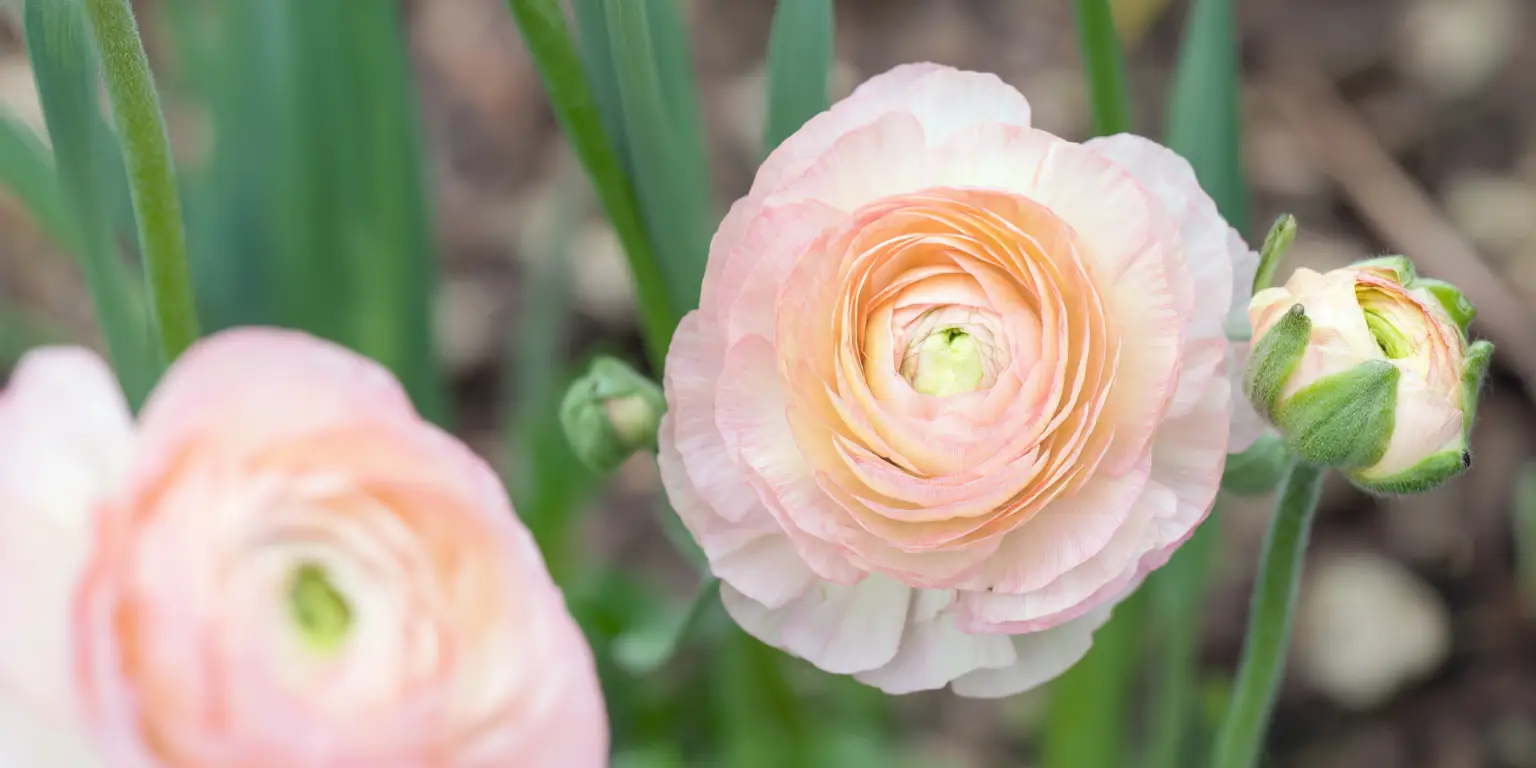
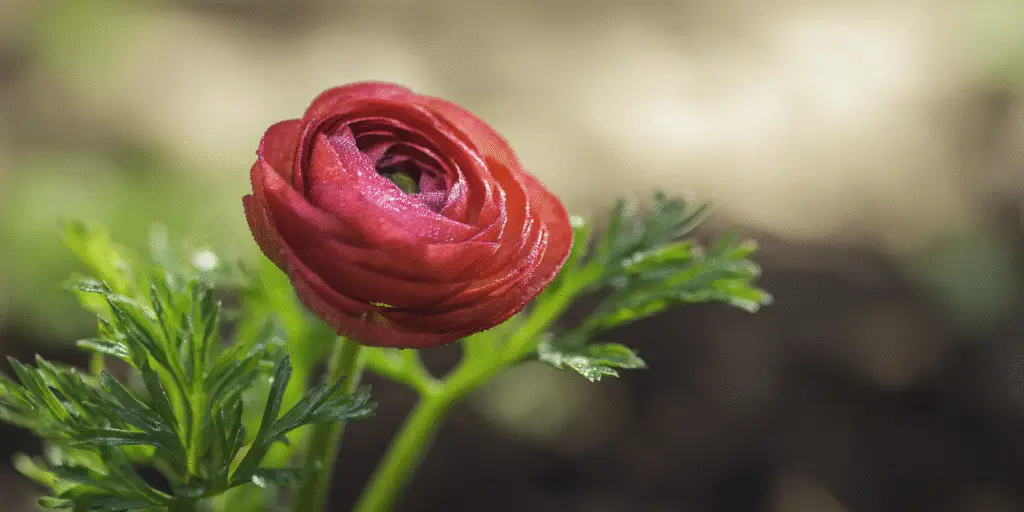
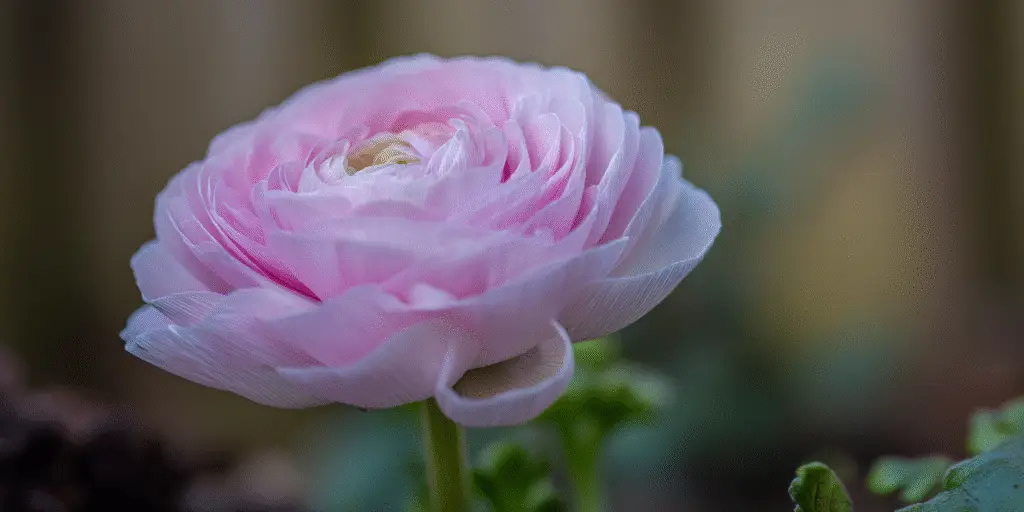
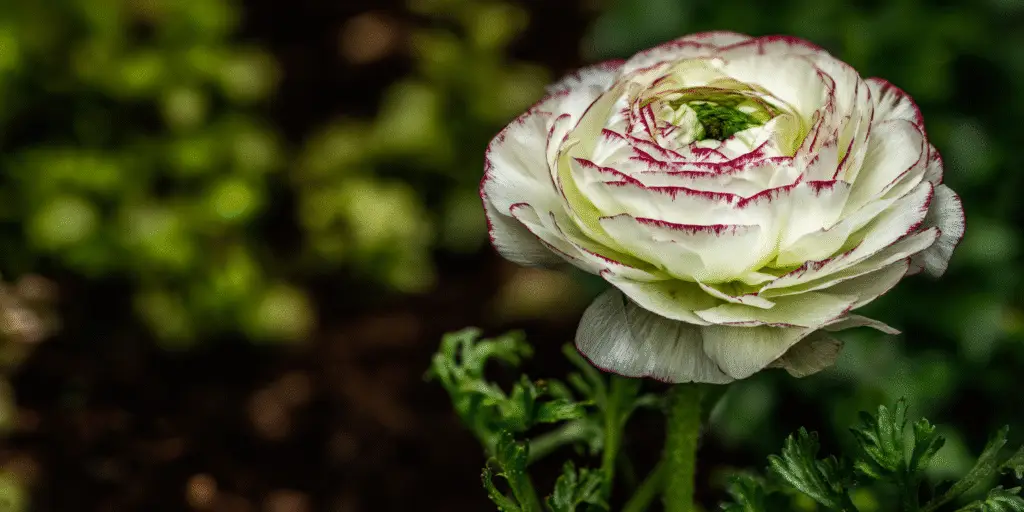
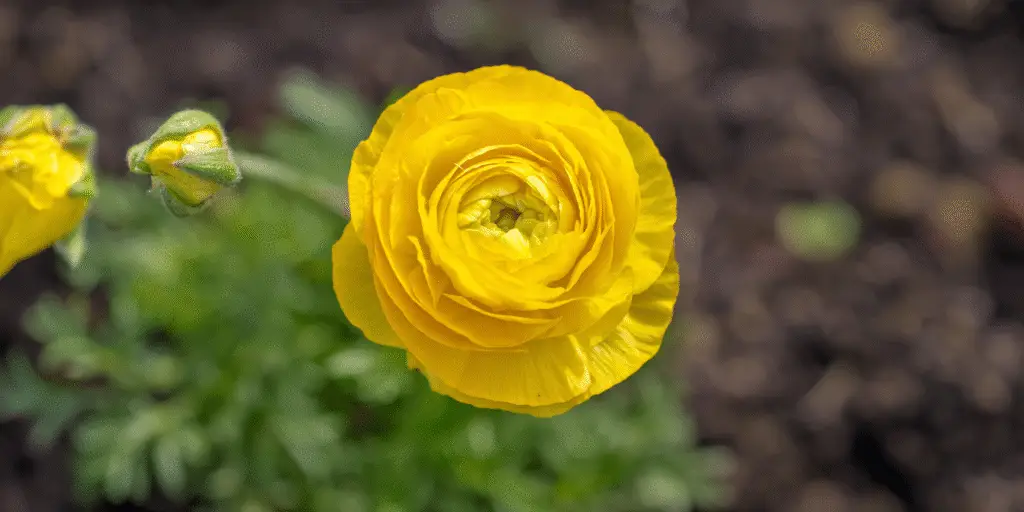
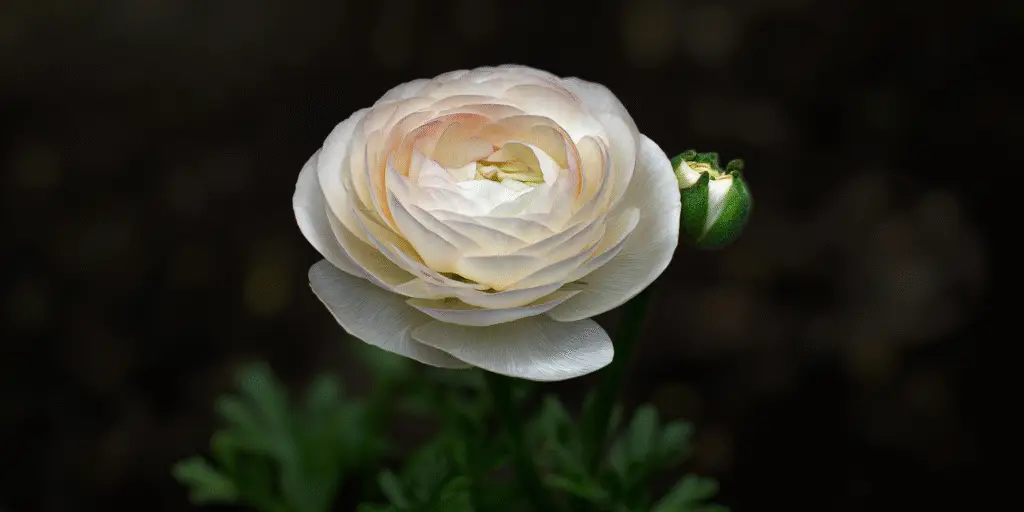
This French seed strain of Persian buttercup is grown for large, full blooms and steady production. It stands out for reported heat tolerance that can extend the bloom window into early warm spells. Plants prefer full sun and free‑draining soil and perform best with long, cool springs. In Zones 8 to 10, plant in fall for early spring flowers. In colder regions, plant in late winter to early spring for late spring color. Stems are suitable for cutting and bouquets. Plants are not frost hardy and dislike summer wet.
At‑a‑glance
Group/Class: Persian Buttercup Series: Amandine
Height × spread: 14–20 in × 10–12 in (35–50 cm × 25–30 cm)
Bloom window: Early to mid spring in mild zones; late spring to early summer elsewhere
Color & flower form: Fully double; wide range including whites, pastels, bicolors
Fragrance: 0 none
USDA hardiness: Zones 8–10; grown as annual in colder zones
Breeder / Year / Origin: Unknown (French seed strain), Year unknown, France
Cut‑flower notes: Harvest at marshmallow stage; typical vase life 10–12 days in preservative
Pet safety: avoid
How it differs
Slightly more heat tolerant than many standard strains
Large, full blooms with strong stems
Good productivity for cut flowers
Broad color palette including wedding pastels
Strengths
Dependable cut‑flower performance
Tall enough for arranging
Long vase life when cut in bud
Adapts to field, tunnel, or container culture
Care in one minute
Plant in full sun in fast‑draining soil; amend clay with grit or plant in raised beds or pots
Pre‑soak corms 1 hour; plant 2 in deep and 6–8 in apart with claws down
Irrigate to keep evenly moist during growth; avoid overhead watering in cool, damp spells
Fertilize lightly every 2 to 3 weeks while in active growth
Cut or deadhead regularly to maintain production
Lift and store corms dry after foliage yellows in cold or very wet‑summer climates
Watch‑outs
Corms rot in heavy or waterlogged soils
Heat above 85°F can end flowering quickly
Botrytis can spot petals in cool, wet weather
Not winter hardy beyond Zones 8–10
Best uses (tags)
cutting, containers, borders, cool‑season
Provenance note
A French seed‑raised line widely adopted by growers for uniform stems and large flowers. Growers commonly note slightly better heat tolerance compared to some older strains.
Written by: Your Flowers Guide editorial team We are a small independent group of flower lovers who research and review each guide using trusted horticultural and educational sources. Learn more about us