The truth behind those viral garden skulls
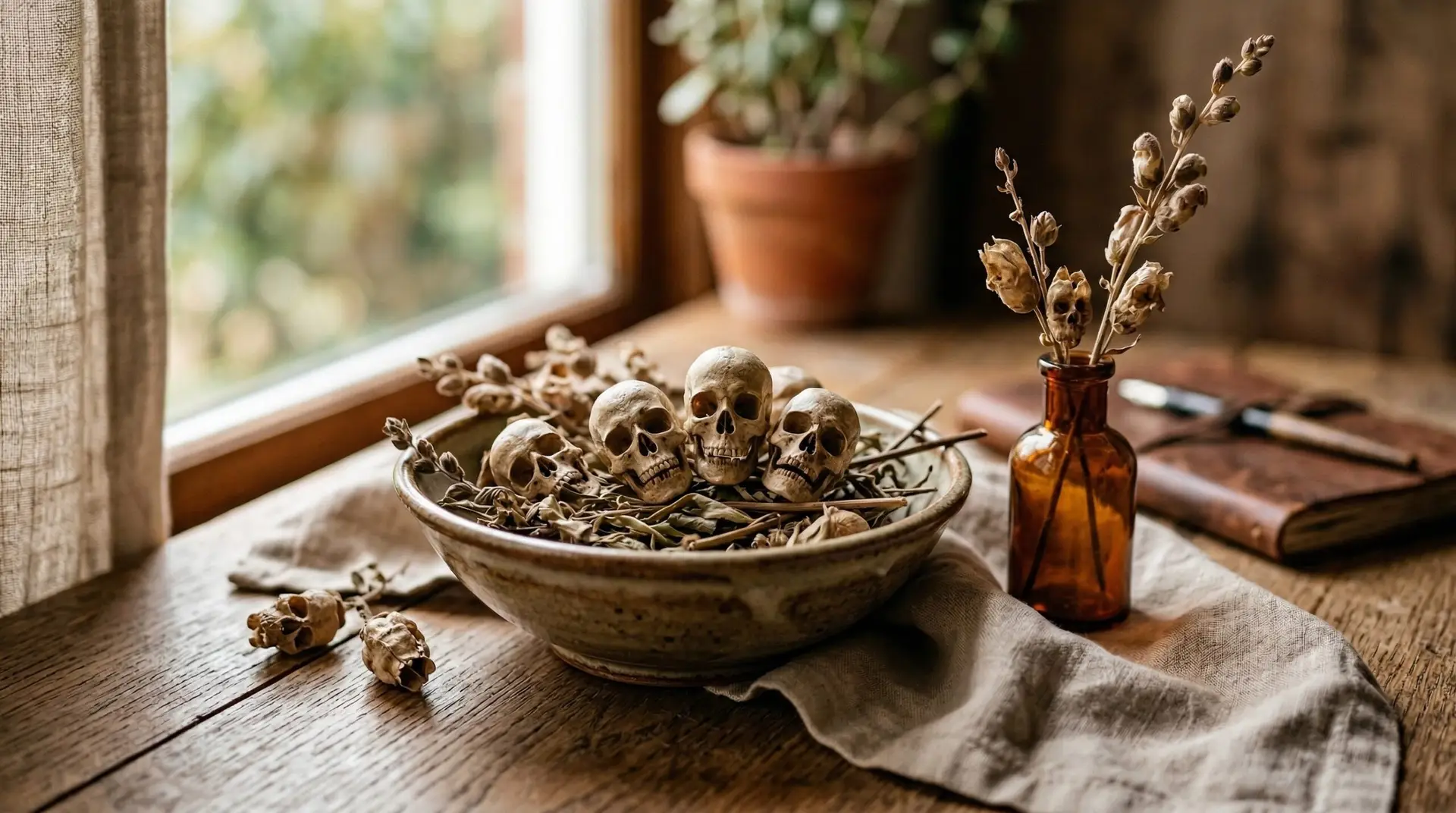
One of the first things gardeners ask when they see pictures of tiny, dried skulls online is whether these bizarre little things are actually real. It is easy to assume they are clever digital manipulations or tiny plastic Halloween decorations placed in a garden bed. The truth is that snapdragon skull seed pods are entirely real and grow naturally on one of the most common bedding plants in the world. People are always surprised to learn that the bright, cheerful snapdragon flowers they buy at the local nursery harbor such a dark and curious secret. Once the colorful petals drop away and the plant focuses on reproduction, the remaining structure dries out and transforms into a perfect miniature replica of a human skull. This dramatic shift from a soft, brightly colored summer bloom to a macabre autumn seed head draws people into the garden just to witness the change. The visual contrast between the living flower and the dried pod often makes people wonder if they are looking at the same plant.
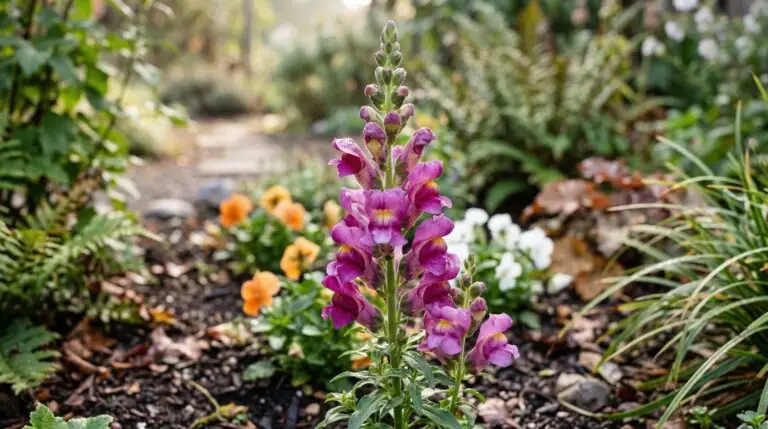
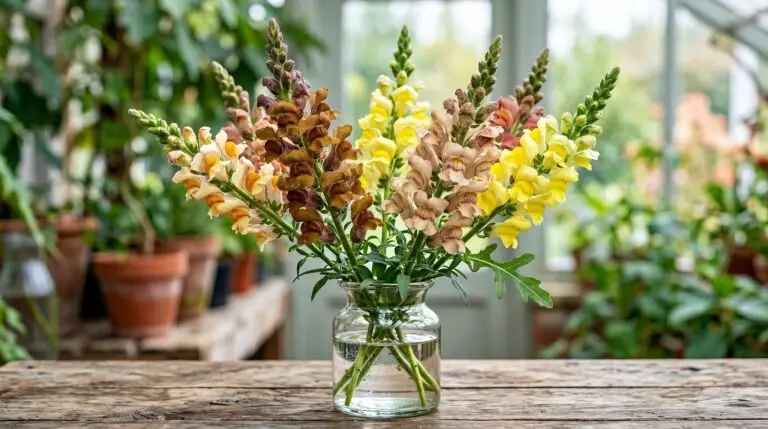
During the peak of summer, the snapdragon produces tall spikes of brightly colored blossoms that look like the faces of friendly dragons. Children love to squeeze the sides of the flowers to make the dragon mouth snap open and shut. The plant requires a specific type of heavy bumblebee to pry open these tightly closed petals to reach the nectar and pollinate the flower. Once that successful pollination occurs, the colorful show is over and the plant begins its strange transformation. The petals shrivel and drop to the ground, leaving behind a small green nodule attached to the main stem. This nodule is the beginning of the skull, though it takes several weeks of late summer heat to complete the illusion. You have to watch closely as the season changes to catch the exact moment the green seed pod turns into a recognizable face.
Why snapdragons form skull shapes
The natural follow-up question is why a plant would evolve to produce something that looks so much like a human skull. The resemblance is actually a complete coincidence of botanical architecture and seed dispersal mechanics. When the flower is pollinated, the base swells to form a capsule that protects the developing seeds inside. As the season progresses and the seeds mature, this fleshy green capsule dries out, turns brown, and shrinks slightly. To release the ripe seeds, the capsule must open, and it does so by tearing at three specific weak points at the top of the structure. These three holes, which allow the seeds to spill out when the wind shakes the stalk, happen to align perfectly to look like two hollow eye sockets and a gaping mouth. By the way, this eerie appearance did not go unnoticed by ancient cultures, who believed planting snapdragons would protect their homes from witchcraft and evil spirits.
You might also wonder if all snapdragons produce these skulls or if you need to buy a specific variety. The good news is that nearly every standard variety of garden snapdragon will produce these dried pods if left to their own devices. The size of the skull will depend directly on the size of the original flower, with tall, large-flowered varieties producing the most pronounced and visible skulls. Dwarf varieties still produce them, but the resulting seed pods are so tiny you might need a magnifying glass to appreciate the facial features. Environmental factors also play a role in how distinct the skulls look at the end of the season. A long, dry autumn helps the pods dry uniformly on the stalk, resulting in a clean, beige color that highlights the dark holes of the eyes and mouth. Wet, rainy autumns can cause the pods to rot or turn black before they fully dry, which ruins the delicate skull illusion.
How to grow and harvest your own little skulls
This leads to something many growers wonder about when they want to produce these pods themselves. Most gardeners are taught to deadhead their flowers, which means cutting off the spent blooms to encourage the plant to produce more flowers. If you want a harvest of snapdragon dried pods, you have to break this rule and let nature take its course. You simply stop cutting the fading flowers in late summer and allow the green seed capsules to swell at the base of the dying petals. The stems will look a bit untidy for a few weeks as the plant shifts its energy from making flowers to maturing its seeds. You have to be patient and leave the stalks on the plant until the green pods turn completely brown and papery. Once the color has faded and the three holes split open to reveal the face, your miniature skulls are ready to be clipped from the plant.
People often ask exactly how to handle these delicate little structures once they are fully dried on the stalk. You will want to cut the entire stalk near the base of the plant on a dry afternoon when there is no moisture left on the stems. Keep the stalks upright as you carry them, because the tiny black seeds will freely pour out of the skull mouths with every movement. You can gently shake the stalks over a paper bag or a bowl to dislodge the remaining seeds before you start using the stems for display. If an early frost threatens your garden before the pods are completely dry, you can cut the stalks while they are still slightly green. Hang these partially dried stalks upside down in a warm, dry room with good air circulation. The pods will continue to mature and dry indoors, eventually popping open to form the characteristic skull shapes without rotting in the cold weather.
Using dried snapdragon pods in seasonal decor
Once you have a successful harvest, the next logical question is what to do with these unusual botanical oddities. Dried snapdragon skulls make excellent additions to dark, gothic floral arrangements or curious natural displays for the autumn season. Many people love mixing them with other structural dried elements like the architectural pods of Poppy plants to create a distinct textural contrast. You can also pair them with the balloon-like, intricate dried heads of Love-in-a-Mist for a truly unusual autumn centerpiece that sparks conversations. Because the stems are quite rigid once dried, they stand up well in dry vases without needing water or floral foam. Some crafters even carefully clip the individual skulls off the main stalk to use in small terrariums or miniature haunted house dioramas. The dried material holds its shape indefinitely as long as it is kept away from moisture and direct sunlight.
Another common curiosity is whether you can preserve or alter the color of the skulls for specific craft projects. The natural beige and light brown tones are highly realistic, but the papery texture of the dried pod takes paint exceptionally well. A light mist of matte white spray paint can make the skulls look like bleached bone, enhancing the creepy effect for Halloween decorations. A quick spray of clear acrylic sealer will help protect the delicate pods from crumbling if you plan to handle them frequently. You do have to be careful when applying any wet paint or heavy sealers, as too much moisture can cause the thin walls of the pod to collapse. Most gardeners prefer to leave them entirely natural, appreciating the raw, unedited beauty of a plant that just happens to look like something out of a horror movie.
What happens to the seeds inside
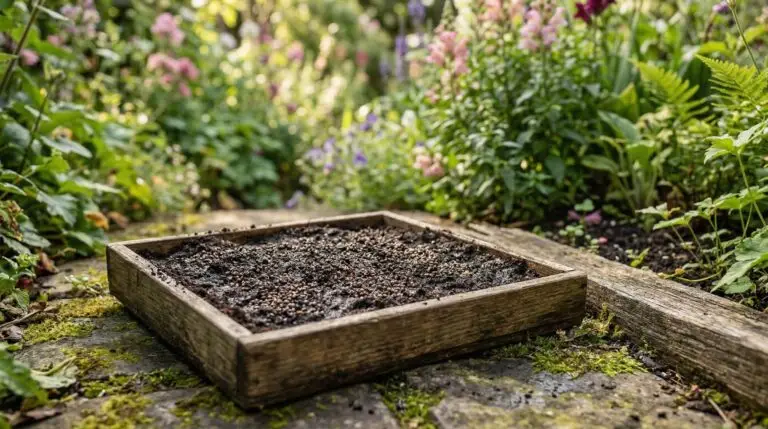
A question you might not have considered is what happens to the thousands of seeds that fall out of these tiny skulls. If you leave the stalks in the garden to act as natural decor, the autumn wind will eventually whip the stems back and forth. This movement acts like a pepper shaker, flinging the tiny black seeds out of the skull faces and across your soil. Snapdragons are technically tender perennials often grown as annuals, but they are prolific self-seeders when given the chance. The seeds that fall from the skulls will lie dormant through the winter and often sprout into dozens of new volunteer plants the following spring. If you collected the seeds in a bag earlier, you can store them in a cool, dry place and start them indoors about eight weeks before your last frost. Every single tiny seed holds the genetic blueprint to repeat the entire cycle, growing into a cheerful summer flower before dying back into a tiny little skull.